Dahm Tobias, Rudolph Henriette, Schwerk Christian, Schroten Horst, Tenenbaum Tobias
Pediatric Infectious Diseases, Department of Pediatrics, Medical Faculty Mannheim, Heidelberg University, 68167 Mannheim, Germany.
Mediators Inflamm. 2016;2016:8562805. doi: 10.1155/2016/8562805. Epub 2016 May 25.
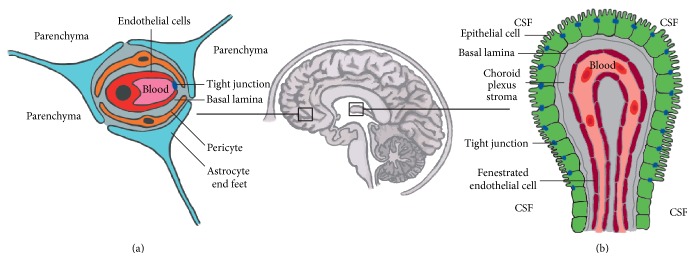
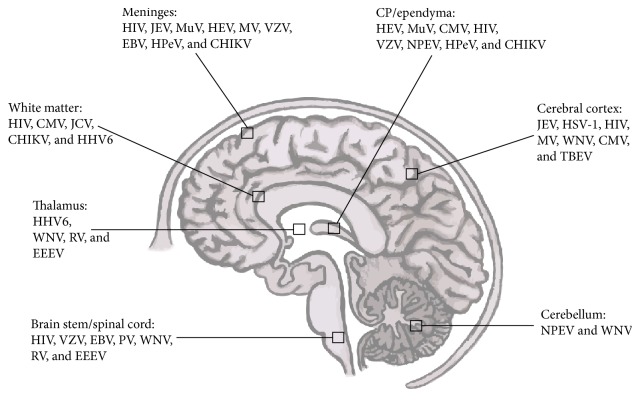
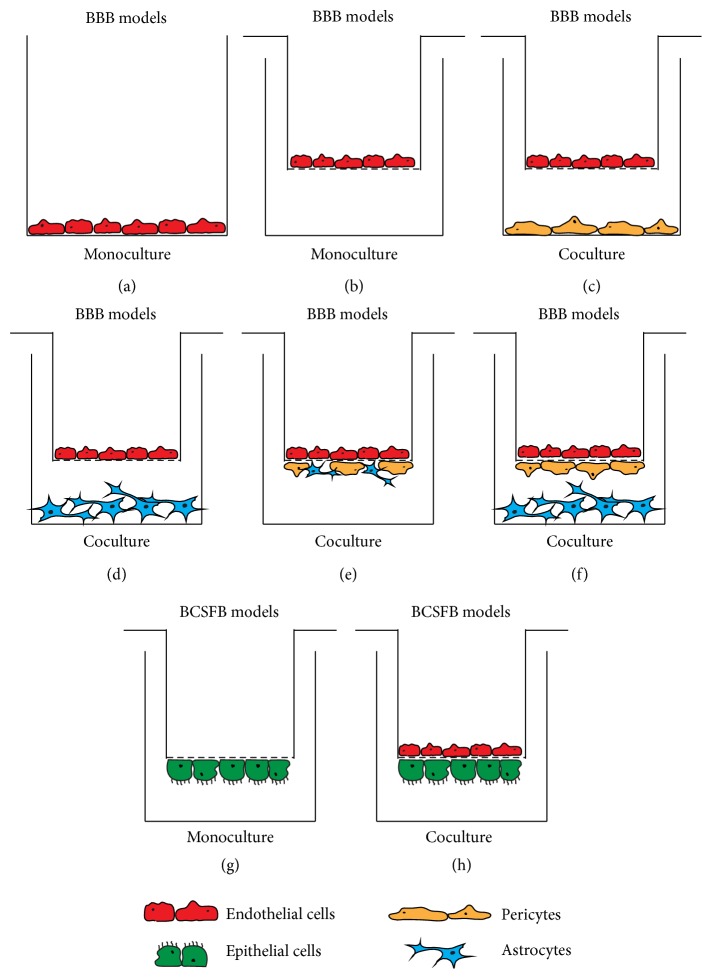
Neurotropic viruses can cause devastating central nervous system (CNS) infections, especially in young children and the elderly. The blood-brain barrier (BBB) and the blood-cerebrospinal fluid barrier (BCSFB) have been described as relevant sites of entry for specific viruses as well as for leukocytes, which are recruited during the proinflammatory response in the course of CNS infection. In this review, we illustrate examples of established brain barrier models, in which the specific reaction patterns of different viral families can be analyzed. Furthermore, we highlight the pathogen specific array of cytokines and chemokines involved in immunological responses in viral CNS infections. We discuss in detail the link between specific cytokines and chemokines and leukocyte migration profiles. The thorough understanding of the complex and interrelated inflammatory mechanisms as well as identifying universal mediators promoting CNS inflammation is essential for the development of new diagnostic and treatment strategies.
嗜神经病毒可引起严重的中枢神经系统(CNS)感染,尤其是在幼儿和老年人中。血脑屏障(BBB)和血脑脊液屏障(BCSFB)已被描述为特定病毒以及白细胞进入中枢神经系统的相关部位,白细胞是在中枢神经系统感染过程中的促炎反应中被招募的。在这篇综述中,我们举例说明了已建立的脑屏障模型,在这些模型中可以分析不同病毒家族的特定反应模式。此外,我们强调了病毒中枢神经系统感染免疫反应中涉及的病原体特异性细胞因子和趋化因子阵列。我们详细讨论了特定细胞因子和趋化因子与白细胞迁移谱之间的联系。深入了解复杂且相互关联的炎症机制以及识别促进中枢神经系统炎症的通用介质对于开发新的诊断和治疗策略至关重要。