Department of Mechanical and Aerospace Engineering, Old Dominion University, Norfolk, VA 23529, USA.
Department of Engineering, Center for Materials Research, Norfolk State University, Norfolk, VA 23504, USA.
Biosensors (Basel). 2016 Jun 16;6(2):27. doi: 10.3390/bios6020027.
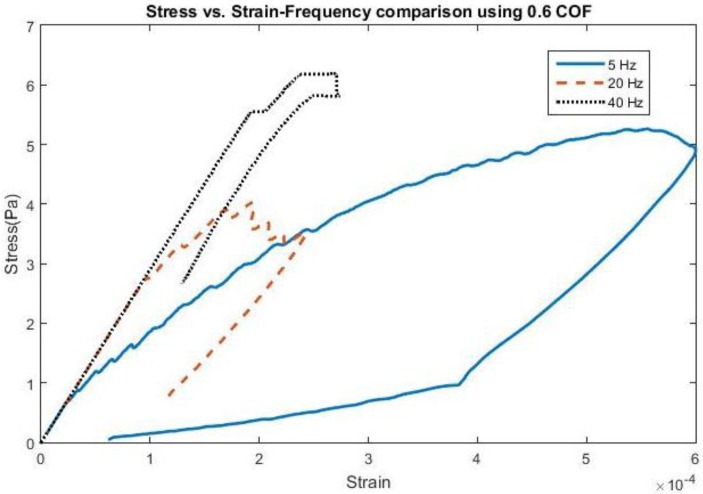
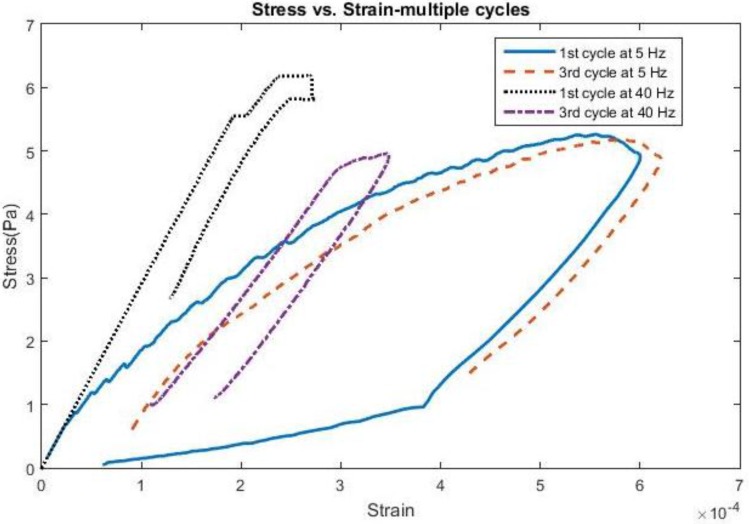
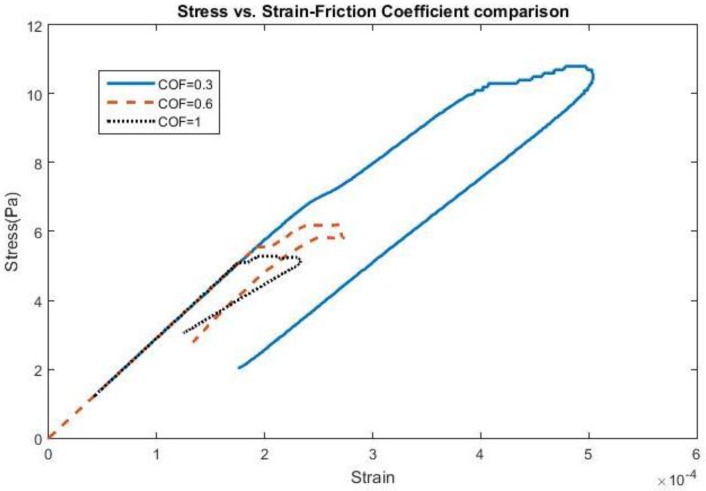
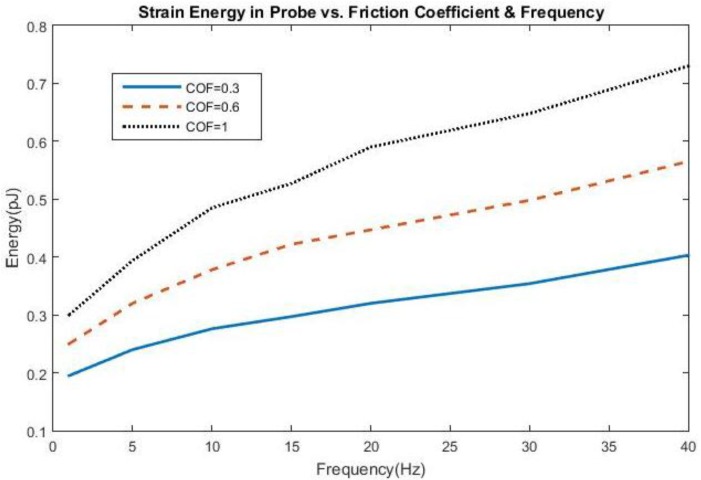
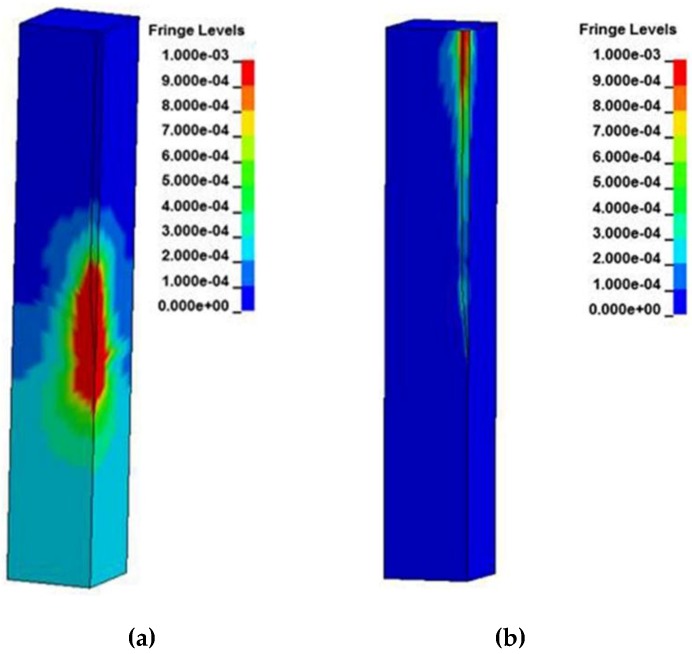
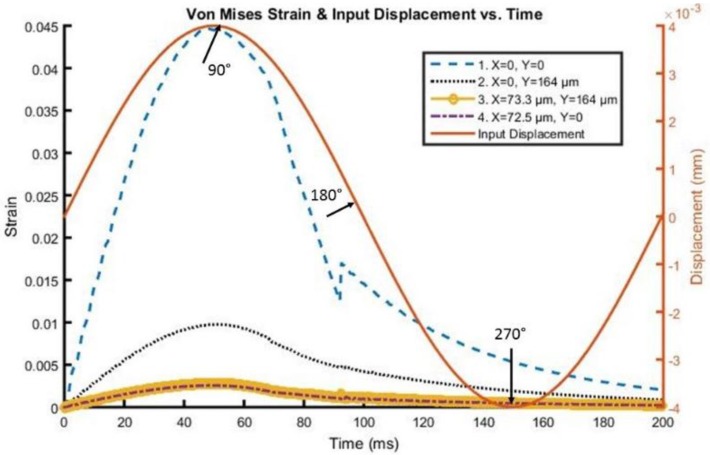
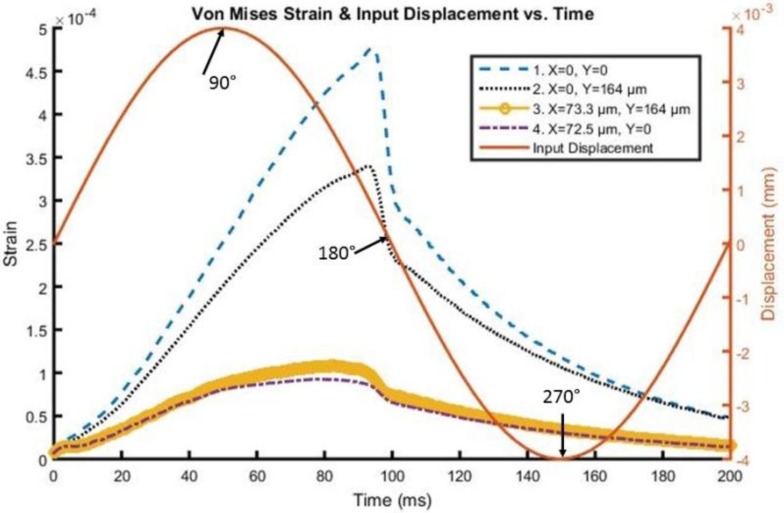
The functional longevity of a neural probe is dependent upon its ability to minimize injury risk during the insertion and recording period in vivo, which could be related to motion-related strain between the probe and surrounding tissue. A series of finite element analyses was conducted to study the extent of the strain induced within the brain in an area around a neural probe. This study focuses on the transient behavior of neural probe and brain tissue interface with a viscoelastic model. Different stages of the interface from initial insertion of neural probe to full bonding of the probe by astro-glial sheath formation are simulated utilizing analytical tools to investigate the effects of relative motion between the neural probe and the brain while friction coefficients and kinematic frequencies are varied. The analyses can provide an in-depth look at the quantitative benefits behind using soft materials for neural probes.
神经探针的功能寿命取决于其在体内插入和记录期间将损伤风险最小化的能力,这可能与探针和周围组织之间的运动相关应变有关。进行了一系列有限元分析,以研究在神经探针周围的脑区域内引起的应变程度。本研究侧重于使用黏弹性模型研究神经探针和脑组织界面的瞬态行为。利用分析工具模拟从神经探针初始插入到通过星形胶质鞘形成完全结合探针的界面的不同阶段,以研究在摩擦系数和运动频率变化时神经探针和大脑之间的相对运动的影响。这些分析可以深入了解使用软材料制造神经探针的背后的定量优势。