Goordial Jacqueline, Davila Alfonso, Lacelle Denis, Pollard Wayne, Marinova Margarita M, Greer Charles W, DiRuggiero Jocelyn, McKay Christopher P, Whyte Lyle G
Department of Natural Resource Sciences, McGill University, Macdonald Campus, Ste-Anne-de-Bellevue, Quebec, Canada.
NASA Ames Research Center, Moffett Field, CA, USA.
ISME J. 2016 Jul;10(7):1613-24. doi: 10.1038/ismej.2015.239. Epub 2016 Jan 19.
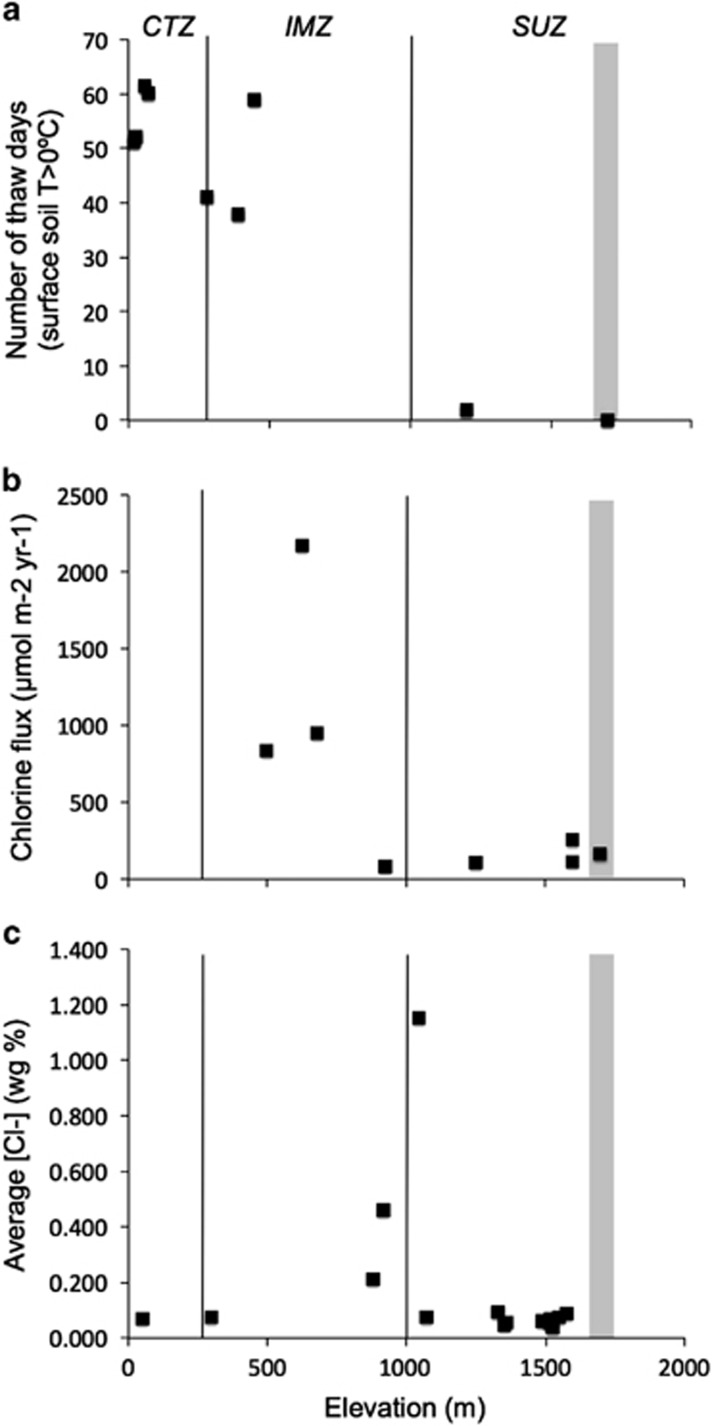
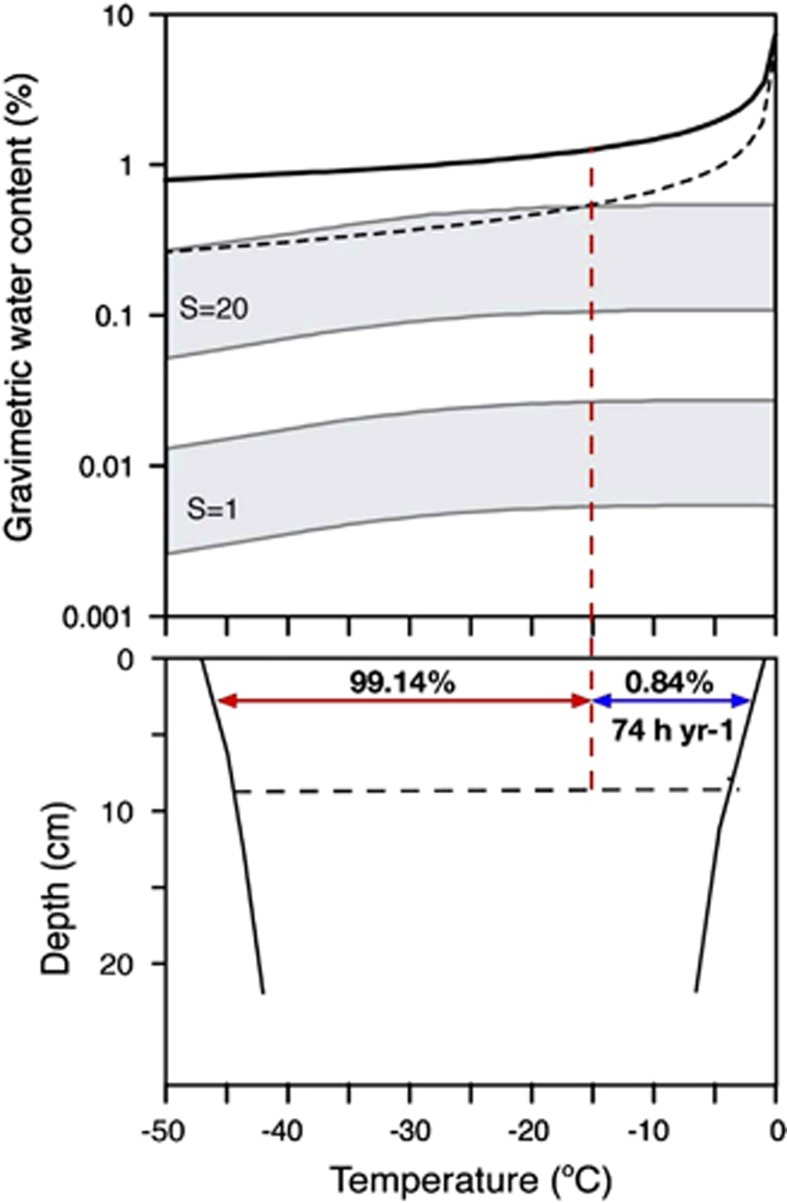
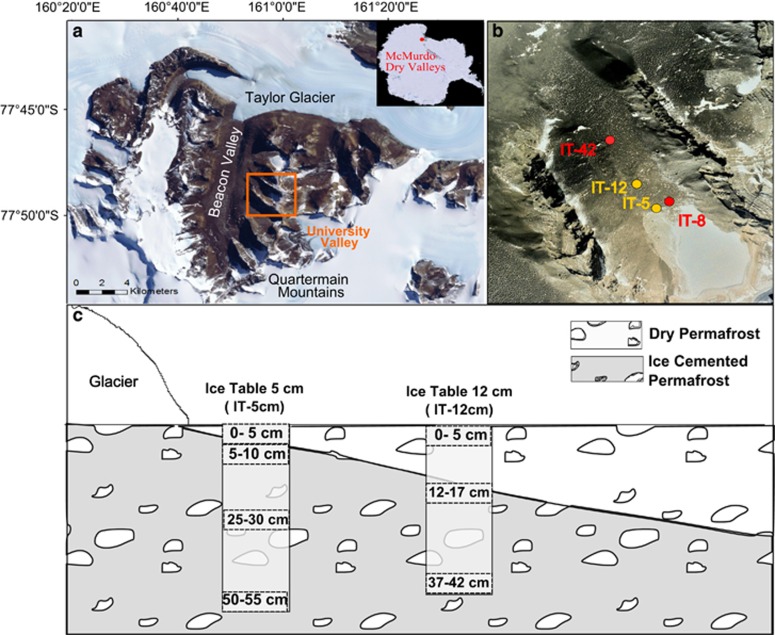
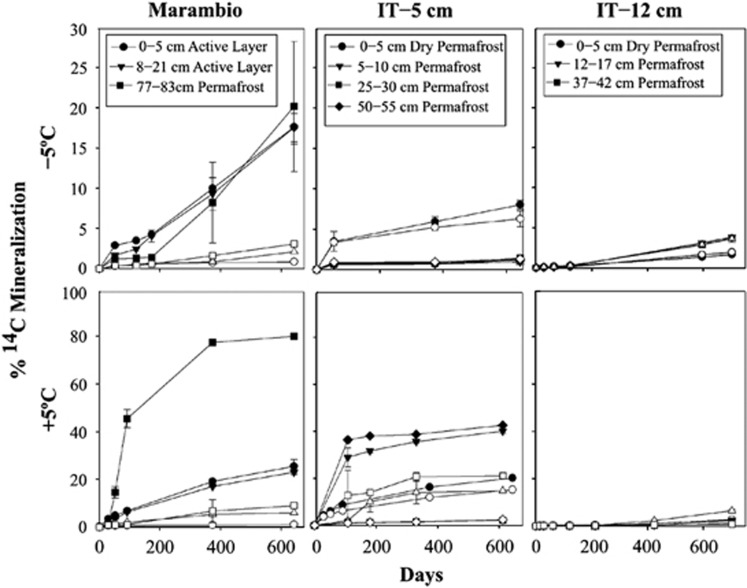
Some of the coldest and driest permafrost soils on Earth are located in the high-elevation McMurdo Dry Valleys (MDVs) of Antarctica, but little is known about the permafrost microbial communities other than that microorganisms are present in these valleys. Here, we describe the microbiology and habitable conditions of highly unique dry and ice-cemented permafrost in University Valley, one of the coldest and driest regions in the MDVs (1700 m above sea level; mean temperature -23 °C; no degree days above freezing), where the ice in permafrost originates from vapour deposition rather than liquid water. We found that culturable and total microbial biomass in University Valley was extremely low, and microbial activity under ambient conditions was undetectable. Our results contrast with reports from the lower-elevation Dry Valleys and Arctic permafrost soils where active microbial populations are found, suggesting that the combination of severe cold, aridity, oligotrophy of University Valley permafrost soils severely limit microbial activity and survival.
地球上一些最寒冷、最干燥的永久冻土位于南极洲高海拔的麦克默多干谷(MDV),但除了知道这些山谷中有微生物存在外,人们对永久冻土微生物群落了解甚少。在这里,我们描述了大学谷中高度独特的干燥和结冰永久冻土的微生物学及宜居条件,大学谷是MDV中最寒冷、最干燥的地区之一(海拔1700米;平均温度-23°C;无高于冰点的度日),这里永久冻土中的冰源自水汽沉积而非液态水。我们发现,大学谷中可培养和总微生物生物量极低,在环境条件下无法检测到微生物活性。我们的结果与低海拔干谷和北极永久冻土土壤中发现有活跃微生物种群的报告形成对比,这表明大学谷永久冻土土壤的严寒、干旱和贫营养状况共同严重限制了微生物的活性和生存。