Liu Ting-Ting, Mu Li-Qiu, Dai Wei, Wang Chuan-Bang, Liu Xin-Yi, Xiang Da-Xiong
Department of Pharmacy, The Second Xiangya Hospital, Central South University, Changsha, People's Republic of China; Institute of Clinical Pharmacy, Central South University, Changsha, People's Republic of China; Key Laboratory for New Technology of Chinese Medicine Preparations of Hunan Province, Changsha, People's Republic of China.
Int J Nanomedicine. 2016 Jun 2;11:2515-29. doi: 10.2147/IJN.S101918. eCollection 2016.
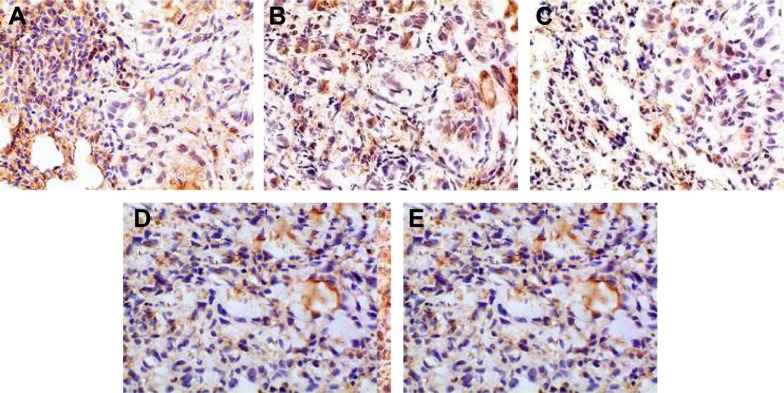
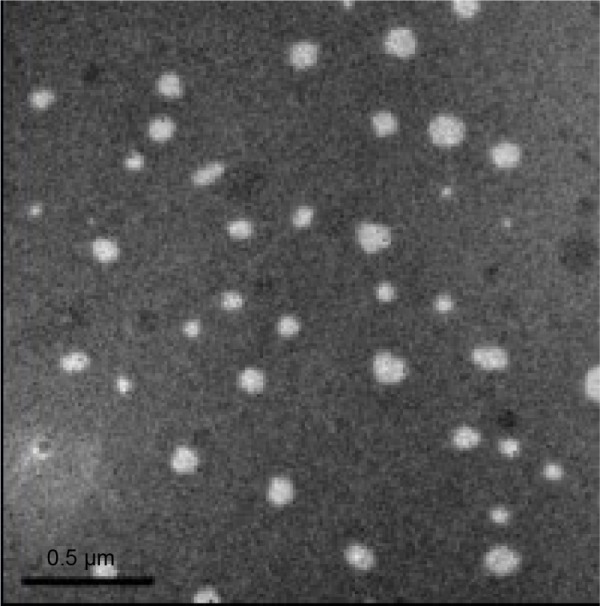
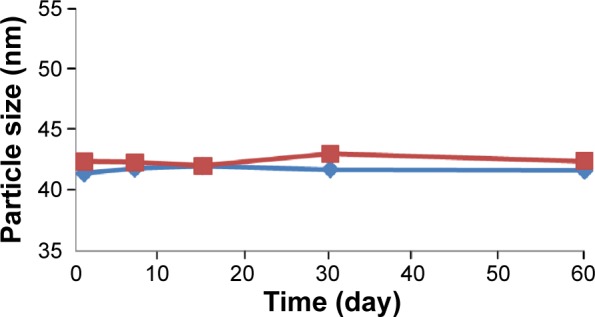
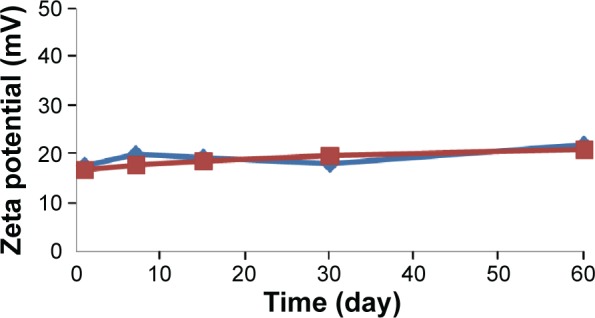
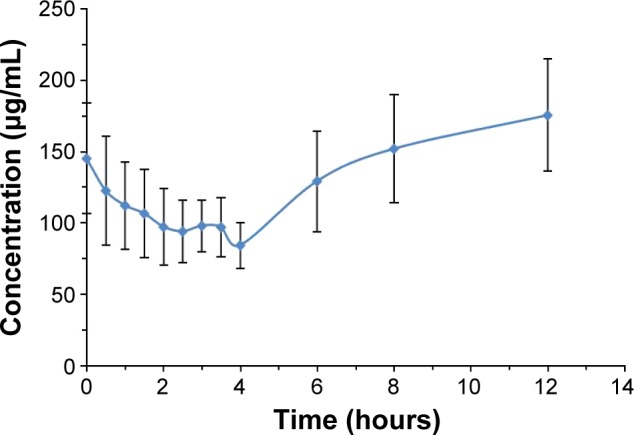
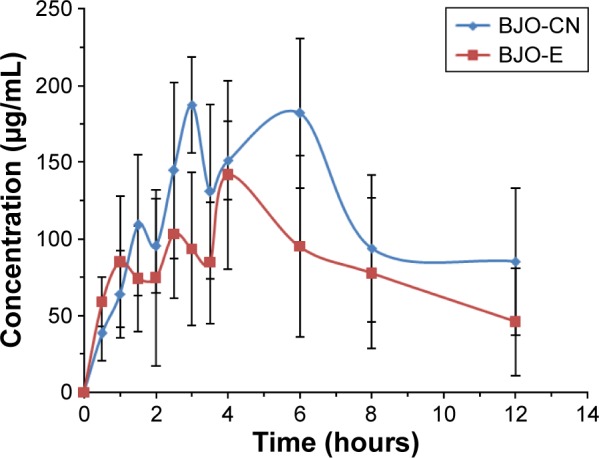
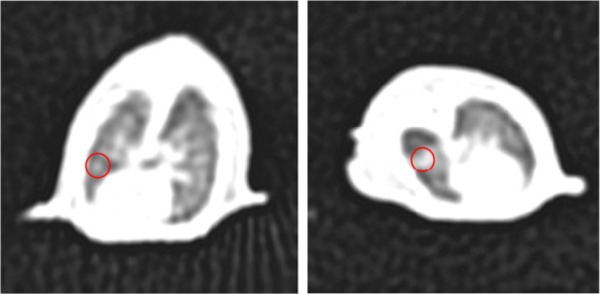
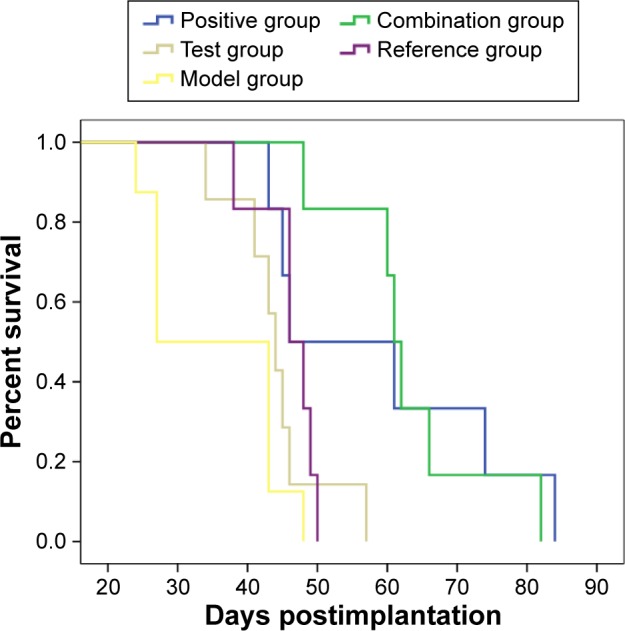
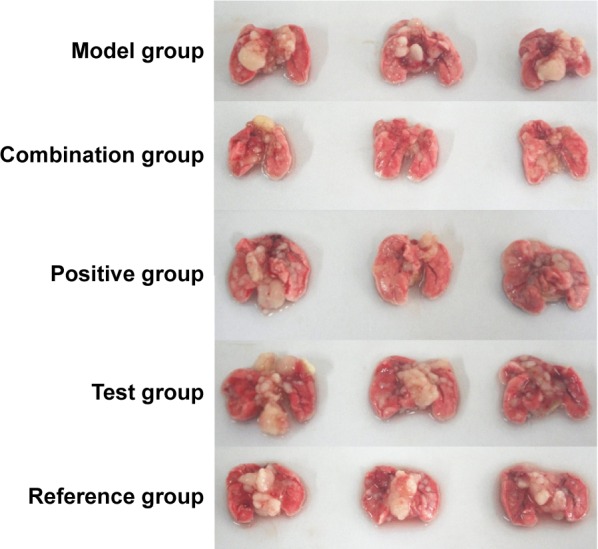
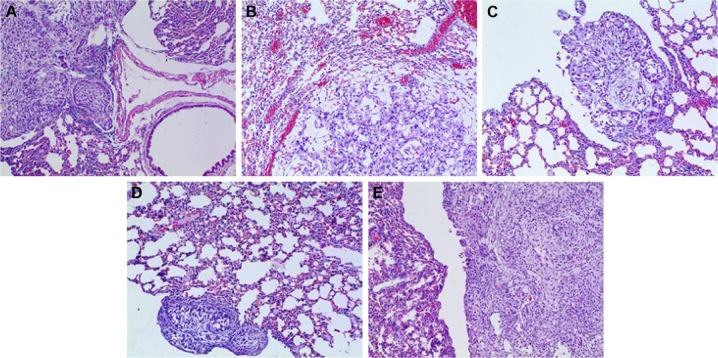
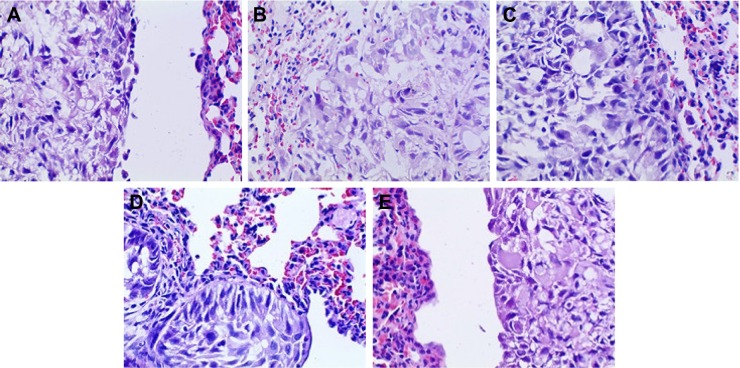
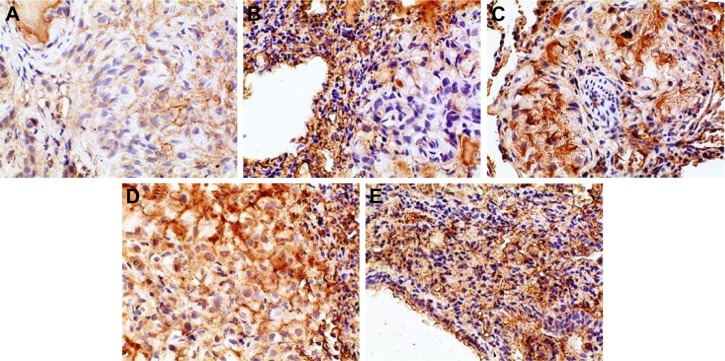
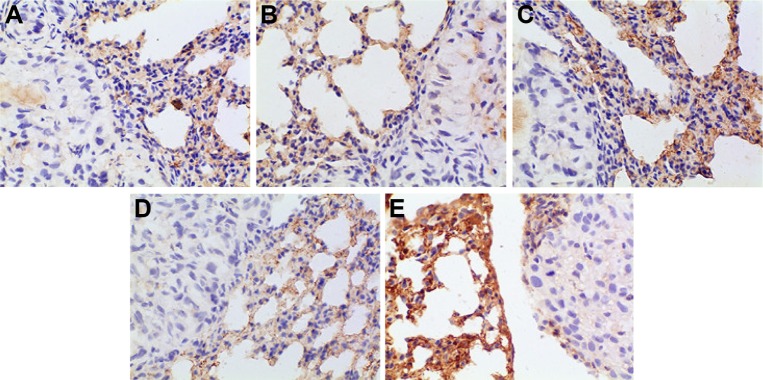
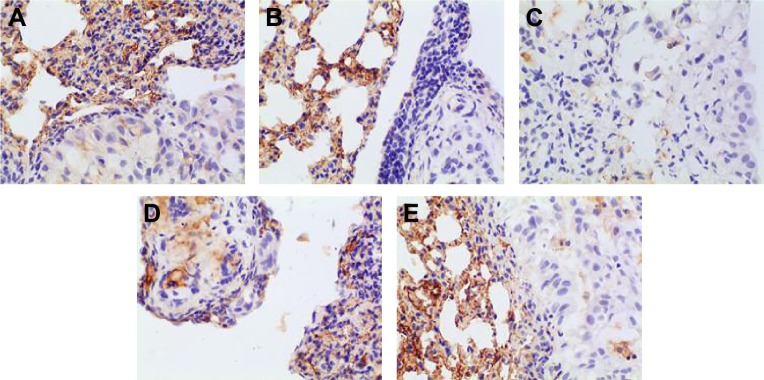
The purpose of this study was to prepare Brucea javanica oil cationic nanoemulsions (BJO-CN) with BJO as drug as well as oil phase and chitosan as cationic inducer, to explore the practical suitability of using cationic nanoemulsions for oral delivery of mixed oil, and to test its bioavailability and antitumor effect. BJO-CN was prepared by chitosan solution stirring method and then characterized physicochemically. The obtained BJO-CN had a spherical morphology with a positive zeta potential of 18.9 mV and an average particle size of 42.36 nm, showing high colloidal stability. The drug loading of BJO-CN was 91.83 mg·mL(-1), determined by high-performance liquid chromatography with precolumn derivatization. Pharmacokinetic studies revealed that, compared with BJO emulsion (BJO-E) (the dosage of BJO-CN and BJO-E was equal to 505 mg·kg(-1), calculated by oleic acid), BJO-CN exhibited a significant increase in the area under the plasma drug concentration-time curve over the period of 24 hours and relative bioavailability was 1.6-fold. Furthermore, the antitumor effect of BJO-CN in the orthotopic mouse model of lung cancer was evaluated by recording the median survival time and the weight of lung tissue with tumor, hematoxylin and eosin staining, and immunohistochemical technique. Results of anticancer experiments illustrated that, even though the administrated dosage in the BJO-CN group was half of that in the BJO-E group, BJO-CN exhibited similar antitumor effect to BJO-E. Moreover, BJO-CN had good synergistic effect in combination therapy with vinorelbine. These results suggested that cationic nanoemulsions are an effective and promising delivery system to enhance the oral bioavailability and anticancer effect of BJO.
本研究旨在以鸦胆子油(BJO)为药物及油相、壳聚糖为阳离子诱导剂制备鸦胆子油阳离子纳米乳(BJO-CN),探讨阳离子纳米乳用于口服混合油的实际适用性,并测试其生物利用度和抗肿瘤效果。采用壳聚糖溶液搅拌法制备BJO-CN,然后对其进行理化性质表征。所制备的BJO-CN呈球形,ζ电位为正,为18.9 mV,平均粒径为42.36 nm,具有较高的胶体稳定性。采用柱前衍生化高效液相色谱法测定BJO-CN的载药量为91.83 mg·mL(-1)。药代动力学研究表明,与鸦胆子油乳剂(BJO-E)(以油酸计,BJO-CN和BJO-E用量均为505 mg·kg(-1))相比,BJO-CN在24小时内血浆药物浓度-时间曲线下面积显著增加,相对生物利用度为1.6倍。此外,通过记录中位生存时间、带瘤肺组织重量、苏木精-伊红染色及免疫组化技术,评估BJO-CN在肺癌原位小鼠模型中的抗肿瘤作用。抗癌实验结果表明,尽管BJO-CN组给药剂量仅为BJO-E组一半,但BJO-CN与BJO-E具有相似的抗肿瘤效果。此外,BJO-CN与长春瑞滨联合治疗具有良好的协同作用。这些结果表明,阳离子纳米乳是一种有效且有前景的给药系统,可提高BJO的口服生物利用度和抗癌效果。