Peng Zuxiang, Wei Jia, Lu Xuesong, Zheng Hong, Zhong Xiaorong, Gao Weiguo, Chen Yunqin, Jing Jing
Department of Thyroid and Breast Surgery, Laboratory of Molecular Diagnosis of Cancer, State Key Laboratory of Biotherapy, National Collaborative Innovation Center for Biotherapy, West China Hospital, Sichuan University, Chengdu, China AstraZeneca R&D Information China, Zhangjiang Hi-Tech Park, Shanghai, China.
Medicine (Baltimore). 2016 Jun;95(25):e3865. doi: 10.1097/MD.0000000000003865.
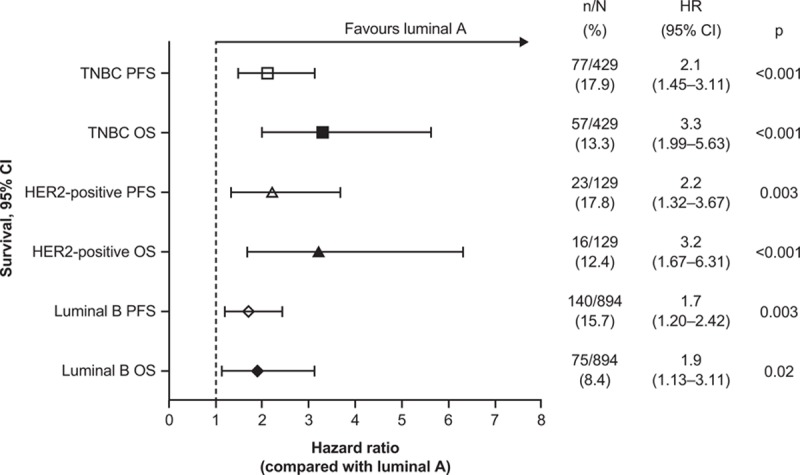
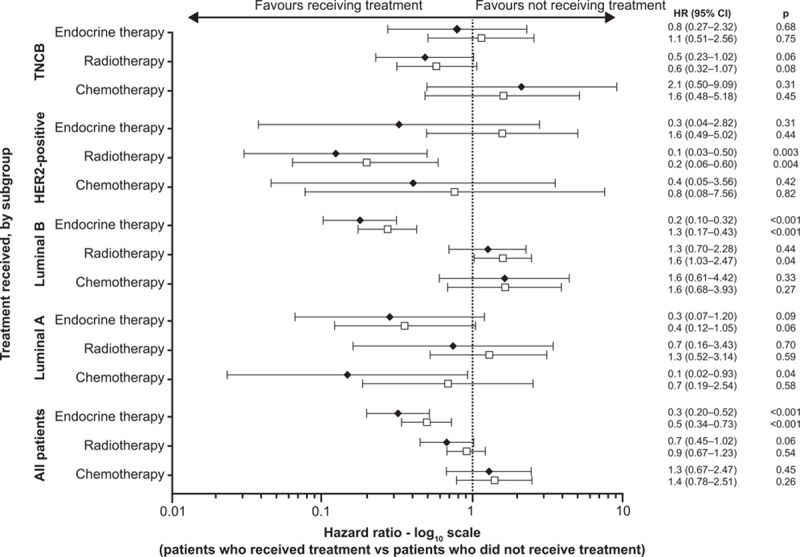
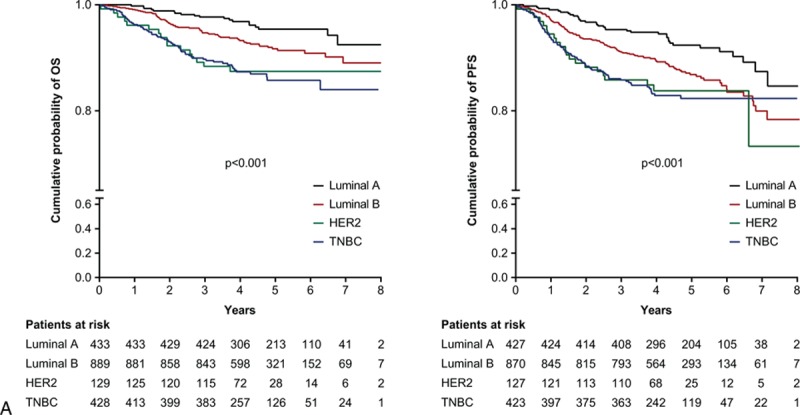
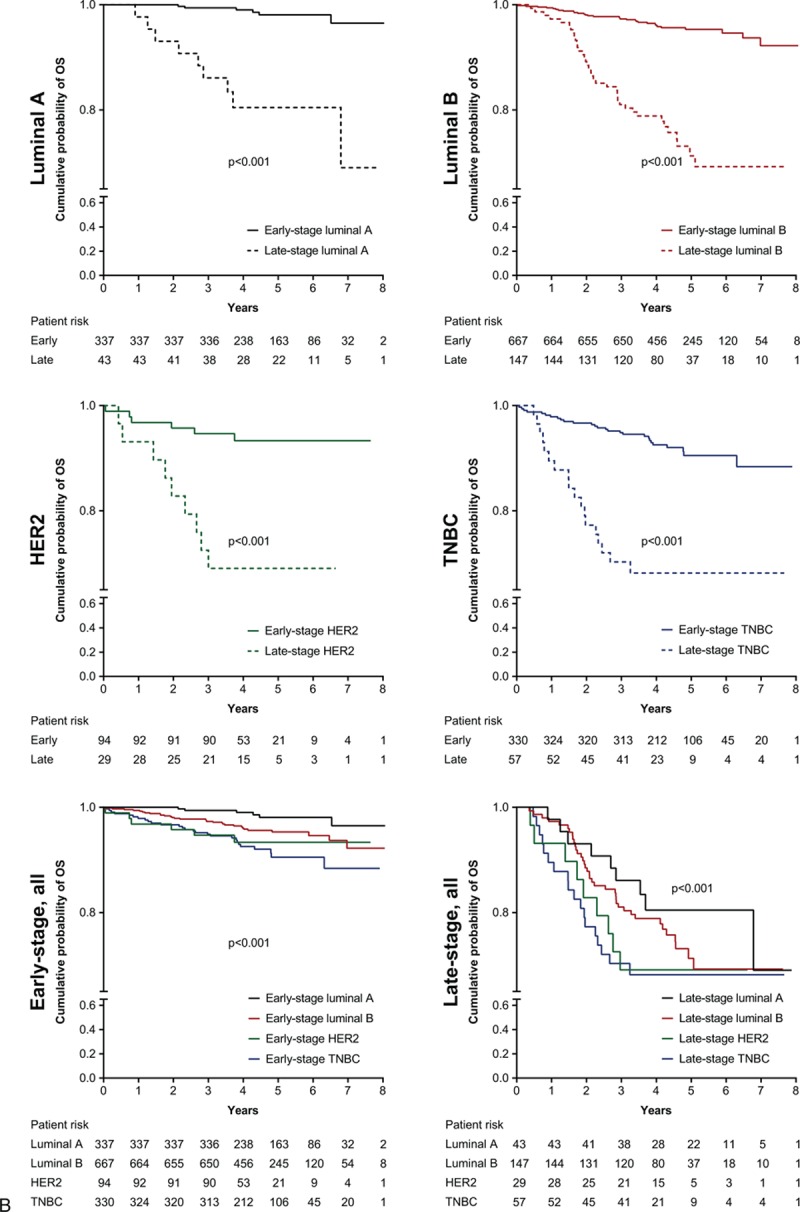
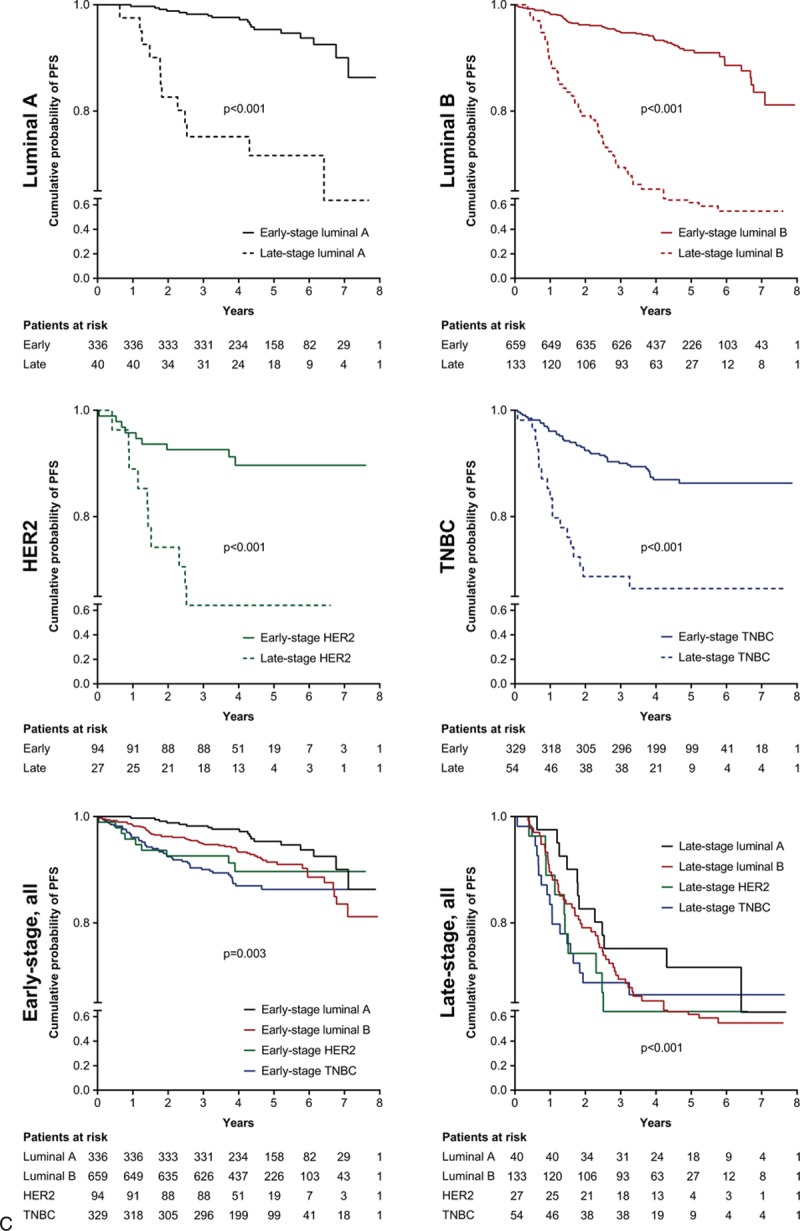
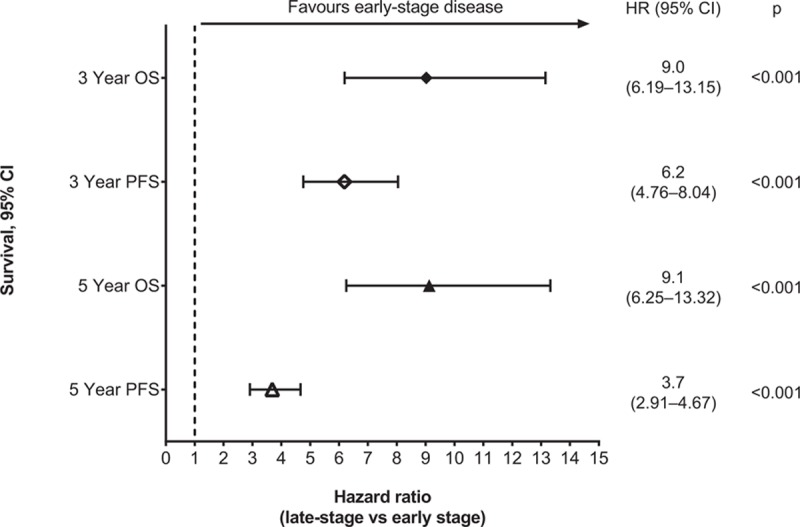
Breast cancer is a significant health issue both globally and within China. Here, we present epidemiological data for female patients diagnosed with breast cancer and treated at West China Hospital, Sichuan University, between 2005 and 2009. Patients who were diagnosed with breast cancer between 2005 and 2009 were enrolled. Data cut-off in this analysis was October 2013, allowing a minimum of 3 years' follow-up, or follow-up until death. Data were collected and subject to statistical analyses to assess relationships between patient and cancer characteristics, treatment patterns and long-term outcomes. A total of 2252 women with breast cancer were included in the analyses. Luminal B was the most common subtype of breast cancer and human epidermal growth factor 2 (HER2)-positive (nonluminal) was the least common. Most patients had early-stage disease (stage ≤IIIa) at diagnosis. Patients with luminal A appeared to have the best overall survival (OS), compared with other subtypes. Hormone-receptor positivity was associated with improved prognosis, compared with negativity (OS hazard ratio [HR] 0.5). Late-stage compared with early-stage disease at diagnosis was associated with much poorer OS across all patients and tumor subtypes. Clear differences were apparent between breast cancer subtypes and the response to treatment. The interaction of breast cancer subtypes, treatments and disease stage is complex. One of the most important factors for improved prognosis is diagnosis and treatment at an early-stage of disease. With breast cancer becoming an increasingly important health concern, this highlights the importance of establishing systems and protocols to identify and treat patients with breast cancer as early as possible.
乳腺癌在全球及中国都是一个重大的健康问题。在此,我们呈现2005年至2009年间在四川大学华西医院被诊断为乳腺癌并接受治疗的女性患者的流行病学数据。纳入了2005年至2009年间被诊断为乳腺癌的患者。本分析的数据截止时间为2013年10月,以确保至少3年的随访,或随访至死亡。收集数据并进行统计分析,以评估患者与癌症特征、治疗模式和长期结局之间的关系。共有2252名乳腺癌女性纳入分析。管腔B型是最常见的乳腺癌亚型,而人表皮生长因子2(HER2)阳性(非管腔型)是最不常见的。大多数患者在诊断时处于疾病早期(≤IIIa期)。与其他亚型相比,管腔A型患者似乎总体生存率(OS)最佳。与激素受体阴性相比,激素受体阳性与预后改善相关(OS风险比[HR]0.5)。在所有患者和肿瘤亚型中,诊断时晚期疾病与早期疾病相比,OS要差得多。乳腺癌亚型与治疗反应之间存在明显差异。乳腺癌亚型、治疗和疾病分期之间的相互作用很复杂。改善预后的最重要因素之一是疾病早期的诊断和治疗。随着乳腺癌成为日益重要的健康问题,这凸显了建立尽早识别和治疗乳腺癌患者的系统和方案的重要性。