Khatamsaz Sepideh, Hashemi Mehrdad
Department of Molecular and Cellular Sciences, Faculty of Advanced Sciences & Technology, Pharmaceutical Sciences Branch, Islamic Azad University, Tehran -Iran (IAUPS).
Department of Genetics, Tehran medical sciences branch, Islamic Azad University, Tehran, Iran.
Galen Med J. 2018 Feb 23;7:e921. doi: 10.22086/gmj.v0i0.921. eCollection 2018.
Chronic myeloid leukemia (CML), a hematological cancer of stem cells, is caused by the activation of oncogenic factors alone or/with inactivation of tumor suppressor genes. Curcumin is a hydrophobic polyphenol and the main compound of turmeric, which has been used in daily diets for many years. It is also a safe drug. Nanogels and nanobiotechnology have important roles in the diagnosis and treatment of diseases and drug delivery.
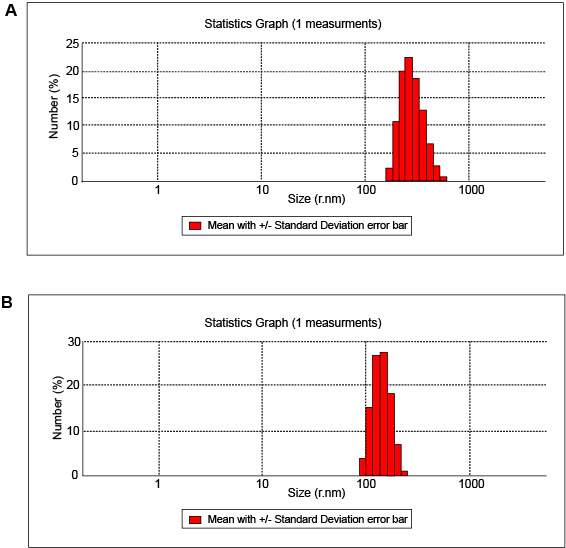
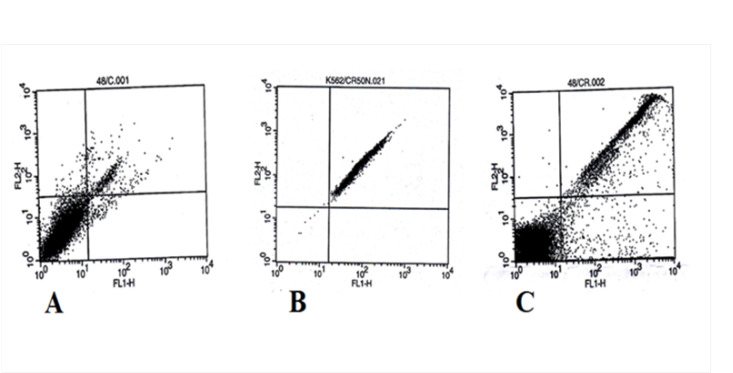
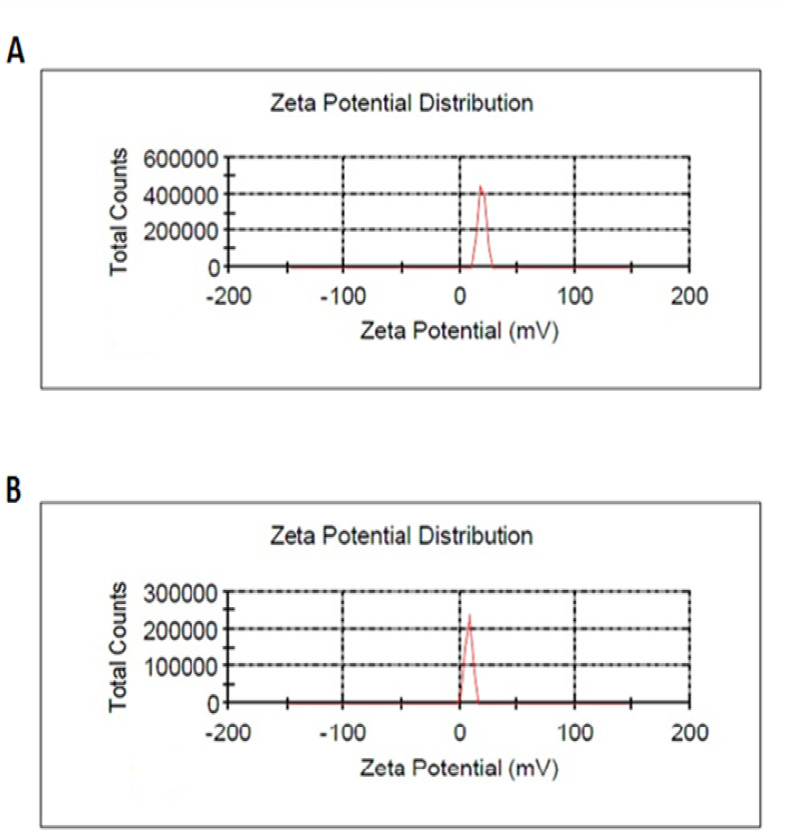
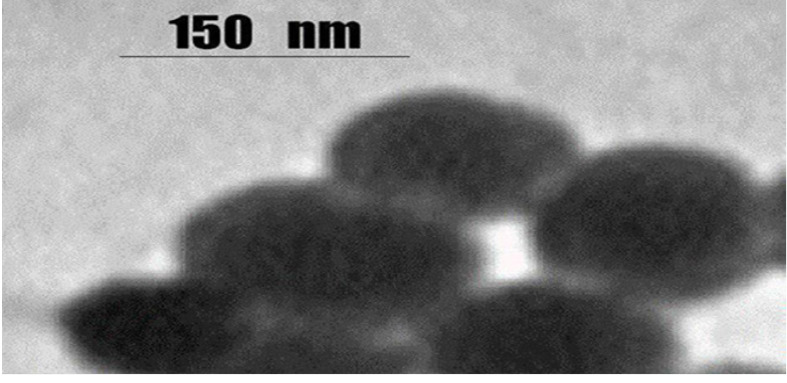
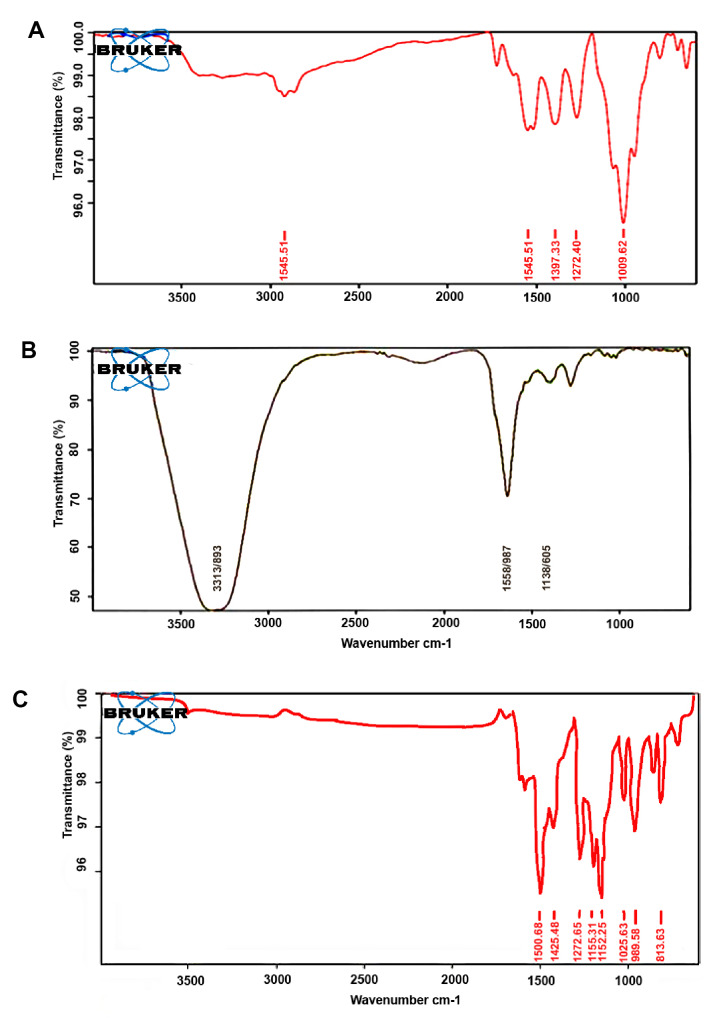
To prepare the nanodrug, chitosan nanogels were prepared in 1% acetic acid and cross-linked with stearate by 1- ethyl- 3 (3-dimethylaminopropyl) carbodiimide (EDC) and N-hydroxysuccinimide (NHS). Subsequently, curcumin was loaded in the chitosan-stearate nanogel. Physical and morphological characteristics of the nanodrug were determined by transmission electron microscopy (TEM), dynamic light scattering (DLS), and Fourier transform infrared spectroscopy. Different nanodrug concentrations were prepared and evaluated on the K562 CML cell line. The apoptotic activities of curcumin and nanodrug on the cells were detected by flow cytometry, MTT assay, and trypan blue staining.
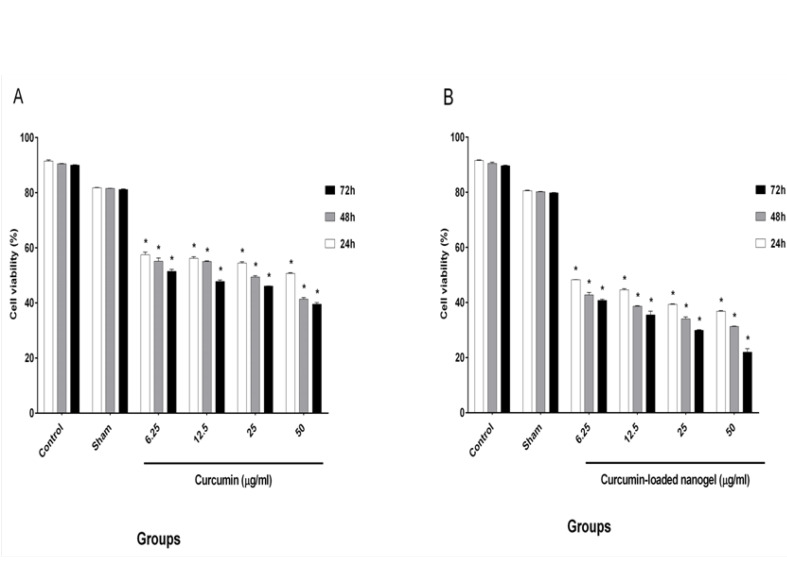
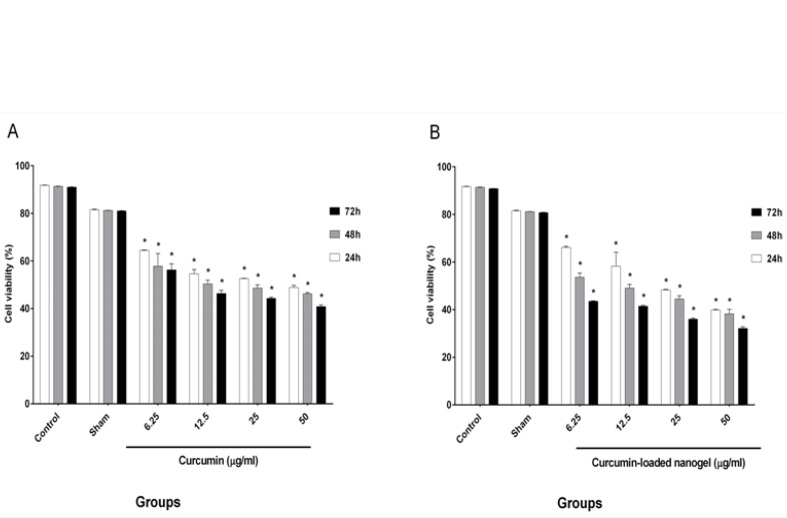
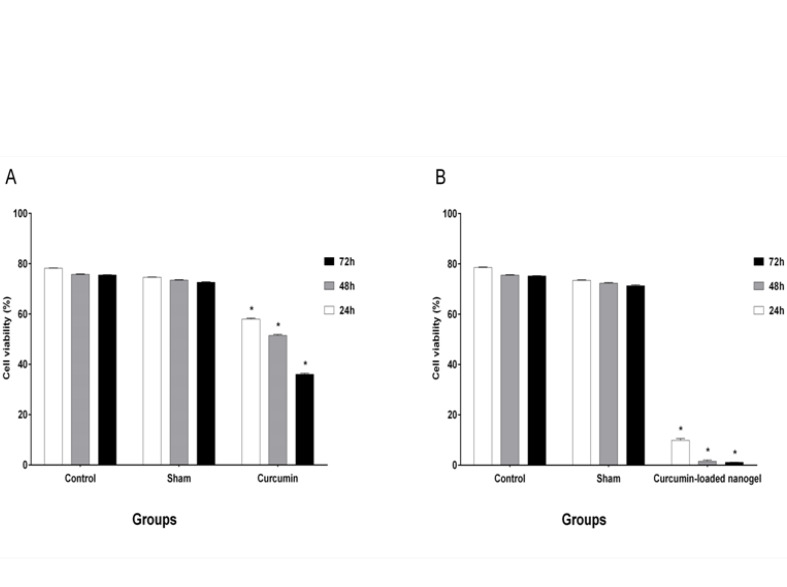
DLS revealed that the size of the nanodrug was 150 nm, which was confirmed by TEM. The half maximal inhibitory concentration (IC50) values of curcumin and nanodrug were 50 and 25 μg/ ml, respectively P < 0.05). Apoptosis of the K562 cell line occurred at 48 h post-treatment with 25 μg/ml curcumin and 12.5 μg/ml nanodrug.
The increase in the cytotoxicity of curcumin and nanodrug was directly related to the drug concentration and time. The nanodrug exhibited more cytotoxic effects on the vital capacity of the cells and stimulated more apoptosis compared with curcumin alone.
慢性髓性白血病(CML)是一种干细胞血液系统癌症,由致癌因子单独激活或/和肿瘤抑制基因失活引起。姜黄素是一种疏水性多酚,是姜黄的主要成分,多年来一直用于日常饮食中。它也是一种安全的药物。纳米凝胶和纳米生物技术在疾病诊断、治疗及药物递送中发挥着重要作用。
为制备纳米药物,在1%乙酸中制备壳聚糖纳米凝胶,并通过1-乙基-3(3-二甲基氨基丙基)碳二亚胺(EDC)和N-羟基琥珀酰亚胺(NHS)与硬脂酸交联。随后,将姜黄素负载于壳聚糖-硬脂酸纳米凝胶中。通过透射电子显微镜(TEM)、动态光散射(DLS)和傅里叶变换红外光谱测定纳米药物的物理和形态特征。制备不同浓度的纳米药物并在K562慢性髓性白血病细胞系上进行评估。通过流式细胞术、MTT法和台盼蓝染色检测姜黄素和纳米药物对细胞的凋亡活性。
动态光散射显示纳米药物的大小为150nm,透射电子显微镜证实了这一结果。姜黄素和纳米药物的半数最大抑制浓度(IC50)值分别为50和25μg/ml(P<0.05)。用25μg/ml姜黄素和12.5μg/ml纳米药物处理48小时后,K562细胞系发生凋亡。
姜黄素和纳米药物细胞毒性的增加与药物浓度和时间直接相关。与单独的姜黄素相比,纳米药物对细胞活力表现出更强的细胞毒性作用,并诱导更多细胞凋亡。