Stanish Lee F, Hull Natalie M, Robertson Charles E, Harris J Kirk, Stevens Mark J, Spear John R, Pace Norman R
Department of Molecular, Cellular, and Developmental Biology, University of Colorado, Boulder, CO, United States of America.
Department of Pediatrics, University of Colorado Anschutz Medical Campus, Aurora, CO, United States of America.
PLoS One. 2016 Jun 30;11(6):e0157966. doi: 10.1371/journal.pone.0157966. eCollection 2016.
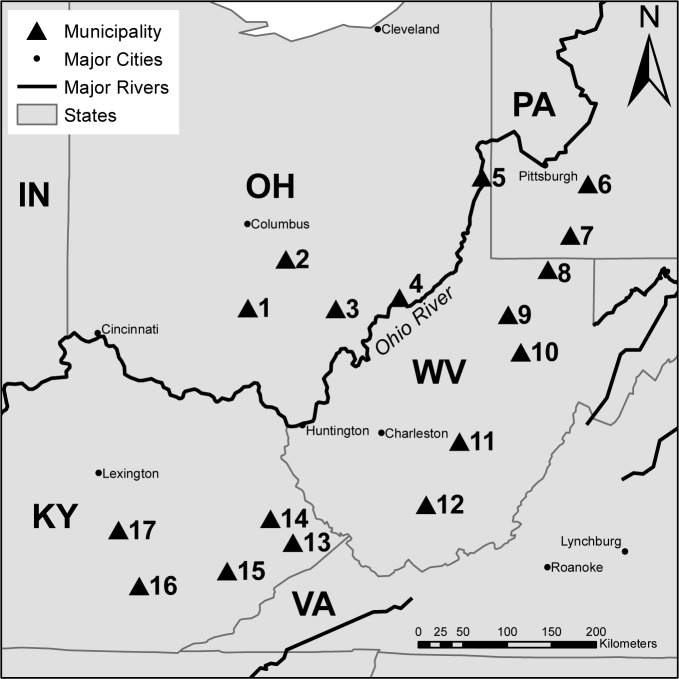
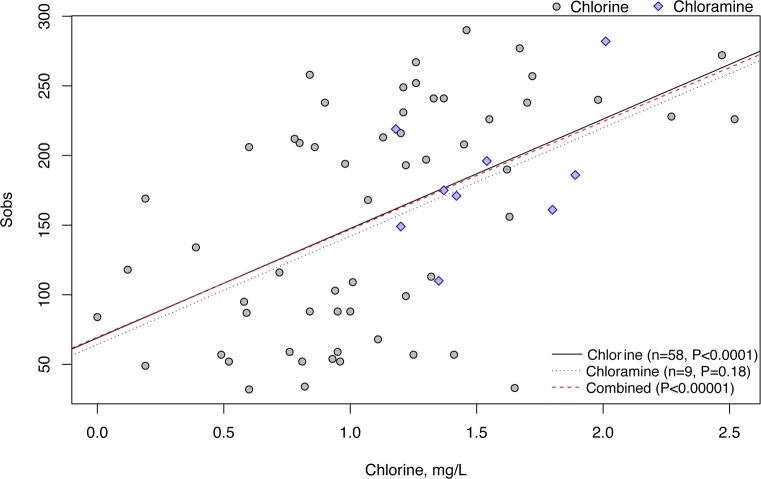
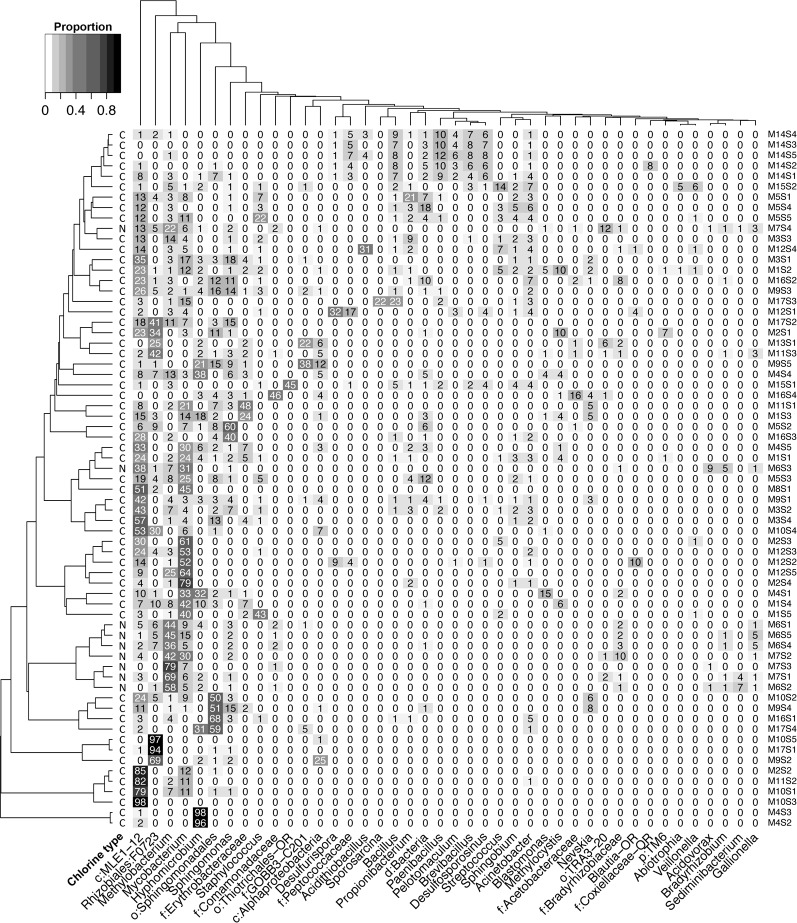
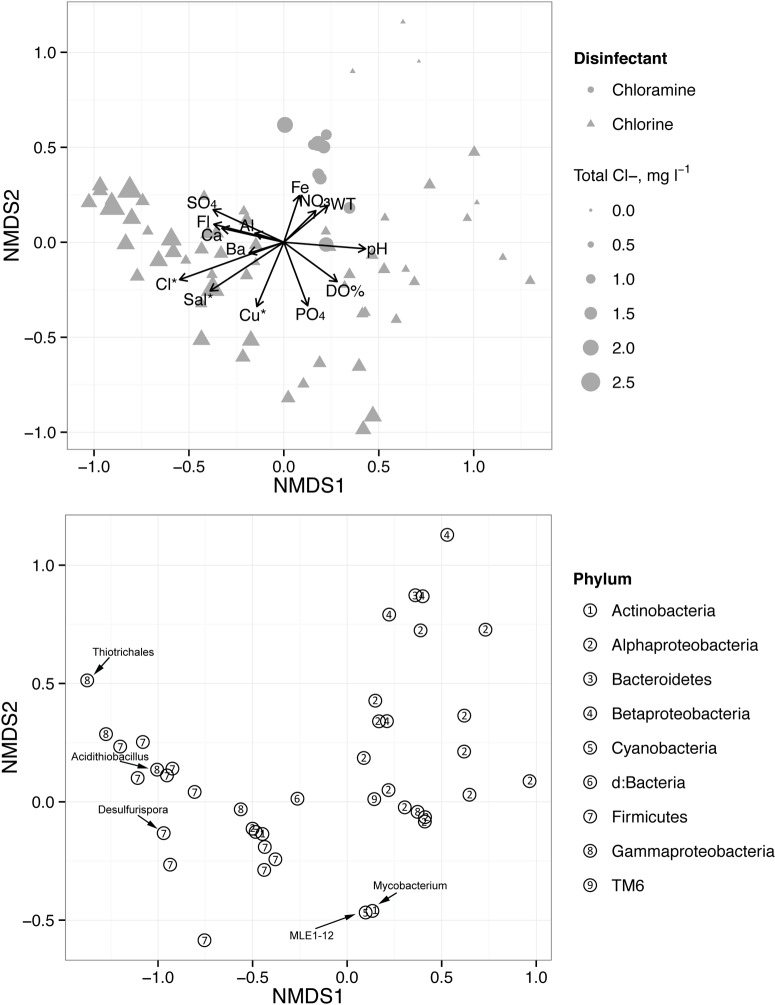
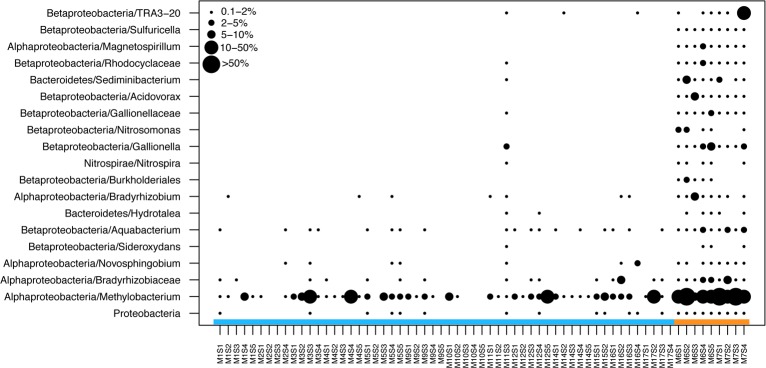
The composition and metabolic activities of microbes in drinking water distribution systems can affect water quality and distribution system integrity. In order to understand regional variations in drinking water microbiology in the upper Ohio River watershed, the chemical and microbiological constituents of 17 municipal distribution systems were assessed. While sporadic variations were observed, the microbial diversity was generally dominated by fewer than 10 taxa, and was driven by the amount of disinfectant residual in the water. Overall, Mycobacterium spp. (Actinobacteria), MLE1-12 (phylum Cyanobacteria), Methylobacterium spp., and sphingomonads were the dominant taxa. Shifts in community composition from Alphaproteobacteria and Betaproteobacteria to Firmicutes and Gammaproteobacteria were associated with higher residual chlorine. Alpha- and beta-diversity were higher in systems with higher chlorine loads, which may reflect changes in the ecological processes structuring the communities under different levels of oxidative stress. These results expand the assessment of microbial diversity in municipal distribution systems and demonstrate the value of considering ecological theory to understand the processes controlling microbial makeup. Such understanding may inform the management of municipal drinking water resources.
饮用水分配系统中微生物的组成和代谢活动会影响水质和分配系统的完整性。为了解俄亥俄河上游流域饮用水微生物学的区域差异,对17个市政分配系统的化学和微生物成分进行了评估。虽然观察到了零星的变化,但微生物多样性通常由不到10个分类单元主导,并且受水中消毒剂残留量的驱动。总体而言,分枝杆菌属(放线菌门)、MLE1-12(蓝细菌门)、甲基杆菌属和鞘氨醇单胞菌属是主要的分类单元。群落组成从α-变形菌纲和β-变形菌纲向厚壁菌门和γ-变形菌纲的转变与较高的余氯有关。在氯负荷较高的系统中,α-多样性和β-多样性更高,这可能反映了在不同氧化应激水平下构建群落的生态过程的变化。这些结果扩展了对市政分配系统中微生物多样性的评估,并证明了考虑生态理论以理解控制微生物组成的过程的价值。这种理解可能为市政饮用水资源的管理提供参考。