Currie Lloyd A
National Institute of Standards and Technology, Gaithersburg, MD 20899-8370 U.S.A.
J Res Natl Inst Stand Technol. 2004 Apr 1;109(2):185-217. doi: 10.6028/jres.109.013. Print 2004 Mar-Apr.
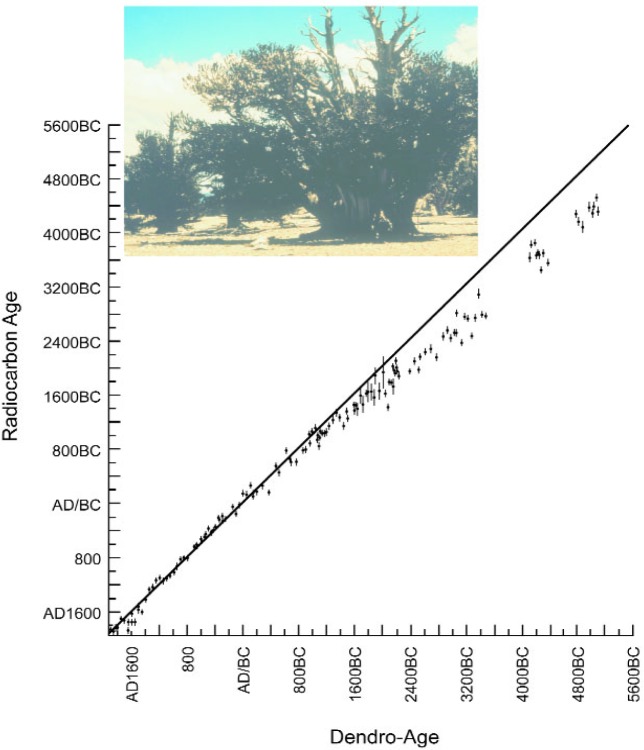
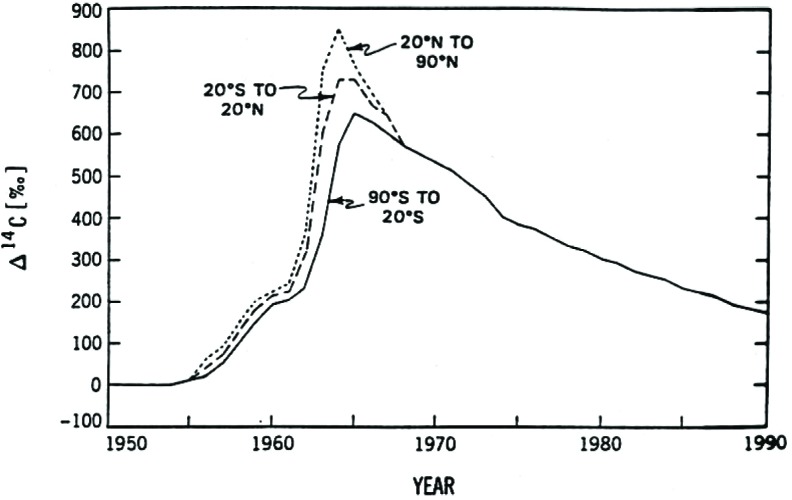
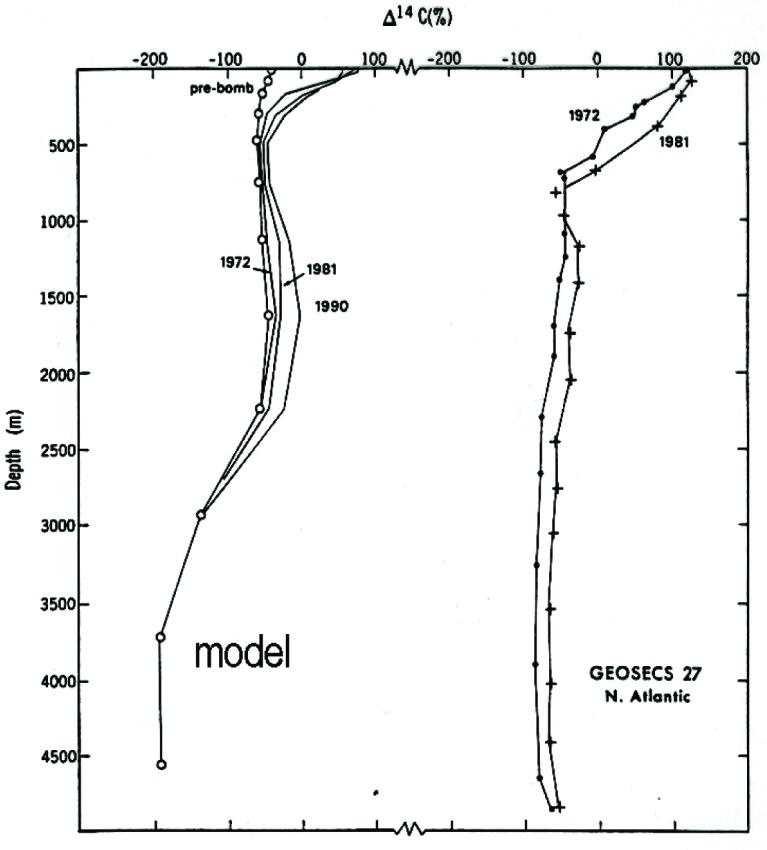
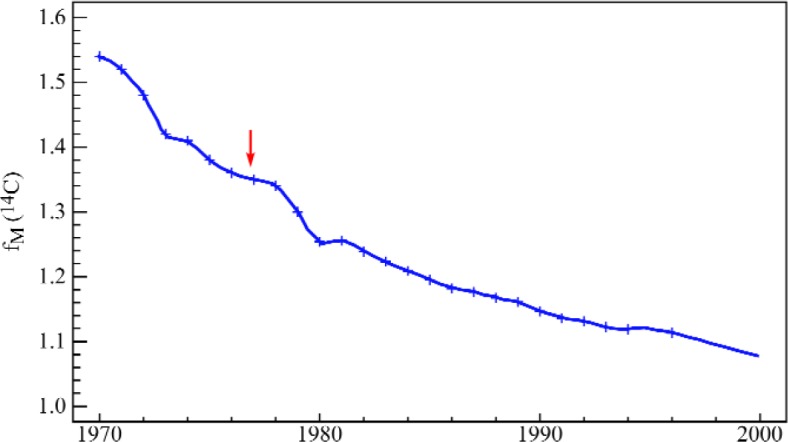
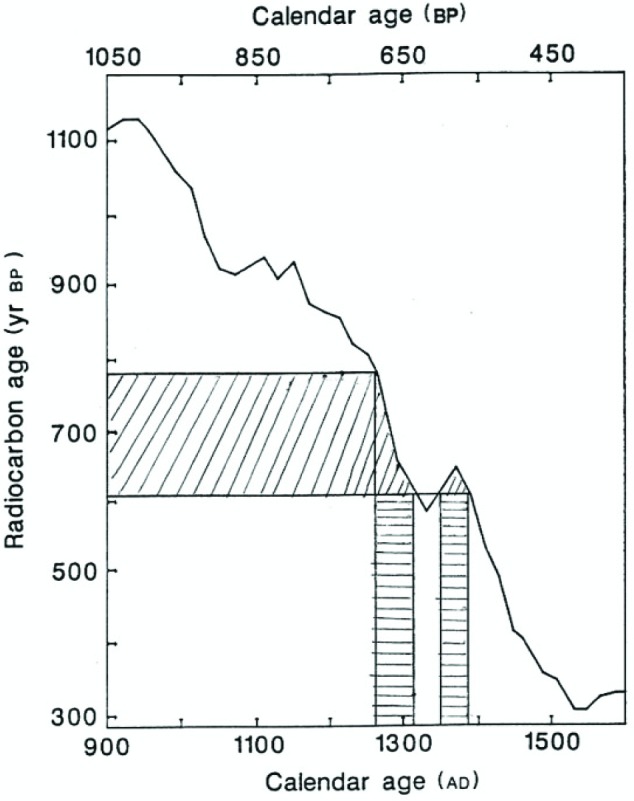
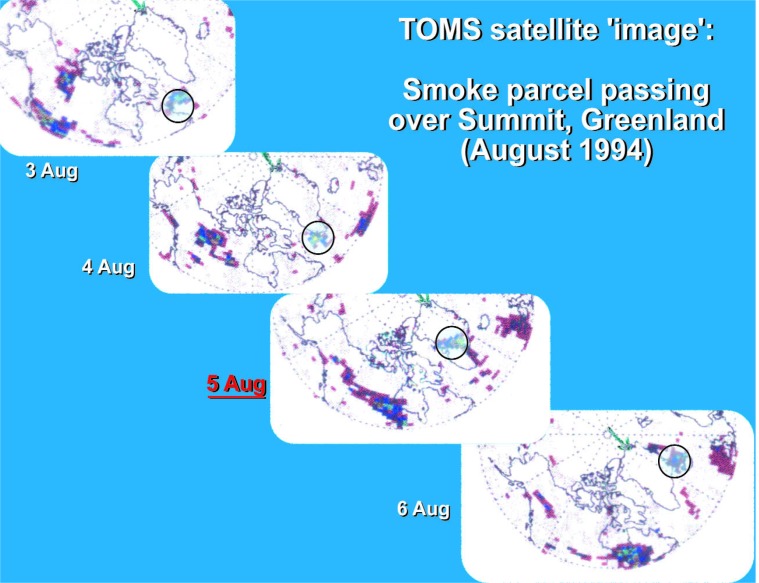
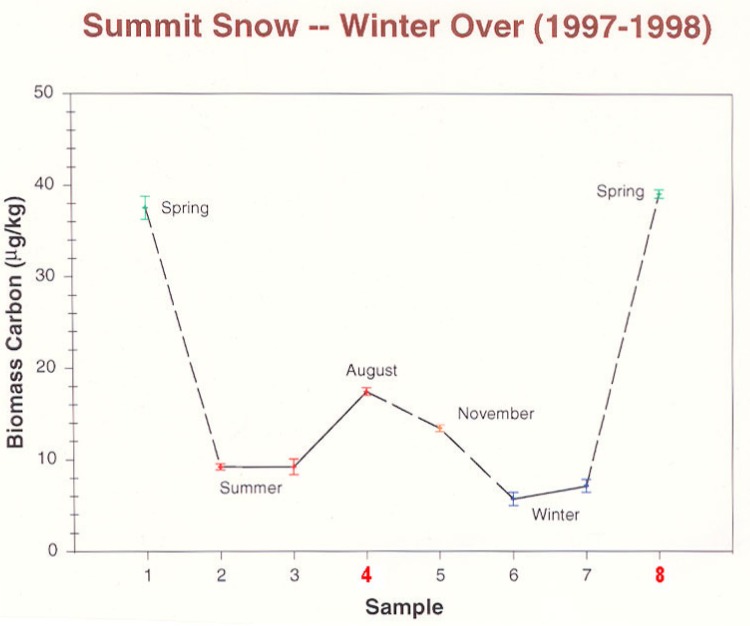
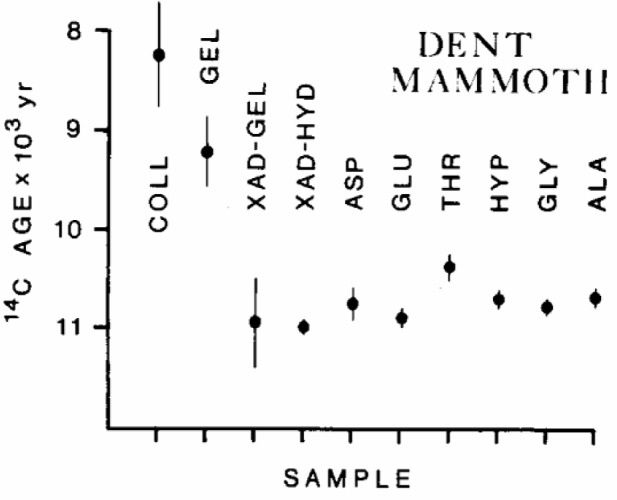
This article traces the metrological history of radiocarbon, from the initial breakthrough devised by Libby, to minor (evolutionary) and major (revolutionary) advances that have brought (14)C measurement from a crude, bulk [8 g carbon] dating tool, to a refined probe for dating tiny amounts of precious artifacts, and for "molecular dating" at the 10 µg to 100 µg level. The metrological advances led to opportunities and surprises, such as the non-monotonic dendrochronological calibration curve and the "bomb effect," that gave rise to new multidisciplinary areas of application, ranging from archaeology and anthropology to cosmic ray physics to oceanography to apportionment of anthropogenic pollutants to the reconstruction of environmental history. Beyond the specific topic of natural (14)C, it is hoped that this account may serve as a metaphor for young scientists, illustrating that just when a scientific discipline may appear to be approaching maturity, unanticipated metrological advances in their own chosen fields, and unanticipated anthropogenic or natural chemical events in the environment, can spawn new areas of research having exciting theoretical and practical implications.
本文追溯了放射性碳的计量历史,从利比最初的突破,到带来(14)C测量从一种粗糙的、大量[8克碳]测年工具,发展成为一种用于测定微量珍贵文物以及用于10微克至100微克水平“分子测年”的精细探测手段的次要(渐进式)和主要(变革式)进展。这些计量进展带来了机遇和惊喜,比如非单调的树木年代学校准曲线和“核弹效应”,它们催生了从考古学、人类学到宇宙射线物理学、海洋学、人为污染物分配以及环境历史重建等新的多学科应用领域。除了天然(14)C这个特定主题外,希望这个叙述能为年轻科学家提供一个隐喻,说明正当一门科学学科看似接近成熟时,其自身所选领域中意想不到的计量进展,以及环境中意想不到的人为或自然化学事件,能够催生具有令人兴奋的理论和实际意义的新研究领域。