1. Urologic Oncology Program and Uro-Oncology Research Laboratories, Samuel Oschin Comprehensive Cancer Institute, Cedars-Sinai Medical Center, Los Angeles, California, USA;
2. Department of Molecular and Medical Pharmacology, California NanoSystems Institute, Crump Institute for Molecular Imaging, University of California, Los Angeles, Los Angeles, California, USA;; 3. Department of Pathology, Guangdong Provincial Hospital of TCM, Guangzhou University of Chinese Medicine, Guangzhou, China.
Theranostics. 2016 Jun 15;6(9):1425-39. doi: 10.7150/thno.15359. eCollection 2016.
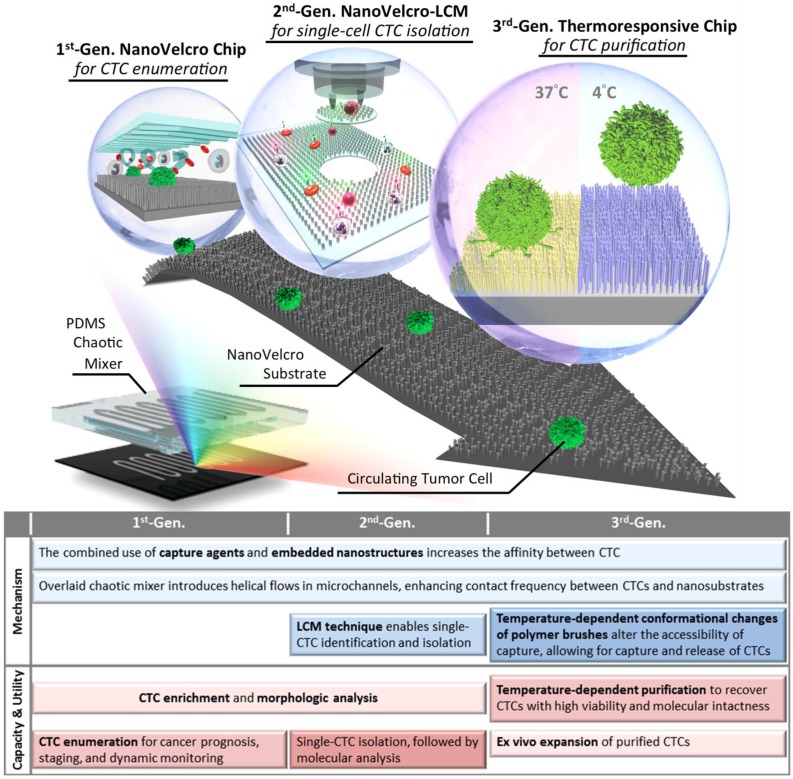
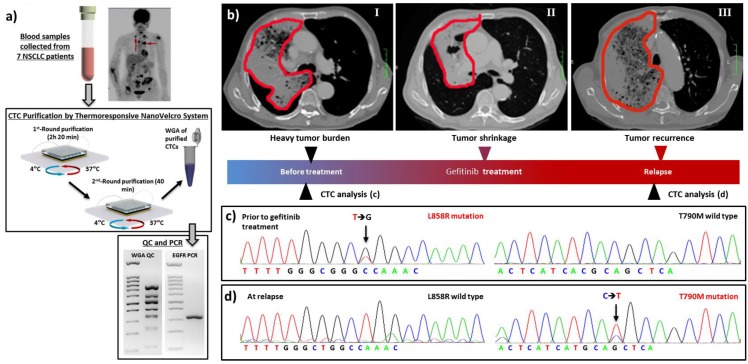
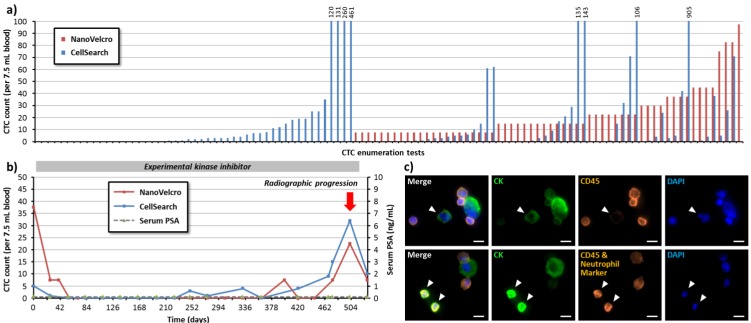
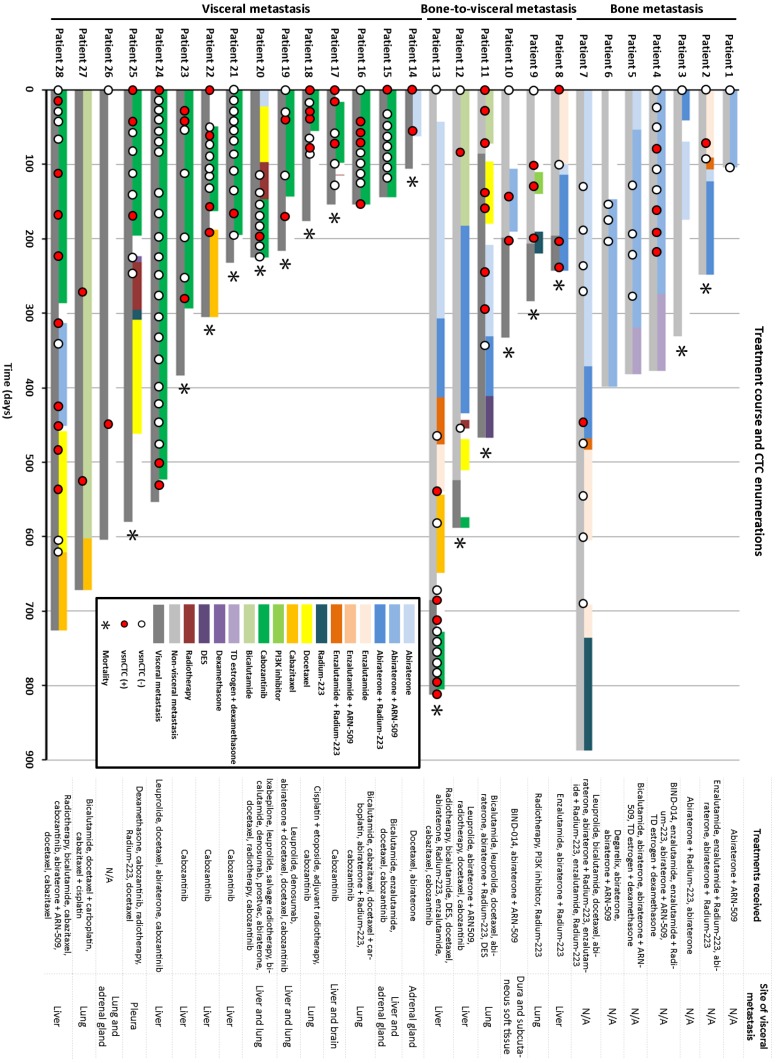
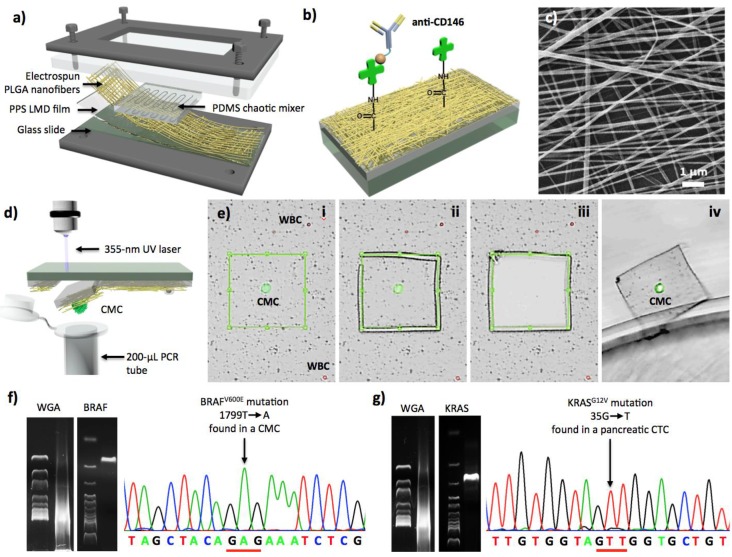
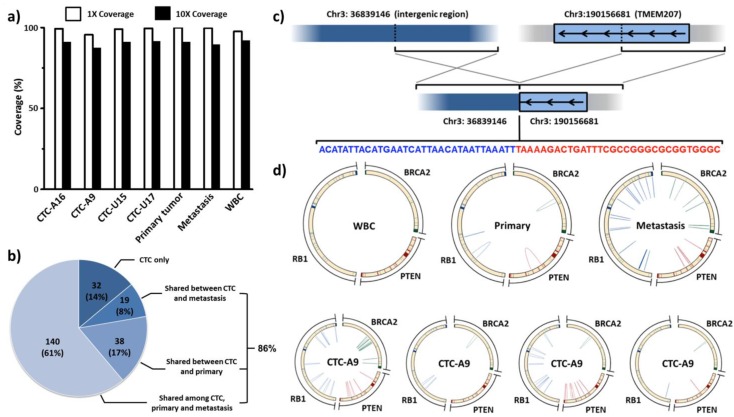
Liquid biopsy of tumor through isolation of circulating tumor cells (CTCs) allows non-invasive, repetitive, and systemic sampling of disease. Although detecting and enumerating CTCs is of prognostic significance in metastatic cancer, it is conceivable that performing molecular and functional characterization on CTCs will reveal unprecedented insight into the pathogenic mechanisms driving lethal disease. Nanomaterial-embedded cancer diagnostic platforms, i.e., NanoVelcro CTC Assays represent a unique rare-cell sorting method that enables detection isolation, and characterization of CTCs in peripheral blood, providing an opportunity to noninvasively monitor disease progression in individual cancer patients. Over the past decade, a series of NanoVelcro CTC Assays has been demonstrated for exploring the full potential of CTCs as a clinical biomarker, including CTC enumeration, phenotyping, genotyping and expression profiling. In this review article, the authors will briefly introduce the development of three generations of NanoVelcro CTC Assays, and highlight the clinical applications of each generation for various types of solid cancers, including prostate cancer, pancreatic cancer, lung cancer, and melanoma.
通过分离循环肿瘤细胞(CTC)进行肿瘤的液体活检,可实现对疾病的非侵入性、重复性和系统性采样。虽然在转移性癌症中检测和计数 CTC 具有预后意义,但可以想象,对 CTC 进行分子和功能特征分析将揭示驱动致命疾病的发病机制的前所未有的见解。纳米材料嵌入的癌症诊断平台,即 NanoVelcro CTC 检测,代表了一种独特的稀有细胞分选方法,可用于检测、分离和鉴定外周血中的 CTC,为个体癌症患者的疾病进展提供了非侵入性监测机会。在过去的十年中,一系列 NanoVelcro CTC 检测已被证明可充分挖掘 CTC 作为临床生物标志物的潜力,包括 CTC 计数、表型分析、基因分型和表达谱分析。在这篇综述文章中,作者将简要介绍三代 NanoVelcro CTC 检测的发展,并重点介绍每一代检测在各种实体瘤(包括前列腺癌、胰腺癌、肺癌和黑色素瘤)中的临床应用。