
体外和离体皮肤衰老模型评估甘氨酰甘氨酸油酰胺抗糖化和抗弹性蛋白酶MMP-12潜力的结果。
Results from in vitro and ex vivo skin aging models assessing the antiglycation and anti-elastase MMP-12 potential of glycylglycine oleamide.
作者信息
Bogdanowicz Patrick, Haure Marie-José, Ceruti Isabelle, Bessou-Touya Sandrine, Castex-Rizzi Nathalie
机构信息
Department of Pharmacology, Pierre Fabre Dermo-Cosmétique, Toulouse, France.
出版信息
Clin Cosmet Investig Dermatol. 2016 Jun 22;9:143-50. doi: 10.2147/CCID.S98633. eCollection 2016.
BACKGROUND
Glycation is an aging reaction of naturally occurring sugars with dermal proteins. Type I collagen and elastin are most affected by glycation during intrinsic chronological aging.
AIM
To study the in vitro and ex vivo assays in human skin cells and explants and the antiaging effects of glycylglycine oleamide (GGO).
MATERIALS AND METHODS
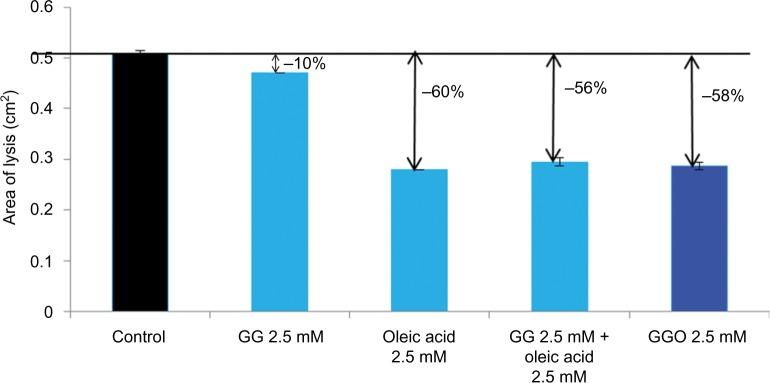
The antiglycation effect of GGO was assessed in a noncellular in vitro study on collagen and, ex vivo, by immunohistochemical staining on human skin explants (elastin network glycation). The ability of GGO to contract fibroblasts was assessed in a functional assay, and its anti-elastase (MMP-12) activity was compared to that of oleic acid alone, glycylglycine (GG) alone, and oleic acid associated with GG.
RESULTS
In vitro, GGO reduced the glycation of type I collagen. Ex vivo, GGO restored the expression of fibrillin-1 inhibited by glycation. Furthermore, GGO induced a tissue retraction of almost 30%. Moreover, the MMP-12 activity was inhibited by up to 60%.
CONCLUSION
Under the present in vitro and ex vivo conditions, GGO prevents glycation of the major structural proteins of the dermis, helping to reduce the risk of rigidification. By maintaining the elastic function of the skin, GGO may be a promising sparring partner for other topical antiaging agents.
背景
糖基化是天然存在的糖类与皮肤蛋白质发生的一种老化反应。在自然的生理性衰老过程中,I型胶原蛋白和弹性蛋白受糖基化影响最为显著。
目的
研究在人皮肤细胞和外植体中的体外及离体试验,以及甘氨酰甘氨酸油酰胺(GGO)的抗老化作用。
材料与方法
在一项关于胶原蛋白的非细胞体外研究中评估GGO的抗糖基化作用,并通过对人皮肤外植体进行免疫组化染色(弹性蛋白网络糖基化)进行离体研究。在一项功能试验中评估GGO使成纤维细胞收缩的能力,并将其抗弹性蛋白酶(MMP - 12)活性与单独的油酸、单独的甘氨酰甘氨酸(GG)以及与GG结合的油酸进行比较。
结果
在体外,GGO减少了I型胶原蛋白的糖基化。在离体条件下,GGO恢复了受糖基化抑制的原纤维蛋白-1的表达。此外,GGO诱导了近30%的组织收缩。而且,MMP - 12活性被抑制高达60%。
结论
在目前的体外和离体条件下,GGO可防止真皮主要结构蛋白的糖基化,有助于降低僵化风险。通过维持皮肤的弹性功能,GGO可能是其他局部抗老化剂的一个有前景的搭档。


 Zotero 插件