Sandoval-Palomares José de Jesús, Yáñez-Mendiola Javier, Gómez-Espinosa Alfonso, López-Vela José Martin
CIATEC A.C, Omega 201, Industrial Delta, 37545 León, Gto., Mexico.
Tecnologico de Monterrey, Campus Querétaro, Epigmenio González #500, Fracc. San Pablo 76130, Querétaro, Qro., Mexico.
Sensors (Basel). 2016 Jul 8;16(7):1059. doi: 10.3390/s16071059.
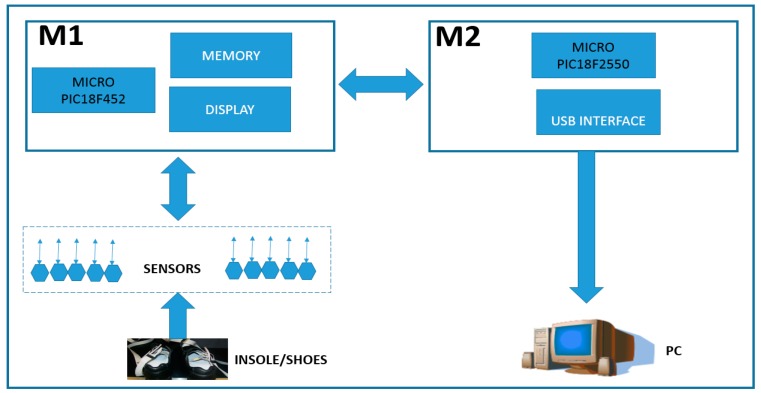
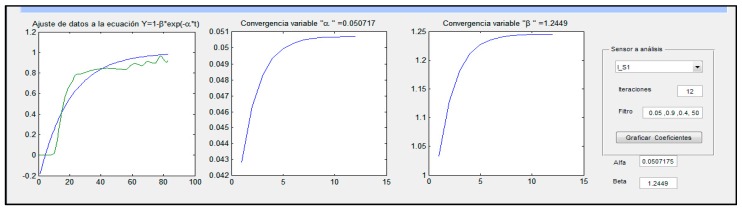
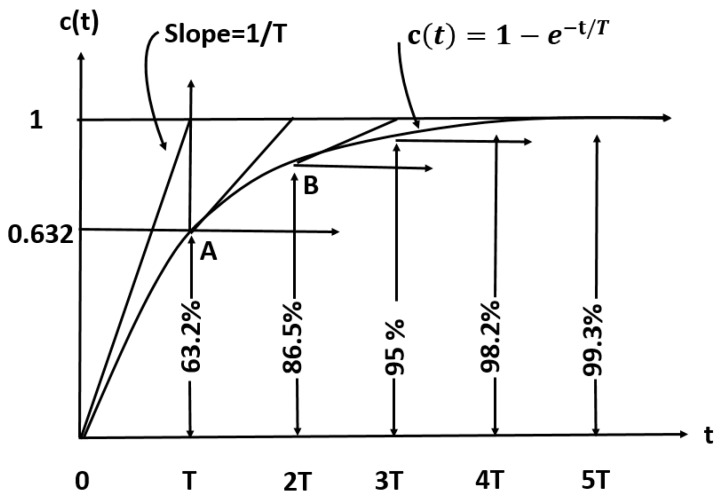
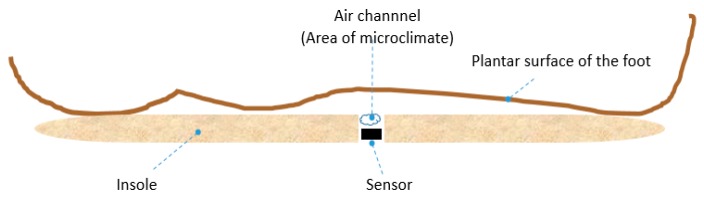
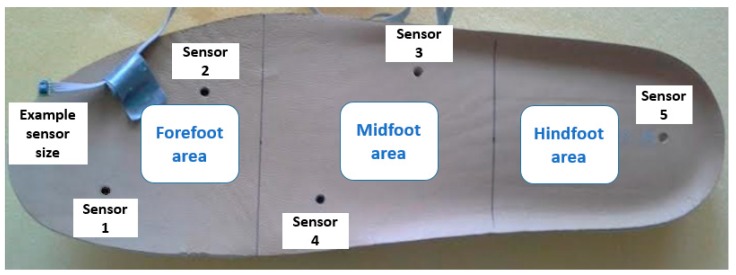
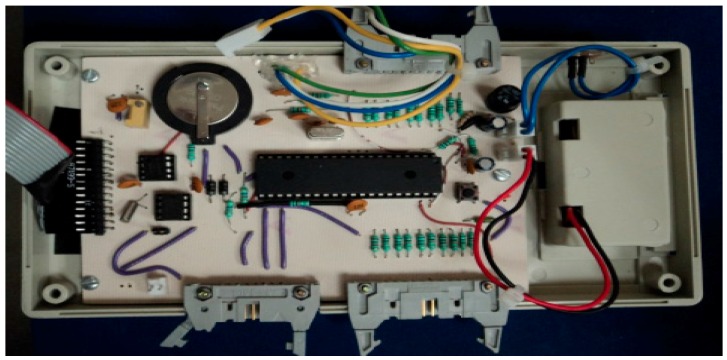
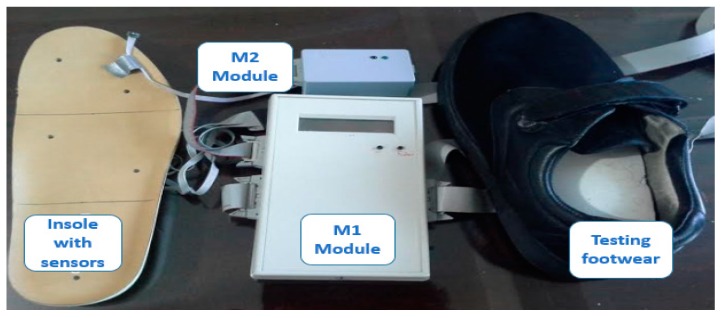
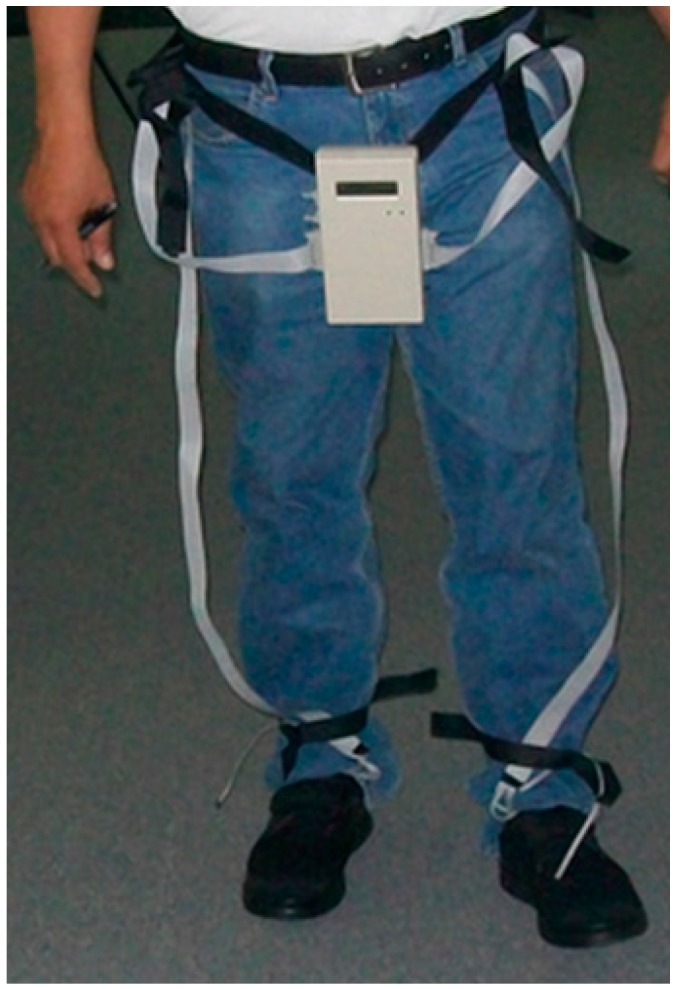
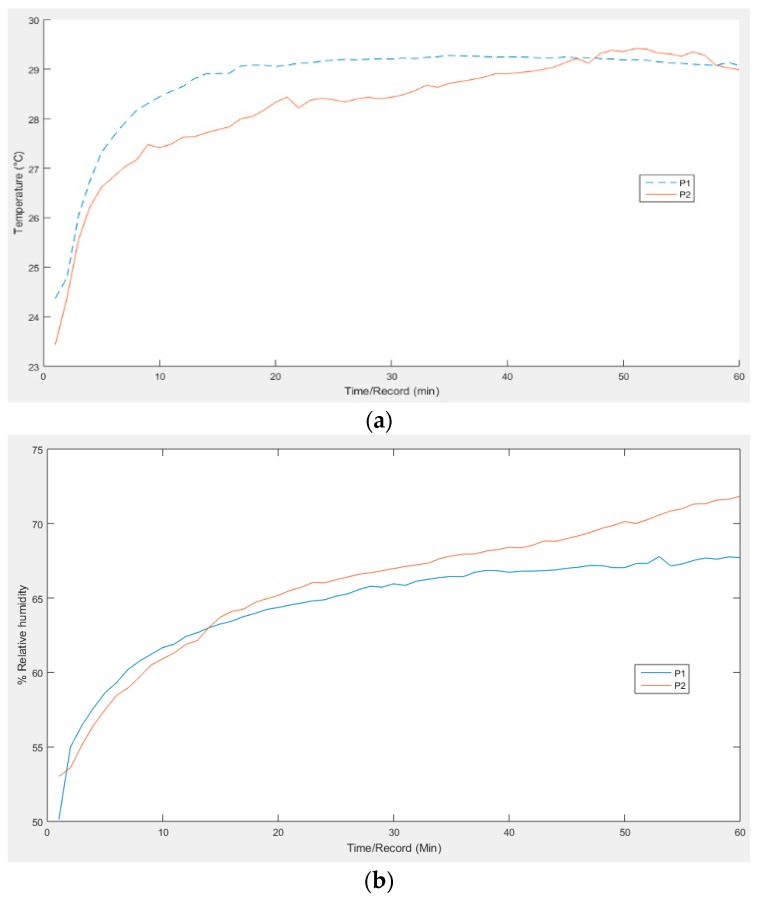
A new, continuously-monitoring portable device that monitors the diabetic foot has shown to help in reduction of diabetic foot complications. Persons affected by diabetic foot have shown to be particularly sensitive in the plantar surface; this sensitivity coupled with certain ambient conditions may cause dry skin. This dry skin leads to the formation of fissures that may eventually result in a foot ulceration and subsequent hospitalization. This new device monitors the micro-climate temperature and humidity areas between the insole and sole of the footwear. The monitoring system consists of an array of ten sensors that take readings of relative humidity within the range of 100% ± 2% and temperature within the range of -40 °C to 123.8 ± 0.3 °C. Continuous data is collected using embedded C software and the recorded data is processed in Matlab. This allows for the display of data; the implementation of the iterative Gauss-Newton algorithm method was used to display an exponential response curve. Therefore, the aim of our system is to obtain feedback data and provide the critical information to various footwear manufacturers. The footwear manufactures will utilize this critical information to design and manufacture diabetic footwear that reduce the risk of ulcers in diabetic feet.
一种新型的、可连续监测的便携式糖尿病足监测设备已被证明有助于减少糖尿病足并发症。患有糖尿病足的人在足底表面表现得特别敏感;这种敏感性加上某些环境条件可能会导致皮肤干燥。这种皮肤干燥会导致裂缝形成,最终可能导致足部溃疡并随后住院。这种新设备可监测鞋垫和鞋底之间的微气候温度和湿度区域。监测系统由十个传感器组成的阵列构成,这些传感器可读取相对湿度在100%±2%范围内以及温度在-40°C至123.8±0.3°C范围内的数据。使用嵌入式C软件收集连续数据,并在Matlab中对记录的数据进行处理。这使得数据能够显示出来;采用迭代高斯-牛顿算法方法来显示指数响应曲线。因此,我们系统的目的是获取反馈数据并向各类鞋类制造商提供关键信息。鞋类制造商将利用这些关键信息来设计和制造可降低糖尿病足溃疡风险的糖尿病鞋。