Breshears Laura M, Gillman Aaron N, Stach Christopher S, Schlievert Patrick M, Peterson Marnie L
University of Minnesota, College of Pharmacy, Department of Experimental and Clinical Pharmacology, Minneapolis, Minnesota, United States of America.
University of Minnesota, College of Biological Sciences, Biotechnology Institute, Minneapolis, Minnesota, United States of America.
PLoS One. 2016 Jul 14;11(7):e0158969. doi: 10.1371/journal.pone.0158969. eCollection 2016.
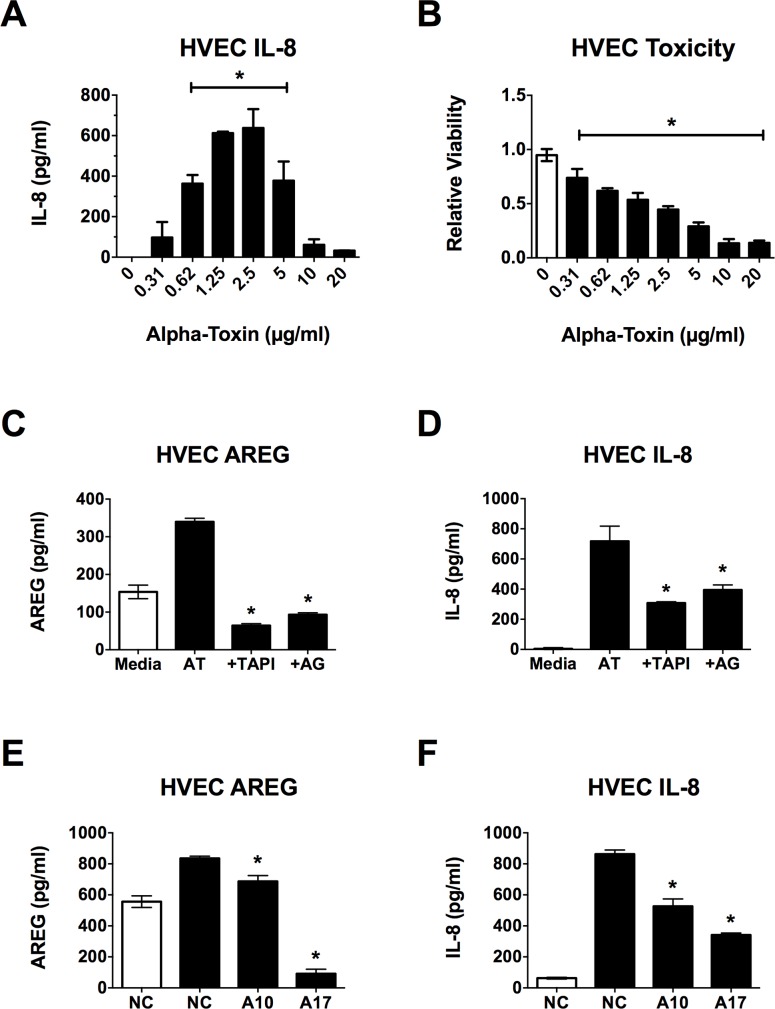
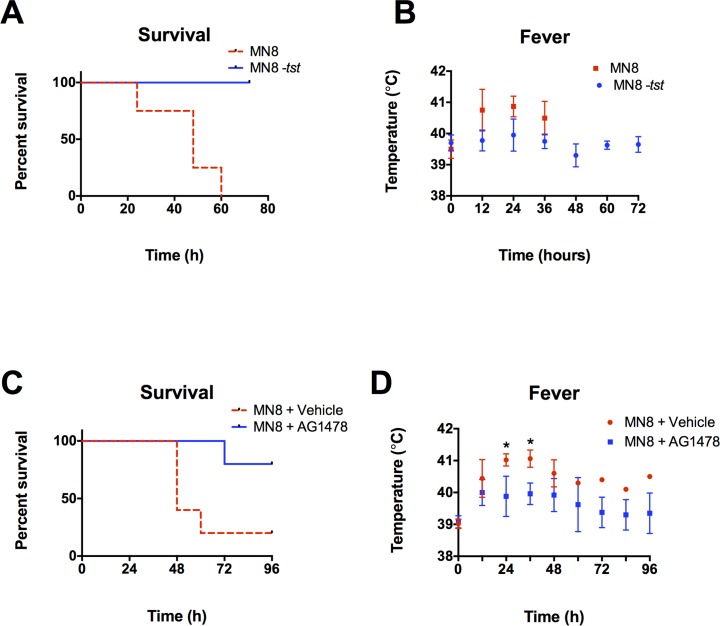
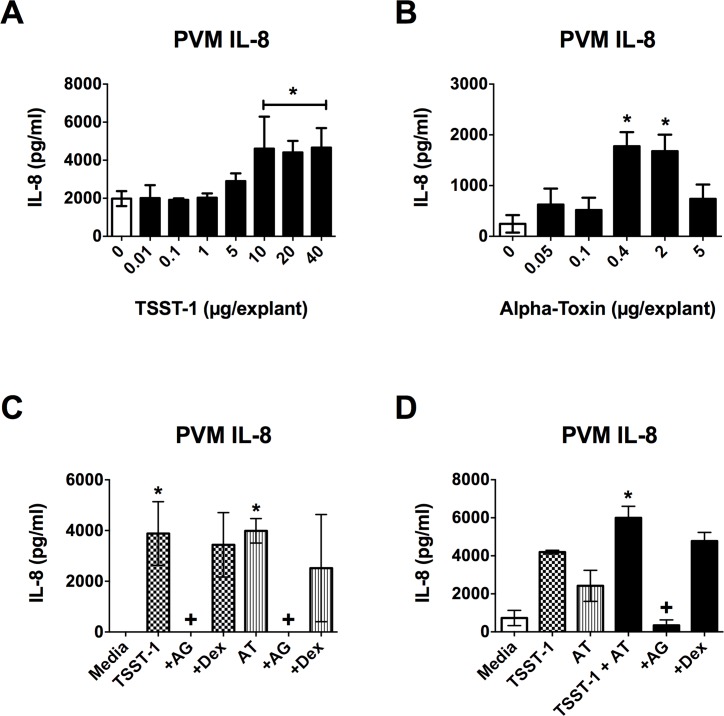
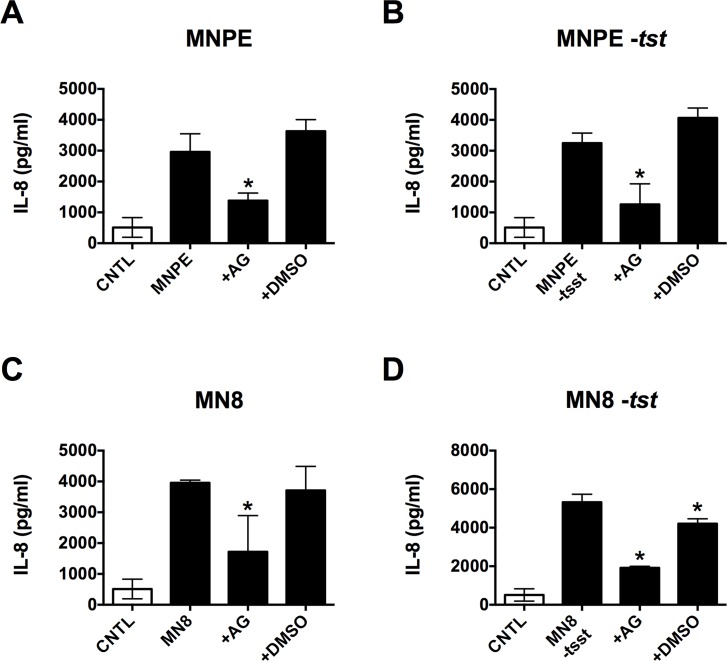
Secreted factors of Staphylococcus aureus can activate host signaling from the epidermal growth factor receptor (EGFR). The superantigen toxic shock syndrome toxin-1 (TSST-1) contributes to mucosal cytokine production through a disintegrin and metalloproteinase (ADAM)-mediated shedding of EGFR ligands and subsequent EGFR activation. The secreted hemolysin, α-toxin, can also induce EGFR signaling and directly interacts with ADAM10, a sheddase of EGFR ligands. The current work explores the role of EGFR signaling in menstrual toxic shock syndrome (mTSS), a disease mediated by TSST-1. The data presented show that TSST-1 and α-toxin induce ADAM- and EGFR-dependent cytokine production from human vaginal epithelial cells. TSST-1 and α-toxin also induce cytokine production from an ex vivo porcine vaginal mucosa (PVM) model. EGFR signaling is responsible for the majority of IL-8 production from PVM in response to secreted toxins and live S. aureus. Finally, data are presented demonstrating that inhibition of EGFR signaling with the EGFR-specific tyrosine kinase inhibitor AG1478 significantly increases survival in a rabbit model of mTSS. These data indicate that EGFR signaling is critical for progression of an S. aureus exotoxin-mediated disease and may represent an attractive host target for therapeutics.
金黄色葡萄球菌的分泌因子可激活来自表皮生长因子受体(EGFR)的宿主信号传导。超抗原中毒性休克综合征毒素-1(TSST-1)通过一种去整合素和金属蛋白酶(ADAM)介导的EGFR配体脱落及随后的EGFR激活,促进黏膜细胞因子的产生。分泌的溶血素α-毒素也可诱导EGFR信号传导,并直接与EGFR配体的裂解酶ADAM10相互作用。当前的研究探讨了EGFR信号传导在月经中毒性休克综合征(mTSS)中的作用,mTSS是一种由TSST-1介导的疾病。所呈现的数据表明,TSST-1和α-毒素可诱导人阴道上皮细胞产生ADAM和EGFR依赖性细胞因子。TSST-1和α-毒素还可诱导离体猪阴道黏膜(PVM)模型产生细胞因子。EGFR信号传导负责PVM对分泌毒素和活的金黄色葡萄球菌产生的大部分IL-8。最后,所呈现的数据表明,用EGFR特异性酪氨酸激酶抑制剂AG1478抑制EGFR信号传导可显著提高mTSS兔模型的存活率。这些数据表明,EGFR信号传导对于金黄色葡萄球菌外毒素介导的疾病进展至关重要,可能是一个有吸引力的治疗宿主靶点。