Gillman Aaron N, Breshears Laura M, Kistler Charles K, Finnegan Patrick M, Torres Victor J, Schlievert Patrick M, Peterson Marnie L
Department of Pharmacy, University of Tromsø, Tromsø 9019, Troms, Norway.
Department of Experimental and Clinical Pharmacology, University of Minnesota, Minneapolis, MN 55455, USA.
Toxins (Basel). 2017 Jun 28;9(7):202. doi: 10.3390/toxins9070202.
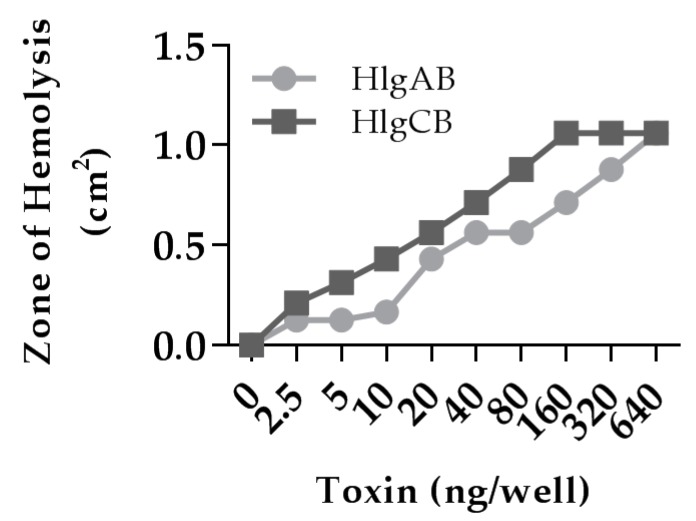
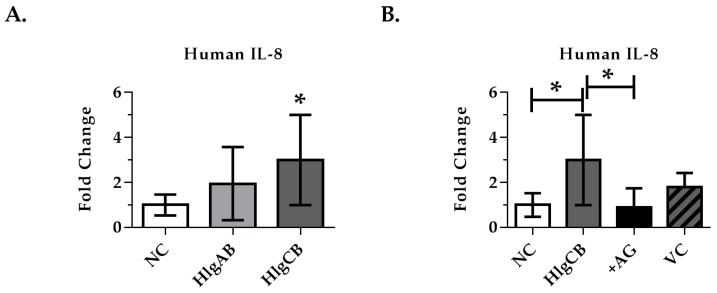
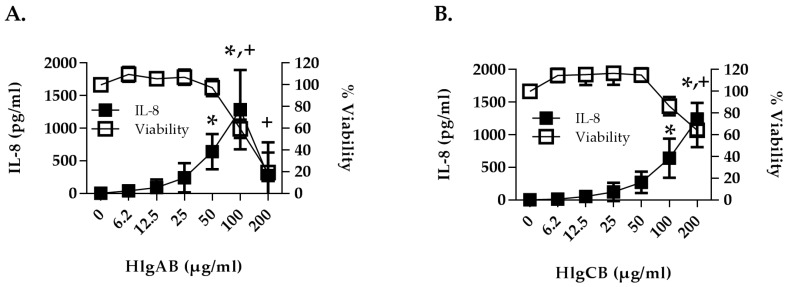
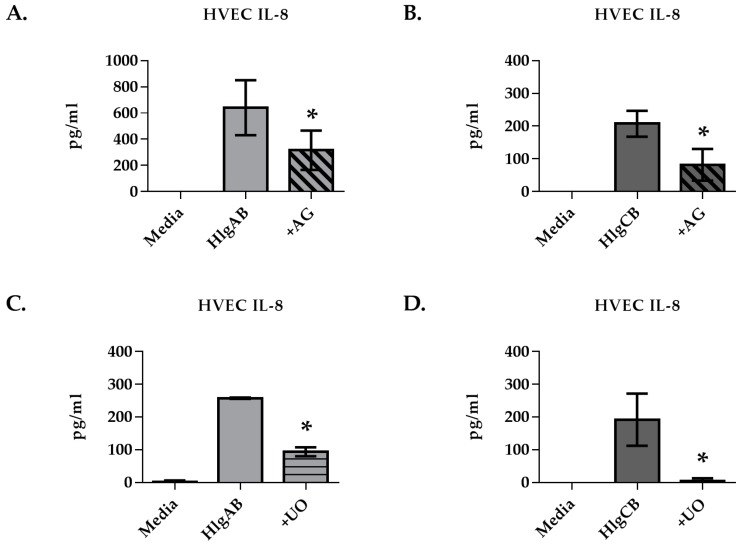
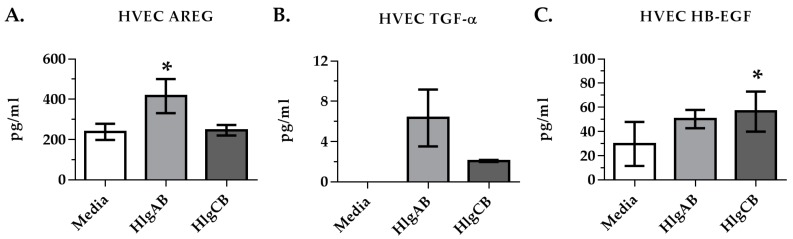
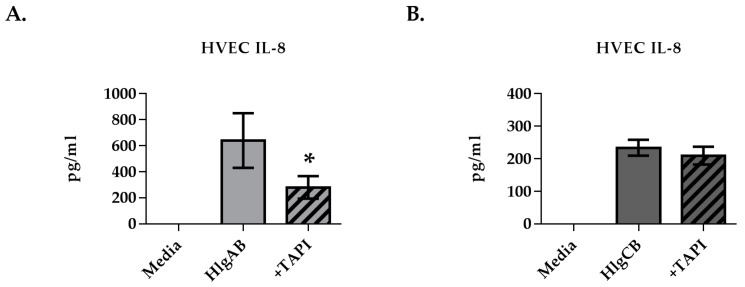
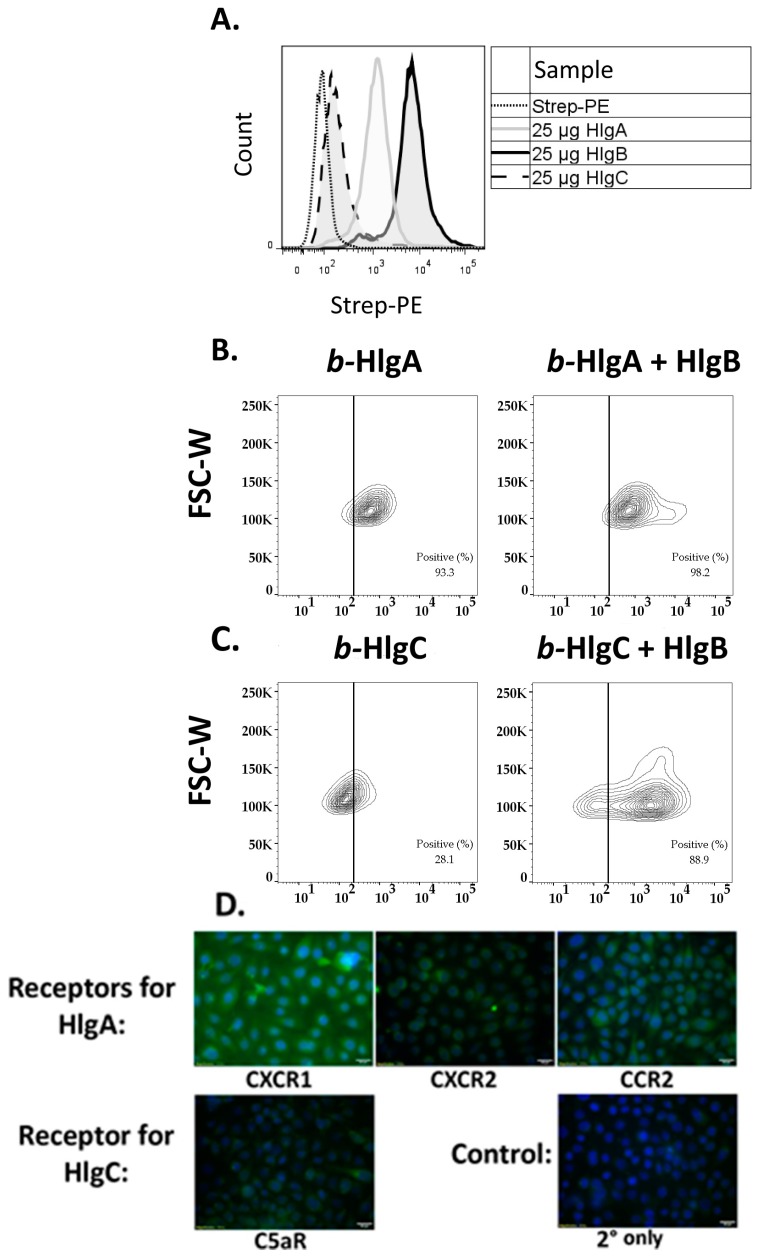
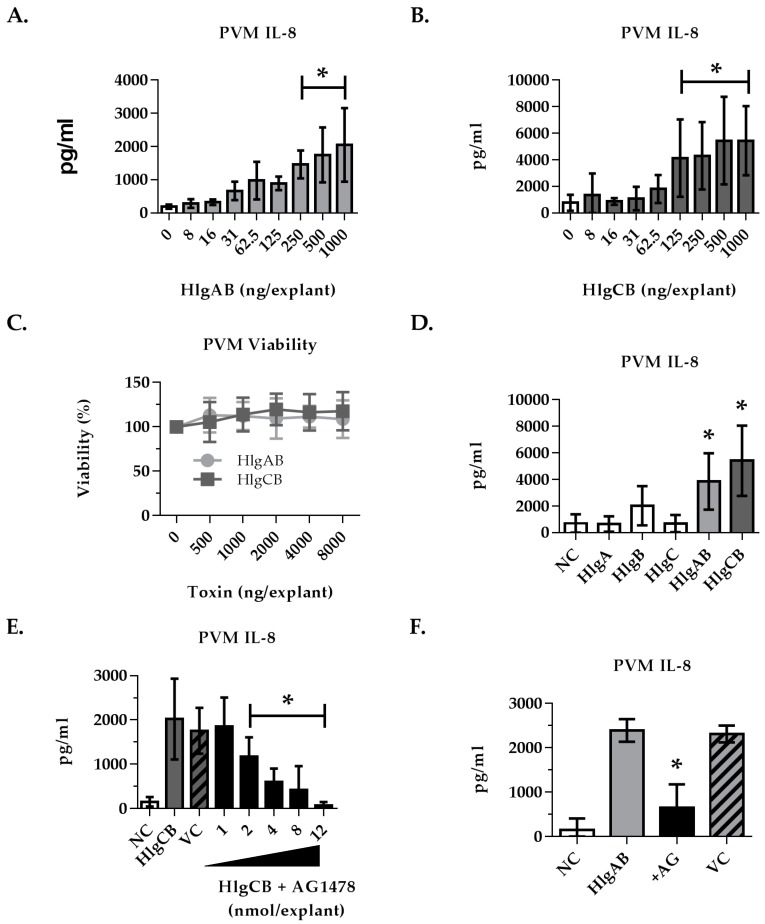
() produces many different exotoxins including the gamma-toxins, HlgAB and HlgCB. Gamma-toxins form pores in both leukocyte and erythrocyte membranes, resulting in cell lysis. The genes encoding gamma-toxins are present in most strains of and are commonly expressed in clinical isolates recovered from menstrual Toxic Shock Syndrome (mTSS) patients. This study set out to investigate the cytotoxic and proinflammatory effects of gamma-toxins on vaginal epithelial surfaces. We found that both HlgAB and HlgCB were cytotoxic to cultured human vaginal epithelial cells (HVECs) and induced cytokine production at sub-cytotoxic doses. Cytokine production induced by gamma-toxin treatment of HVECs was found to involve epidermal growth factor receptor (EGFR) signaling and mediated by shedding of EGFR ligands from the cell surface. The gamma-toxin subunits displayed differential binding to HVECs (HlgA 93%, HlgB 97% and HlgC 28%) with both components (HlgAB or HlgCB) required for maximum detectable binding and significant stimulation of cytokine production. In studies using full thickness ex vivo porcine vaginal mucosa, HlgAB or HlgCB stimulated a dose-dependent cytokine response, which was reduced significantly by inhibition of EGFR signaling. The effects of gamma-toxins on porcine vaginal tissue and cultured HVECs were validated using ex vivo human ectocervical tissue. Collectively, these studies have identified the EGFR-signaling pathway as a key component in gamma-toxin-induced proinflammatory changes at epithelial surfaces and highlight a potential therapeutic target to diminish toxigenic effects of infections.
()产生许多不同的外毒素,包括γ毒素、HlgAB和HlgCB。γ毒素在白细胞和红细胞膜上形成孔道,导致细胞裂解。编码γ毒素的基因存在于大多数()菌株中,并且在从月经性中毒性休克综合征(mTSS)患者中分离出的临床菌株中通常会表达。本研究旨在调查γ毒素对阴道上皮表面的细胞毒性和促炎作用。我们发现HlgAB和HlgCB对培养的人阴道上皮细胞(HVECs)均具有细胞毒性,并在亚细胞毒性剂量下诱导细胞因子产生。发现γ毒素处理HVECs诱导的细胞因子产生涉及表皮生长因子受体(EGFR)信号传导,并由细胞表面EGFR配体的脱落介导。γ毒素亚基与HVECs表现出不同的结合(HlgA为93%,HlgB为97%,HlgC为28%),最大可检测结合和细胞因子产生的显著刺激需要两种成分(HlgAB或HlgCB)。在使用全层离体猪阴道黏膜的研究中,HlgAB或HlgCB刺激了剂量依赖性细胞因子反应,EGFR信号传导的抑制可显著降低该反应。使用离体人宫颈组织验证了γ毒素对猪阴道组织和培养的HVECs的作用。总体而言,这些研究已确定EGFR信号通路是γ毒素诱导上皮表面促炎变化的关键组成部分,并突出了一个潜在的治疗靶点,以减轻()感染的产毒作用。