Tandon Pooja S, Tovar Alison, Jayasuriya Avanthi T, Welker Emily, Schober Daniel J, Copeland Kristen, Dev Dipti A, Murriel Ashleigh L, Amso Dima, Ward Dianne S
Seattle Children's Research Institute, M/S CW-8, PO Box 5371, Seattle, WA 98145, United States; University of Washington, Seattle, WA, United States.
The University of Rhode Island, Department of Nutrition and Food Sciences, Kingston RI, Fogarty, Rm. 143c, Kingston, RI 02881, United States.
Prev Med Rep. 2016 Apr 22;3:379-90. doi: 10.1016/j.pmedr.2016.04.003. eCollection 2016 Jun.
Given the high prevalence of suboptimal nutrition and low activity levels in children, we systematically reviewed the literature on the relationship between physical activity and dietary patterns and cognitive development in early childhood (six months to five years).
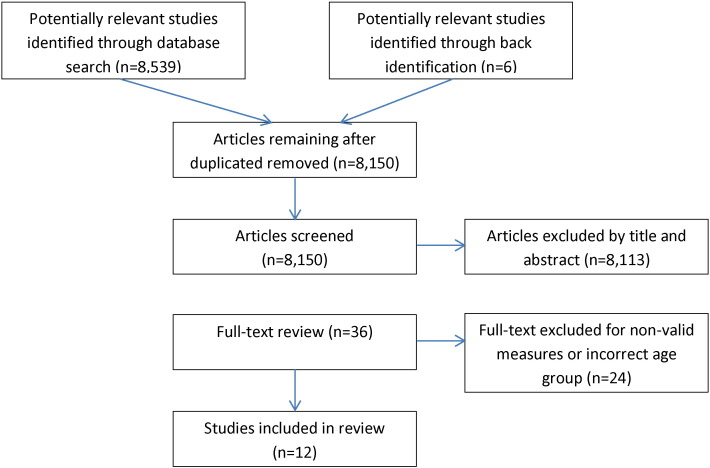
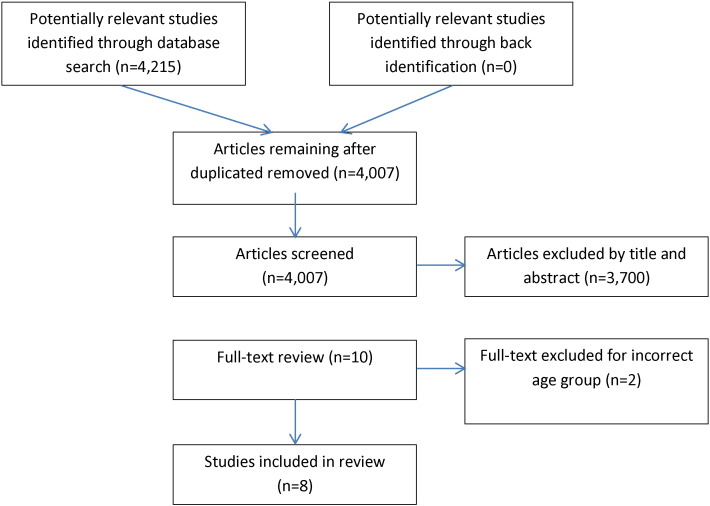
In February 2016, we conducted two different searches of MEDLINE, PsycINFO, and ERIC. Each search included either physical activity (including gross motor skills) or diet terms, and neurocognitive development outcome terms. Included studies were in English, published since 2005, and of any study design in which the physical activity or diet measure occurred prior to age five.
For physical activity, twelve studies (5 cross-sectional, 3 longitudinal and 4 experimental) were included. Eleven studies reported evidence suggesting that physical activity or gross motor skills are related to cognition or learning. Both acute bouts and longer term exposures showed benefit. For diet, eight studies were included consisting of secondary analyses from longitudinal cohort studies. A healthier dietary pattern was associated with better cognitive outcomes in all studies, although some of the reported associations were weak and the measures used varied across the studies.
Physical activity and healthy diets in early childhood are associated with better cognitive outcomes in young children. The paucity of literature and the variability in the type and quality of measures used highlight the need for more rigorous research. Given that the early childhood years are critical for both obesity prevention and neurocognitive development, evidence that the same healthy behaviors could promote both should inform future interventions.
鉴于儿童营养状况欠佳和活动水平较低的情况普遍存在,我们系统回顾了关于幼儿期(6个月至5岁)身体活动与饮食模式及认知发展之间关系的文献。
2016年2月,我们对MEDLINE、PsycINFO和ERIC进行了两次不同的检索。每次检索都包括身体活动(包括大运动技能)或饮食术语以及神经认知发展结果术语。纳入的研究为英文,自2005年以来发表,且为任何研究设计,其中身体活动或饮食测量在5岁之前进行。
对于身体活动,纳入了12项研究(5项横断面研究、3项纵向研究和4项实验研究)。11项研究报告了证据,表明身体活动或大运动技能与认知或学习有关。急性发作和长期暴露均显示出益处。对于饮食,纳入了8项研究,包括纵向队列研究的二次分析。在所有研究中,更健康的饮食模式与更好的认知结果相关,尽管一些报告的关联较弱,且各研究使用的测量方法各不相同。
幼儿期的身体活动和健康饮食与幼儿更好的认知结果相关。文献的匮乏以及所使用测量方法的类型和质量的差异突出了进行更严格研究的必要性。鉴于幼儿期对预防肥胖和神经认知发展都至关重要,有证据表明相同的健康行为可同时促进这两方面,这应为未来的干预措施提供参考。