Department of Biotechnological and Applied Clinical Sciences, University of L'Aquila, via Vetoio - Coppito 2, 67100 L' Aquila, Italy.
Vascular Biology Laboratory, Anna University K.B. Chandrashekar Research Centre, Chrompet. Chennai (Madras), 600 044, Chennai, India.
Sci Rep. 2016 Jul 19;6:29880. doi: 10.1038/srep29880.
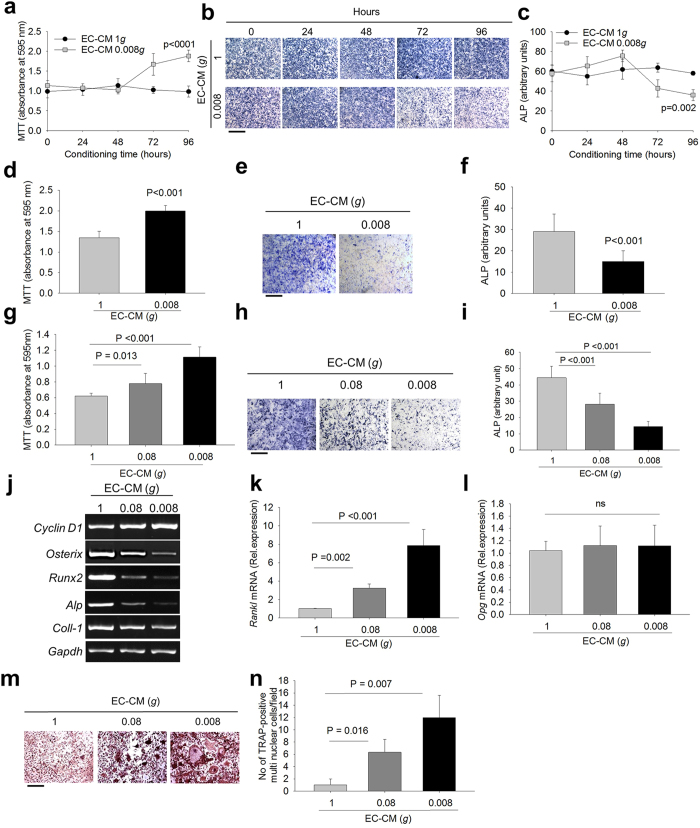
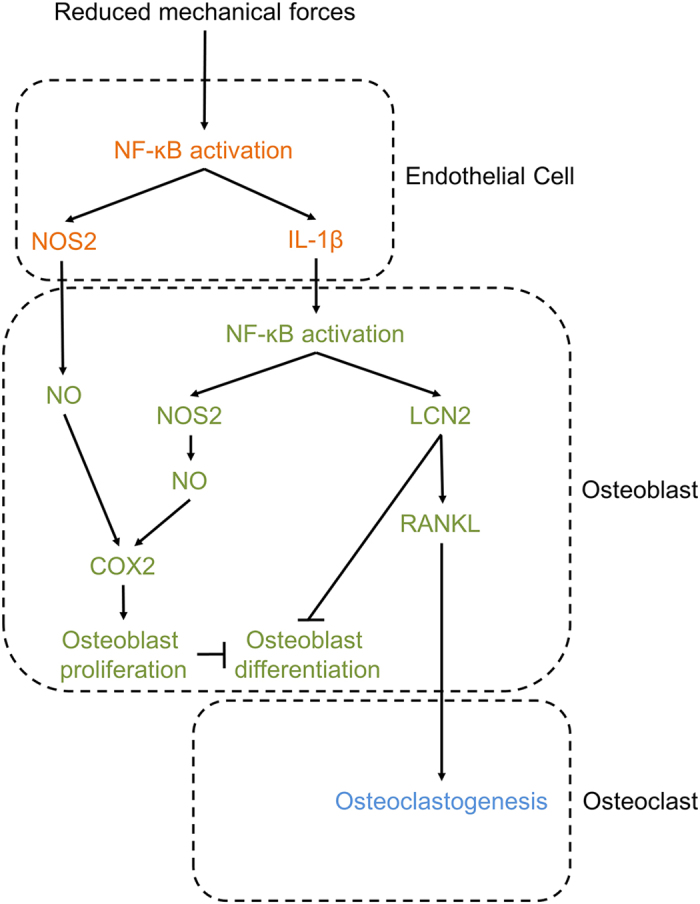
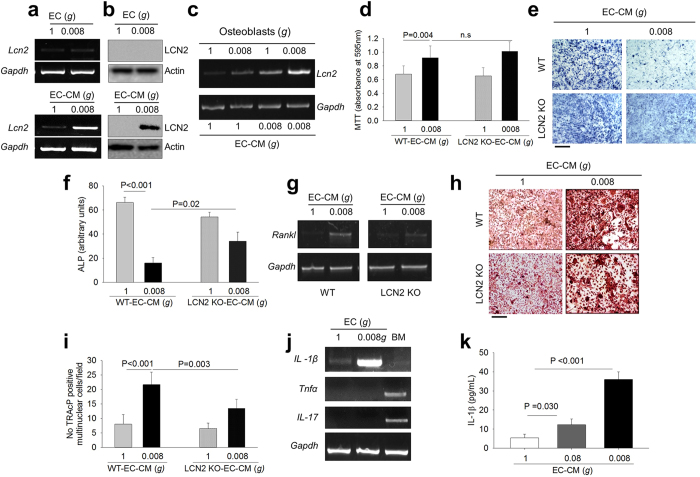
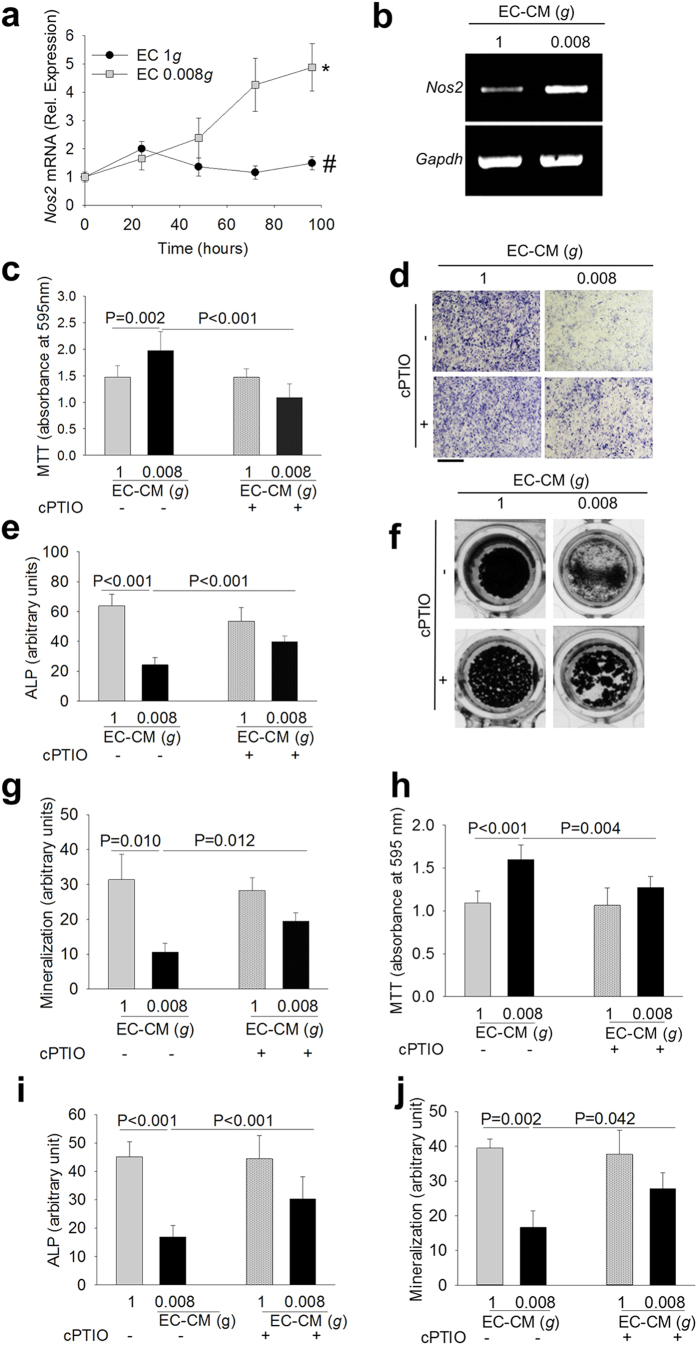
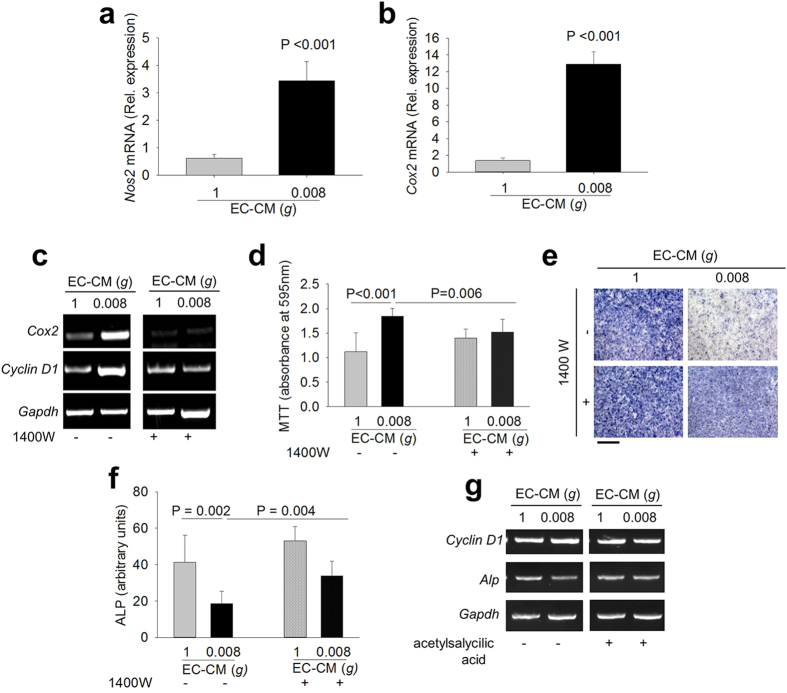
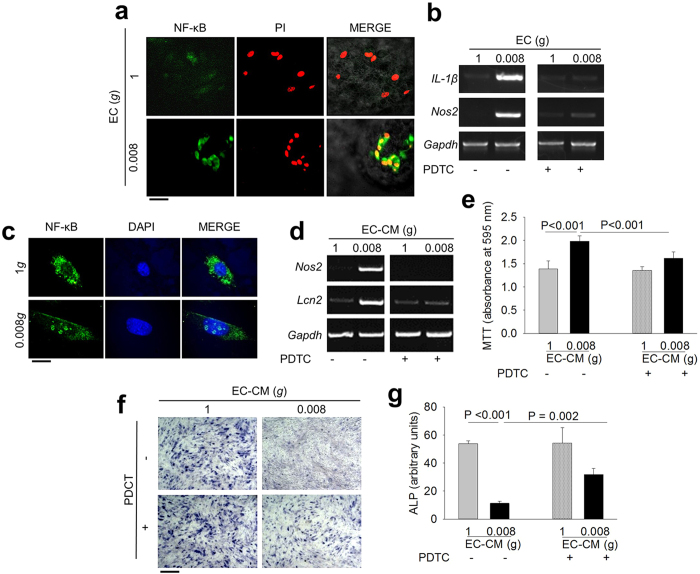
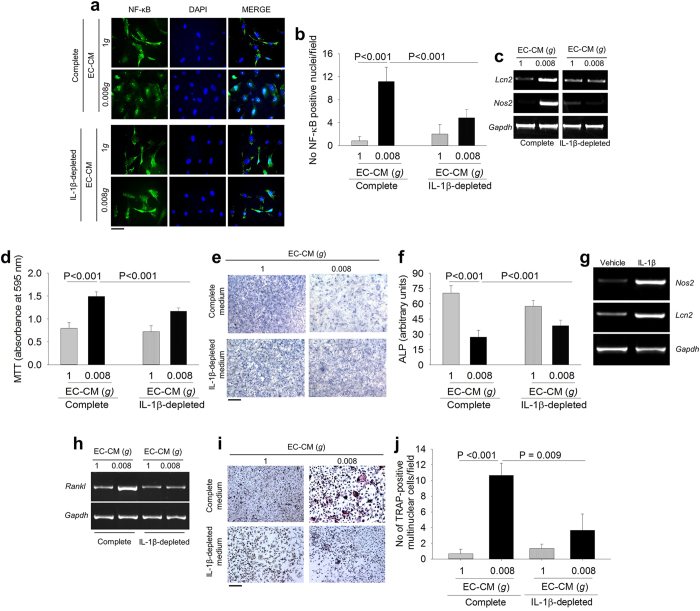
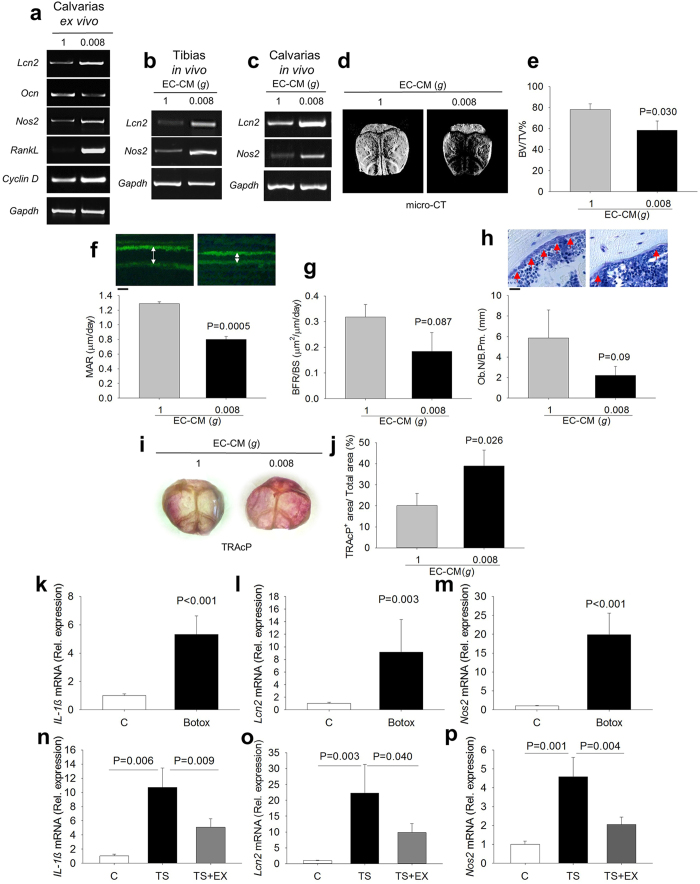
Endothelial cells are spatially close to osteoblasts and regulate osteogenesis. Moreover, they are sensitive to mechanical stimuli, therefore we hypothesized that they are implicated in the regulation of bone metabolism during unloading. Conditioned media from endothelial cells (EC-CM) subjected to simulated microgravity (0.08g and 0.008g) increased osteoblast proliferation and decreased their differentiation compared to unit gravity (1g) EC-CM. Microgravity-EC-CM increased the expression of osteoblast Rankl and subsequent osteoclastogenesis, and induced the osteoblast de-differentiating factor, Lipocalin 2 (Lcn2), whose downregulation recovered osteoblast activity, decreased Rankl expression and reduced osteoclastogenesis. Microgravity-EC-CM enhanced osteoblast NO-Synthase2 (NOS2) and CycloOXygenase2 (COX2) expression. Inhibition of NOS2 or NO signaling reduced osteoblast proliferation and rescued their differentiation. Nuclear translocation of the Lcn2/NOS2 transcription factor, NF-κB, occurred in microgravity-EC-CM-treated osteoblasts and in microgravity-treated endothelial cells, alongside high expression of the NF-κB activator, IL-1β. IL-1β depletion and NF-κB inhibition reduced osteoblast proliferation and rescued differentiation. Lcn2 and NOS2 were incremented in ex vivo calvarias cultured in microgravity-EC-CM, and in vivo tibias and calvarias injected with microgravity-EC-CM. Furthermore, tibias of botulin A toxin-treated and tail-suspended mice, which featured unloading and decreased bone mass, showed higher expression of IL-1β, Lcn2 and Nos2, suggesting their pathophysiologic involvement in endothelial cell-osteoblast crosstalk.
内皮细胞在空间上与成骨细胞接近,并调节成骨作用。此外,它们对机械刺激敏感,因此我们假设它们参与了在失重情况下骨代谢的调节。与 1g 单位重力的内皮细胞条件培养基 (EC-CM) 相比,模拟微重力 (0.08g 和 0.008g) 下的内皮细胞条件培养基 (EC-CM) 增加了成骨细胞的增殖,减少了其分化。微重力-EC-CM 增加了成骨细胞 Rankl 的表达和随后的破骨细胞生成,并诱导了成骨细胞去分化因子脂钙素 2 (Lcn2),其下调恢复了成骨细胞活性,降低了 Rankl 表达并减少了破骨细胞生成。微重力-EC-CM 增强了成骨细胞一氧化氮合酶 2 (NOS2) 和环氧化酶 2 (COX2) 的表达。NOS2 或 NO 信号的抑制减少了成骨细胞的增殖并挽救了其分化。Lcn2/NOS2 转录因子 NF-κB 的核易位发生在微重力-EC-CM 处理的成骨细胞和微重力处理的内皮细胞中,同时伴有 NF-κB 激活物白细胞介素 1β (IL-1β) 的高表达。IL-1β 耗竭和 NF-κB 抑制减少了成骨细胞的增殖并挽救了分化。在微重力-EC-CM 培养的离体颅骨和体内胫骨和颅骨中,Lcn2 和 NOS2 增加。此外,在接受肉毒杆菌毒素治疗和尾部悬吊的小鼠的胫骨中,由于卸载和骨量减少,IL-1β、Lcn2 和 Nos2 的表达增加,表明它们在血管内皮细胞-成骨细胞相互作用的病理生理中具有重要作用。