Ouyang Kunxi, Li Juncheng, Zhao Xianhai, Que Qingmin, Li Pei, Huang Hao, Deng Xiaomei, Singh Sunil Kumar, Wu Ai-Min, Chen Xiaoyang
State Key Laboratory for Conservation and Utilization of Subtropical Agro-bioresources (South China Agricultural University), Guangzhou, China.
Guangdong Key Laboratory for Innovative Development and Utilization of Forest Plant Germplasm, Guangzhou, China.
PLoS One. 2016 Jul 20;11(7):e0159407. doi: 10.1371/journal.pone.0159407. eCollection 2016.
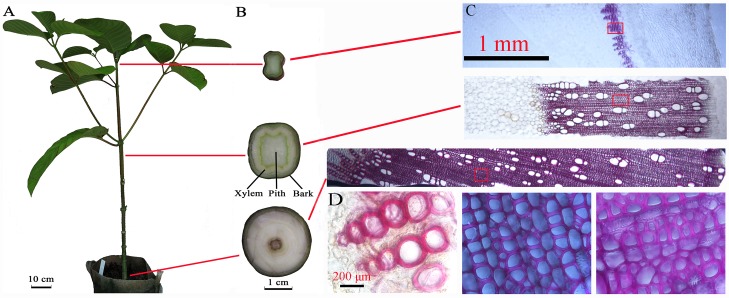
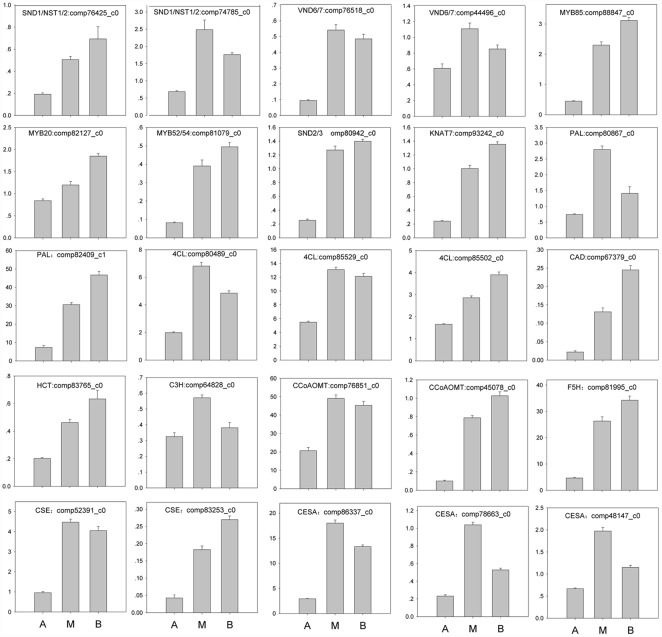
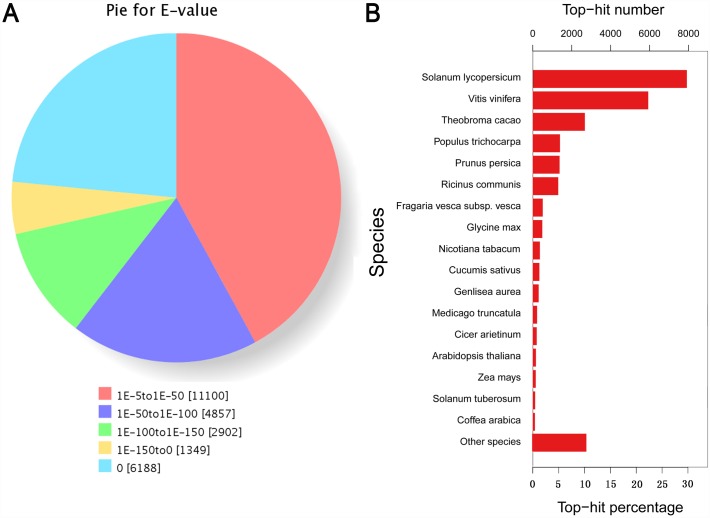
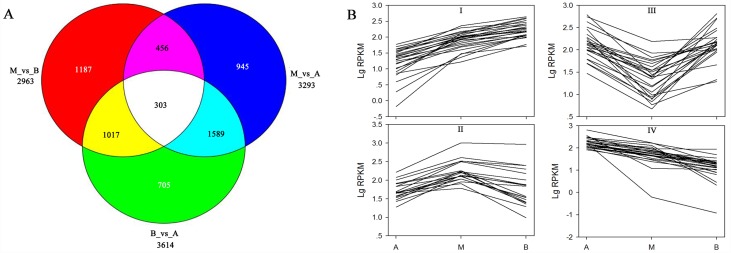
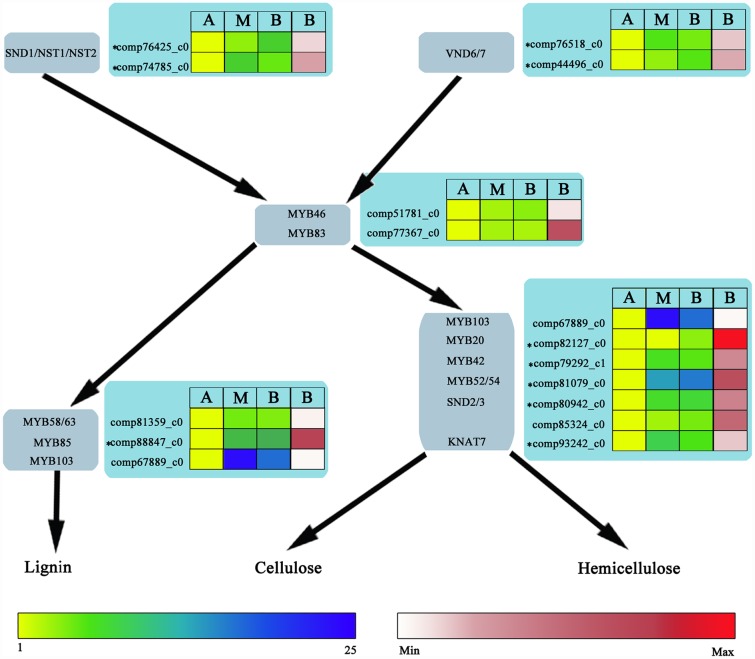
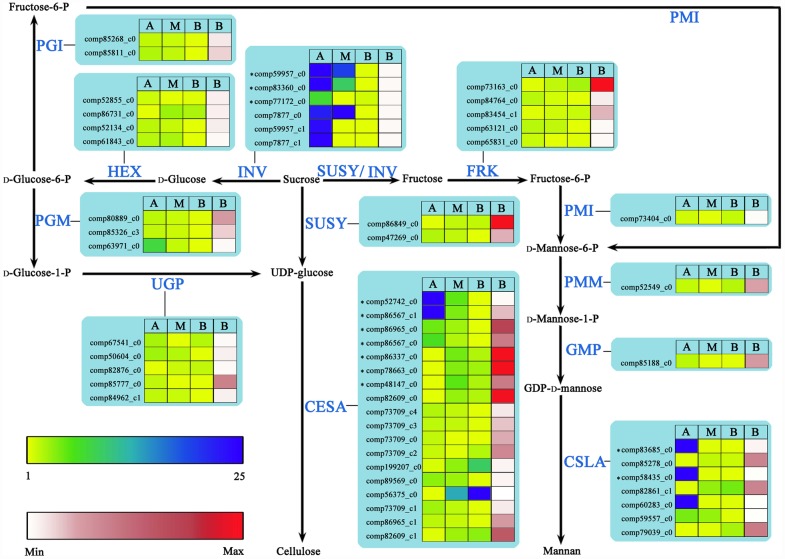
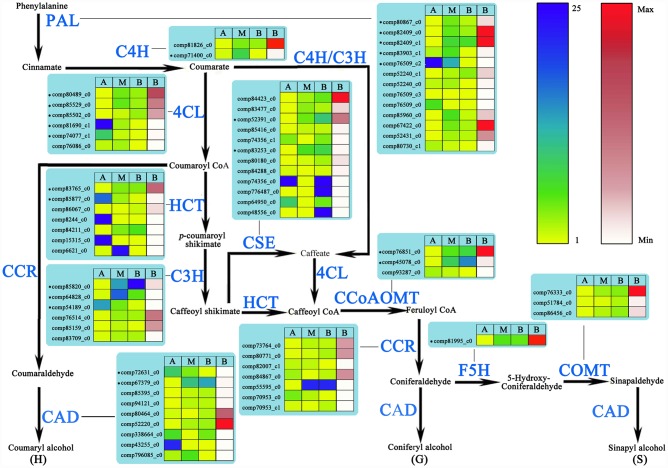
Neolamarckia cadamba is a fast-growing tropical hardwood tree that is used extensively for plywood and pulp production, light furniture fabrication, building materials, and as a raw material for the preparation of certain indigenous medicines. Lack of genomic resources hampers progress in the molecular breeding and genetic improvement of this multipurpose tree species. In this study, transcriptome profiling of differentiating stems was performed to understand N. cadamba xylogenesis. The N. cadamba transcriptome was sequenced using Illumina paired-end sequencing technology. This generated 42.49 G of raw data that was then de novo assembled into 55,432 UniGenes with a mean length of 803.2bp. Approximately 47.8% of the UniGenes (26,487) were annotated against publically available protein databases, among which 21,699 and 7,754 UniGenes were assigned to Gene Ontology categories (GO) and Clusters of Orthologous Groups (COG), respectively. 5,589 UniGenes could be mapped onto 116 pathways using the Kyoto Encyclopedia of Genes and Genomes (KEGG) pathway database. Among 6,202 UniGenes exhibiting differential expression during xylogenesis, 1,634 showed significantly higher levels of expression in the basal and middle stem segments compared to the apical stem segment. These genes included NAC and MYB transcription factors related to secondary cell wall biosynthesis, genes related to most metabolic steps of lignin biosynthesis, and CesA genes involved in cellulose biosynthesis. This study lays the foundation for further screening of key genes associated with xylogenesis in N. cadamba as well as enhancing our understanding of the mechanism of xylogenesis in fast-growing trees.
团花树是一种生长迅速的热带硬木树,广泛用于胶合板和纸浆生产、轻型家具制造、建筑材料以及作为制备某些本土药物的原材料。缺乏基因组资源阻碍了这种多用途树种在分子育种和遗传改良方面的进展。在本研究中,对分化中的茎进行转录组分析以了解团花树的木质部发生过程。使用Illumina双末端测序技术对团花树转录组进行测序。这产生了42.49 G的原始数据,然后将其从头组装成55,432个单基因,平均长度为803.2 bp。大约47.8%的单基因(26,487个)根据公开可用的蛋白质数据库进行了注释,其中分别有21,699个和7,754个单基因被归入基因本体论类别(GO)和直系同源基因簇(COG)。使用京都基因与基因组百科全书(KEGG)途径数据库,5,589个单基因可以映射到116条途径上。在木质部发生过程中表现出差异表达的6,202个单基因中,有1,634个在茎基部和中部段的表达水平明显高于茎尖段。这些基因包括与次生细胞壁生物合成相关的NAC和MYB转录因子、与木质素生物合成的大多数代谢步骤相关的基因以及参与纤维素生物合成的CesA基因。本研究为进一步筛选团花树中与木质部发生相关的关键基因奠定了基础,同时增强了我们对快速生长树木木质部发生机制的理解。