Ray Chaudhuri Arnab, Callen Elsa, Ding Xia, Gogola Ewa, Duarte Alexandra A, Lee Ji-Eun, Wong Nancy, Lafarga Vanessa, Calvo Jennifer A, Panzarino Nicholas J, John Sam, Day Amanda, Crespo Anna Vidal, Shen Binghui, Starnes Linda M, de Ruiter Julian R, Daniel Jeremy A, Konstantinopoulos Panagiotis A, Cortez David, Cantor Sharon B, Fernandez-Capetillo Oscar, Ge Kai, Jonkers Jos, Rottenberg Sven, Sharan Shyam K, Nussenzweig André
Laboratory of Genome Integrity, National Cancer Institute, National Institutes of Health, Bethesda, Maryland 20892, USA.
Mouse Cancer Genetics Program, National Cancer Institute, National Institutes of Health, Frederick, Maryland 21702, USA.
Nature. 2016 Jul 21;535(7612):382-7. doi: 10.1038/nature18325.
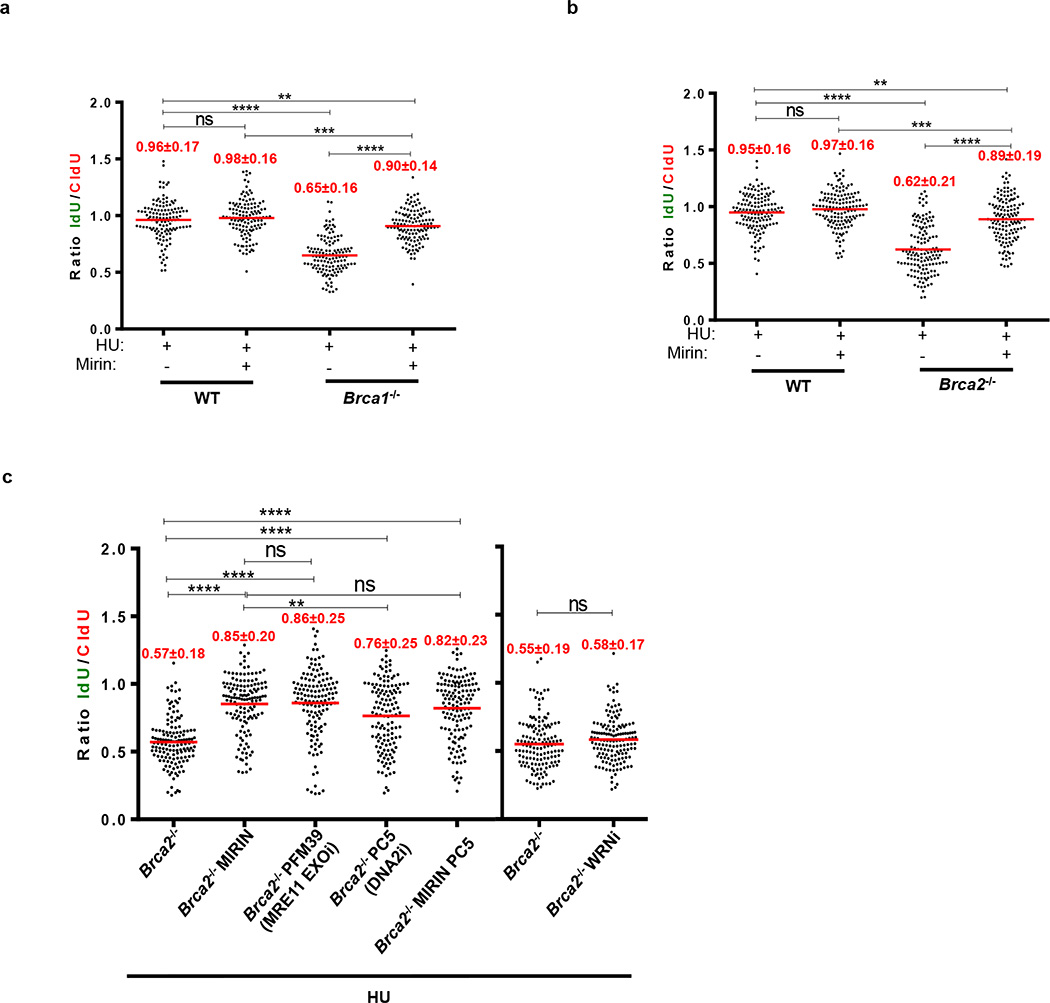
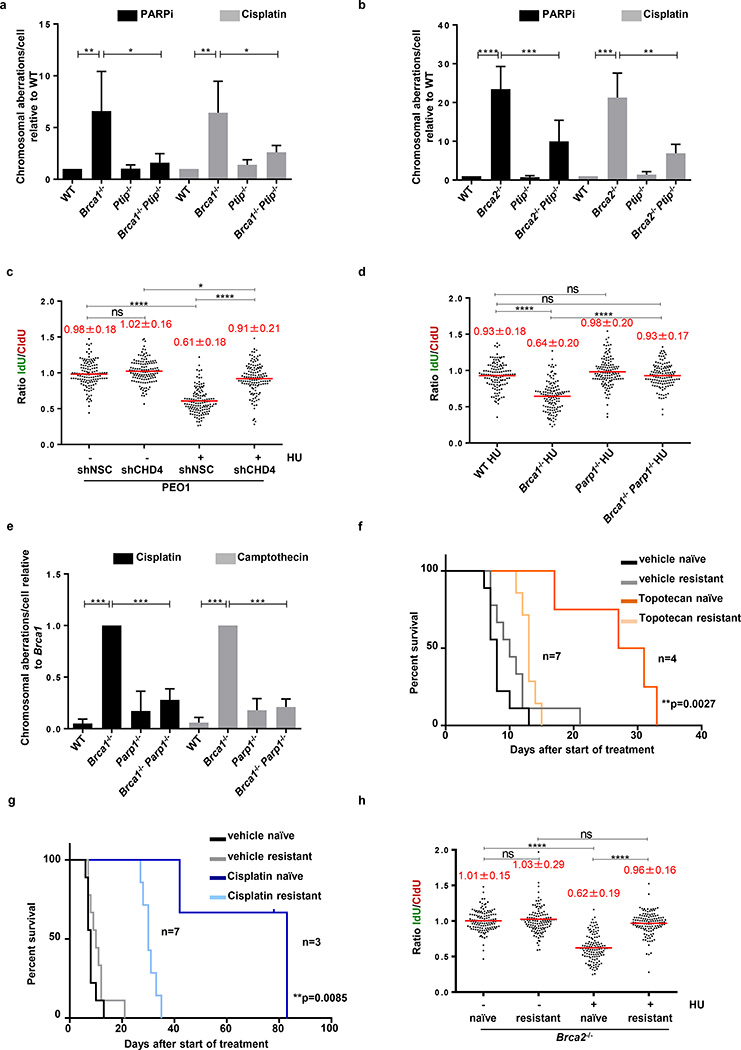
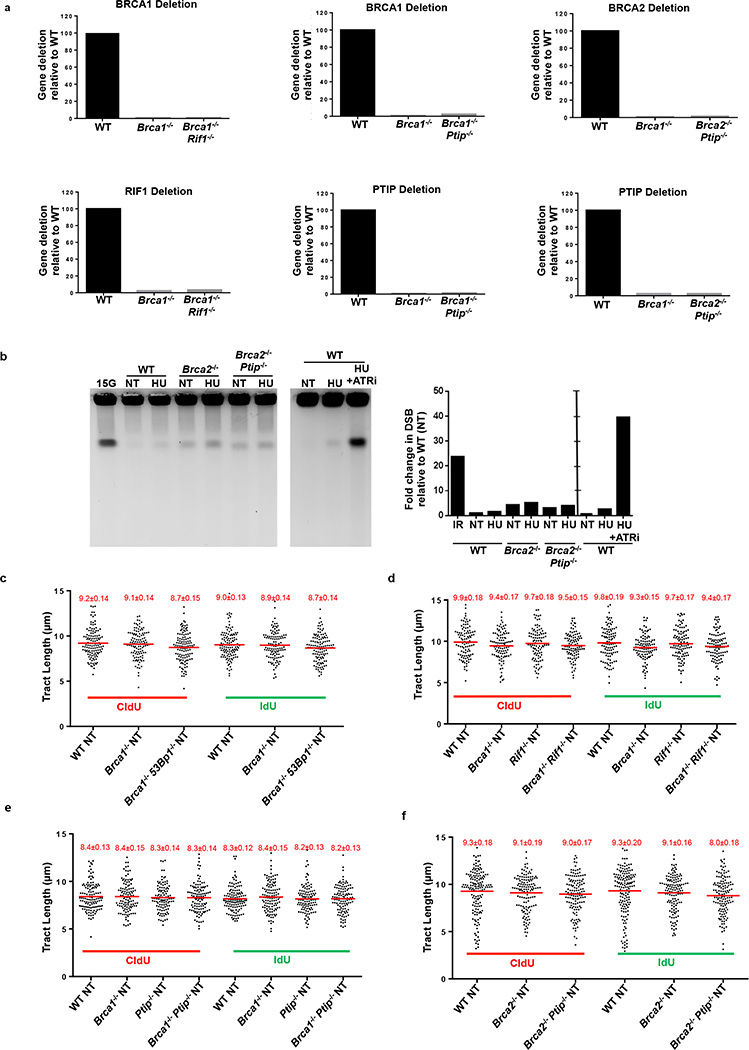
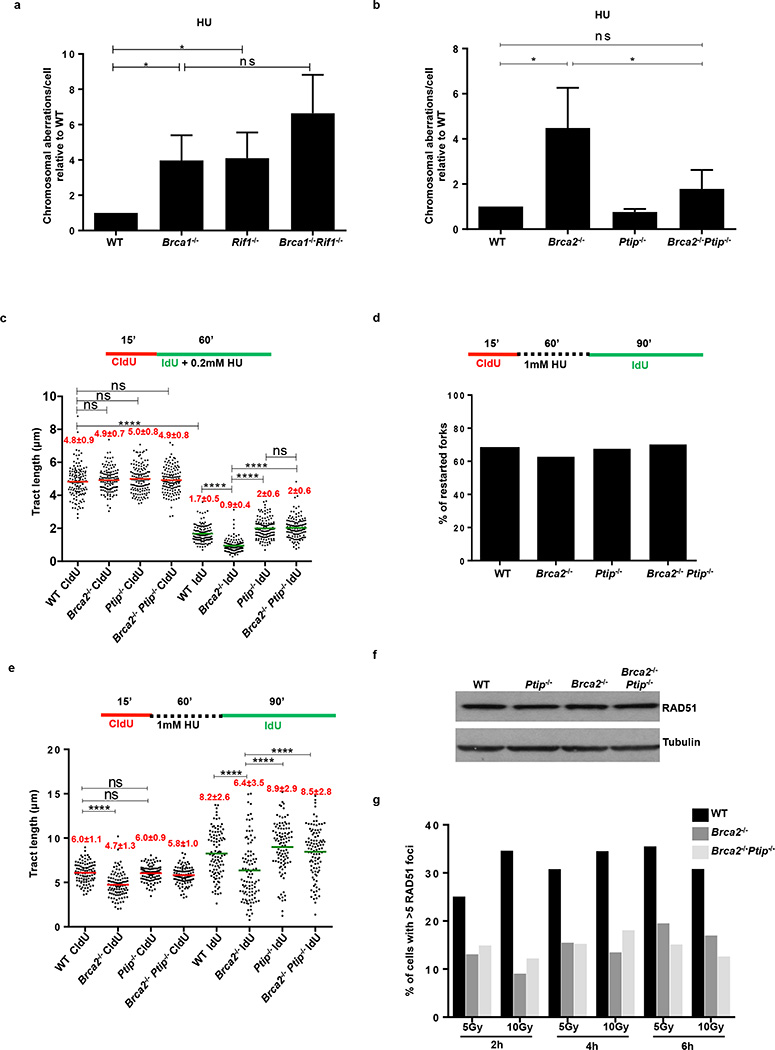
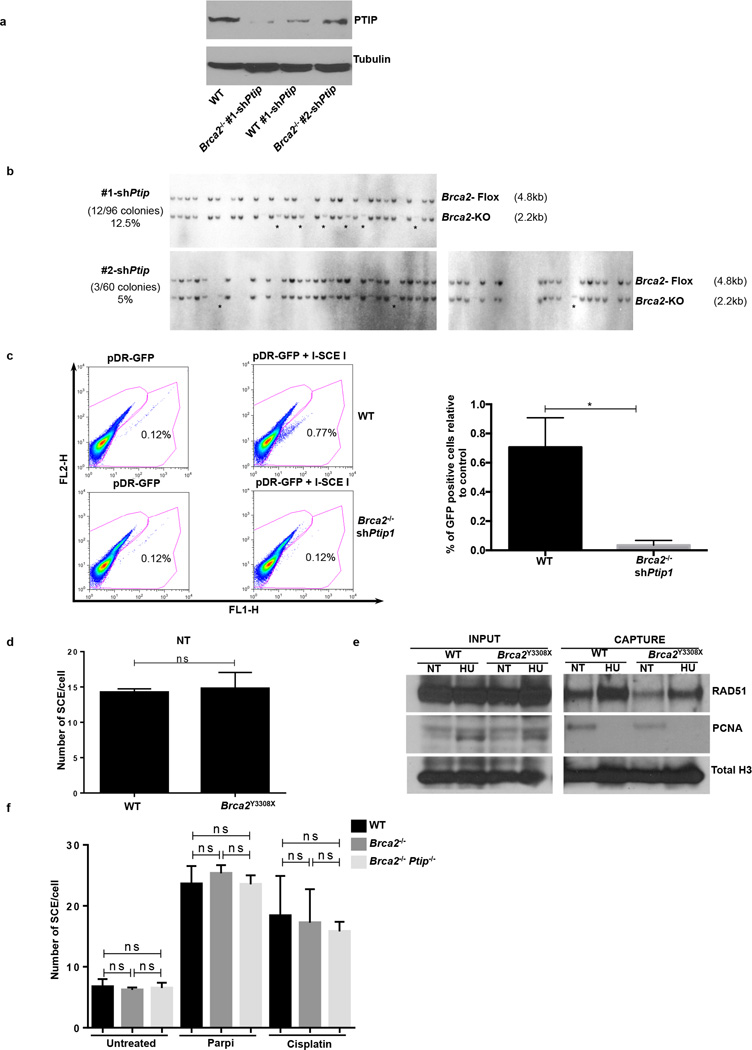
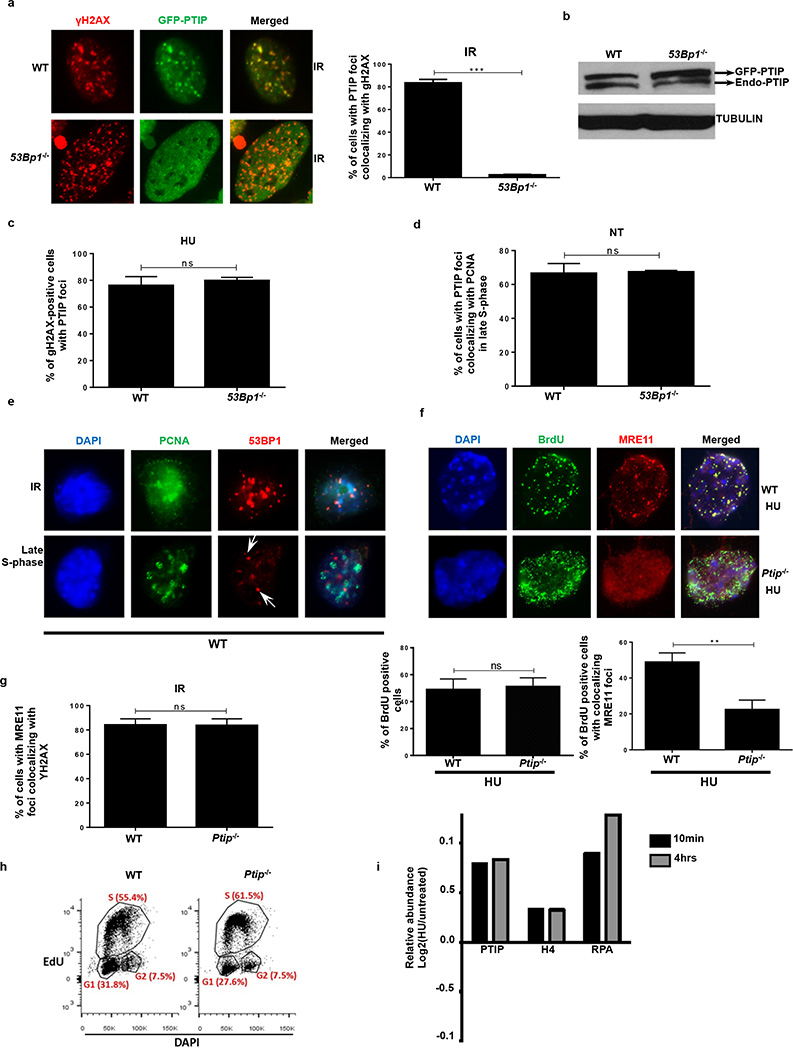
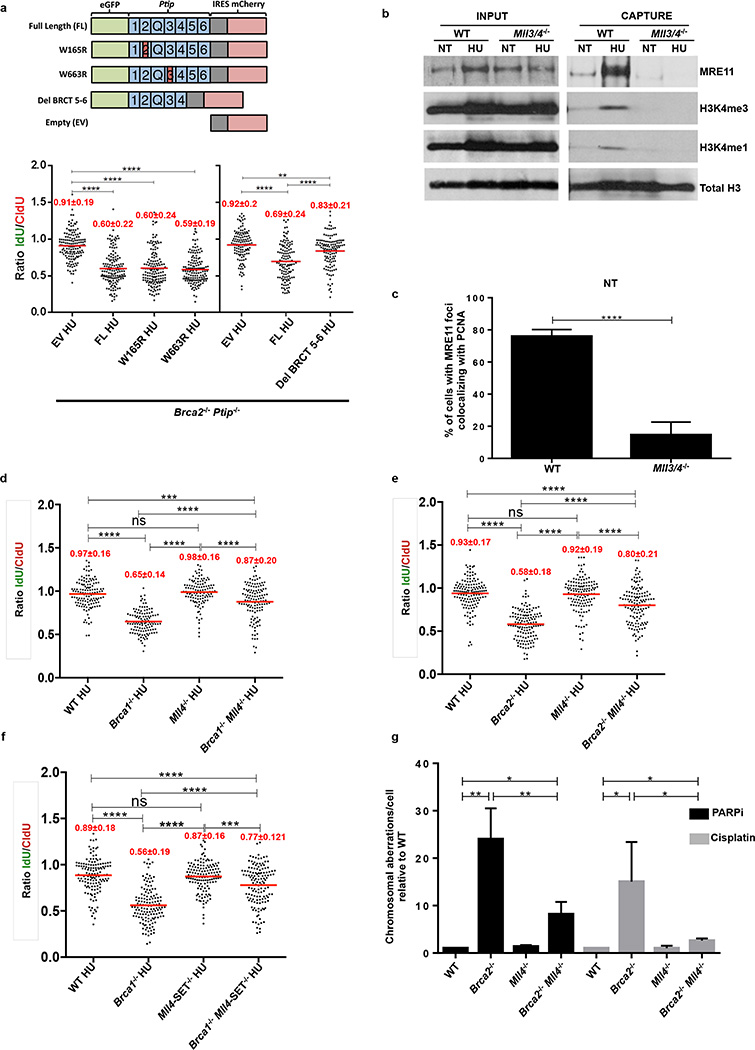
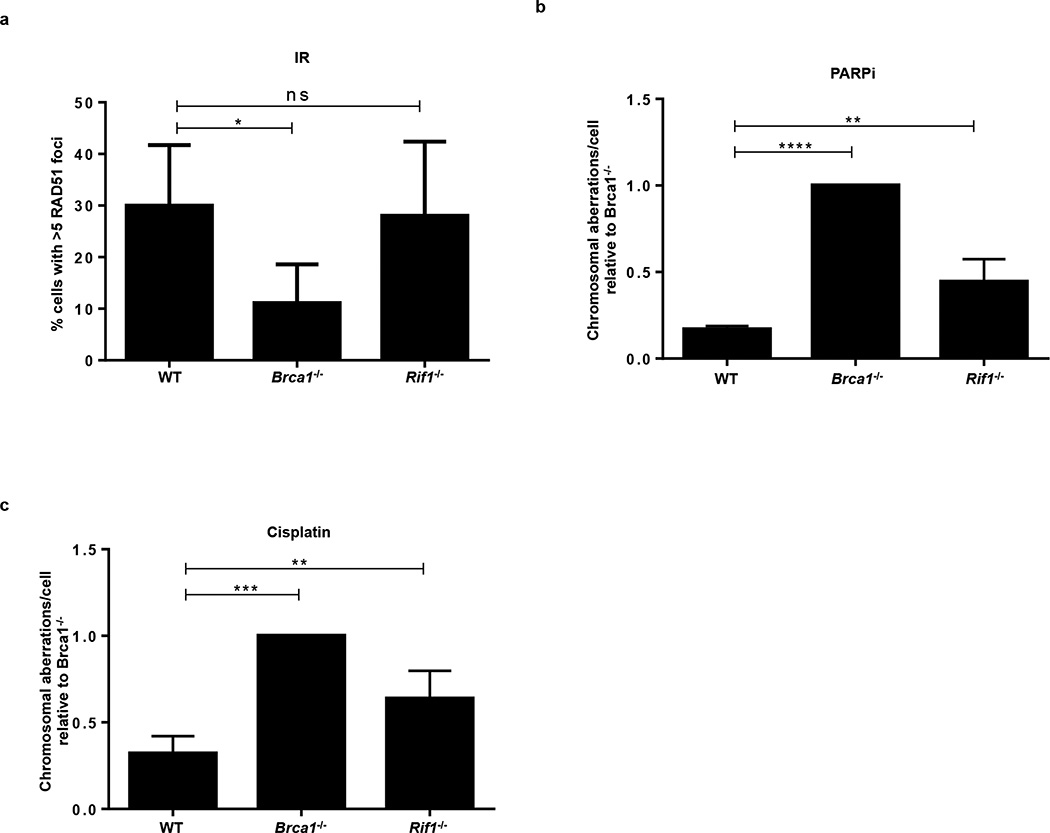
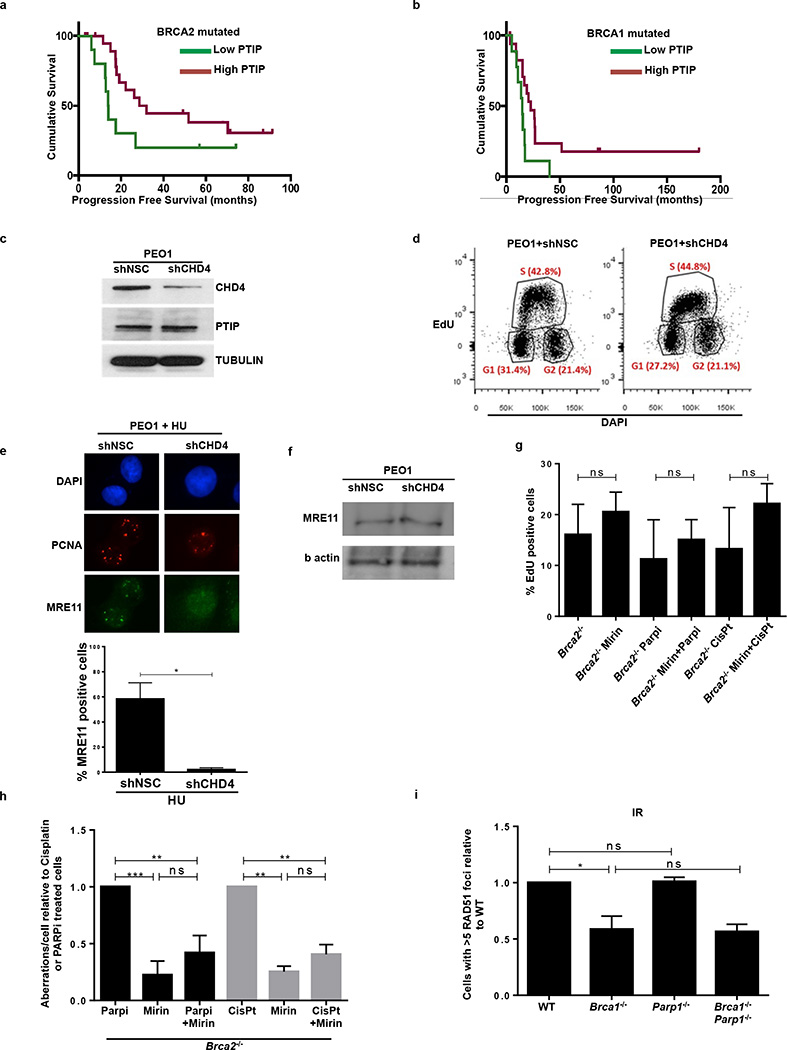
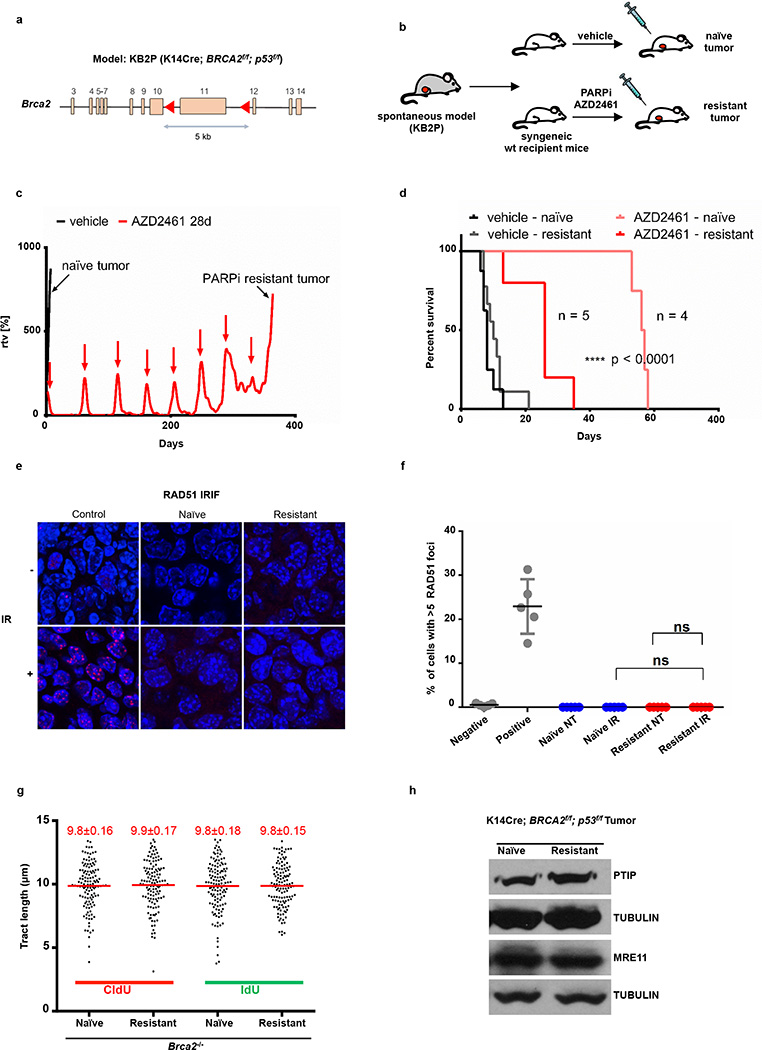
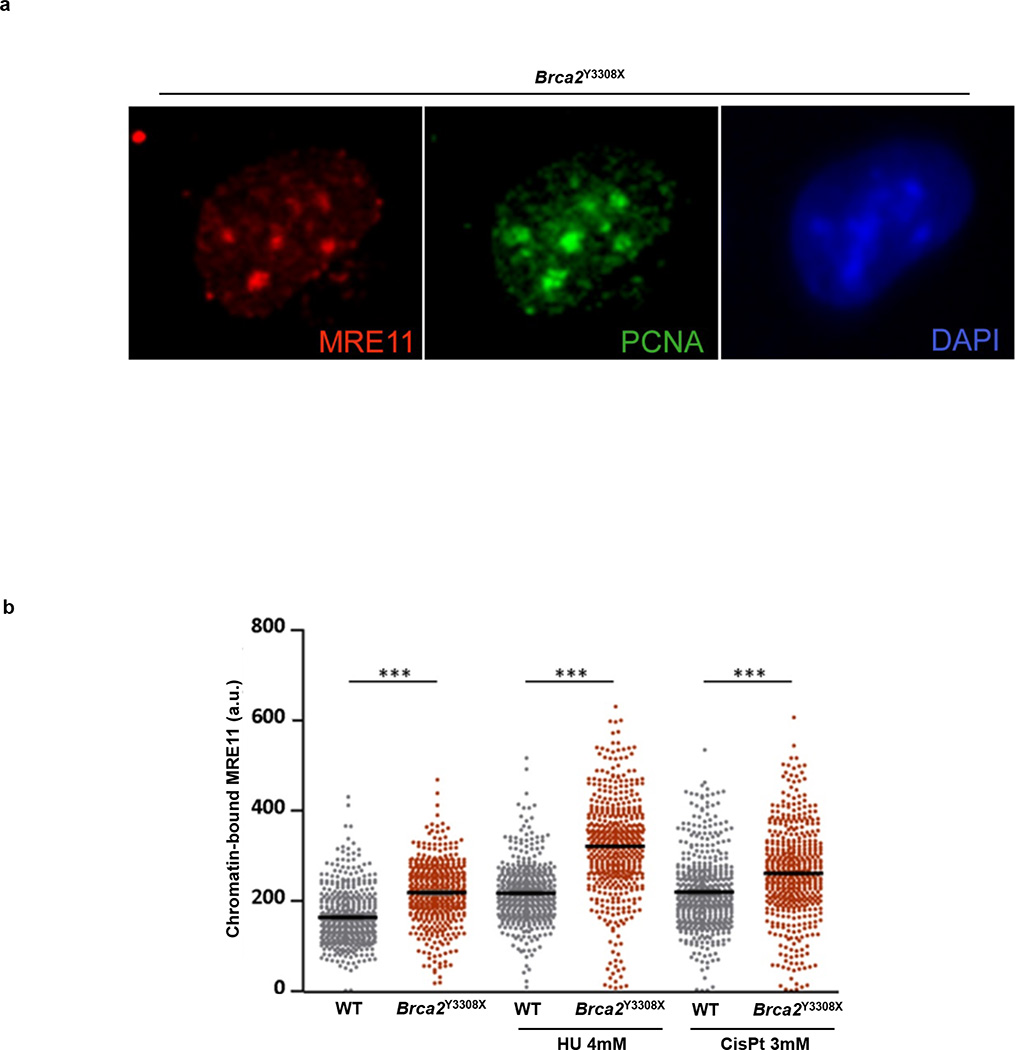
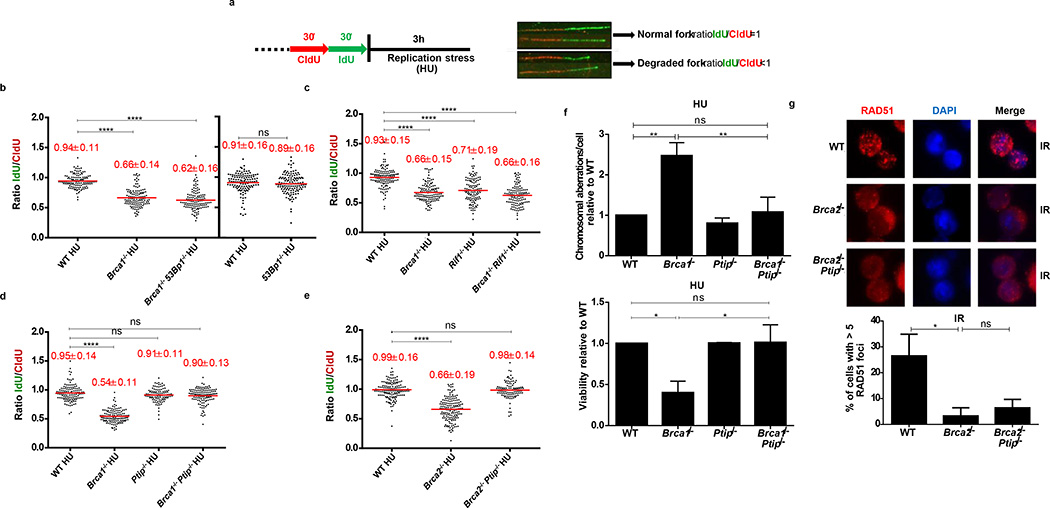
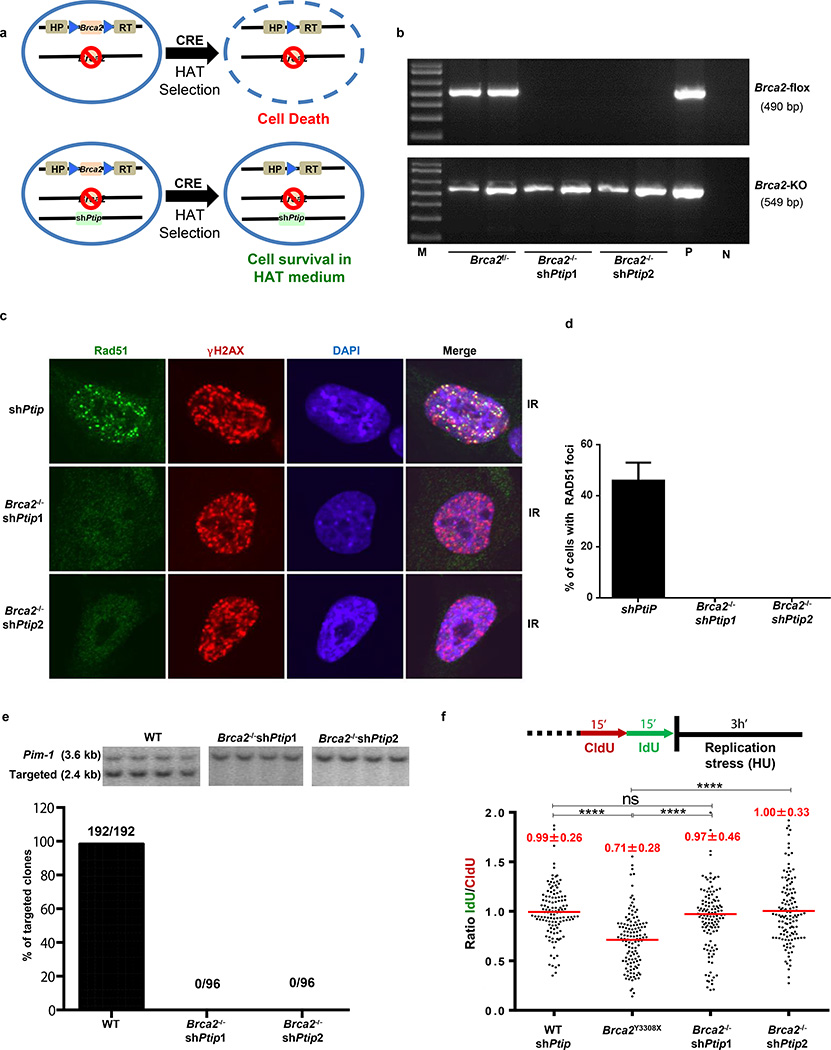
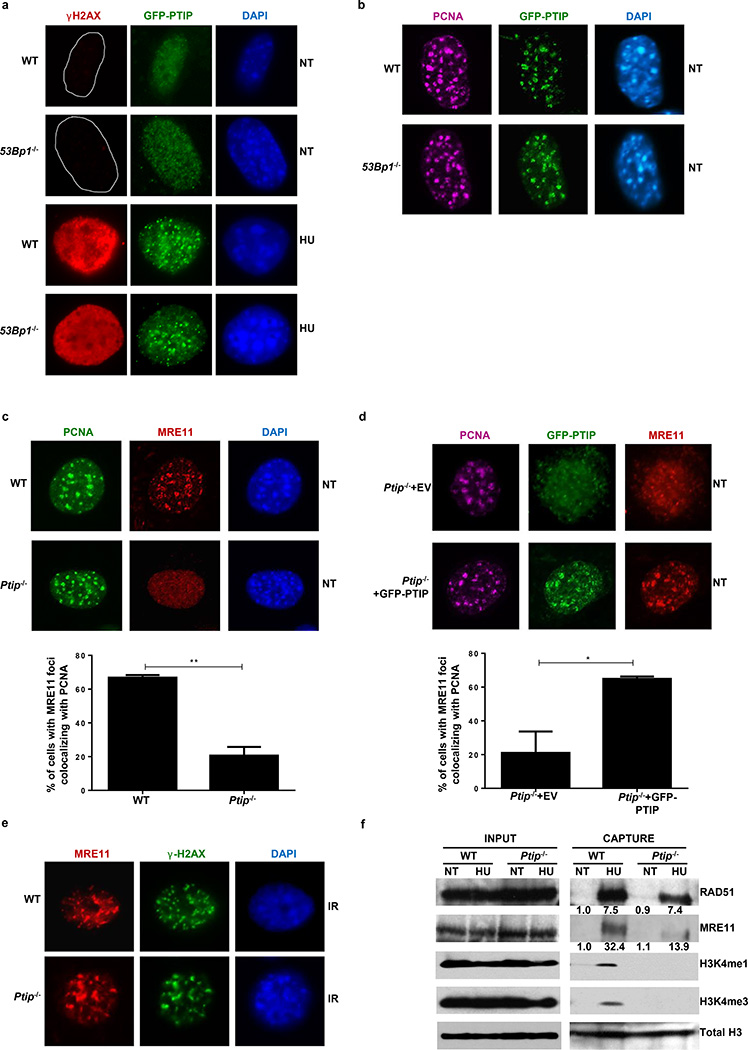
Cells deficient in the Brca1 and Brca2 genes have reduced capacity to repair DNA double-strand breaks by homologous recombination and consequently are hypersensitive to DNA-damaging agents, including cisplatin and poly(ADP-ribose) polymerase (PARP) inhibitors. Here we show that loss of the MLL3/4 complex protein, PTIP, protects Brca1/2-deficient cells from DNA damage and rescues the lethality of Brca2-deficient embryonic stem cells. However, PTIP deficiency does not restore homologous recombination activity at double-strand breaks. Instead, its absence inhibits the recruitment of the MRE11 nuclease to stalled replication forks, which in turn protects nascent DNA strands from extensive degradation. More generally, acquisition of PARP inhibitors and cisplatin resistance is associated with replication fork protection in Brca2-deficient tumour cells that do not develop Brca2 reversion mutations. Disruption of multiple proteins, including PARP1 and CHD4, leads to the same end point of replication fork protection, highlighting the complexities by which tumour cells evade chemotherapeutic interventions and acquire drug resistance.
缺乏Brca1和Brca2基因的细胞通过同源重组修复DNA双链断裂的能力降低,因此对包括顺铂和聚(ADP - 核糖)聚合酶(PARP)抑制剂在内的DNA损伤剂高度敏感。我们在此表明,MLL3/4复合物蛋白PTIP的缺失可保护Brca1/2缺陷细胞免受DNA损伤,并挽救Brca2缺陷胚胎干细胞的致死性。然而,PTIP缺陷并不能恢复双链断裂处的同源重组活性。相反,它的缺失会抑制MRE11核酸酶向停滞的复制叉的募集,这反过来又保护新生DNA链不被广泛降解。更普遍地说,在未发生Brca2回复突变的Brca2缺陷肿瘤细胞中,获得PARP抑制剂和顺铂抗性与复制叉保护有关。包括PARP1和CHD4在内的多种蛋白质的破坏会导致相同的复制叉保护终点,这突出了肿瘤细胞逃避化疗干预并获得耐药性的复杂性。