Zhang Michael S, Sandouk Aline, Houtman Jon C D
Department of Microbiology, Carver College of Medicine, University of Iowa, Iowa City, Iowa 52242, United States.
Sci Rep. 2016 Jul 26;6:30225. doi: 10.1038/srep30225.
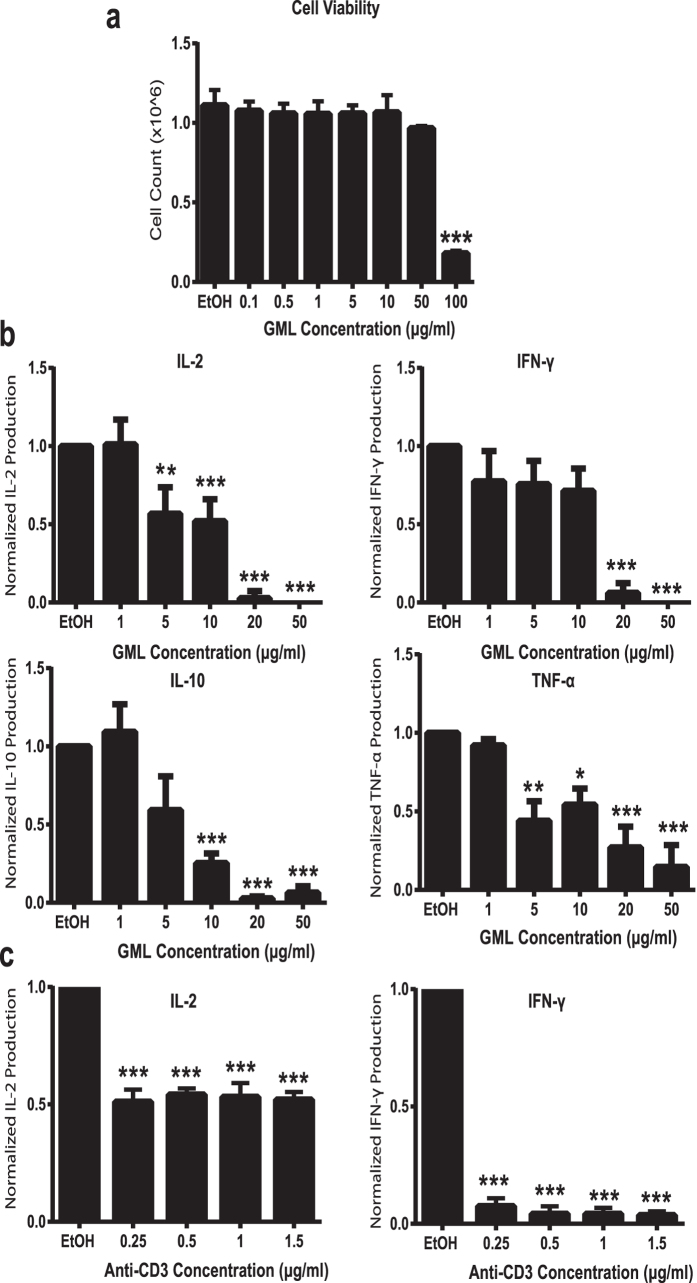
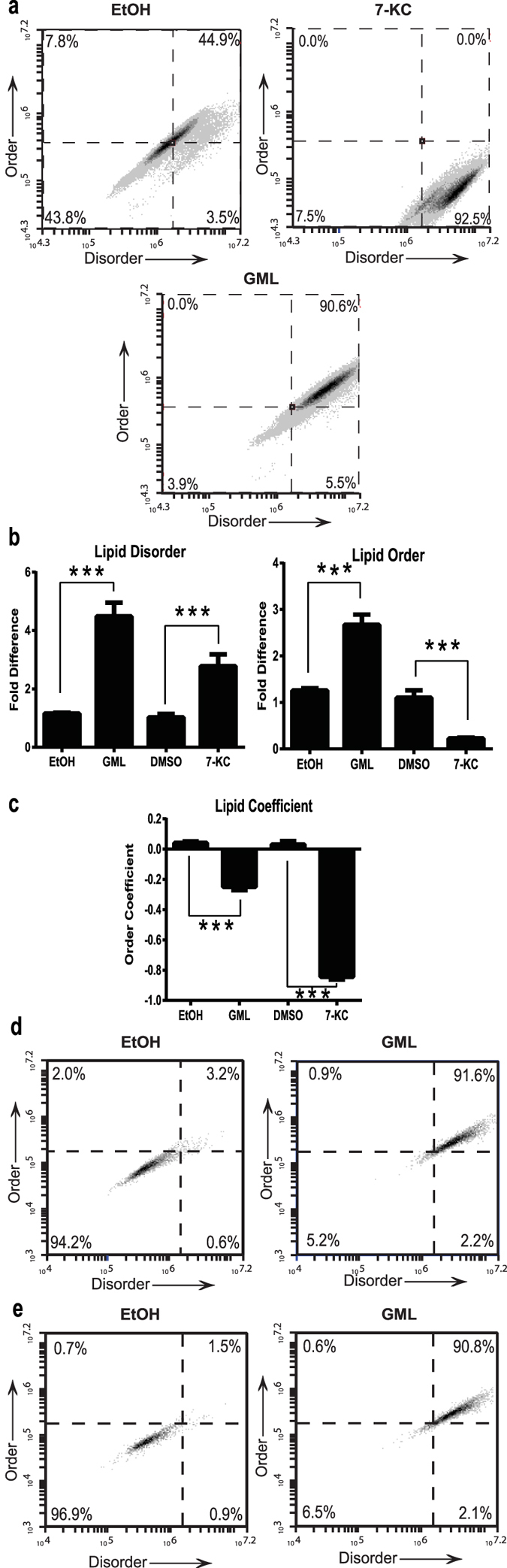
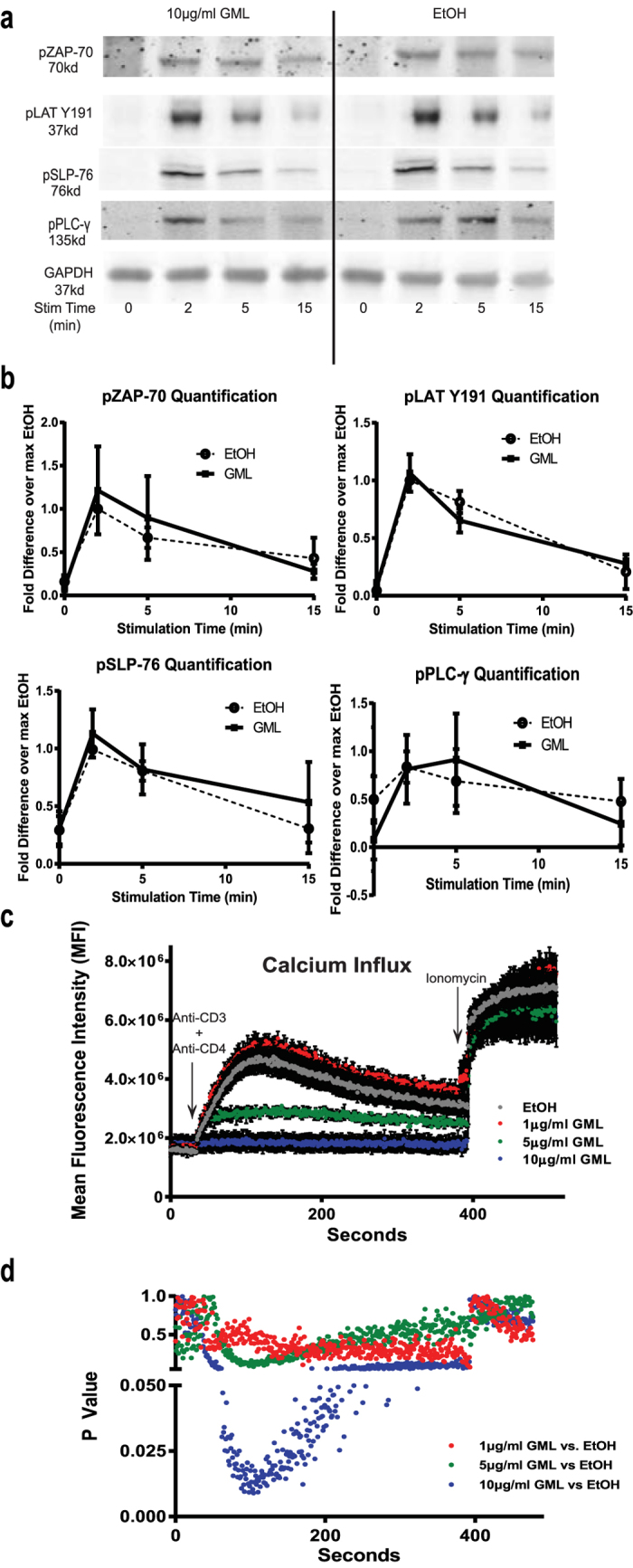
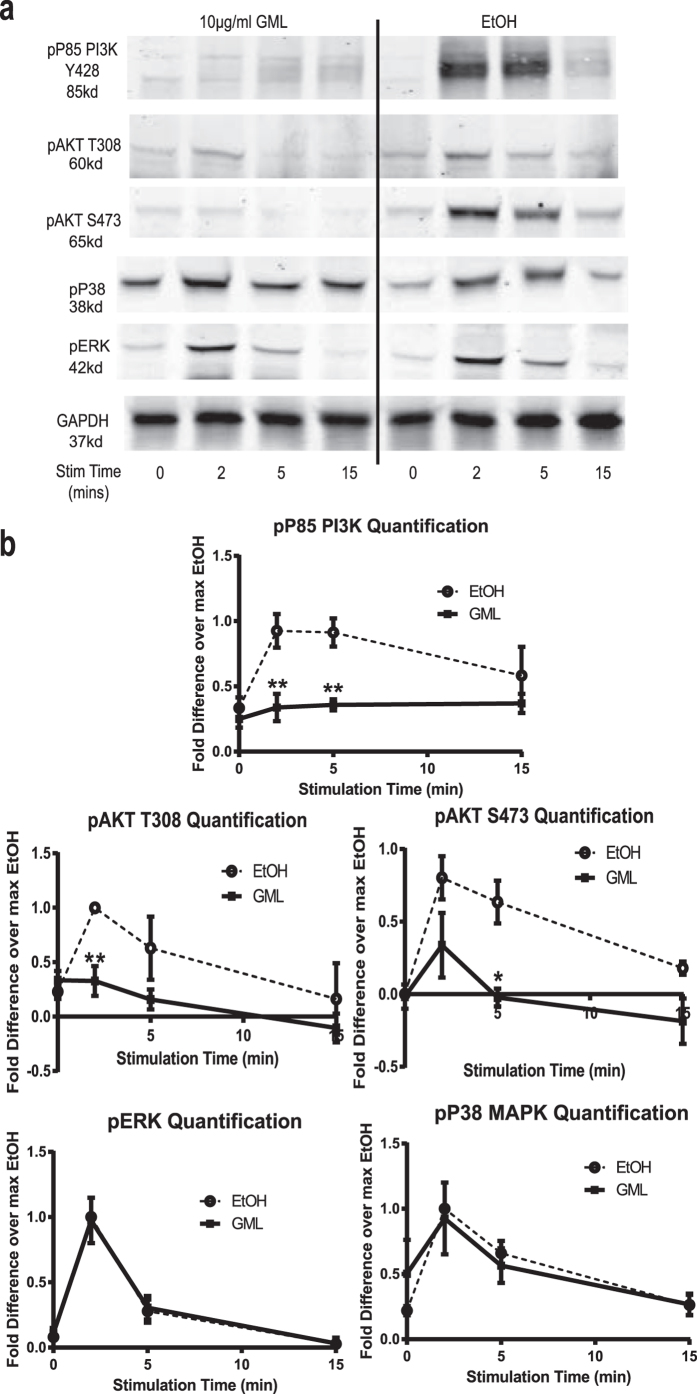
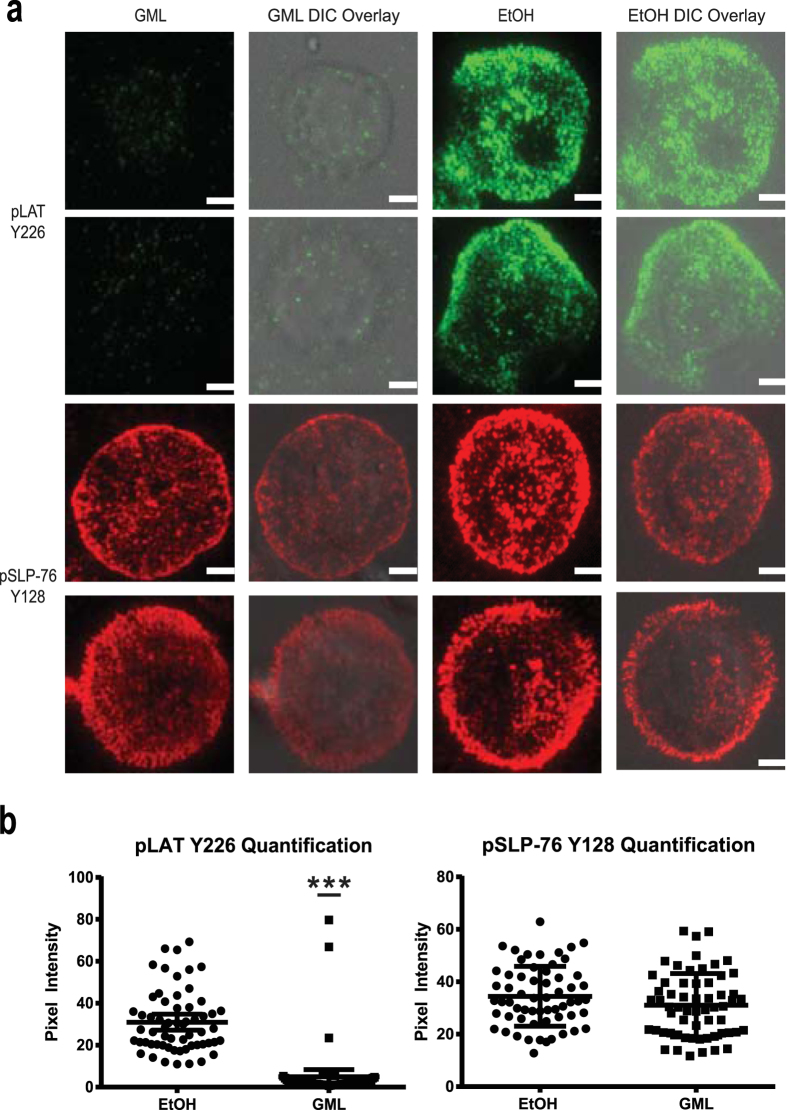
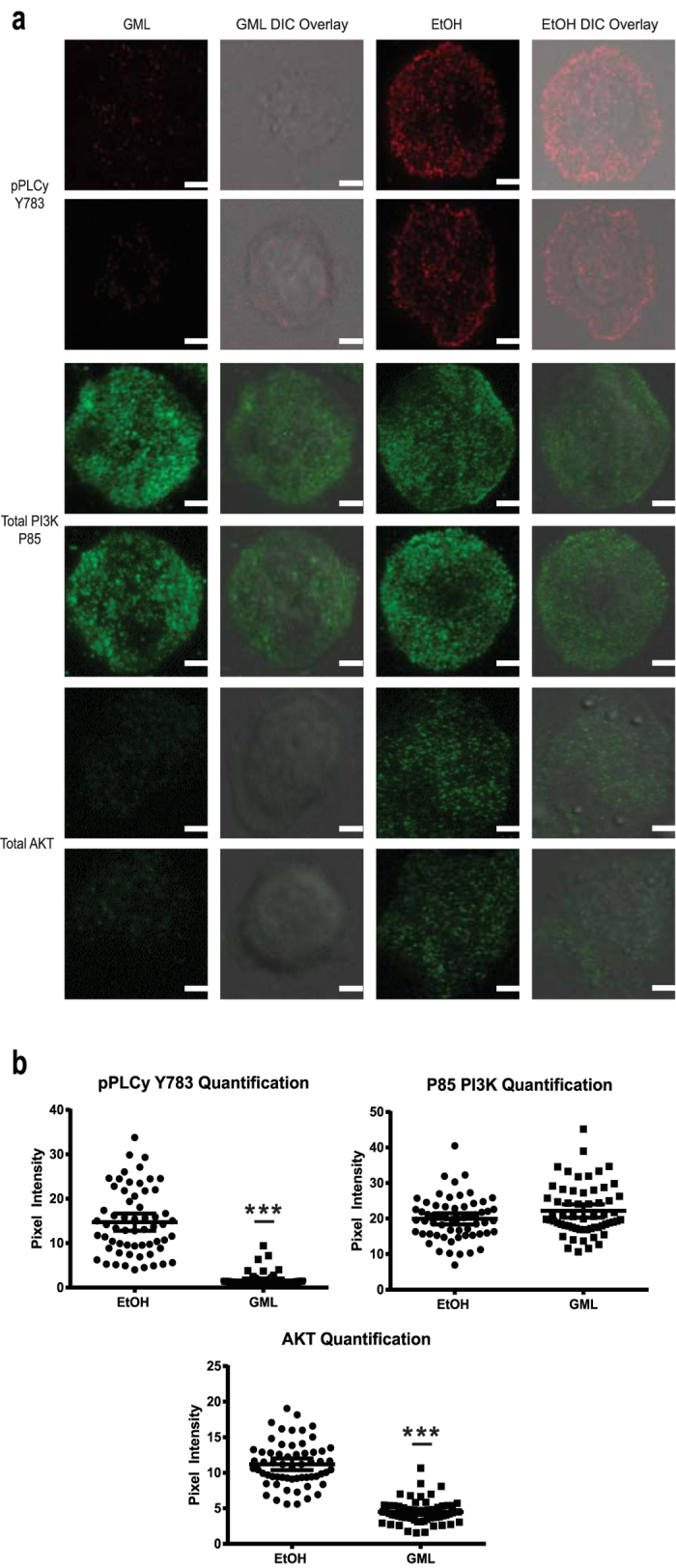
Glycerol Monolaurate (GML) is a naturally occurring fatty acid widely utilized in food, cosmetics, and homeopathic supplements. GML is a potent antimicrobial agent that targets a range of bacteria, fungi, and enveloped viruses but select findings suggest that GML also has immunomodulatory functions. In this study, we have mechanistically examined if GML affects the signaling and functional output of human primary T cells. We found that GML potently altered order and disorder dynamics in the plasma membrane that resulted in reduced formation of LAT, PLC-γ, and AKT microclusters. Altered membrane events induced selective inhibition of TCR-induced phosphorylation of regulatory P85 subunit of PI3K and AKT as well as abrogated calcium influx. Ultimately, GML treatment potently reduced TCR-induced production of IL-2, IFN-γ, TNF-α, and IL-10. Our data reveal that the widely used anti-microbial agent GML also alters the lipid dynamics of human T cells, leading to their defective signaling and function.
月桂酸单甘油酯(GML)是一种天然存在的脂肪酸,广泛应用于食品、化妆品和顺势疗法补充剂中。GML是一种强效抗菌剂,可针对多种细菌、真菌和包膜病毒,但一些研究结果表明,GML还具有免疫调节功能。在本研究中,我们从机制上研究了GML是否会影响人原代T细胞的信号传导和功能输出。我们发现,GML显著改变了质膜中的有序和无序动态,导致LAT、PLC-γ和AKT微簇的形成减少。膜事件的改变诱导了对PI3K调节性P85亚基和AKT的TCR诱导磷酸化的选择性抑制,并消除了钙内流。最终,GML处理显著降低了TCR诱导的IL-2、IFN-γ、TNF-α和IL-10的产生。我们的数据表明,广泛使用的抗菌剂GML也会改变人T细胞的脂质动态,导致其信号传导和功能缺陷。