Department of Microbiology and Immunology, Carver College of Medicine, University of Iowa, Iowa City, Iowa, USA.
Medical Service, Iowa City Veterans Affairs Medical Center, Iowa City, Iowa, USA.
mBio. 2020 May 5;11(3):e00686-20. doi: 10.1128/mBio.00686-20.
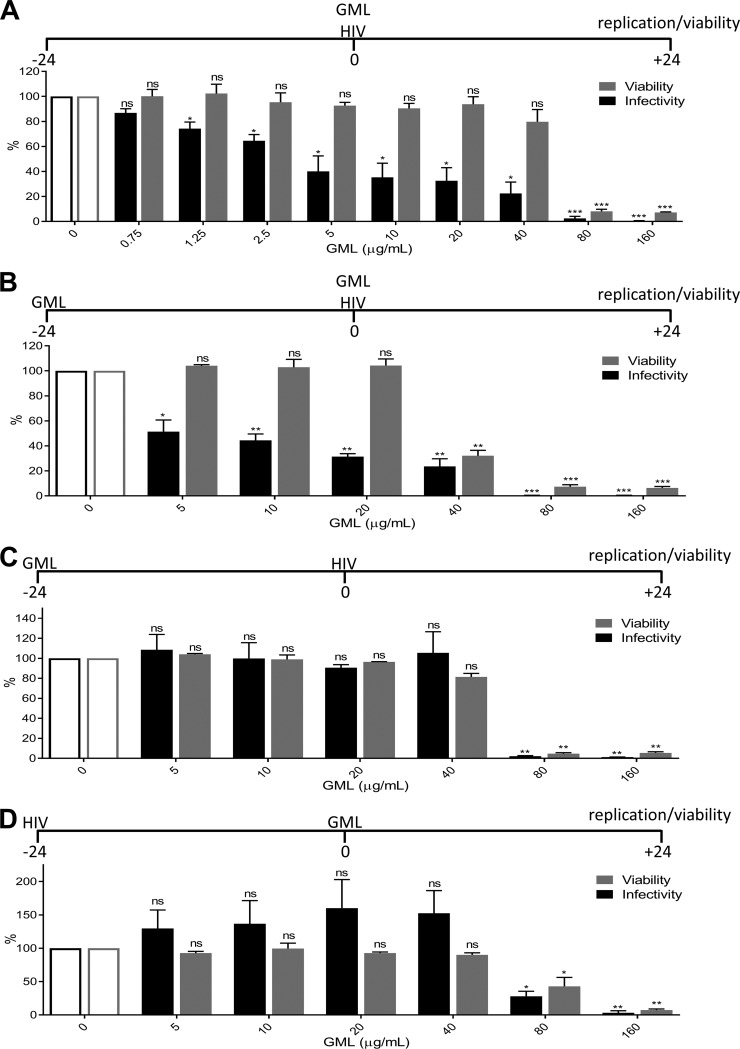
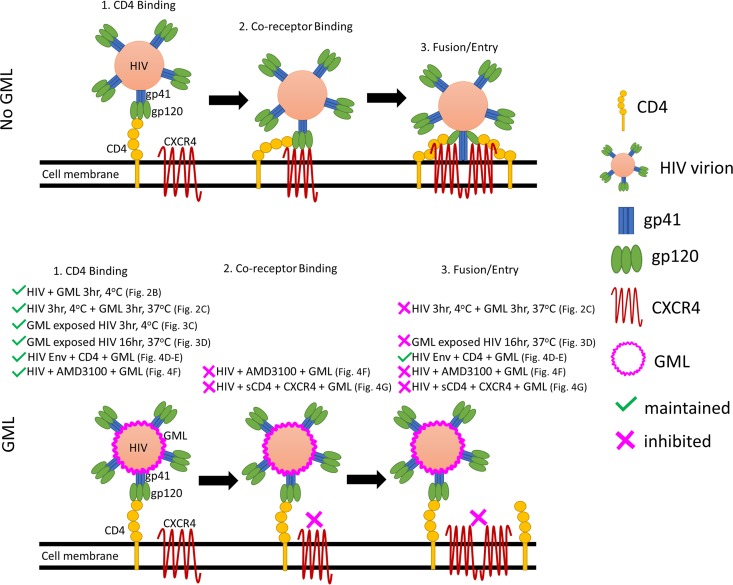
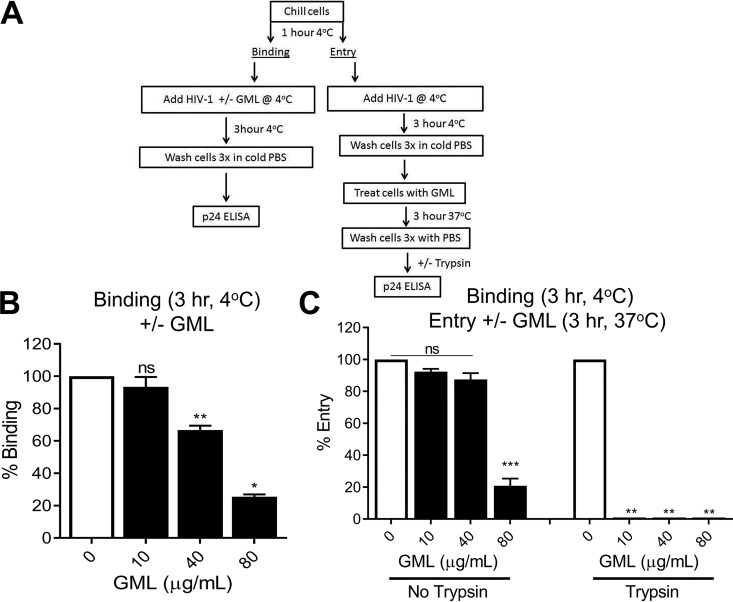
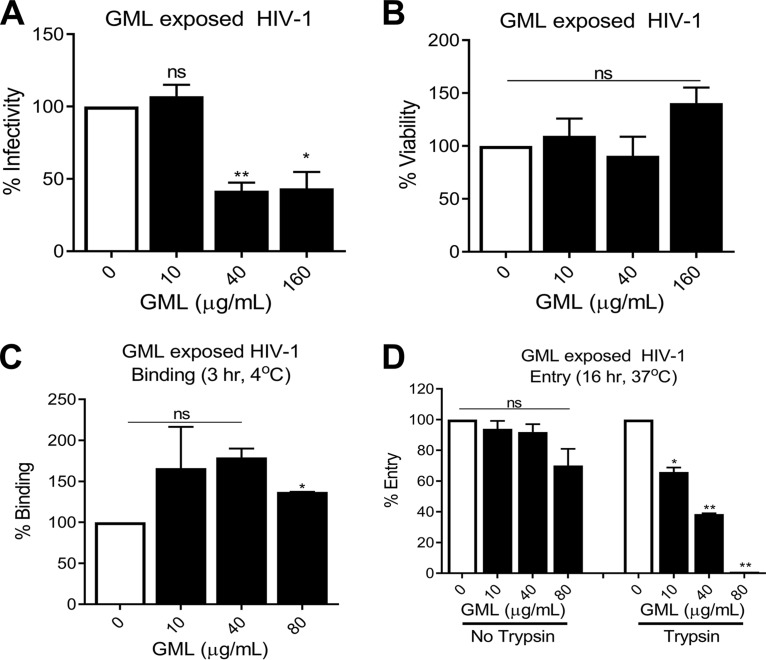
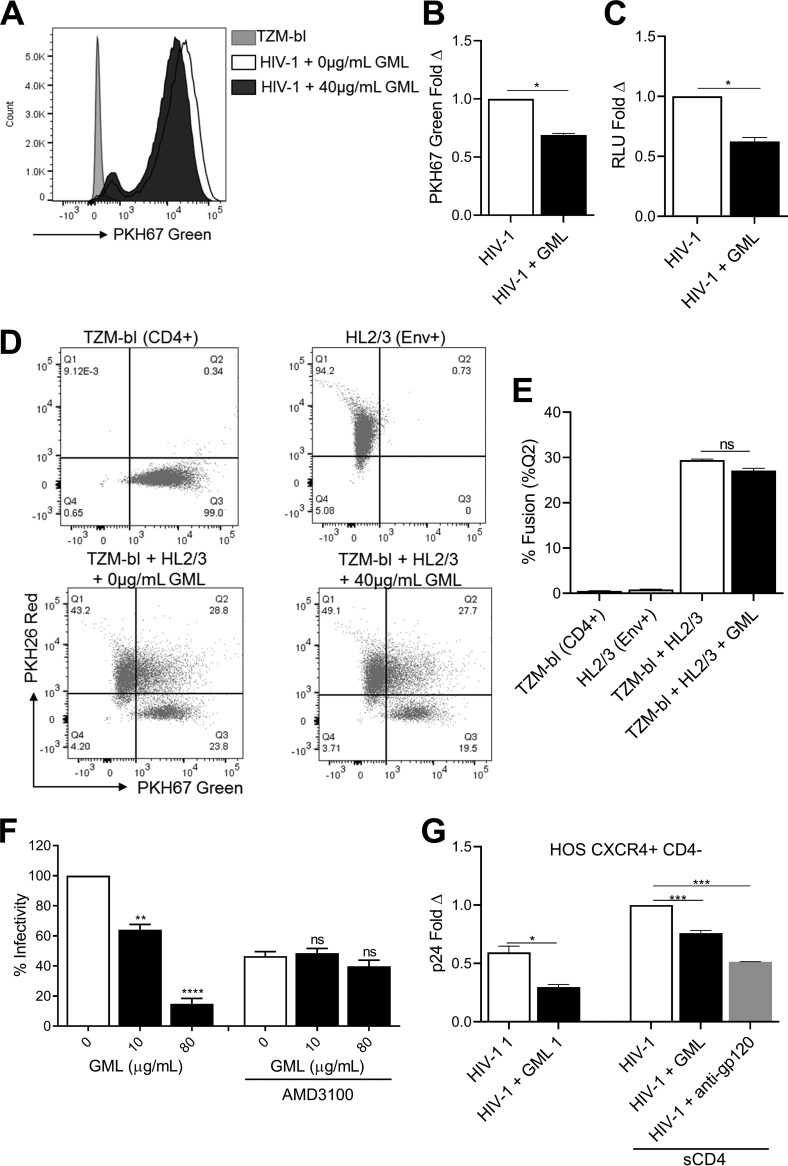
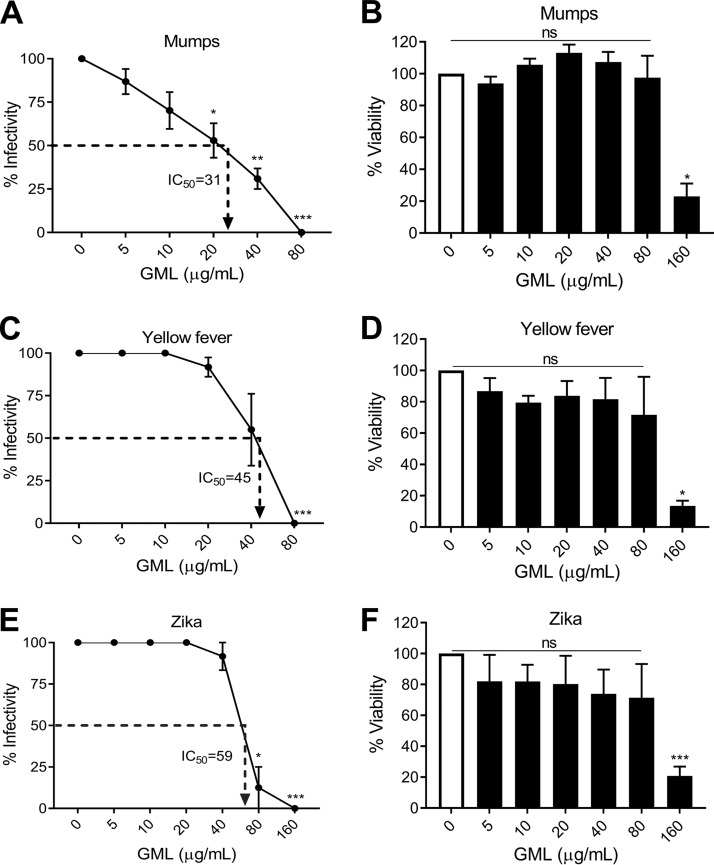
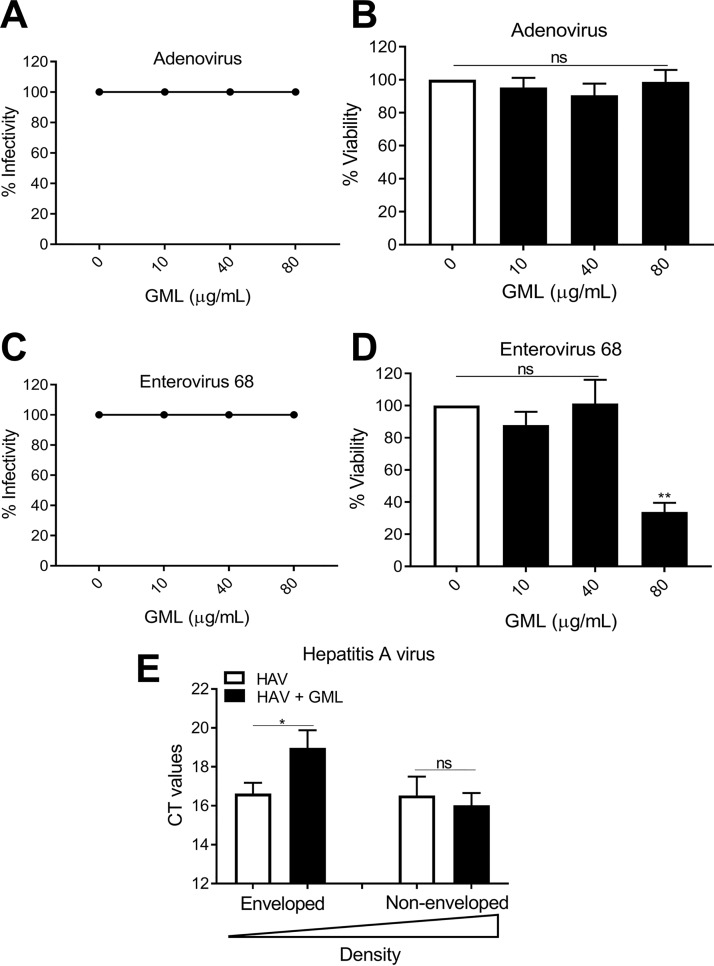
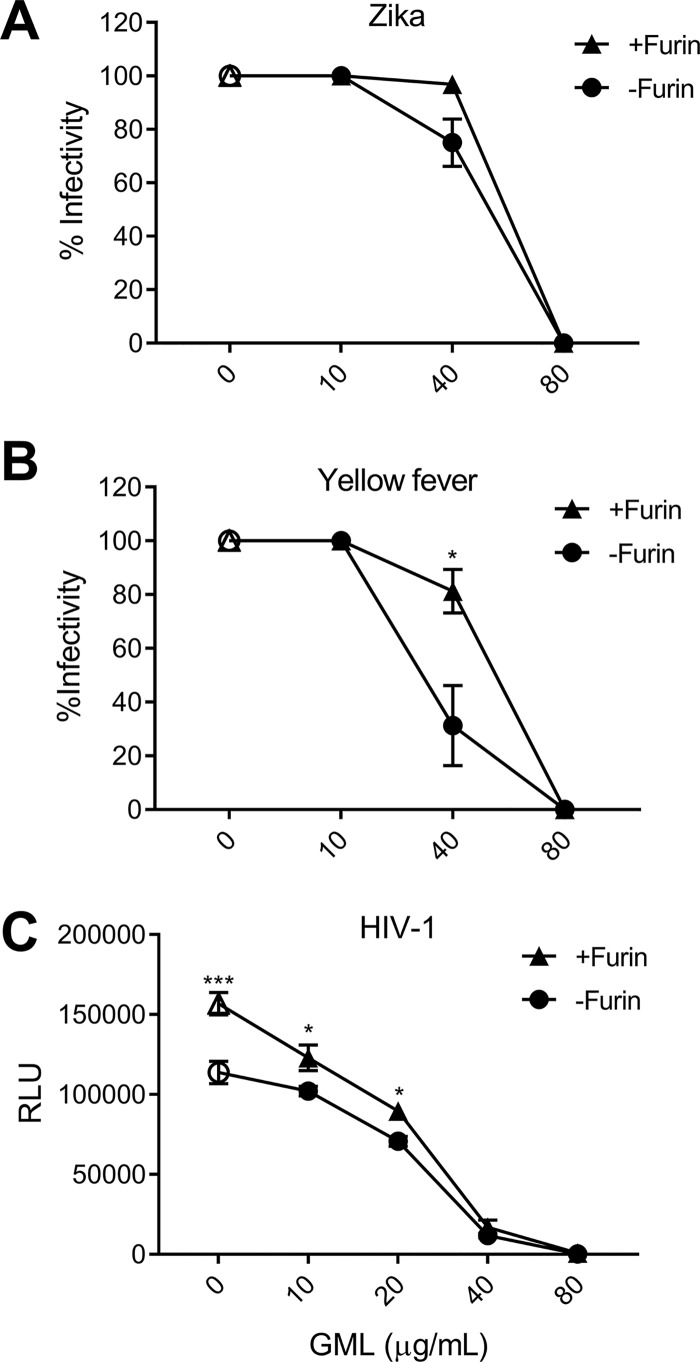
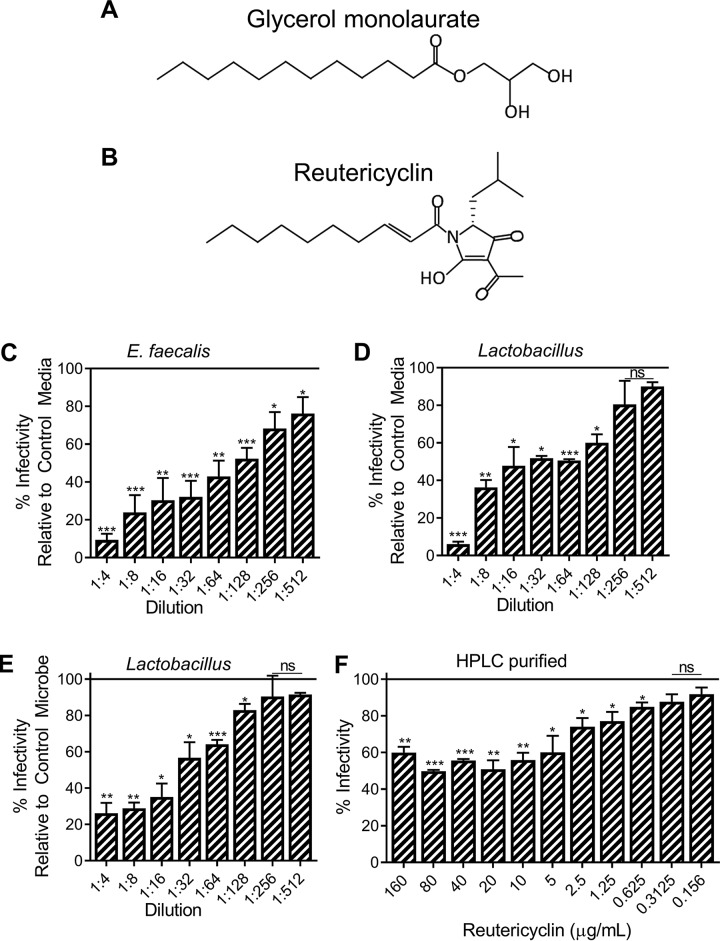
The vaginal microbiota influences sexual transmission of human immunodeficiency virus type 1 (HIV-1). Colonization of the vaginal tract is normally dominated by species. Both and may secrete reutericyclin, which inhibits the growth of a variety of pathogenic bacteria. Increasing evidence suggests a potential therapeutic role for an analogue of reutericyclin, glycerol monolaurate (GML), against microbial pathogens. Previous studies using a macaque vaginal simian immunodeficiency virus (SIV) transmission model demonstrated that GML reduces transmission and alters immune responses to infection Previous studies showed that structural analogues of GML negatively impact other enveloped viruses. We sought to expand understanding of how GML inhibits HIV-1 and other enveloped viruses and show that GML restricts HIV-1 entry post-CD4 engagement at the step of coreceptor binding. Further, HIV-1 and yellow fever virus (YFV) particles were more sensitive to GML interference than particles "matured" by proteolytic processing. We show that high-pressure-liquid-chromatography (HPLC)-purified reutericyclin and reutericyclin secreted by inhibit HIV-1. These data emphasize the importance and protective nature of the normal vaginal flora during viral infections and provide insights into the antiviral mechanism of GML during HIV-1 infection and, more broadly, to other enveloped viruses. A total of 340 million sexually transmitted infections (STIs) are acquired each year. Antimicrobial agents that target multiple infectious pathogens are ideal candidates to reduce the number of newly acquired STIs. The antimicrobial and immunoregulatory properties of GML make it an excellent candidate to fit this critical need. Previous studies established the safety profile and antibacterial activity of GML against both Gram-positive and Gram-negative bacteria. GML protected against high-dose SIV infection and reduced inflammation, which can exacerbate disease, during infection. We found that GML inhibits HIV-1 and other human-pathogenic viruses (yellow fever virus, mumps virus, and Zika virus), broadening its antimicrobial range. Because GML targets diverse infectious pathogens, GML may be an effective agent against the broad range of sexually transmitted pathogens. Further, our data show that reutericyclin, a GML analog expressed by some lactobacillus species, also inhibits HIV-1 replication and thus may contribute to the protective effect of in HIV-1 transmission.
阴道微生物群会影响人类免疫缺陷病毒 1 型(HIV-1)的性传播。阴道的正常定植主要由 种主导。和 都可能分泌雷替西菌素,它可以抑制多种病原菌的生长。越来越多的证据表明,雷替西菌素类似物甘油单月桂酸酯(GML)在对抗微生物病原体方面具有潜在的治疗作用。以前使用猕猴阴道猴免疫缺陷病毒(SIV)传播模型的研究表明,GML 可降低传播率并改变感染后的免疫反应。以前的研究表明,GML 的结构类似物会对其他包膜病毒产生负面影响。我们试图扩大对 GML 如何抑制 HIV-1 和其他包膜病毒的理解,并表明 GML 限制了 HIV-1 在与共受体结合步骤后的进入。此外,与经过蛋白水解处理“成熟”的病毒颗粒相比,GML 对 HIV-1 和黄热病毒(YFV)颗粒的干扰更为敏感。我们表明,高效液相色谱(HPLC)纯化的雷替西菌素和 分泌的雷替西菌素均可抑制 HIV-1。这些数据强调了在病毒感染期间正常阴道菌群的重要性和保护性质,并为 HIV-1 感染期间 GML 的抗病毒机制以及更广泛的其他包膜病毒提供了见解。每年有 3.4 亿性传播感染(STI)被获得。针对多种感染性病原体的抗菌剂是减少新获得的 STI 数量的理想候选药物。GML 的抗菌和免疫调节特性使其成为满足这一关键需求的绝佳候选药物。以前的研究确定了 GML 针对革兰氏阳性和革兰氏阴性细菌的安全性概况和抗菌活性。GML 可预防高剂量 SIV 感染,并在感染期间减轻炎症,炎症可能会使疾病恶化。我们发现 GML 可抑制 HIV-1 和其他人类致病性病毒(黄热病毒、腮腺炎病毒和寨卡病毒),从而扩大了其抗菌范围。由于 GML 针对多种感染性病原体,因此 GML 可能是针对广泛的性传播病原体的有效药物。此外,我们的数据表明,雷替西菌素,一种由某些乳杆菌属物种表达的 GML 类似物,也可以抑制 HIV-1 的复制,因此可能有助于在 HIV-1 传播中发挥 的保护作用。