Hosseini Nave Hossein, Mansouri Shahla, Sadeghi Amin, Moradi Mohammad
Department of Microbiology and Virology, School of Medicine, Kerman University of Medical Sciences, Kerman, IR Iran.
Gastroenterol Hepatol Bed Bench. 2016 Summer;9(3):205-10.
This study aims to determine the serogroup distribution and molecular diagnosis, as well as antimicrobial resistance profiles among Shigella spp. isolated from patients with diarrhea in Kerman, southeast of Iran.
Shigella species are frequent cause of bacterial dysentery worldwide. Previous studies have been reported that S. sonnei and S. flexneri are the most prevalent serogroups in various parts of Iran.
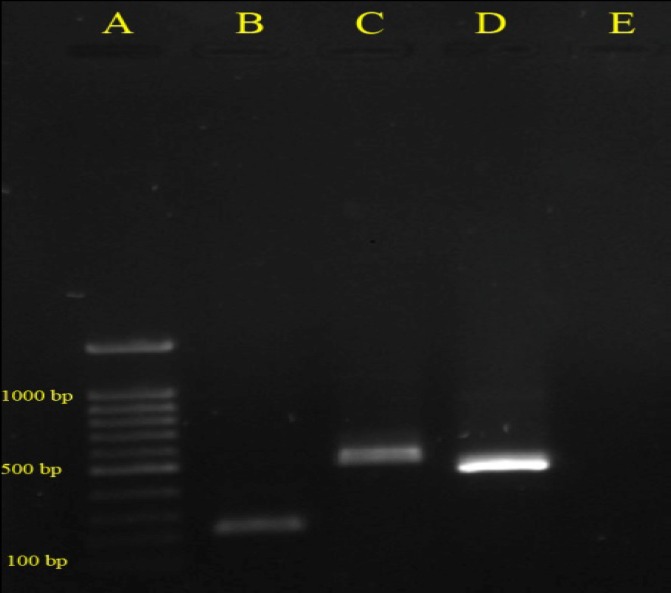
A total of 624 stool samples were randomly collected from patients with diarrhea from June 2013 to August 2014. Biochemical and serological characterizations were performed for identifying Shigella spp. In addition, the multiplex PCR assay was carried out for the detection and differentiation of three pathogenic Shigella spp. Antibiotic susceptibility testing was performed according to the Clinical Laboratory Standards Institute (CLSI) guidelines.
Fifty six (9%) Shigella strains were isolated from stool samples. The most common species were S. flexneri 31(55.4%), followed by S . sonnei 18(32.1%) and S. boydii 7(12.5%). S. dysentery was not detected in the present study. All the isolates that identified by serological test as Shigella spp. were confirmed by the multiplex PCR method. The highest rate of resistance was observed for ampicillin and trimethoprim-sulphamethoxazole antibiotics with 52(92.9%) resistant, followed by tetracycline 44(78.6%) and cefotaxime 33(58.9%). All Shigella isolates were susceptible to ciprofloxacin. A significant relationship was found between the Shigella species and cefotaxime resistance (p<0.05).
S. flexneri was found as the most prevalent serogroup causing shigellosis. The high rate of resistance to third-generation cephalosporins limits the treatment options available for the management of shigellosis in Kerman, Iran.
本研究旨在确定从伊朗东南部克尔曼腹泻患者中分离出的志贺氏菌属的血清群分布、分子诊断以及抗菌药物耐药谱。
志贺氏菌属是全球细菌性痢疾的常见病因。先前的研究报道,宋内志贺氏菌和福氏志贺氏菌是伊朗各地最普遍的血清群。
2013年6月至2014年8月期间,从腹泻患者中随机收集了624份粪便样本。进行生化和血清学鉴定以识别志贺氏菌属。此外,采用多重聚合酶链反应(PCR)检测法对三种致病性志贺氏菌属进行检测和鉴别。根据临床实验室标准协会(CLSI)指南进行抗生素敏感性试验。
从粪便样本中分离出56株(9%)志贺氏菌菌株。最常见的菌种是福氏志贺氏菌[31株(55.4%)],其次是宋内志贺氏菌[18株(32.1%)]和鲍氏志贺氏菌[7株(12.5%)]。本研究未检测到痢疾志贺氏菌。所有经血清学检测鉴定为志贺氏菌属的分离株均通过多重PCR方法得到确认。氨苄西林和甲氧苄啶-磺胺甲恶唑抗生素的耐药率最高,有52株(92.9%)耐药,其次是四环素[44株(78.6%)]和头孢噻肟[33株(58.9%)]。所有志贺氏菌分离株对环丙沙星敏感。发现志贺氏菌种与头孢噻肟耐药之间存在显著相关性(p<0.05)。
福氏志贺氏菌是导致志贺氏菌病最普遍的血清群。对第三代头孢菌素的高耐药率限制了伊朗克尔曼治疗志贺氏菌病的可用治疗选择。