Makkar S K, Rath N C, Packialakshmi B, Zhou Z Y, Huff G R, Donoghue A M
Poultry Production & Product Safety Research Unit, Agricultural Research Service, USDA, Fayetteville, Arkansas, United States of America.
Department of Poultry Science, University of Arkansas, Fayetteville, Arkansas, United States of America.
PLoS One. 2016 Jul 27;11(7):e0159433. doi: 10.1371/journal.pone.0159433. eCollection 2016.
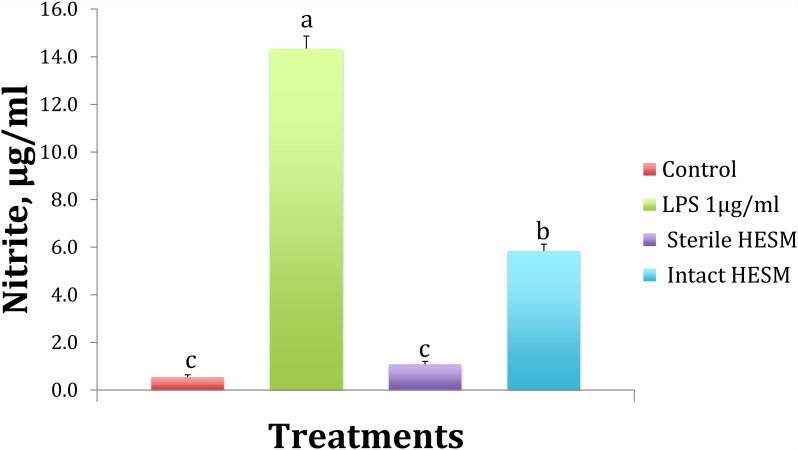
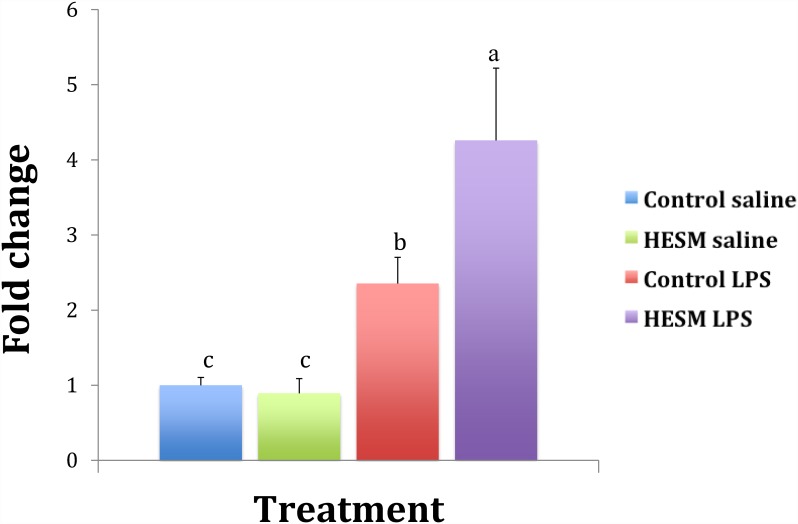
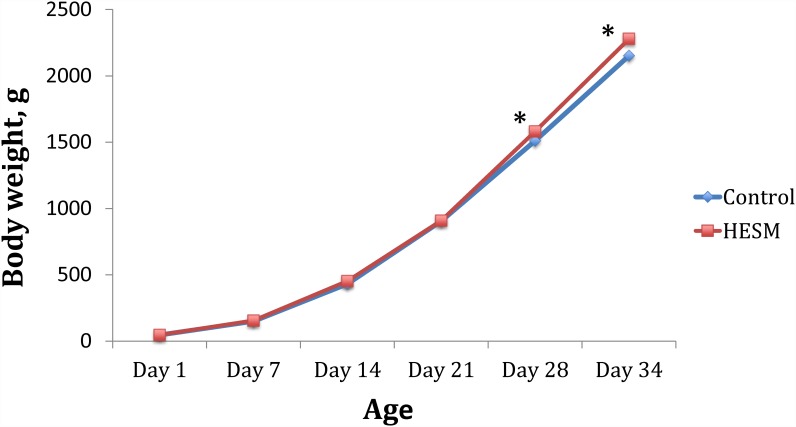
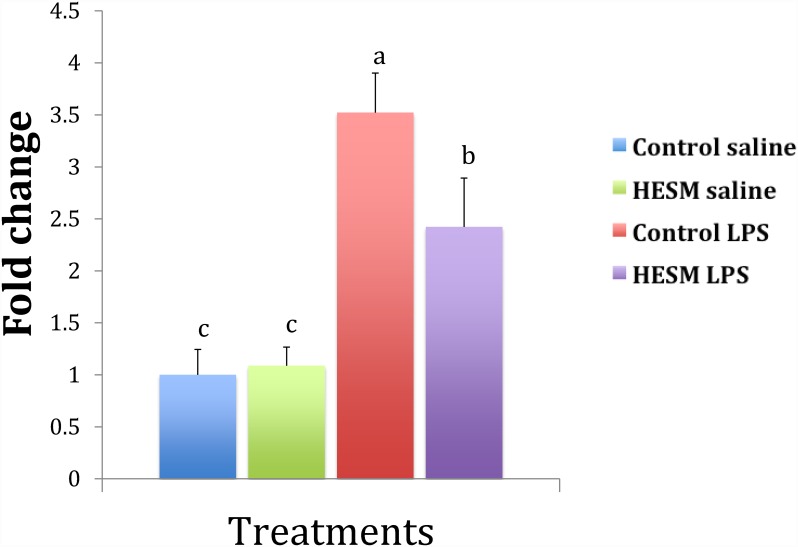
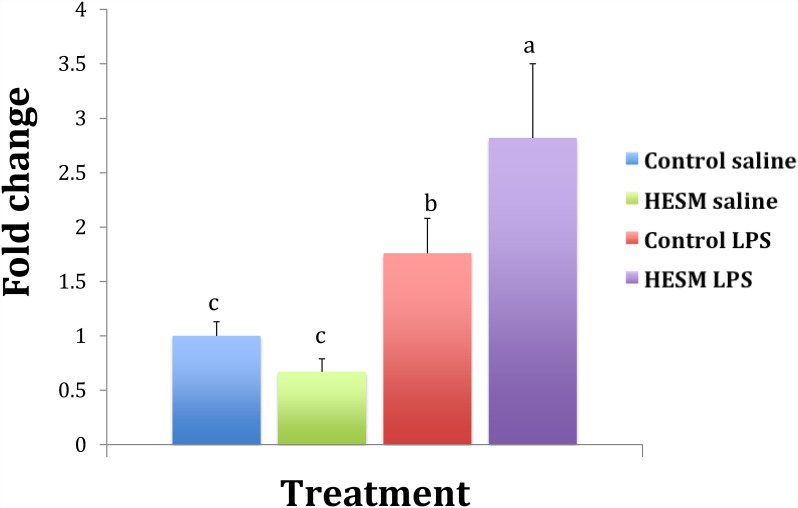
Eggshells are significant part of hatchery waste which consist of calcium carbonate crust, membranes, and proteins and peptides of embryonic origins along with other entrapped contaminants including microbes. We hypothesized that using this product as a nutritional additive in poultry diet may confer better immunity to the chickens in the paradigm of mammalian milk that enhances immunity. Therefore, we investigated the effect of hatchery eggshell membranes (HESM) as a short term feed supplement on growth performance and immunity of chickens under bacterial lipopolysaccharide (LPS) challenged condition. Three studies were conducted to find the effect of HESM supplement on post hatch chickens. In the first study, the chickens were fed either a control diet or diets containing 0.5% whey protein or HESM as supplement and evaluated at 5 weeks of age using growth, hematology, clinical chemistry, plasma immunoglobulins, and corticosterone as variables. The second and third studies were done to compare the effects of LPS on control and HESM fed birds at 5 weeks of age following at 4 and 24 h of treatment where the HESM was also sterilized with ethanol to deplete bacterial factors. HESM supplement caused weight gain in 2 experiments and decreased blood corticosterone concentrations. While LPS caused a significant loss in body weight at 24 h following its administration, the HESM supplemented birds showed significantly less body weight loss compared with the control fed birds. The WBC, heterophil/lymphocyte ratio, and the levels of IgG were low in chickens fed diets with HESM supplement compared with control diet group. LPS challenge increased the expression of pro-inflammatory cytokine gene IL-6 but the HESM fed birds showed its effect curtailed, also, which also, favored the up-regulation of anti-inflammatory genes compared with control diet fed chickens. Post hatch supplementation of HESM appears to improve performance, modulate immunity, and increase resistance of chickens to endotoxin.
蛋壳是孵化场废弃物的重要组成部分,它由碳酸钙外壳、膜、胚胎来源的蛋白质和肽以及包括微生物在内的其他夹带污染物组成。我们假设,在禽类日粮中使用这种产品作为营养添加剂,可能会像增强免疫力的哺乳动物乳汁一样,赋予鸡更好的免疫力。因此,我们研究了孵化场蛋壳膜(HESM)作为短期饲料补充剂,在细菌脂多糖(LPS)攻击条件下对鸡的生长性能和免疫力的影响。进行了三项研究以探究补充HESM对出壳后雏鸡的影响。在第一项研究中,给鸡喂食对照日粮或含有0.5%乳清蛋白或HESM作为补充剂的日粮,并在5周龄时以生长、血液学、临床化学、血浆免疫球蛋白和皮质酮作为变量进行评估。第二项和第三项研究是为了比较LPS对5周龄对照鸡和HESM喂养鸡的影响,在处理4小时和24小时后进行,其中HESM也用乙醇消毒以去除细菌因素。在两项实验中,补充HESM导致体重增加,并降低了血液皮质酮浓度。虽然LPS给药后24小时体重显著下降,但补充HESM的鸡与对照喂养的鸡相比,体重下降明显较少。与对照日粮组相比,补充HESM日粮的鸡白细胞、嗜异性粒细胞/淋巴细胞比率和IgG水平较低。LPS攻击增加了促炎细胞因子基因IL-6的表达,但HESM喂养的鸡显示其影响受到抑制,而且与对照日粮喂养的鸡相比,这也有利于抗炎基因的上调。出壳后补充HESM似乎可以改善性能、调节免疫力并增加鸡对内毒素的抵抗力。