Wang Da-Shin, Fan Shih-Kang
Department of Mechanical Engineering, National Taiwan University, Taipei 10617, Taiwan.
Sensors (Basel). 2016 Jul 27;16(8):1175. doi: 10.3390/s16081175.
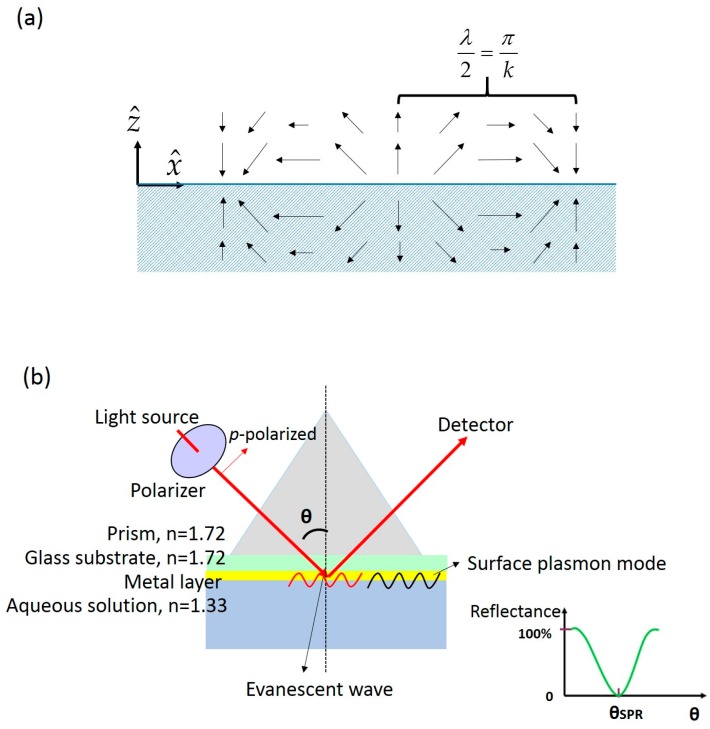
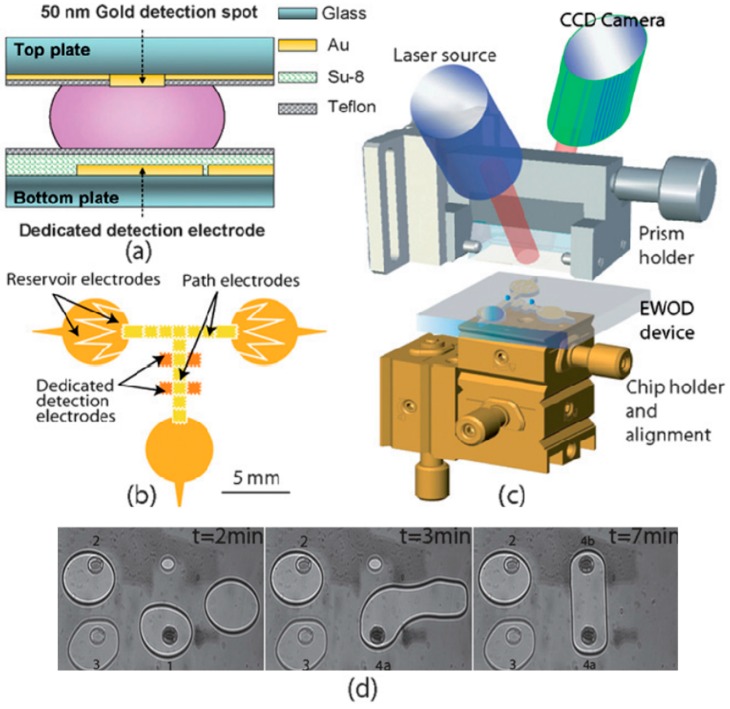
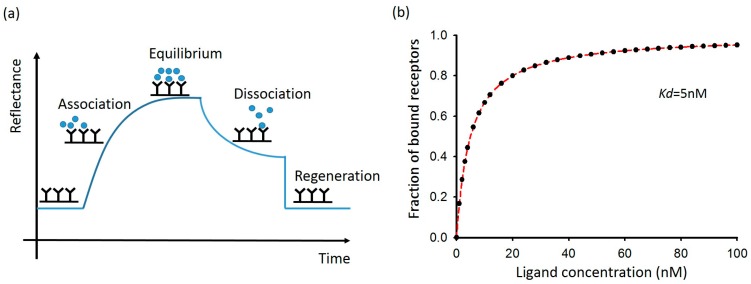
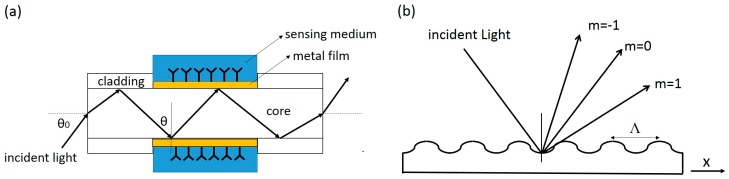
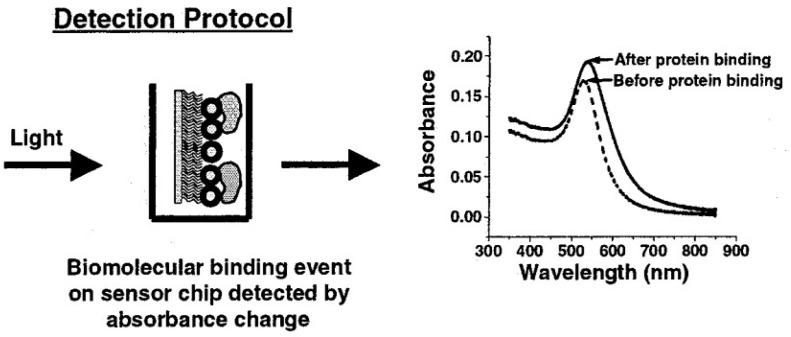
Surface plasmon resonance (SPR) is a label-free, highly-sensitive, and real-time sensing technique. Conventional SPR sensors, which involve a planar thin gold film, have been widely exploited in biosensing; various miniaturized formats have been devised for portability purposes. Another type of SPR sensor which utilizes localized SPR (LSPR), is based on metal nanostructures with surface plasmon modes at the structural interface. The resonance condition is sensitive to the refractive index change of the local medium. The principles of these two types of SPR sensors are reviewed and their integration with microfluidic platforms is described. Further applications of microfluidic SPR sensors to point-of-care (POC) diagnostics are discussed.
表面等离子体共振(SPR)是一种无标记、高灵敏度的实时传感技术。传统的SPR传感器涉及平面薄金膜,已广泛应用于生物传感领域;为了便于携带,人们设计了各种小型化形式。另一种利用局域表面等离子体共振(LSPR)的SPR传感器,基于在结构界面具有表面等离子体模式的金属纳米结构。共振条件对局部介质的折射率变化敏感。本文综述了这两种类型SPR传感器的原理,并描述了它们与微流控平台的集成。还讨论了微流控SPR传感器在即时检测(POC)诊断中的进一步应用。