Li Jin, Wang Ying, Wang Lei, Dai Xuefeng, Cong Wang, Feng Weixing, Xu Chengzhen, Deng Yulin, Wang Yue, Skaar Todd C, Liang Hong, Liu Yunlong
College of Automation, Harbin Engineering University, 145 Nantong Street, Nangang District, Harbin, Heilongjiang, 150001, China.
Network Information Center, Qiqihar University, No.42, Wenhua Street, Qiqihar, Heilongjiang, 161006, China.
BMC Genomics. 2016 Aug 22;17 Suppl 7(Suppl 7):517. doi: 10.1186/s12864-016-2909-6.
In combination with gene expression profiles, the protein interaction network (PIN) constructs a dynamic network that includes multiple functional modules. Previous studies have demonstrated that rifampin can influence drug metabolism by regulating drug-metabolizing enzymes, transporters, and microRNAs (miRNAs). Rifampin induces gene expression, at least in part, by activating the pregnane X receptor (PXR), which induces gene expression; however, the impact of rifampin on global gene regulation has not been examined under the molecular network frameworks.
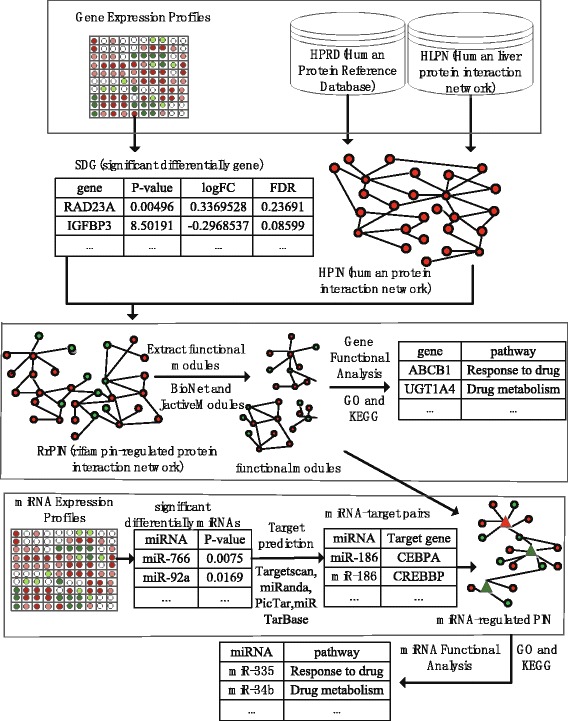
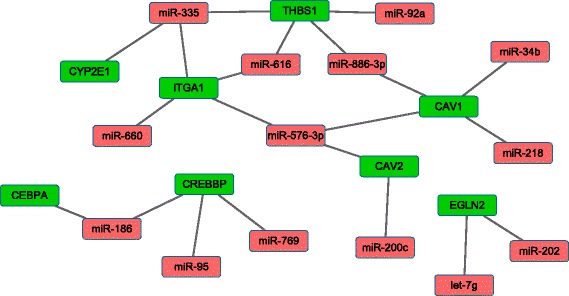
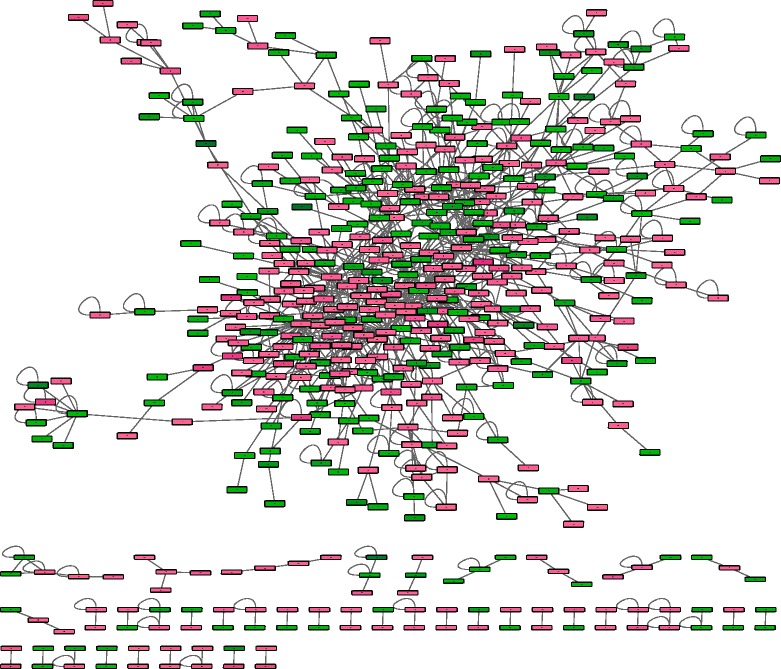
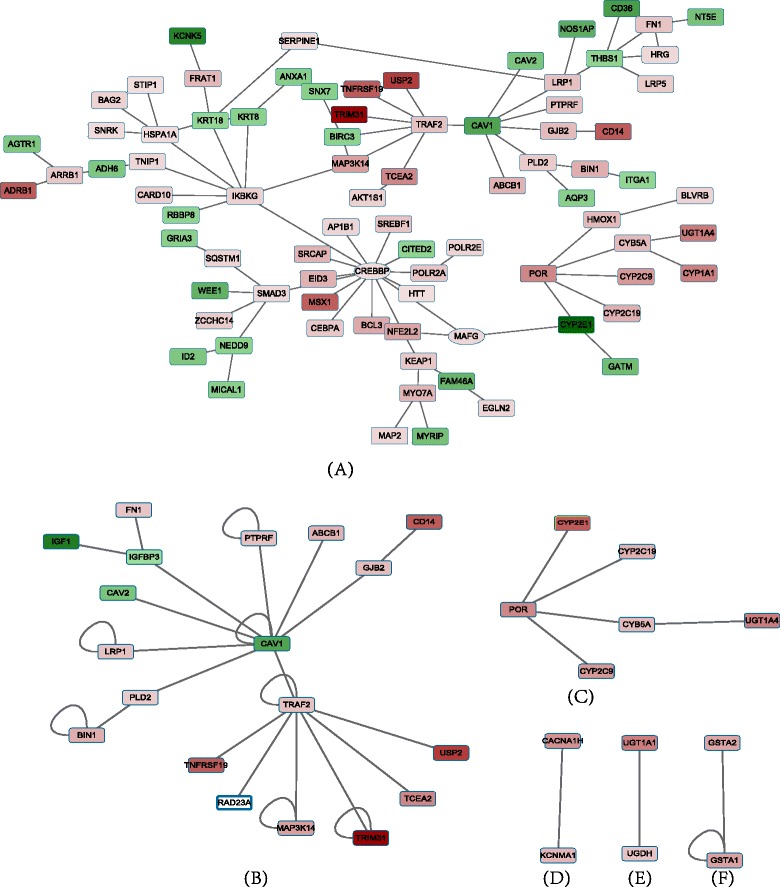
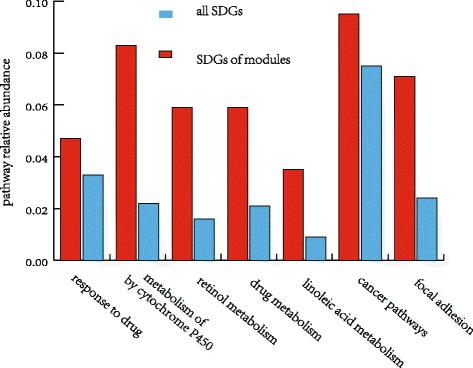
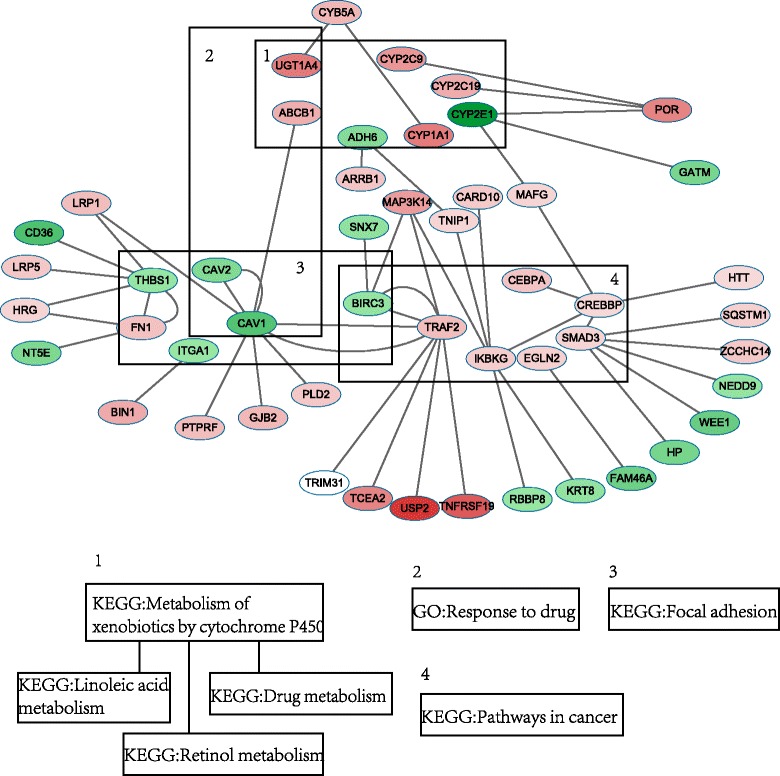
In this study, we extracted rifampin-induced significant differentially expressed genes (SDG) based on the gene expression profile. By integrating the SDG and human protein interaction network (HPIN), we constructed the rifampin-regulated protein interaction network (RrPIN). Based on gene expression measurements, we extracted a subnetwork that showed enriched changes in molecular activity. Using the Kyoto Encyclopedia of Genes and Genomes (KEGG), we identified the crucial rifampin-regulated biological pathways and associated genes. In addition, genes targeted by miRNAs that were significantly differentially expressed in the miRNA expression profile were extracted based on the miRNA-gene prediction tools. The miRNA-regulated PIN was further constructed using associated genes and miRNAs. For each miRNA, we further evaluated the potential impact by the gene interaction network using pathway analysis. RESULTS AND DISCCUSSION: We extracted the functional modules, which included 84 genes and 89 interactions, from the RrPIN, and identified 19 key rifampin-response genes that are associated with seven function pathways that include drug response and metabolism, and cancer pathways; many of the pathways were supported by previous studies. In addition, we identified that a set of 6 genes (CAV1, CREBBP, SMAD3, TRAF2, KBKG, and THBS1) functioning as gene hubs in the subnetworks that are regulated by rifampin. It is also suggested that 12 differentially expressed miRNAs were associated with 6 biological pathways.
Our results suggest that rifampin contributes to changes in the expression of genes by regulating key molecules in the protein interaction networks. This study offers valuable insights into rifampin-induced biological mechanisms at the level of miRNAs, genes and proteins.
蛋白质相互作用网络(PIN)与基因表达谱相结合,构建了一个包含多个功能模块的动态网络。先前的研究表明,利福平可通过调节药物代谢酶、转运蛋白和微小RNA(miRNA)来影响药物代谢。利福平至少部分地通过激活孕烷X受体(PXR)来诱导基因表达,而PXR也可诱导基因表达;然而,在分子网络框架下,尚未研究利福平对整体基因调控的影响。
在本研究中,我们基于基因表达谱提取了利福平诱导的显著差异表达基因(SDG)。通过整合SDG和人类蛋白质相互作用网络(HPIN),我们构建了利福平调控的蛋白质相互作用网络(RrPIN)。基于基因表达测量,我们提取了一个在分子活性方面显示出富集变化的子网。使用京都基因与基因组百科全书(KEGG),我们确定了关键的利福平调控生物途径和相关基因。此外,基于miRNA-基因预测工具,提取了在miRNA表达谱中显著差异表达的miRNA靶向的基因。使用相关基因和miRNA进一步构建了miRNA调控的PIN。对于每个miRNA,我们使用途径分析通过基因相互作用网络进一步评估其潜在影响。结果与讨论:我们从RrPIN中提取了功能模块,其中包括84个基因和89个相互作用,并确定了19个关键的利福平反应基因,这些基因与包括药物反应和代谢以及癌症途径在内的7个功能途径相关;许多途径得到了先前研究的支持。此外我们确定一组6个基因(CAV1、CREBBP、SMAD3、TRAF2、KBKG和THBS1)在受利福平调控的子网中作为基因枢纽发挥作用。还表明12个差异表达的miRNA与6个生物途径相关。
我们的结果表明,利福平通过调节蛋白质相互作用网络中的关键分子来促成基因表达的变化。本研究在miRNA、基因和蛋白质水平上为利福平诱导的生物学机制提供了有价值的见解。