Syed Najmuddin Syed Umar Faruq, Romli Muhammad Firdaus, Hamid Muhajir, Alitheen Noorjahan Banu, Nik Abd Rahman Nik Mohd Afizan
Faculty of Biotechnology and Biomolecular Sciences, Universiti Putra Malaysia, Serdang, Selangor, Malaysia.
BMC Complement Altern Med. 2016 Aug 24;16(1):311. doi: 10.1186/s12906-016-1290-y.
Annona muricata Linn which comes from Annonaceae family possesses many therapeutic benefits as reported in previous studies and to no surprise, it has been used in many cultures to treat various ailments including headaches, insomnia, and rheumatism to even treating cancer. However, Annona muricata Linn obtained from different cultivation area does not necessarily offer the same therapeutic effects towards breast cancer (in regards to its bioactive compound production). In this study, anti-proliferative and anti-cancer effects of Annona muricata crude extract (AMCE) on breast cancer cell lines were evaluated.
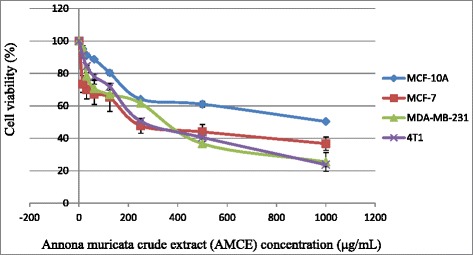
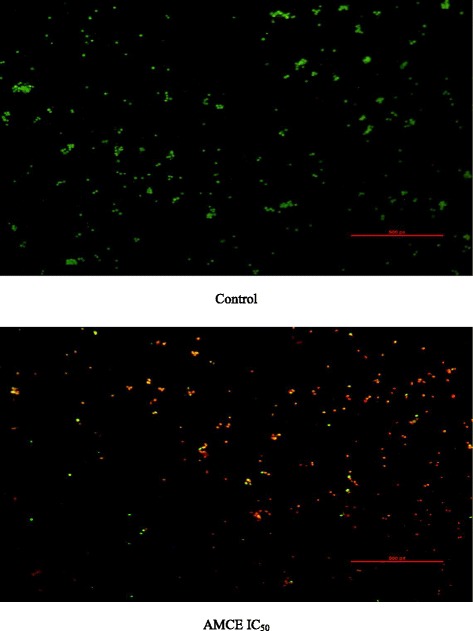
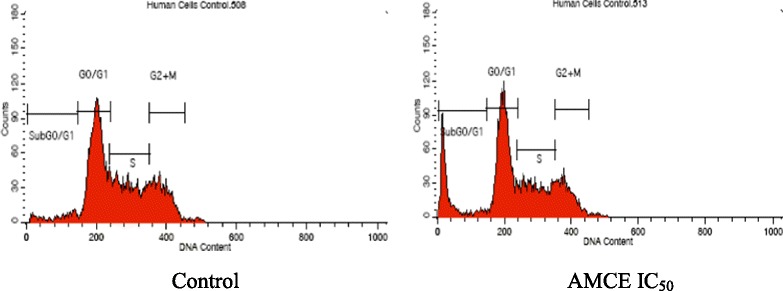
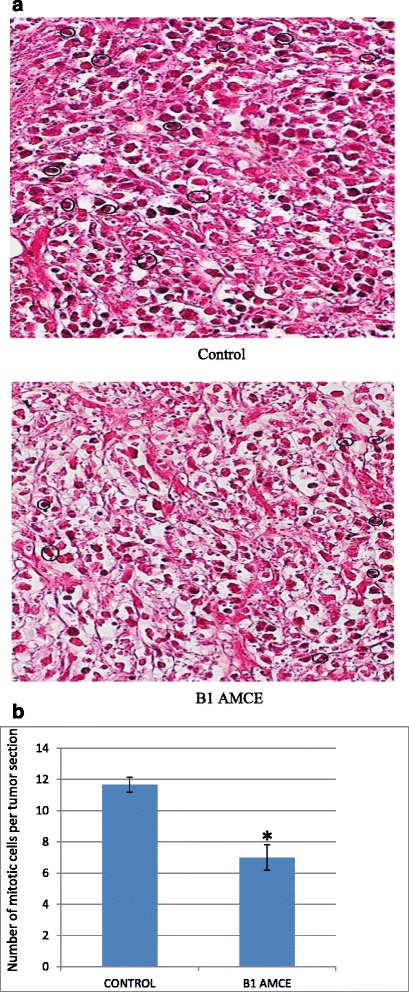
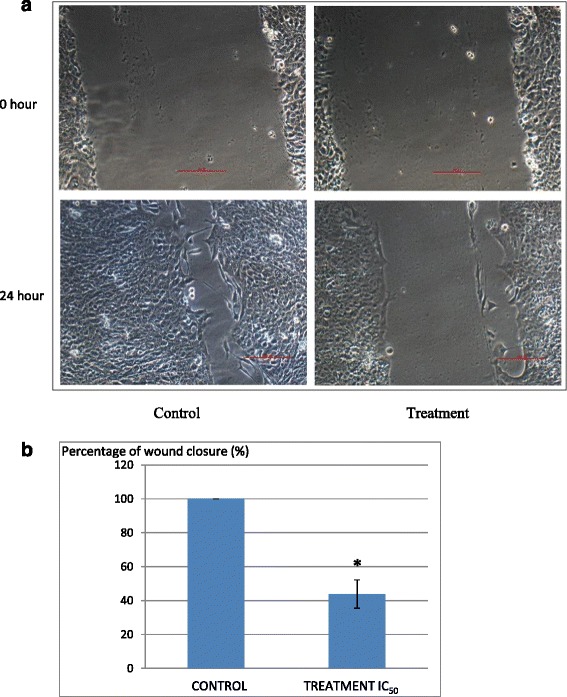
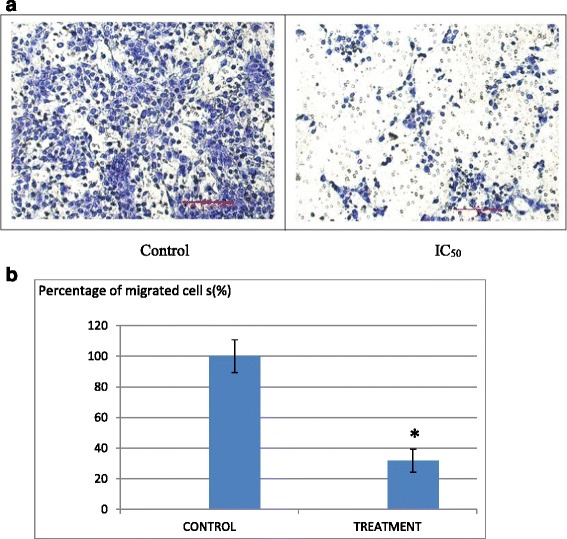
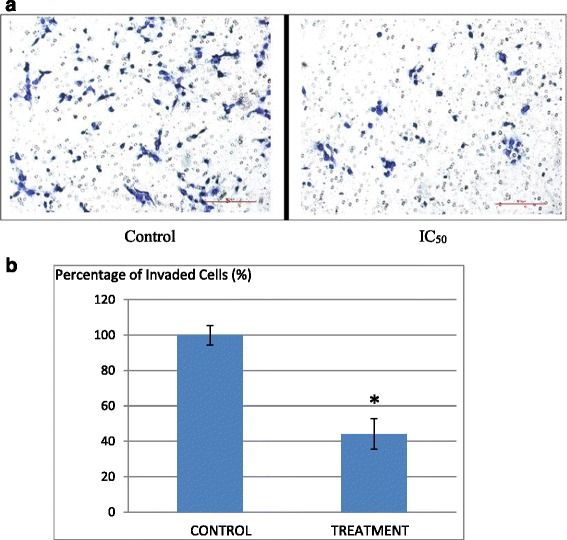
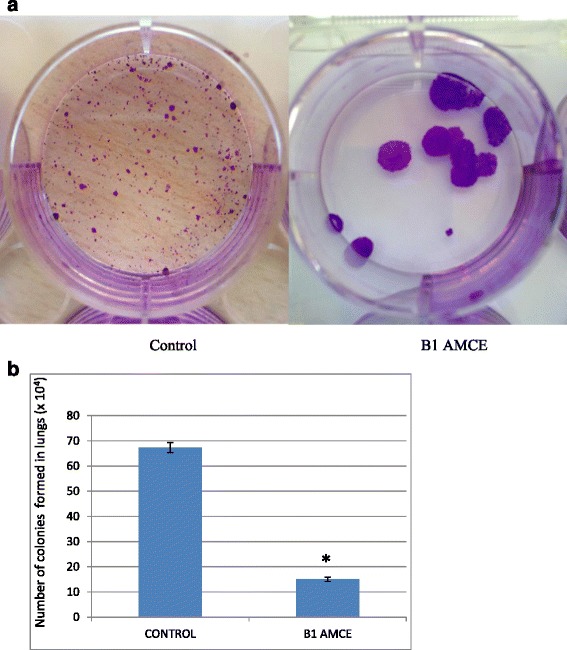
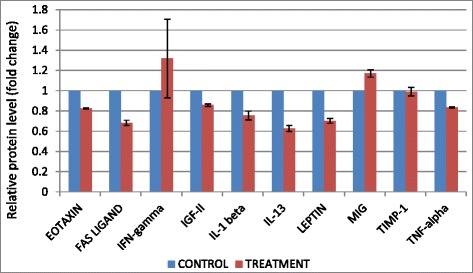
A screening of nineteen samples of Annona muricata from different location was determined by MTT assay on breast cancer cell lines (MCF-7, MDA-MB-231, and 4 T1) which revealed a varied potency (IC50) amongst them. Then, based on the IC50 profile from the anti-proliferative assay, further downward assays such as cell cycle analysis, Annexin V/FITC, AO/PI, migration, invasion, and wound healing assay were performed only with the most potent leaf aqueous extract (B1 AMCE) on 4 T1 breast cancer cell line to investigate its anti-cancer effect. Then, the in vivo anti-cancer study was conducted where mice were fed with extract after inducing the tumor. At the end of the experiment, histopathology of tumor section, tumor nitric oxide level, tumor malondialdehyde level, clonogenic assay, T cell immunophenotyping, and proteome profiler analysis were performed.
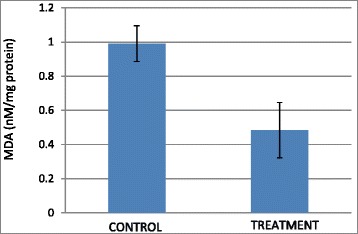
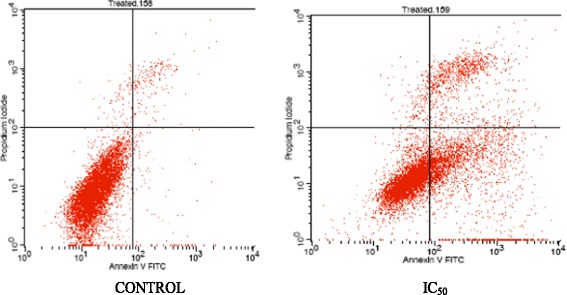
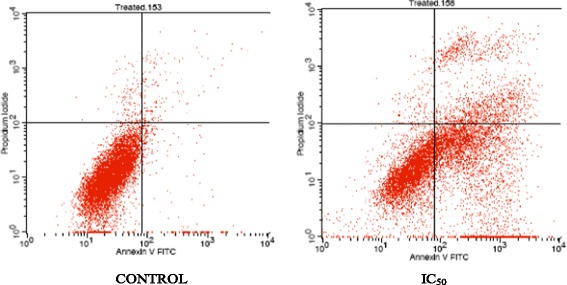
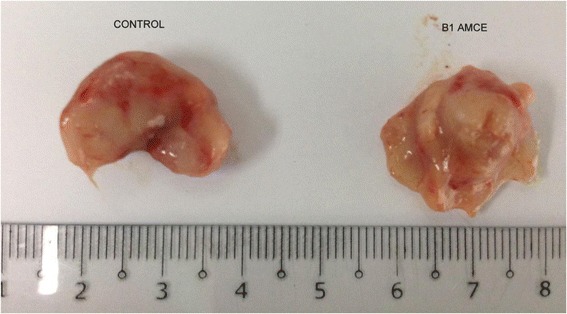
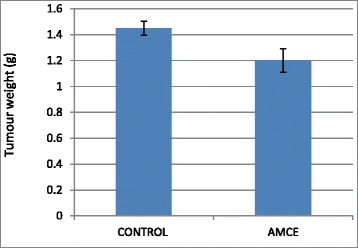
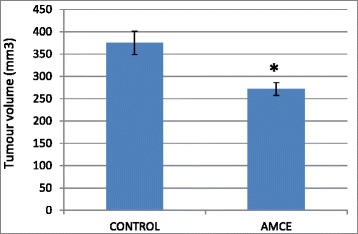
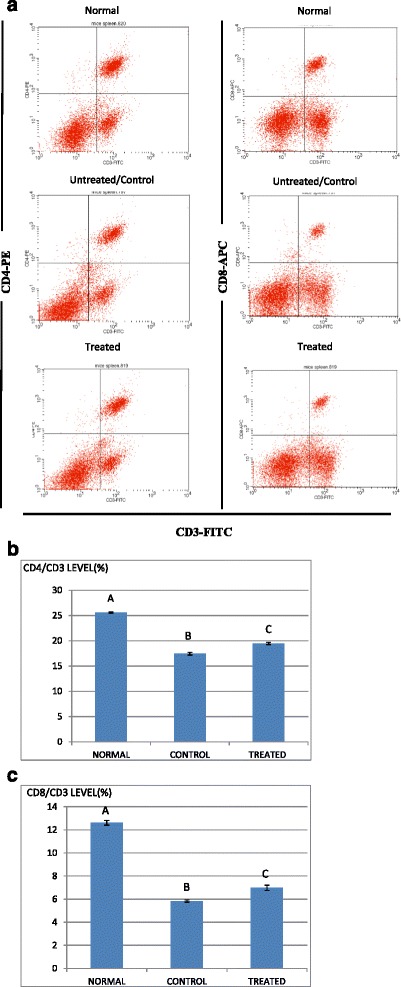
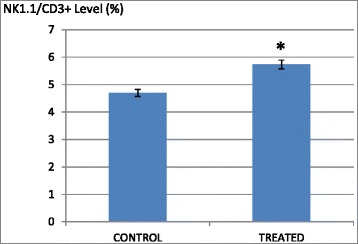
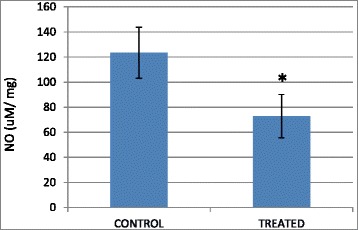
Annona muricata crude extract samples exhibited different level of cytotoxicity toward breast cancer cell lines. The selected B1 AMCE reduced the tumor's size and weight, showed anti-metastatic features, and induced apoptosis in vitro and in vivo of the 4 T1 cells. Furthermore, it decreased the level of nitric oxide and malondialdehyde in tumor while also increased the level of white blood cell, T-cell, and natural killer cell population.
The results suggest that, B1 AMCE is a promising candidate for cancer treatment especially in breast cancer and deserves further research as an alternative to conventional drugs while also stressed out the selection of soursop sample which plays a significant role in determining its potential therapeutic effect on cancer.
番荔枝科的刺果番荔枝(Annona muricata Linn)如先前研究所报道的那样具有许多治疗功效,不出所料,它已在许多文化中用于治疗各种疾病,包括头痛、失眠和风湿,甚至用于治疗癌症。然而,从不同种植地区获得的刺果番荔枝对乳腺癌的治疗效果不一定相同(就其生物活性化合物的产生而言)。在本研究中,评估了刺果番荔枝粗提物(AMCE)对乳腺癌细胞系的抗增殖和抗癌作用。
通过MTT法对来自不同地点的19份刺果番荔枝样品进行筛选,该方法针对乳腺癌细胞系(MCF-7、MDA-MB-231和4T1)进行,结果显示它们之间的效力(IC50)各不相同。然后,根据抗增殖试验的IC50曲线,仅对4T1乳腺癌细胞系使用最有效的叶水提取物(B1 AMCE)进行进一步的下游试验,如细胞周期分析、膜联蛋白V/FITC、AO/PI、迁移、侵袭和伤口愈合试验,以研究其抗癌作用。接着,进行体内抗癌研究,在诱导肿瘤后给小鼠喂食提取物。在实验结束时,对肿瘤切片进行组织病理学检查、检测肿瘤一氧化氮水平、肿瘤丙二醛水平、克隆形成试验、T细胞免疫表型分析和蛋白质组分析。
刺果番荔枝粗提物样品对乳腺癌细胞系表现出不同程度的细胞毒性。所选的B1 AMCE减小了肿瘤的大小和重量,显示出抗转移特性,并在4T1细胞的体外和体内诱导凋亡。此外,它降低了肿瘤中一氧化氮和丙二醛的水平,同时还增加了白细胞、T细胞和自然杀伤细胞群体的水平。
结果表明,B1 AMCE是癌症治疗尤其是乳腺癌治疗的一个有前景的候选物,作为传统药物的替代品值得进一步研究,同时也强调了刺果番荔枝样品的选择在确定其对癌症潜在治疗效果方面起着重要作用。