Division of Infectious Diseases, Department of Medicine, Chang Gung Memorial Hospital and Chang Gung University, Taoyuan- 33333, Taiwan.
Division of Hepatogastroenterology, Department of Medicine, Chang Gung Memorial Hospital and Chang Gung University, Taoyuan- 33333, Taiwan.
Sci Rep. 2016 Sep 6;6:32973. doi: 10.1038/srep32973.
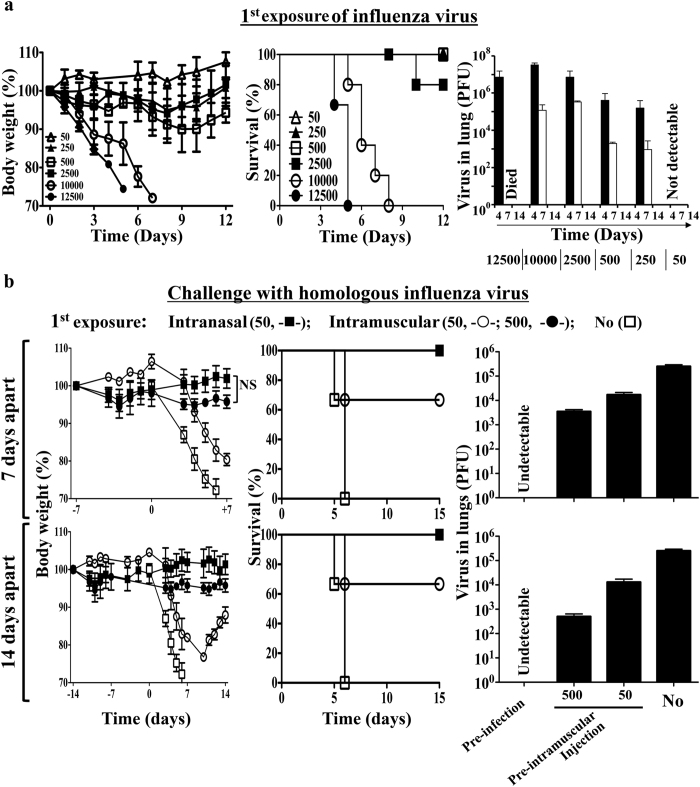
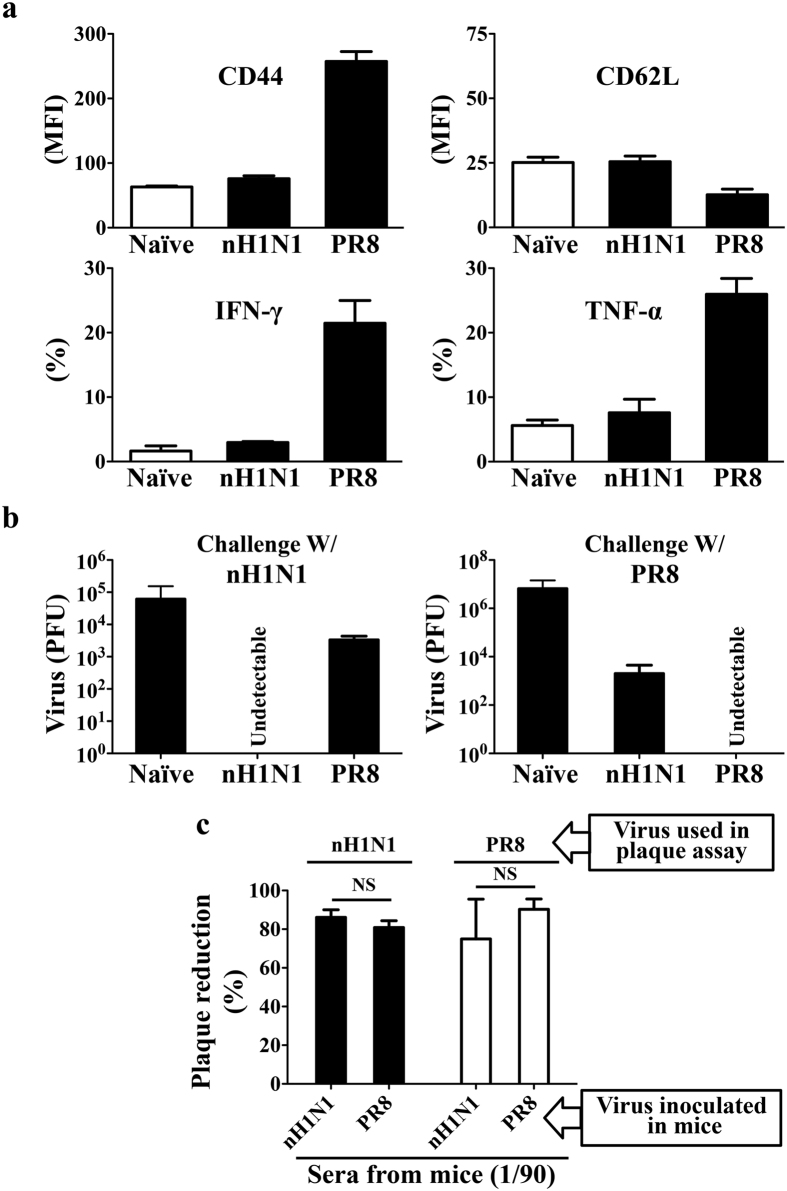
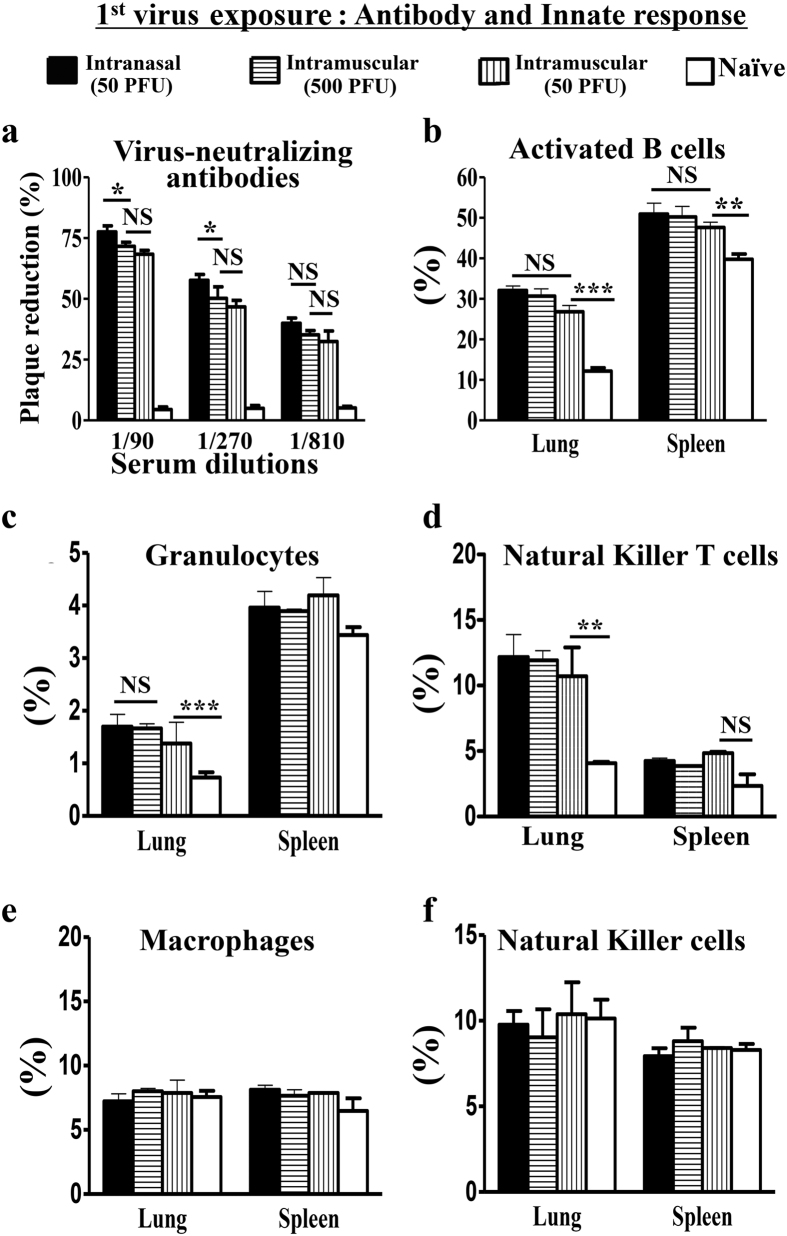
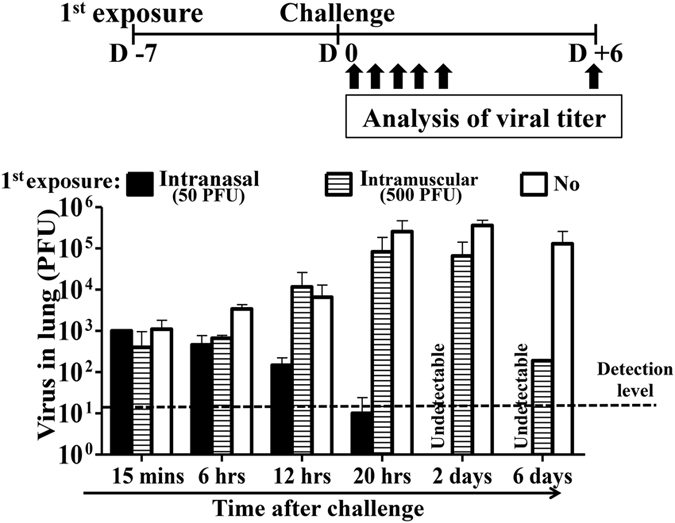
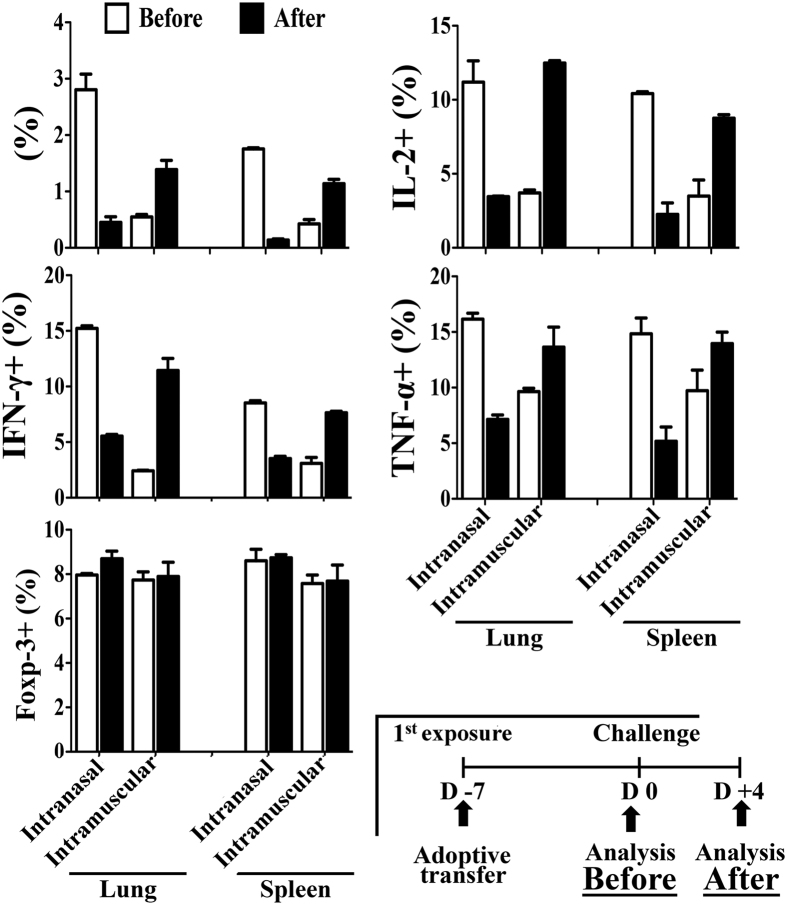
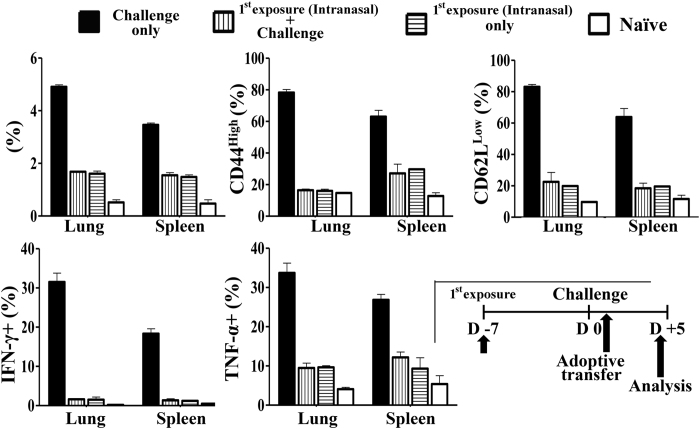
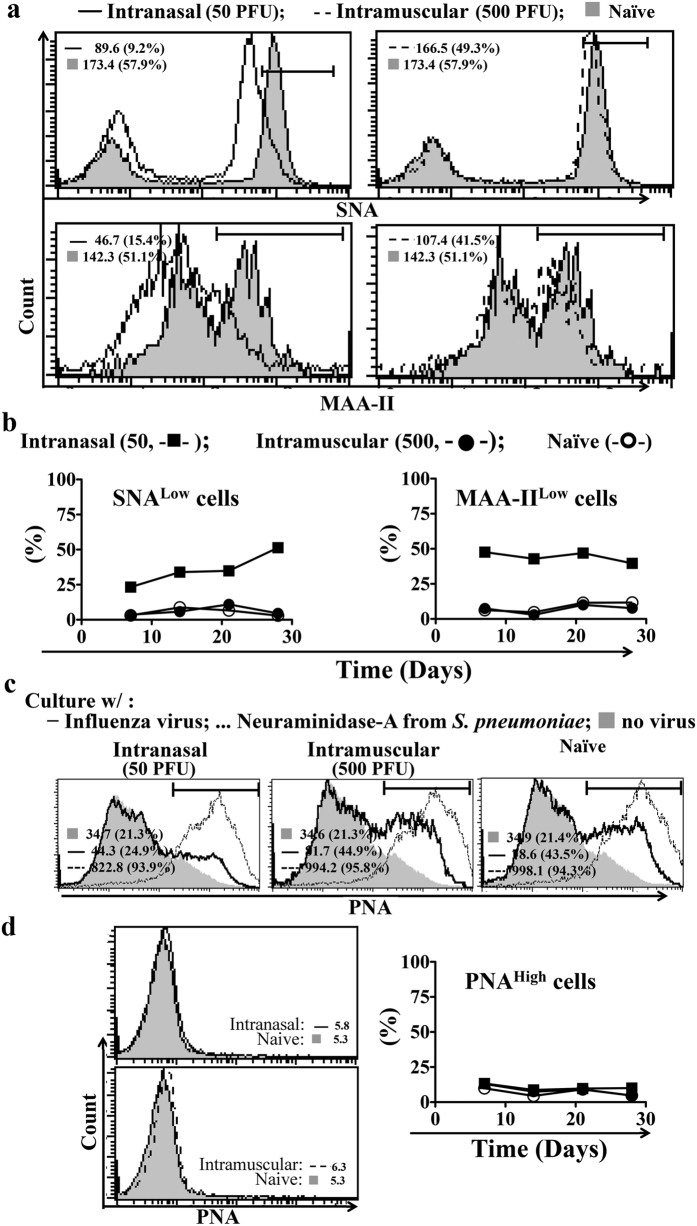
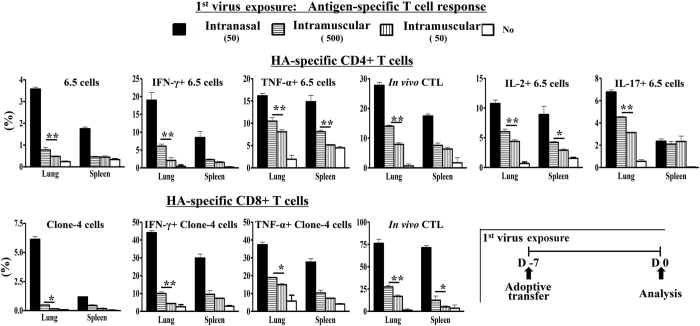
Sterilizing immunity is a unique immune status, which prevents effective virus infection into the host. It is different from the immunity that allows infection but with subsequent successful eradication of the virus. Pre-infection induces sterilizing immunity to homologous influenza virus challenge in ferret. In our antigen-specific experimental system, mice pre-infected with PR8 influenza virus through nasal route are likewise resistant to reinfection of the same strain of virus. The virus is cleared before establishment of effective infection. Intramuscular influenza virus injection confers protection against re-infection with facilitated virus clearance but not sterilizing immunity. Pre-infection and intramuscular injection generates comparable innate immunity and antibody response, but only pre-infection induces virus receptor reduction and efficient antigen-specific T cell response in the lungs. Pre-infection with nH1N1 influenza virus induces virus receptor reduction but not PR8-specific T cell immune response in the lungs and cannot prevent infection of PR8 influenza virus. Pre-infection with PR8 virus induced PR8-specific T cell response in the lungs but cannot prevent infection of nH1N1 virus either. These results reveal that antigen-specific T cell immunity is required for sterilizing immunity.
译文: 绝育免疫是一种独特的免疫状态,可防止有效病毒感染宿主。它与允许感染但随后成功清除病毒的免疫不同。在雪貂中,感染前可诱导针对同源流感病毒的绝育免疫。在我们的抗原特异性实验系统中,通过鼻腔途径预先感染 PR8 流感病毒的小鼠同样对同一株病毒的再感染具有抗性。在建立有效感染之前,病毒被清除。肌肉内流感病毒注射可预防再感染和促进病毒清除,但不能诱导绝育免疫。感染前和肌肉内注射可产生相当的先天免疫和抗体反应,但只有感染前可诱导病毒受体减少和肺部有效的抗原特异性 T 细胞反应。用 nH1N1 流感病毒感染前可诱导肺部病毒受体减少,但不能诱导 PR8 特异性 T 细胞免疫反应,也不能预防 PR8 流感病毒感染。用 PR8 病毒感染前可诱导肺部的 PR8 特异性 T 细胞反应,但也不能预防 nH1N1 病毒的感染。这些结果表明,抗原特异性 T 细胞免疫是绝育免疫所必需的。