Koren Dorit, Dumin Magdalena, Gozal David
Section of Adult and Pediatric Endocrinology, Diabetes, and Metabolism, Department of Medicine; Section of Pediatric Sleep Medicine.
Section of Adult and Pediatric Endocrinology, Diabetes, and Metabolism, Department of Medicine.
Diabetes Metab Syndr Obes. 2016 Aug 25;9:281-310. doi: 10.2147/DMSO.S95120. eCollection 2016.
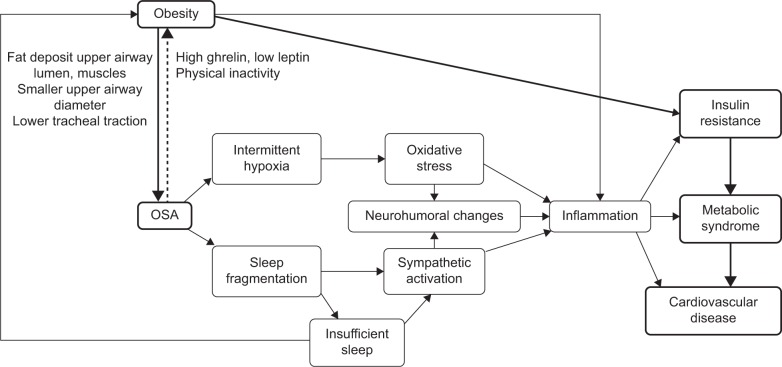
Emerging evidence has assigned an important role to sleep as a modulator of metabolic homeostasis. The impact of variations in sleep duration, sleep-disordered breathing, and chronotype to cardiometabolic function encompasses a wide array of perturbations spanning from obesity, insulin resistance, type 2 diabetes, the metabolic syndrome, and cardiovascular disease risk and mortality in both adults and children. Here, we critically and extensively review the published literature on such important issues and provide a comprehensive overview of the most salient pathophysiologic pathways underlying the links between sleep, sleep disorders, and cardiometabolic functioning.
新出现的证据表明,睡眠作为代谢稳态的调节因子具有重要作用。睡眠时间变化、睡眠呼吸障碍和昼夜节律类型对心脏代谢功能的影响涉及一系列干扰,包括肥胖、胰岛素抵抗、2型糖尿病、代谢综合征以及成人和儿童的心血管疾病风险和死亡率。在此,我们对关于这些重要问题的已发表文献进行了批判性和广泛的综述,并全面概述了睡眠、睡眠障碍与心脏代谢功能之间联系的最显著病理生理途径。