Costa Tiago R D, Ilangovan Aravindan, Ukleja Marta, Redzej Adam, Santini Joanne M, Smith Terry K, Egelman Edward H, Waksman Gabriel
Institute of Structural and Molecular Biology, University College London and Birkbeck, Malet Street, London WC1E 7HX, UK.
BSRC, School of Biology, University of St Andrews, St Andrews KY16 9AJ, UK.
Cell. 2016 Sep 8;166(6):1436-1444.e10. doi: 10.1016/j.cell.2016.08.025.
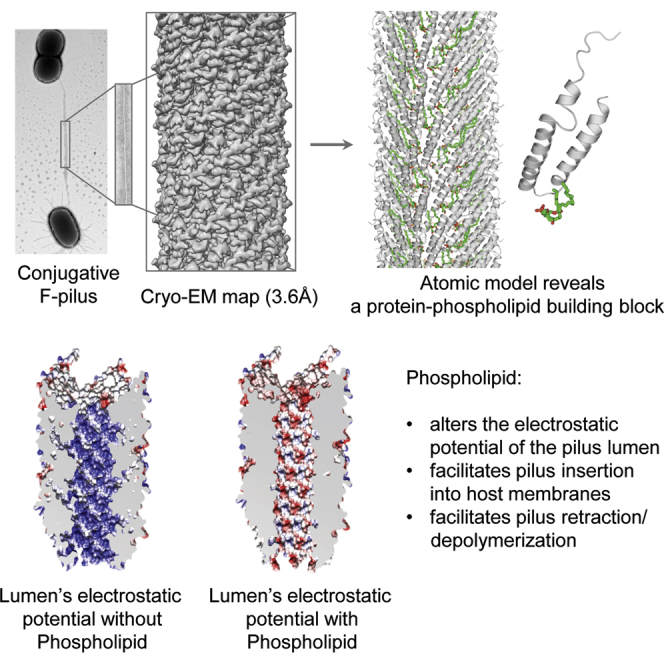
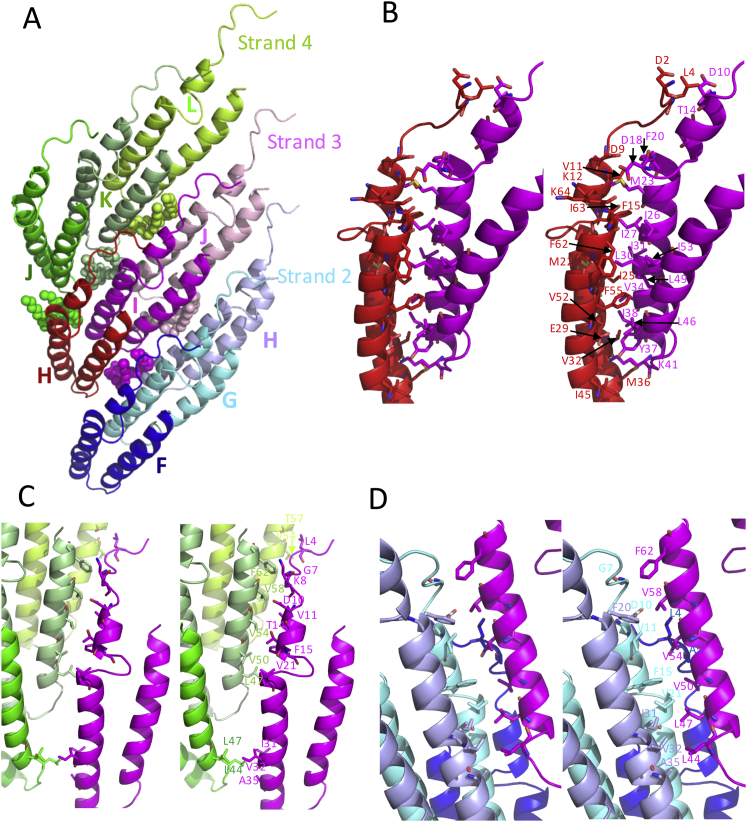
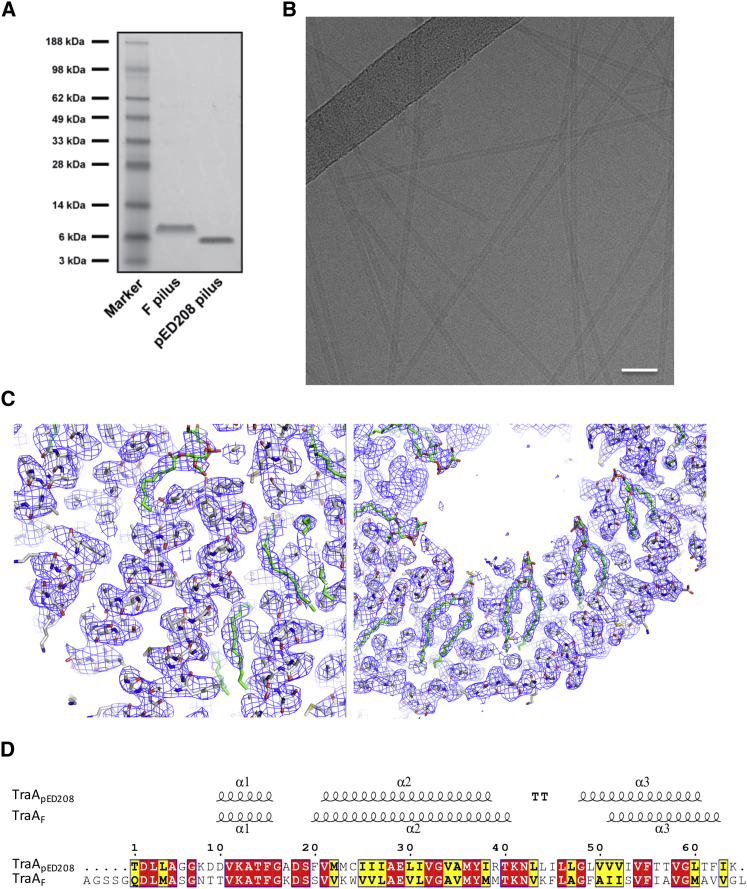
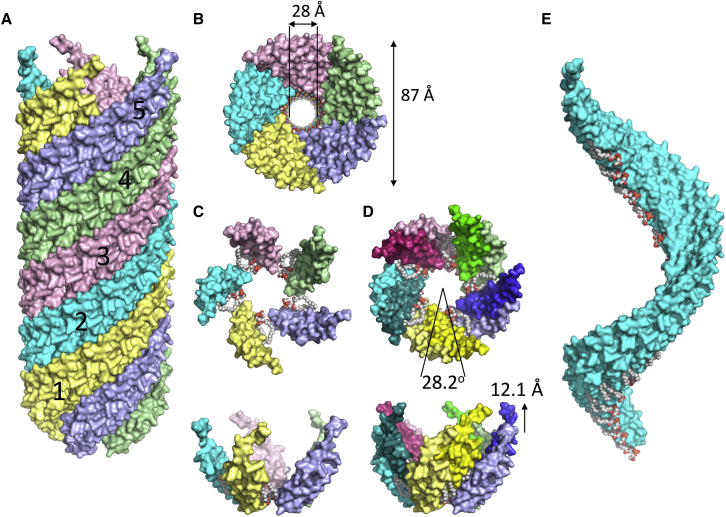
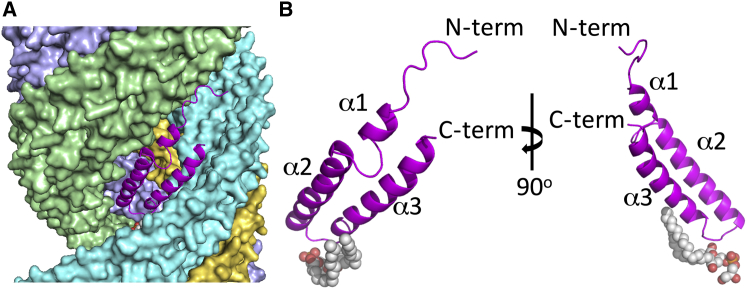
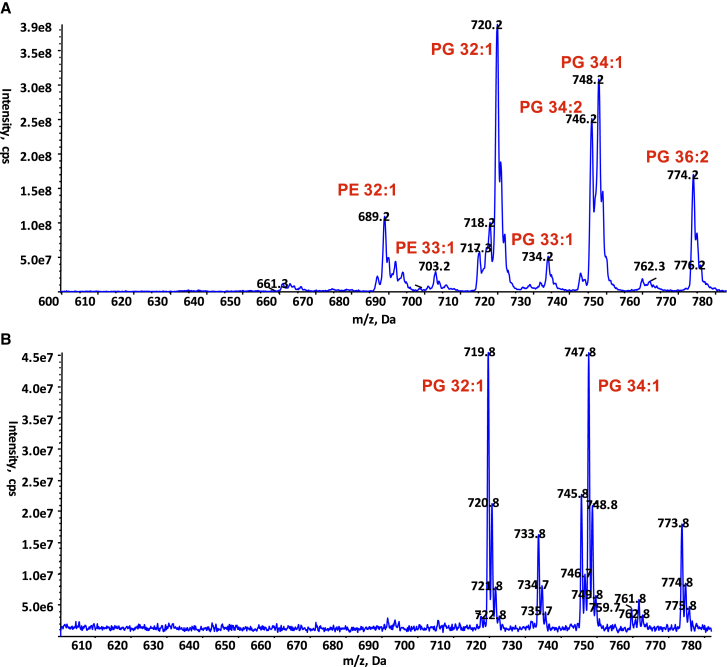
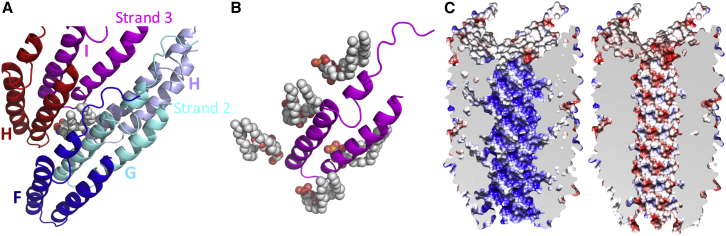
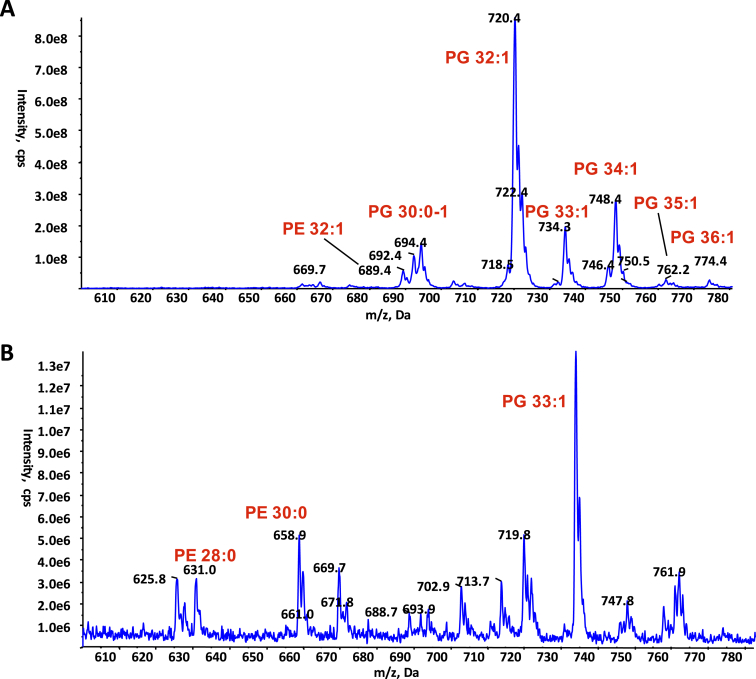
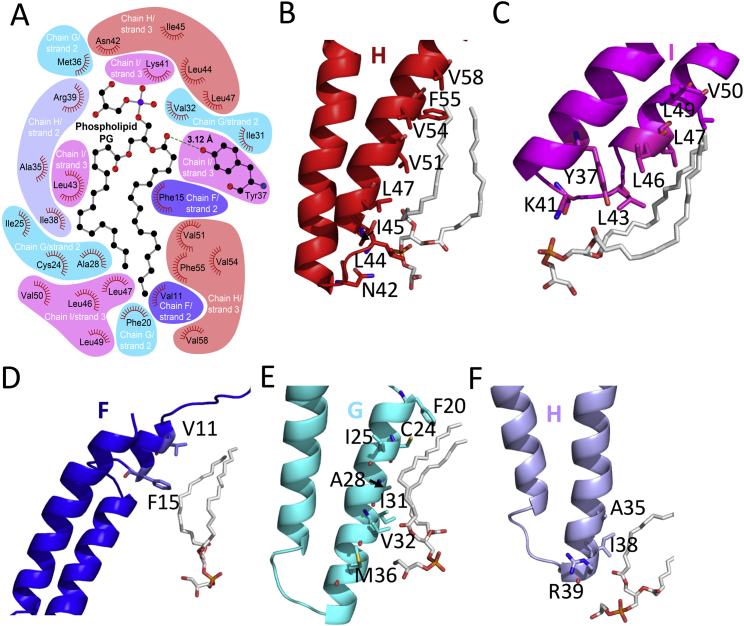
Conjugative pili are widespread bacterial appendages that play important roles in horizontal gene transfer, in spread of antibiotic resistance genes, and as sites of phage attachment. Among conjugative pili, the F "sex" pilus encoded by the F plasmid is the best functionally characterized, and it is also historically the most important, as the discovery of F-plasmid-mediated conjugation ushered in the era of molecular biology and genetics. Yet, its structure is unknown. Here, we present atomic models of two F family pili, the F and pED208 pili, generated from cryoelectron microscopy reconstructions at 5.0 and 3.6 Å resolution, respectively. These structures reveal that conjugative pili are assemblies of stoichiometric protein-phospholipid units. We further demonstrate that each pilus type binds preferentially to particular phospholipids. These structures provide the molecular basis for F pilus assembly and also shed light on the remarkable properties of conjugative pili in bacterial secretion and phage infection.
接合菌毛是广泛存在的细菌附属结构,在水平基因转移、抗生素抗性基因传播以及作为噬菌体附着位点方面发挥着重要作用。在接合菌毛中,由F质粒编码的F“性”菌毛在功能上特征最为明确,并且在历史上也是最重要的,因为F质粒介导的接合作用的发现开创了分子生物学和遗传学时代。然而,其结构尚不清楚。在此,我们展示了两种F家族菌毛(F菌毛和pED208菌毛)的原子模型,它们分别由分辨率为5.0 Å和3.6 Å的冷冻电子显微镜重建生成。这些结构表明,接合菌毛是化学计量的蛋白质 - 磷脂单元的组装体。我们进一步证明,每种菌毛类型都优先结合特定的磷脂。这些结构为F菌毛的组装提供了分子基础,也揭示了接合菌毛在细菌分泌和噬菌体感染中的显著特性。