Kansas City VA Medical Center, 4801 Linwood Boulevard, Kansas City, MO, 66128, USA.
St. Joseph's Hospital and Medical Center, Phoenix, AZ, 85013, USA.
Sci Rep. 2016 Sep 14;6:32743. doi: 10.1038/srep32743.
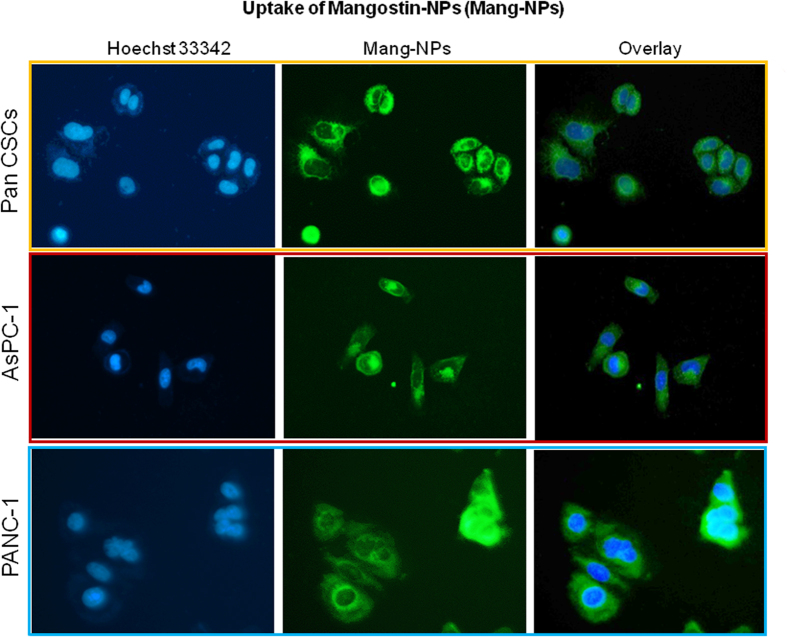
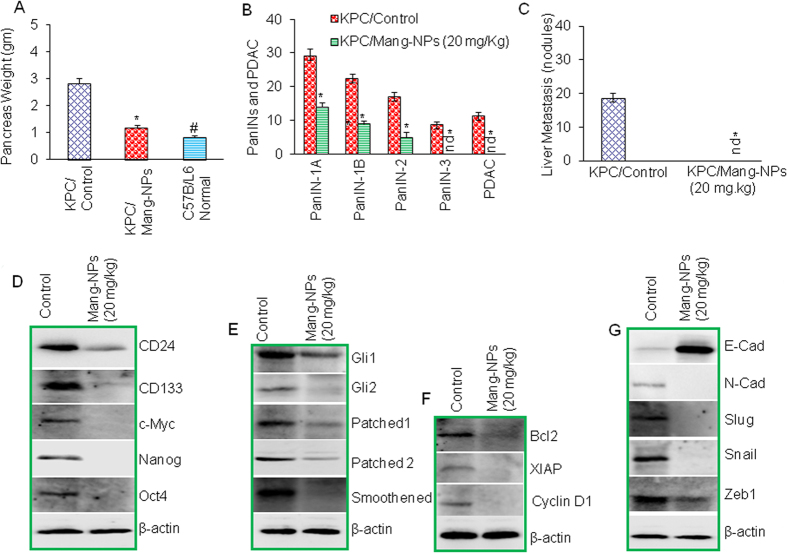
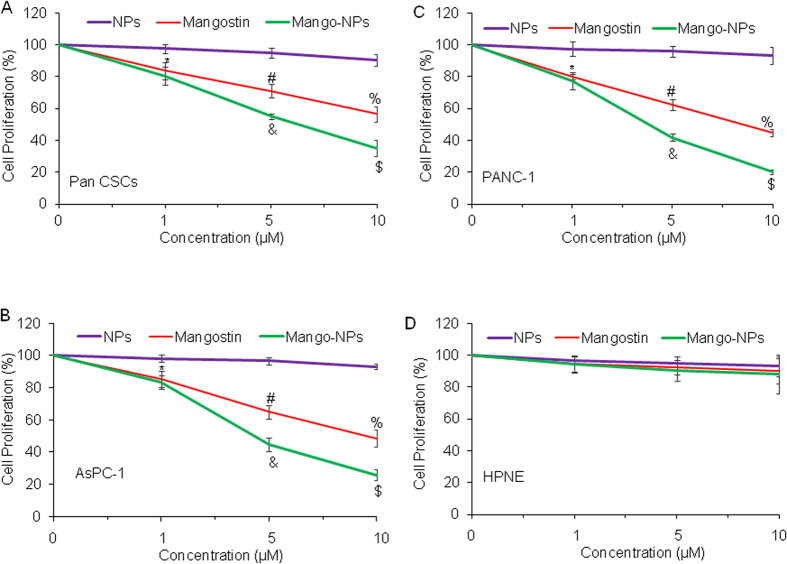
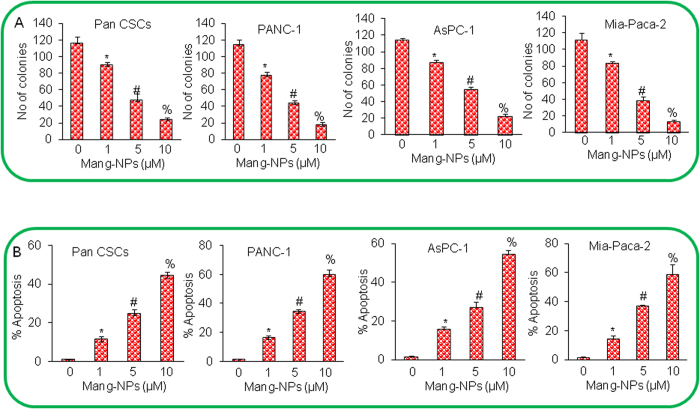
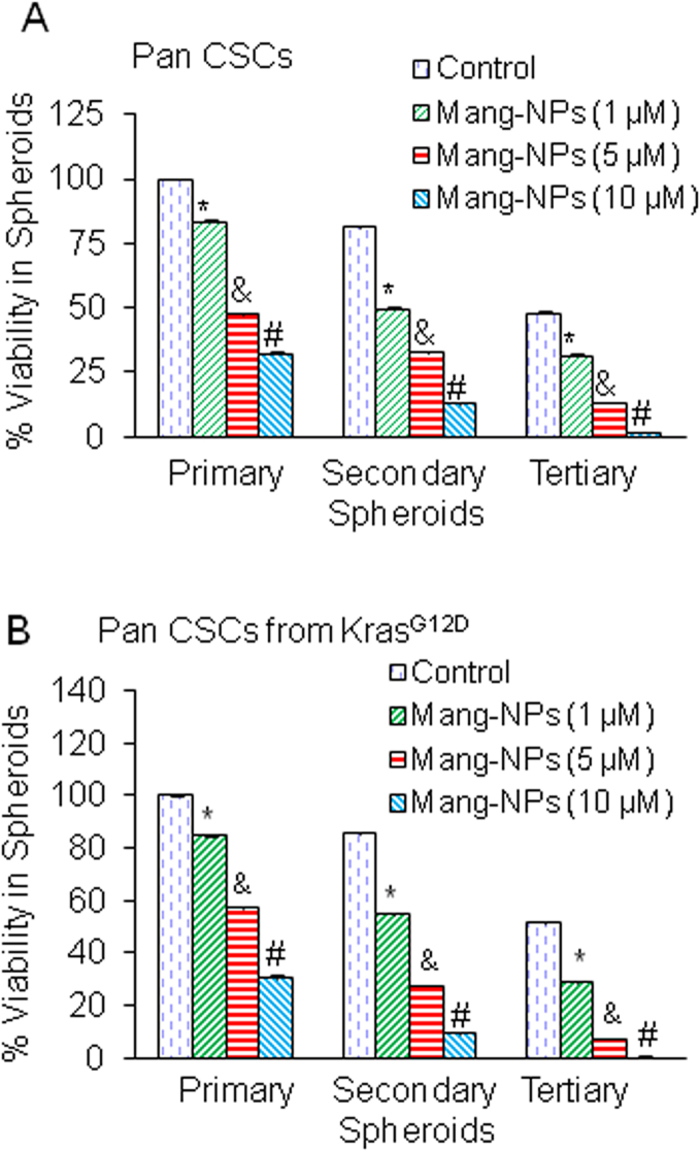
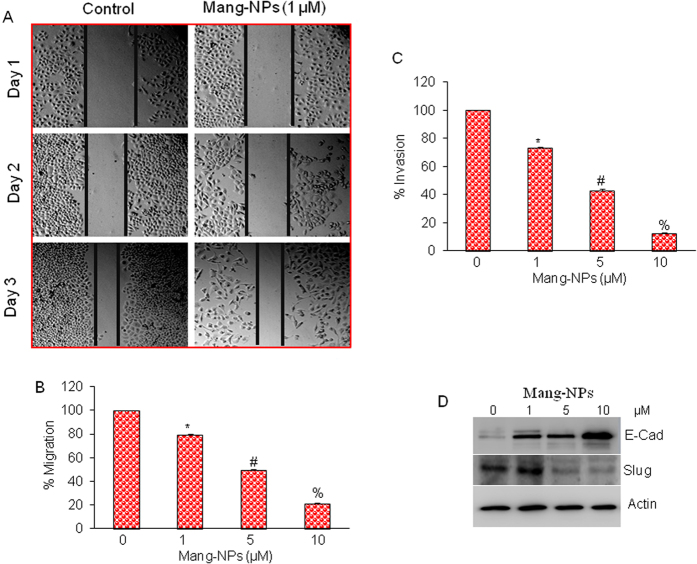
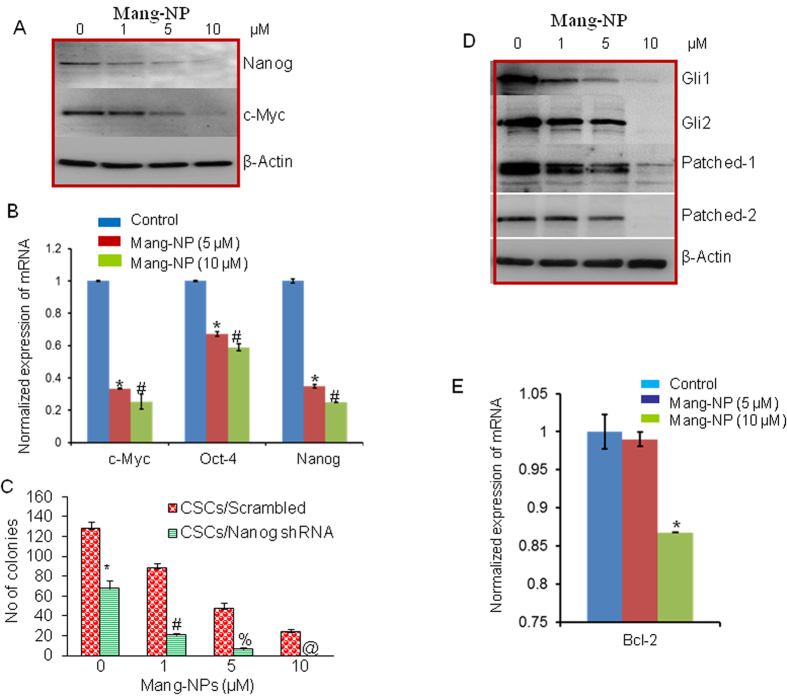
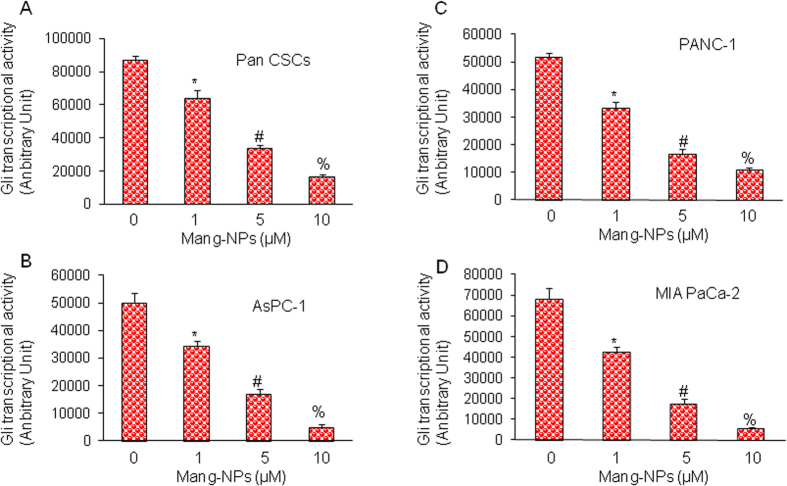
Activation of sonic hedgehog (Shh) in cancer stem cell (CSC) has been demonstrated with aggressiveness of pancreatic cancer. In order to enhance the biological activity of α-mangostin, we formulated mangostin-encapsulated PLGA nanoparticles (Mang-NPs) and examined the molecular mechanisms by which they inhibit human and KC mice (Pdx(Cre);LSL-Kras(G12D)) pancreatic CSC characteristics in vitro, and pancreatic carcinogenesis in KPC (Pdx(Cre);LSLKras(G12D);LSL-Trp53(R172H)) mice. Mang-NPs inhibited human and Kras(G12D) mice pancreatic CSC characteristics in vitro. Mang-NPs also inhibited EMT by up-regulating E-cadherin and inhibiting N-cadherin and transcription factors Slug, and pluripotency maintaining factors Nanog, c-Myc, and Oct4. Furthermore, Mang-NPs inhibited the components of Shh pathway and Gli targets. In vivo, Mang-NPs inhibited the progression of pancreatic intraneoplasia to pancreatic ductal adenocarcinoma and liver metastasis in KPC mice. The inhibitory effects of Mang-NPs on carcinogenesis in KPC mice were associated with downregulation of pluripotency maintaining factors (c-Myc, Nanog and Oct4), stem cell markers (CD24 and CD133), components of Shh pathway (Gli1, Gli2, Patched1/2, and Smoothened), Gli targets (Bcl-2, XIAP and Cyclin D1), and EMT markers and transcription factors (N-cadherin, Slug, Snail and Zeb1), and upregulation of E-cadherin. Overall, our data suggest that Mang-NPs can inhibit pancreatic cancer growth, development and metastasis by targeting Shh pathway.
已证实,癌症干细胞(CSC)中的 Sonic Hedgehog(Shh)激活与胰腺癌的侵袭性有关。为了增强 α-倒捻子素的生物活性,我们制备了包裹 α-倒捻子素的 PLGA 纳米粒(Mang-NPs),并在体外研究了它们抑制人源和 KC 小鼠(Pdx(Cre);LSL-Kras(G12D))胰腺 CSC 特征的分子机制,以及 KPC(Pdx(Cre);LSL-Kras(G12D);LSL-Trp53(R172H))小鼠的胰腺癌变。Mang-NPs 抑制了体外人源和 Kras(G12D)小鼠胰腺 CSC 特征。Mang-NPs 还通过上调 E-钙黏蛋白和抑制 N-钙黏蛋白以及转录因子 Slug 和多能性维持因子 Nanog、c-Myc 和 Oct4 来抑制 EMT。此外,Mang-NPs 抑制了 Shh 通路的组成部分和 Gli 靶标。在体内,Mang-NPs 抑制了 KPC 小鼠胰腺内瘤向胰腺导管腺癌和肝转移的进展。Mang-NPs 对 KPC 小鼠致癌作用的抑制作用与下调多能性维持因子(c-Myc、Nanog 和 Oct4)、干细胞标志物(CD24 和 CD133)、Shh 通路组成部分(Gli1、Gli2、Patched1/2 和 Smoothened)、Gli 靶标(Bcl-2、XIAP 和 Cyclin D1)、EMT 标志物和转录因子(N-钙黏蛋白、Slug、Snail 和 Zeb1)以及上调 E-钙黏蛋白有关。总的来说,我们的数据表明,Mang-NPs 可以通过靶向 Shh 通路抑制胰腺癌的生长、发展和转移。