Neubert Natalie J, Soneson Charlotte, Barras David, Baumgaertner Petra, Rimoldi Donata, Delorenzi Mauro, Fuertes Marraco Silvia A, Speiser Daniel E
Department of Oncology, Ludwig Center for Cancer Research, University of Lausanne , Epalinges , Switzerland.
Bioinformatics Core Facility, SIB Swiss Institute of Bioinformatics , Lausanne , Switzerland.
Front Immunol. 2016 Aug 30;7:326. doi: 10.3389/fimmu.2016.00326. eCollection 2016.
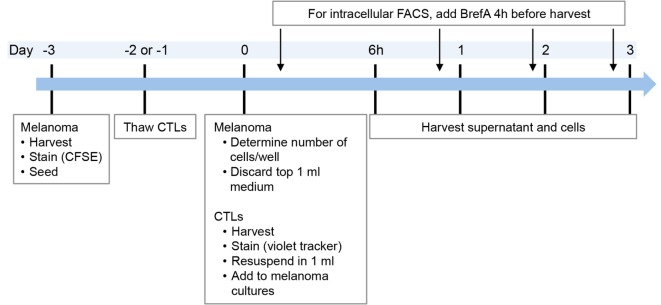
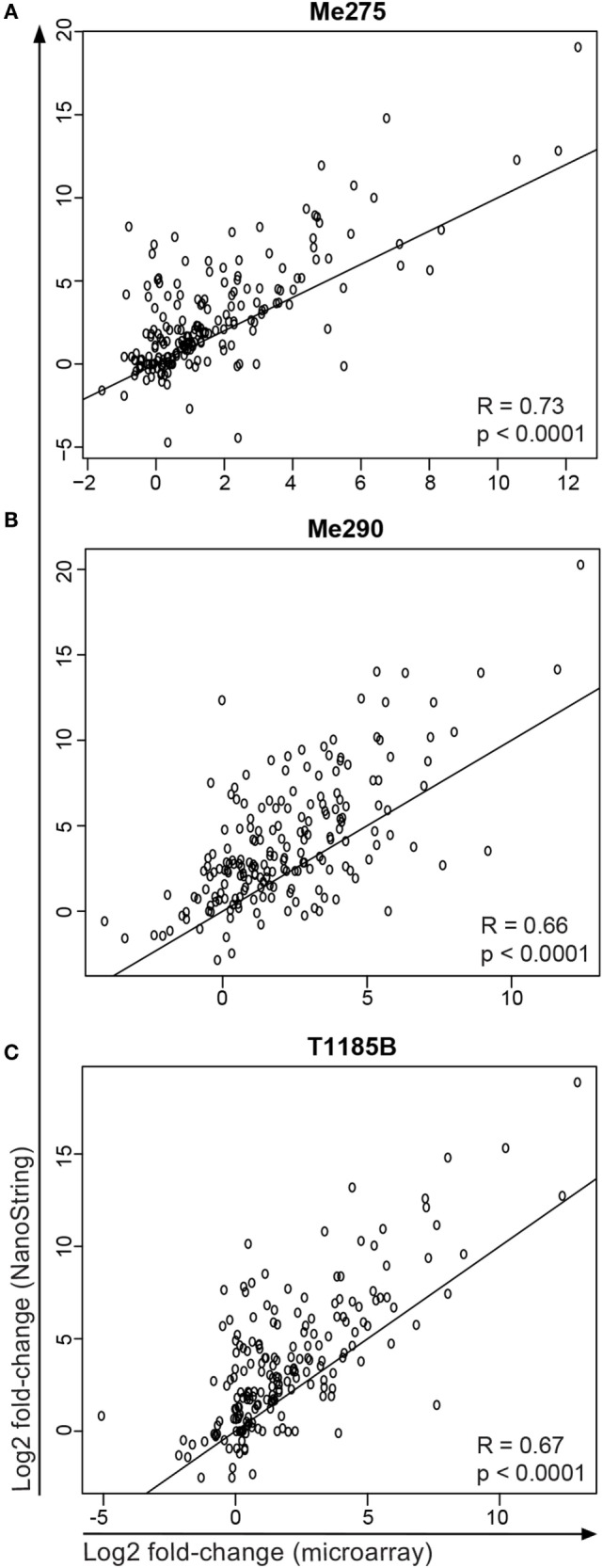
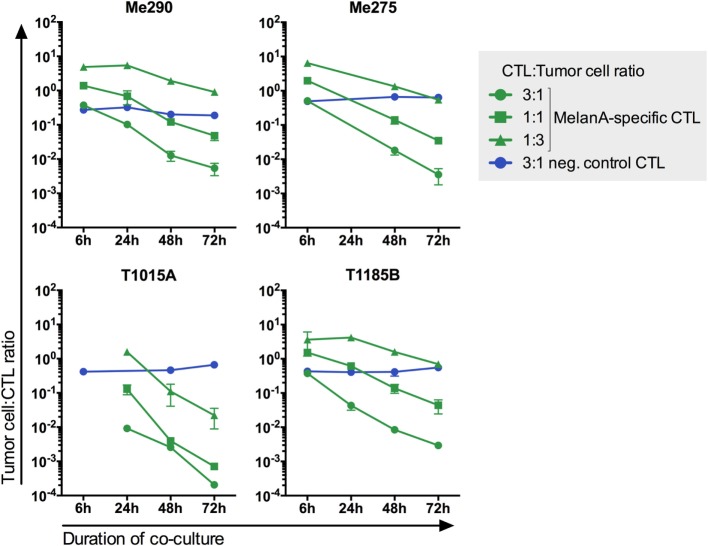
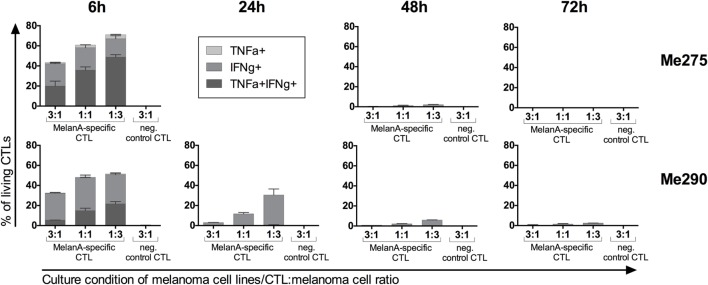
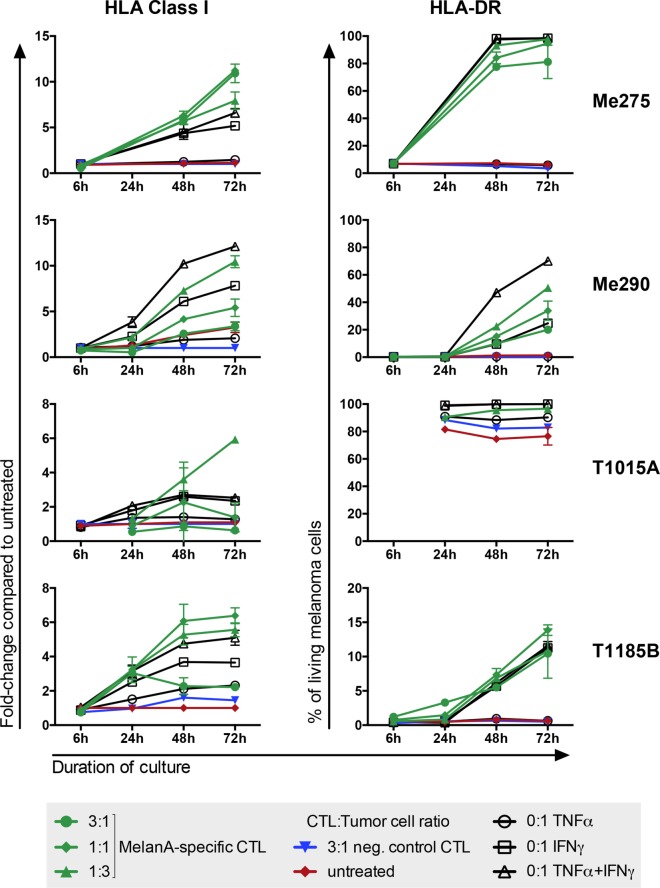
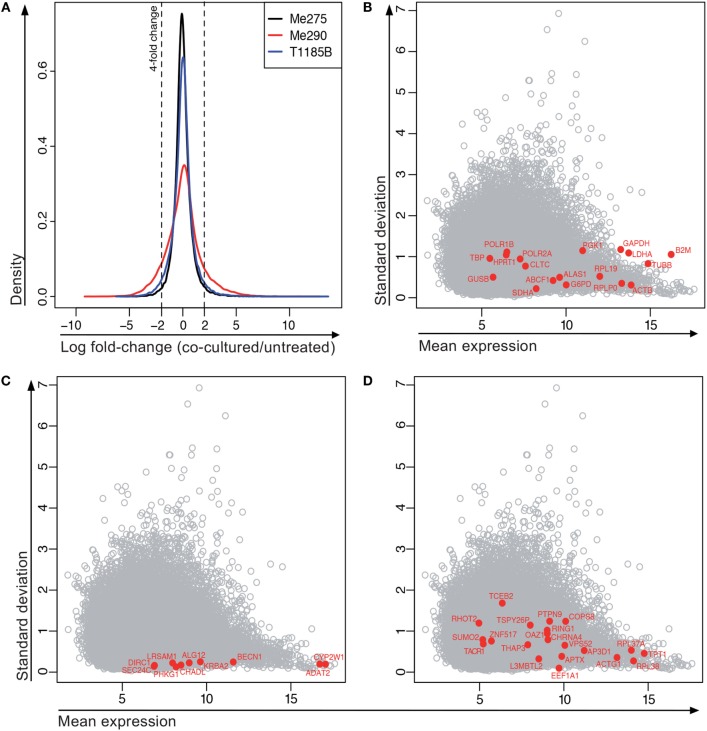
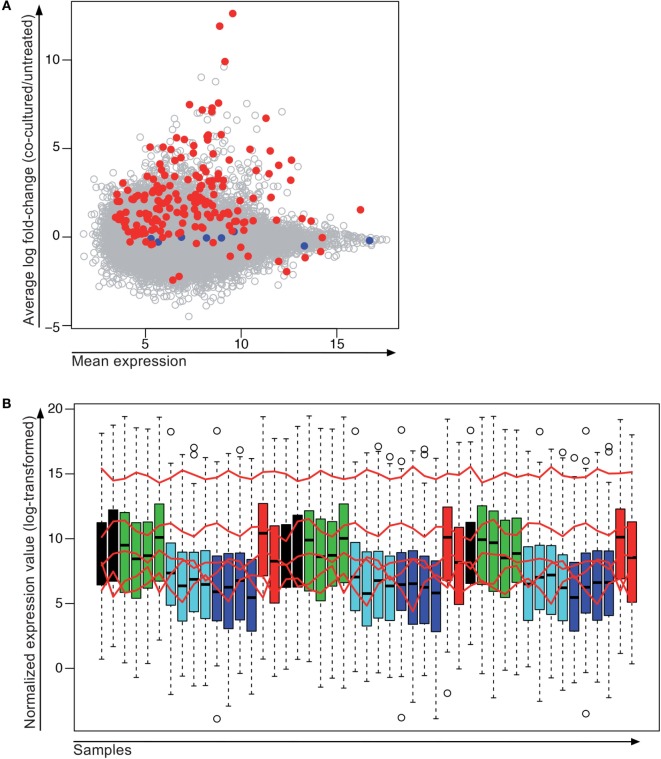
While T cell-based immunotherapies are steadily improving, there are still many patients who progress, despite T cell-infiltrated tumors. Emerging evidence suggests that T cells themselves may provoke immune escape of cancer cells. Here, we describe a well-controlled co-culture system for studying the dynamic T cell - cancer cell interplay, using human melanoma as a model. We explain starting material, controls, and culture parameters to establish reproducible and comparable cultures with highly heterogeneous tumor cells. Low passage melanoma cell lines and melanoma-specific CD8+ T cell clones generated from patient blood were cultured together for up to 3 days. Living melanoma cells were isolated from the co-culture system by fluorescence-activated cell sorting. We demonstrate that the characterization of isolated melanoma cells is feasible using flow cytometry for protein expression analysis as well as an Agilent whole human genome microarray and the NanoString technology for differential gene expression analysis. In addition, we identify five genes (ALG12, GUSB, RPLP0, KRBA2, and ADAT2) that are stably expressed in melanoma cells independent of the presence of T cells or the T cell-derived cytokines IFNγ and TNFα. These genes are essential for correct normalization of gene expression data by NanoString. Further to the characterization of melanoma cells after exposure to CTLs, this experimental system might be suitable to answer a series of questions, including how the affinity of CTLs for their target antigen influences the melanoma cell response and whether CTL-induced gene expression changes in melanoma cells are reversible. Taken together, our human T cell - melanoma cell culture system is well suited to characterize immune-related mechanisms in cancer cells.
虽然基于T细胞的免疫疗法在不断改进,但仍有许多患者尽管肿瘤中有T细胞浸润,病情仍在进展。新出现的证据表明,T细胞本身可能会引发癌细胞的免疫逃逸。在这里,我们描述了一种用于研究T细胞与癌细胞动态相互作用的严格控制的共培养系统,以人类黑色素瘤为模型。我们解释了起始材料、对照和培养参数,以建立具有高度异质性肿瘤细胞的可重复和可比的培养物。将低传代黑色素瘤细胞系和从患者血液中产生的黑色素瘤特异性CD8+T细胞克隆一起培养长达3天。通过荧光激活细胞分选从共培养系统中分离活的黑色素瘤细胞。我们证明,使用流式细胞术进行蛋白质表达分析以及使用安捷伦全人类基因组微阵列和NanoString技术进行差异基因表达分析,对分离的黑色素瘤细胞进行表征是可行的。此外,我们鉴定了五个基因(ALG12、GUSB、RPLP0、KRBA2和ADAT2),它们在黑色素瘤细胞中稳定表达,与T细胞的存在或T细胞衍生的细胞因子IFNγ和TNFα无关。这些基因对于通过NanoString正确标准化基因表达数据至关重要。除了表征暴露于细胞毒性T淋巴细胞(CTL)后的黑色素瘤细胞外,这个实验系统可能适合回答一系列问题,包括CTL对其靶抗原的亲和力如何影响黑色素瘤细胞反应以及CTL诱导的黑色素瘤细胞基因表达变化是否可逆。综上所述,我们的人类T细胞-黑色素瘤细胞培养系统非常适合表征癌细胞中与免疫相关的机制。