• 文献检索
  • 文档翻译
  • 深度研究
  • 学术资讯
  • Suppr Zotero 插件Zotero 插件
  • 邀请有礼
  • 套餐&价格
  • 历史记录
应用&插件
Suppr Zotero 插件Zotero 插件浏览器插件Mac 客户端Windows 客户端微信小程序
定价
高级版会员购买积分包购买API积分包
服务
文献检索文档翻译深度研究API 文档MCP 服务
关于我们
关于 Suppr公司介绍联系我们用户协议隐私条款
关注我们

Suppr 超能文献

核心技术专利:CN118964589B侵权必究
粤ICP备2023148730 号-1Suppr @ 2026

文献检索

告别复杂PubMed语法,用中文像聊天一样搜索,搜遍4000万医学文献。AI智能推荐,让科研检索更轻松。

立即免费搜索

文件翻译

保留排版,准确专业,支持PDF/Word/PPT等文件格式,支持 12+语言互译。

免费翻译文档

深度研究

AI帮你快速写综述,25分钟生成高质量综述,智能提取关键信息,辅助科研写作。

立即免费体验

蜂箱内农药暴露组学:评估美国东部蜂箱内农药污染对迁徙蜜蜂的风险。

In-hive Pesticide Exposome: Assessing risks to migratory honey bees from in-hive pesticide contamination in the Eastern United States.

机构信息

Department of Entomology, Plant Science Building, University of Maryland, MD 20742, United States.

USDA-ARS Bee Research Laboratory, Bldg. 306 BARC-E, Beltsville, MD 20705, United States.

出版信息

Sci Rep. 2016 Sep 15;6:33207. doi: 10.1038/srep33207.

DOI:10.1038/srep33207
PMID:27628343
原文链接:https://pmc.ncbi.nlm.nih.gov/articles/PMC5024099/
Abstract

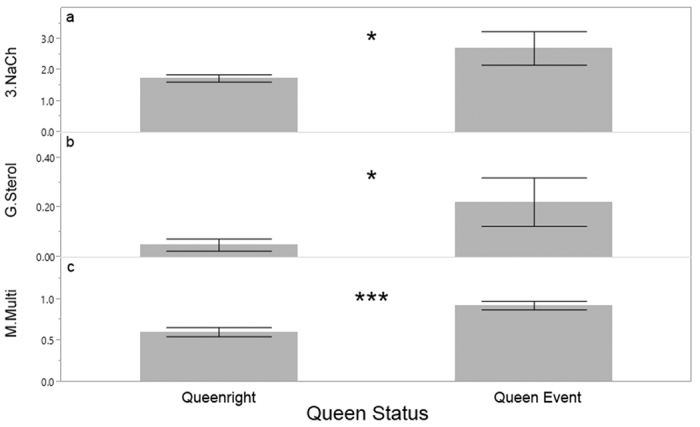
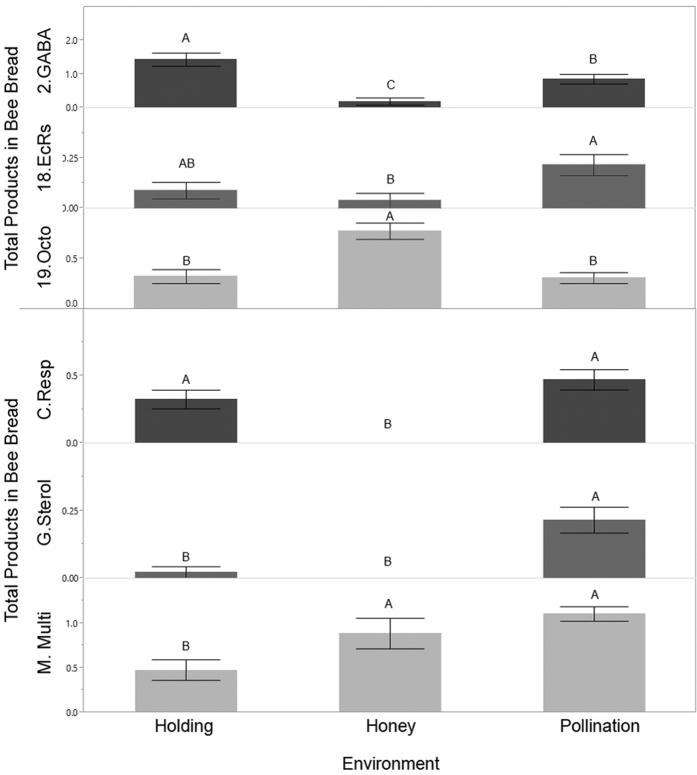
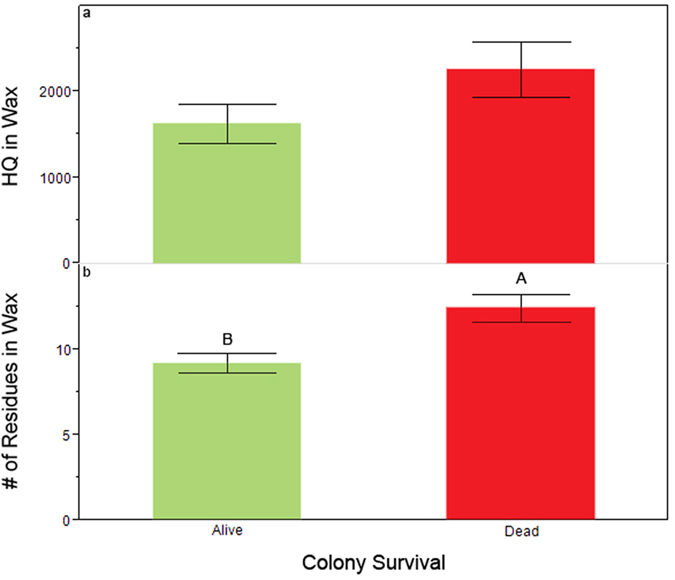
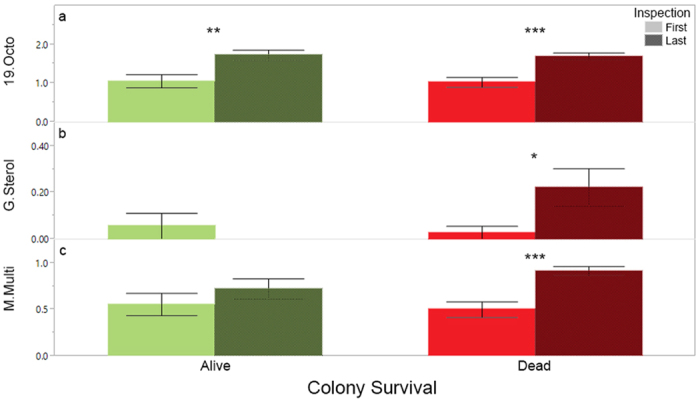
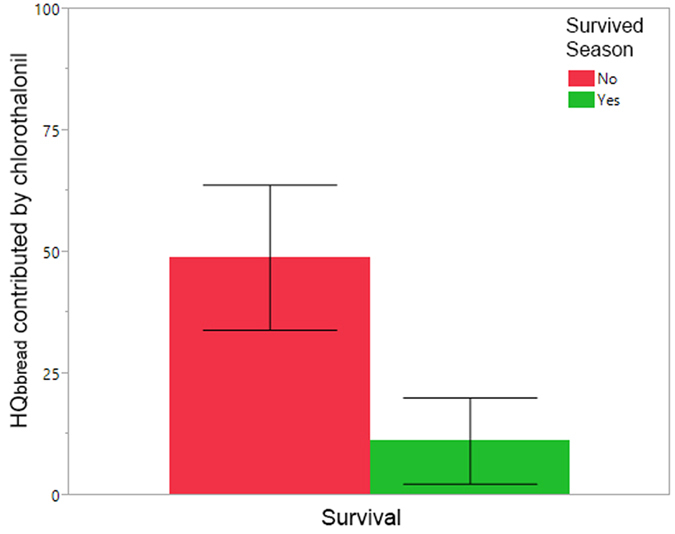
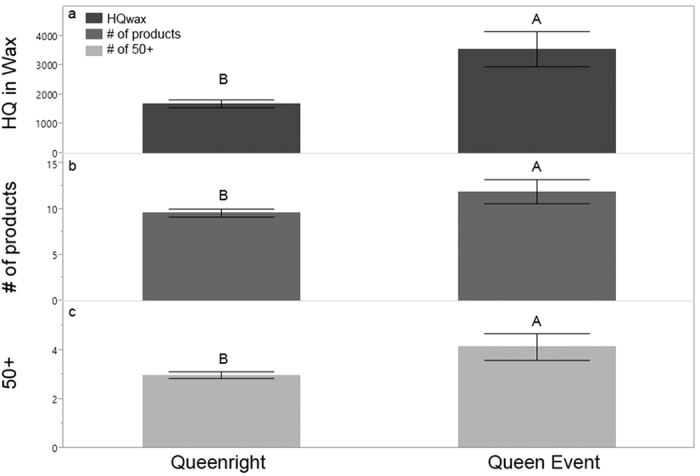
This study measured part of the in-hive pesticide exposome by analyzing residues from live in-hive bees, stored pollen, and wax in migratory colonies over time and compared exposure to colony health. We summarized the pesticide burden using three different additive methods: (1) the hazard quotient (HQ), an estimate of pesticide exposure risk, (2) the total number of pesticide residues, and (3) the number of relevant residues. Despite being simplistic, these models attempt to summarize potential risk from multiple contaminations in real-world contexts. Colonies performing pollination services were subject to increased pesticide exposure compared to honey-production and holding yards. We found clear links between an increase in the total number of products in wax and colony mortality. In particular, we found that fungicides with particular modes of action increased disproportionally in wax within colonies that died. The occurrence of queen events, a significant risk factor for colony health and productivity, was positively associated with all three proxies of pesticide exposure. While our exposome summation models do not fully capture the complexities of pesticide exposure, they nonetheless help elucidate their risks to colony health. Implementing and improving such models can help identify potential pesticide risks, permitting preventative actions to improve pollinator health.

摘要

本研究通过分析随时间推移在迁徙蜂群中存活的蜜蜂体内残留、储存的花粉和蜂蜡,测量了蜂箱内部分农药外显组,将其与蜂群健康状况进行了比较。我们使用三种不同的附加方法来总结农药负担:(1)危害商数(HQ),这是对农药暴露风险的估计,(2)农药残留总数,以及(3)相关残留数。尽管这些模型很简单,但它们试图在实际情况下总结来自多种污染的潜在风险。与生产蜂蜜和储存场地的蜂群相比,从事授粉服务的蜂群面临更高的农药暴露风险。我们发现,蜡中总产品数量的增加与蜂群死亡率之间存在明显联系。特别是,我们发现具有特定作用模式的杀菌剂在死亡蜂群的蜡中不成比例地增加。蜂王事件的发生是蜂群健康和生产力的一个重大风险因素,与农药暴露的所有三个指标都呈正相关。虽然我们的外显组汇总模型不能完全捕捉农药暴露的复杂性,但它们有助于阐明其对蜂群健康的风险。实施和改进这些模型可以帮助识别潜在的农药风险,采取预防措施来改善传粉者的健康。
https://cdn.ncbi.nlm.nih.gov/pmc/blobs/9ab5/5024099/27d96f88d765/srep33207-f11.jpg
https://cdn.ncbi.nlm.nih.gov/pmc/blobs/9ab5/5024099/1a8d71065670/srep33207-f1.jpg
https://cdn.ncbi.nlm.nih.gov/pmc/blobs/9ab5/5024099/7e448003140d/srep33207-f2.jpg
https://cdn.ncbi.nlm.nih.gov/pmc/blobs/9ab5/5024099/ae7544f54898/srep33207-f3.jpg
https://cdn.ncbi.nlm.nih.gov/pmc/blobs/9ab5/5024099/d219087a78ae/srep33207-f4.jpg
https://cdn.ncbi.nlm.nih.gov/pmc/blobs/9ab5/5024099/3a3324cb1af3/srep33207-f5.jpg
https://cdn.ncbi.nlm.nih.gov/pmc/blobs/9ab5/5024099/8011b33ed0bc/srep33207-f6.jpg
https://cdn.ncbi.nlm.nih.gov/pmc/blobs/9ab5/5024099/04464b41692a/srep33207-f7.jpg
https://cdn.ncbi.nlm.nih.gov/pmc/blobs/9ab5/5024099/65ff7b12658d/srep33207-f8.jpg
https://cdn.ncbi.nlm.nih.gov/pmc/blobs/9ab5/5024099/d08699c66707/srep33207-f9.jpg
https://cdn.ncbi.nlm.nih.gov/pmc/blobs/9ab5/5024099/58da897973c5/srep33207-f10.jpg
https://cdn.ncbi.nlm.nih.gov/pmc/blobs/9ab5/5024099/27d96f88d765/srep33207-f11.jpg
https://cdn.ncbi.nlm.nih.gov/pmc/blobs/9ab5/5024099/1a8d71065670/srep33207-f1.jpg
https://cdn.ncbi.nlm.nih.gov/pmc/blobs/9ab5/5024099/7e448003140d/srep33207-f2.jpg
https://cdn.ncbi.nlm.nih.gov/pmc/blobs/9ab5/5024099/ae7544f54898/srep33207-f3.jpg
https://cdn.ncbi.nlm.nih.gov/pmc/blobs/9ab5/5024099/d219087a78ae/srep33207-f4.jpg
https://cdn.ncbi.nlm.nih.gov/pmc/blobs/9ab5/5024099/3a3324cb1af3/srep33207-f5.jpg
https://cdn.ncbi.nlm.nih.gov/pmc/blobs/9ab5/5024099/8011b33ed0bc/srep33207-f6.jpg
https://cdn.ncbi.nlm.nih.gov/pmc/blobs/9ab5/5024099/04464b41692a/srep33207-f7.jpg
https://cdn.ncbi.nlm.nih.gov/pmc/blobs/9ab5/5024099/65ff7b12658d/srep33207-f8.jpg
https://cdn.ncbi.nlm.nih.gov/pmc/blobs/9ab5/5024099/d08699c66707/srep33207-f9.jpg
https://cdn.ncbi.nlm.nih.gov/pmc/blobs/9ab5/5024099/58da897973c5/srep33207-f10.jpg
https://cdn.ncbi.nlm.nih.gov/pmc/blobs/9ab5/5024099/27d96f88d765/srep33207-f11.jpg

相似文献

1
In-hive Pesticide Exposome: Assessing risks to migratory honey bees from in-hive pesticide contamination in the Eastern United States.蜂箱内农药暴露组学:评估美国东部蜂箱内农药污染对迁徙蜜蜂的风险。
Sci Rep. 2016 Sep 15;6:33207. doi: 10.1038/srep33207.
2
Pesticide residues in honey bees, pollen and beeswax: Assessing beehive exposure.蜂蜜、花粉和蜂蜡中的农药残留:评估蜂箱暴露情况。
Environ Pollut. 2018 Oct;241:106-114. doi: 10.1016/j.envpol.2018.05.062. Epub 2018 May 24.
3
Effects of developmental exposure to pesticides in wax and pollen on honey bee (Apis mellifera) queen reproductive phenotypes.发育暴露于蜂蜡和花粉中的农药对蜜蜂(Apis mellifera)蜂王生殖表型的影响。
Sci Rep. 2021 Jan 13;11(1):1020. doi: 10.1038/s41598-020-80446-3.
4
Pesticide and veterinary drug residues in Belgian beeswax: Occurrence, toxicity, and risk to honey bees.比利时蜂蜡中的农药和兽药残留:发生情况、毒性及对蜜蜂的风险。
Sci Total Environ. 2020 Nov 25;745:141036. doi: 10.1016/j.scitotenv.2020.141036. Epub 2020 Jul 22.
5
Honey bee queen health is unaffected by contact exposure to pesticides commonly found in beeswax.蜂王的健康不受接触常见于蜂蜡的杀虫剂的影响。
Sci Rep. 2021 Jul 26;11(1):15151. doi: 10.1038/s41598-021-94554-1.
6
Frequently encountered pesticides can cause multiple disorders in developing worker honey bees. 常见的杀虫剂会导致发育中的工蜂出现多种疾病。
Environ Pollut. 2020 Jan;256:113420. doi: 10.1016/j.envpol.2019.113420. Epub 2019 Nov 11.
7
Pesticide residues in beebread and honey in Apis cerana cerana and their hazards to honey bees and human.蜂胶和中华蜜蜂蜂蜜中的农药残留及其对蜜蜂和人类的危害。
Ecotoxicol Environ Saf. 2022 Jun 15;238:113574. doi: 10.1016/j.ecoenv.2022.113574. Epub 2022 May 2.
8
A two-year monitoring of pesticide hazard in-hive: High honey bee mortality rates during insecticide poisoning episodes in apiaries located near agricultural settings.两年时间内对蜂箱内杀虫剂危害的监测:在靠近农业环境的蜂场发生杀虫剂中毒事件期间,蜜蜂死亡率很高。
Chemosphere. 2019 Oct;232:471-480. doi: 10.1016/j.chemosphere.2019.05.170. Epub 2019 May 23.
9
Occurrence of pesticide residues in honey from apiaries with incidents of honeybee poisoning in East China and a corresponding risk assessment for honeybees and Chinese consumers.华东地区发生蜜蜂中毒事件的养蜂场蜂蜜中农药残留的发生情况及对蜜蜂和中国消费者的相应风险评估。
J Food Sci. 2023 Aug;88(8):3607-3618. doi: 10.1111/1750-3841.16668. Epub 2023 Jun 16.
10
Analysis of honey bee exposure to multiple pesticide residues in the hive environment.分析蜂箱环境中蜜蜂接触多种农药残留的情况。
Sci Total Environ. 2022 Jan 20;805:150292. doi: 10.1016/j.scitotenv.2021.150292. Epub 2021 Sep 12.

引用本文的文献

1
Nationwide Screening for Arthropod, Fungal, and Bacterial Pests and Pathogens of Honey Bees: Utilizing Environmental DNA from Honey Samples in Australia.澳大利亚全国范围内对蜜蜂的节肢动物、真菌和细菌害虫及病原体进行筛查:利用蜂蜜样本中的环境DNA
Insects. 2025 Jul 25;16(8):764. doi: 10.3390/insects16080764.
2
A risk based pollination network for non-Apis bees demonstrates the importance of understory plant contamination.一个基于风险的非蜜蜂传粉网络表明了林下植物污染的重要性。
Sci Rep. 2025 Apr 25;15(1):14519. doi: 10.1038/s41598-025-99244-w.
3
Identifying and modeling the impact of neonicotinoid exposure on honey bee colony profit.

本文引用的文献

1
Xenobiotic detoxification pathways in honey bees.蜜蜂体内的外源物解毒途径。
Curr Opin Insect Sci. 2015 Aug;10:51-58. doi: 10.1016/j.cois.2015.03.005. Epub 2015 May 1.
2
Toxicological Risks of Agrochemical Spray Adjuvants: Organosilicone Surfactants May Not Be Safe.农药喷雾助剂的毒理学风险:有机硅表面活性剂可能并不安全。
Front Public Health. 2016 May 11;4:92. doi: 10.3389/fpubh.2016.00092. eCollection 2016.
3
Non-cultivated plants present a season-long route of pesticide exposure for honey bees.非栽培植物为蜜蜂提供了一条全年接触农药的途径。
识别并模拟新烟碱类农药暴露对蜂群收益的影响。
J Econ Entomol. 2024 Dec 28;117(6):2228-2241. doi: 10.1093/jee/toae227.
4
The power to (detect) change: Can honey bee collected pollen be used to monitor pesticide residues in the landscape?(检测)变化的能力:收集的蜜蜂花粉可用于监测景观中的农药残留吗?
PLoS One. 2024 Sep 26;19(9):e0309236. doi: 10.1371/journal.pone.0309236. eCollection 2024.
5
Pesticide Contamination in Native North American Crops, Part I-Development of a Baseline and Comparison of Honey Bee Exposure to Residues in Lowbush Blueberry and Cranberry.北美本土作物中的农药污染,第一部分——低灌蓝莓和蔓越莓中农药残留基线的建立及蜜蜂接触情况比较
Insects. 2024 Jun 29;15(7):489. doi: 10.3390/insects15070489.
6
Acute toxicity of the fungicide captan to honey bees and mixed evidence for synergism with the insecticide thiamethoxam.杀菌剂克菌丹对蜜蜂的急性毒性及与杀虫剂噻虫嗪协同作用的混合证据。
Sci Rep. 2024 Jul 8;14(1):15709. doi: 10.1038/s41598-024-66248-x.
7
A field realistic model to assess the effects of pesticides residues and adulterants on honey bee gene expression.一种评估农药残留和掺杂物对蜜蜂基因表达影响的田间现实模型。
PLoS One. 2024 Jun 26;19(6):e0302183. doi: 10.1371/journal.pone.0302183. eCollection 2024.
8
Relative impacts of Varroa destructor (Mesostigmata:Varroidae) infestation and pesticide exposure on honey bee colony health and survival in a high-intensity corn and soybean producing region in northern Iowa.在爱荷华州北部一个高强度的玉米和大豆种植区,瓦螨(Mesostigmata:Varroidae)侵袭和农药暴露对蜜蜂种群健康和生存的相对影响。
J Insect Sci. 2024 May 1;24(3). doi: 10.1093/jisesa/ieae054.
9
Honey bee colony behavior and ontogeny are adversely affected when exposed to a pesticide-contaminated environment.当蜜蜂暴露在受农药污染的环境中时,其群体行为和个体发生会受到不利影响。
J Insect Sci. 2024 May 1;24(3). doi: 10.1093/jisesa/ieae034.
10
Host Genotype and Tissue Type Determine DWV Infection Intensity.宿主基因型和组织类型决定残翅病毒感染强度。
Front Insect Sci. 2021 Nov 4;1:756690. doi: 10.3389/finsc.2021.756690. eCollection 2021.
Nat Commun. 2016 May 31;7:11629. doi: 10.1038/ncomms11629.
4
Colonies of Bumble Bees (Bombus impatiens) Produce Fewer Workers, Less Bee Biomass, and Have Smaller Mother Queens Following Fungicide Exposure.接触杀真菌剂后,熊蜂(西方熊蜂)群体产生的工蜂数量减少、蜜蜂生物量降低,且蜂王体型变小。
Insects. 2015 Jun 1;6(2):478-88. doi: 10.3390/insects6020478.
5
Detoxification mechanisms of honey bees (Apis mellifera) resulting in tolerance of dietary nicotine.蜜蜂(西方蜜蜂)对膳食尼古丁产生耐受性的解毒机制。
Sci Rep. 2015 Jul 2;5:11779. doi: 10.1038/srep11779.
6
Negative effects of pesticides on wild bee communities can be buffered by landscape context.农药对野生蜜蜂群落的负面影响可通过景观环境得到缓冲。
Proc Biol Sci. 2015 Jun 22;282(1809):20150299. doi: 10.1098/rspb.2015.0299.
7
The formulation makes the honey bee poison.这种配方制造出了蜜蜂毒液。
Pestic Biochem Physiol. 2015 May;120:27-35. doi: 10.1016/j.pestbp.2014.12.026. Epub 2015 Jan 5.
8
Relationship between honeybee nutrition and their microbial communities.蜜蜂营养与其微生物群落之间的关系。
Antonie Van Leeuwenhoek. 2015 Apr;107(4):921-33. doi: 10.1007/s10482-015-0384-8. Epub 2015 Jan 20.
9
Delayed and time-cumulative toxicity of imidacloprid in bees, ants and termites.吡虫啉对蜜蜂、蚂蚁和白蚁的延迟毒性及时间累积毒性。
Sci Rep. 2014 Jul 4;4:5566. doi: 10.1038/srep05566.
10
Pesticide residues and bees--a risk assessment.农药残留与蜜蜂——风险评估
PLoS One. 2014 Apr 9;9(4):e94482. doi: 10.1371/journal.pone.0094482. eCollection 2014.