Department of Microbiology and Cell Biology, Indian Institute of Science, Bangalore, India.
Institute of Marine and Environmental Technology and Department of Microbiology and Immunology, University of Maryland, Baltimore, MD, USA.
Sci Rep. 2016 Sep 20;6:33679. doi: 10.1038/srep33679.
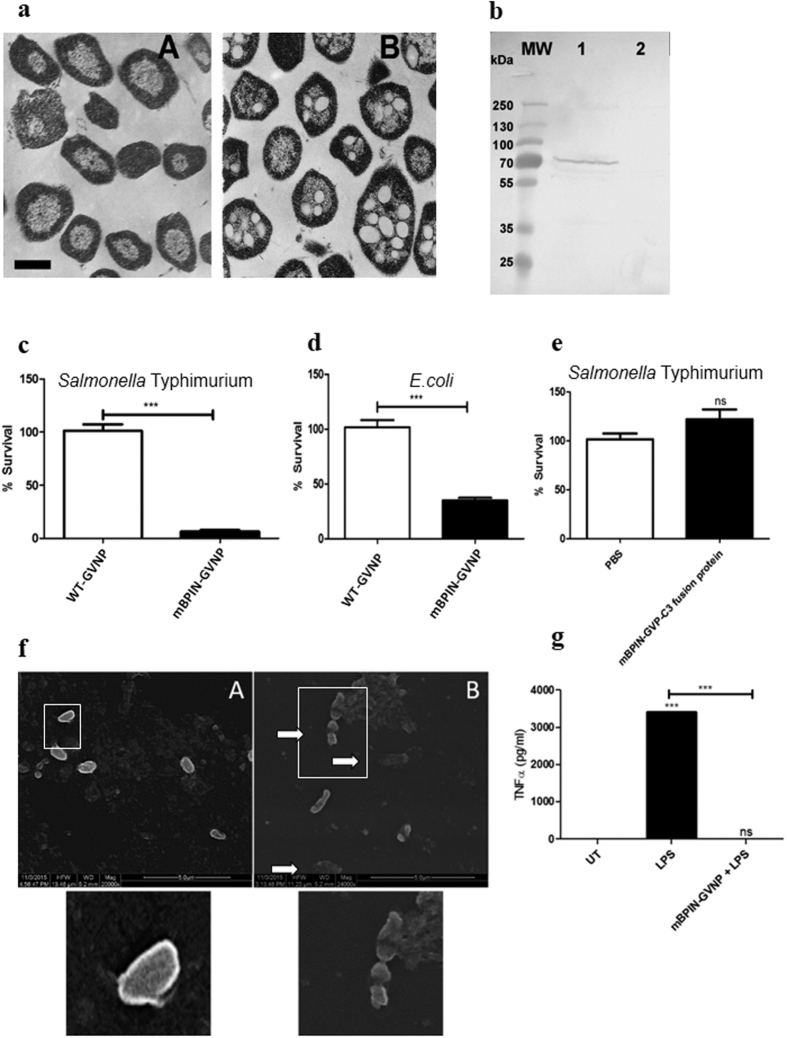
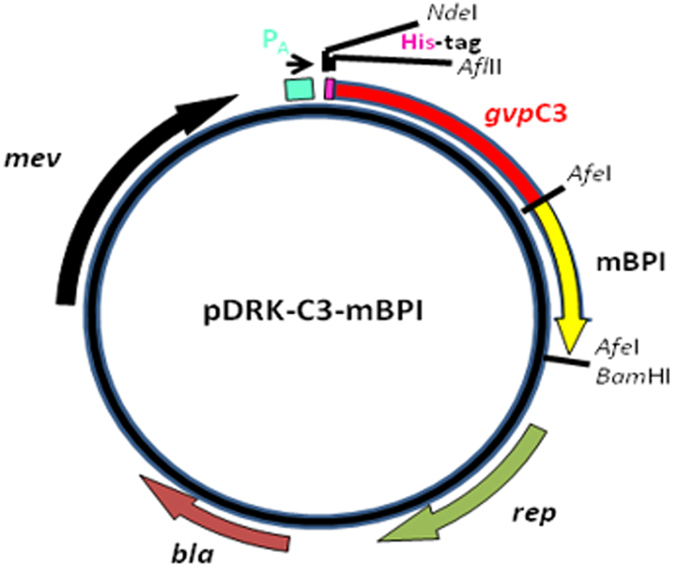
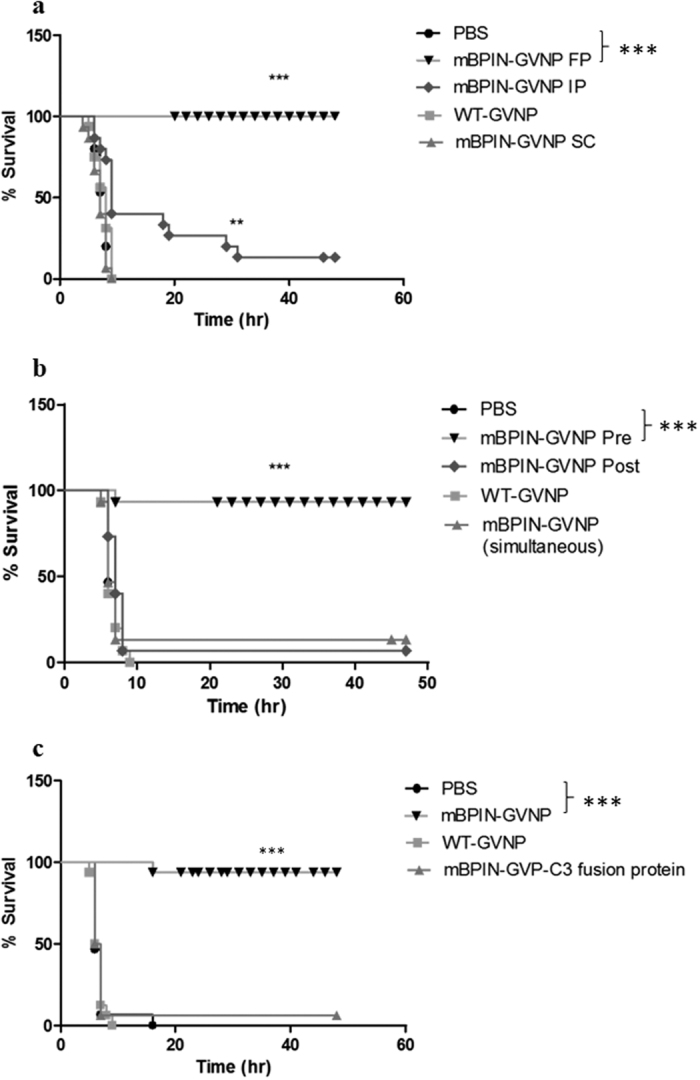
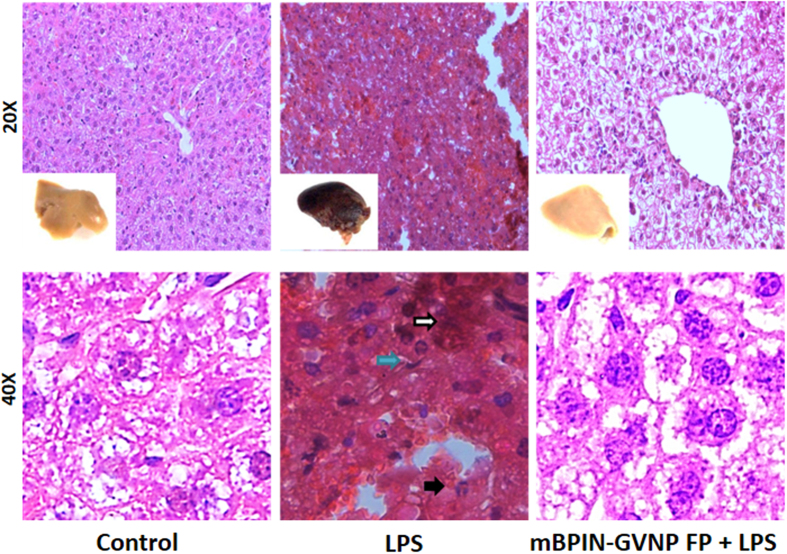
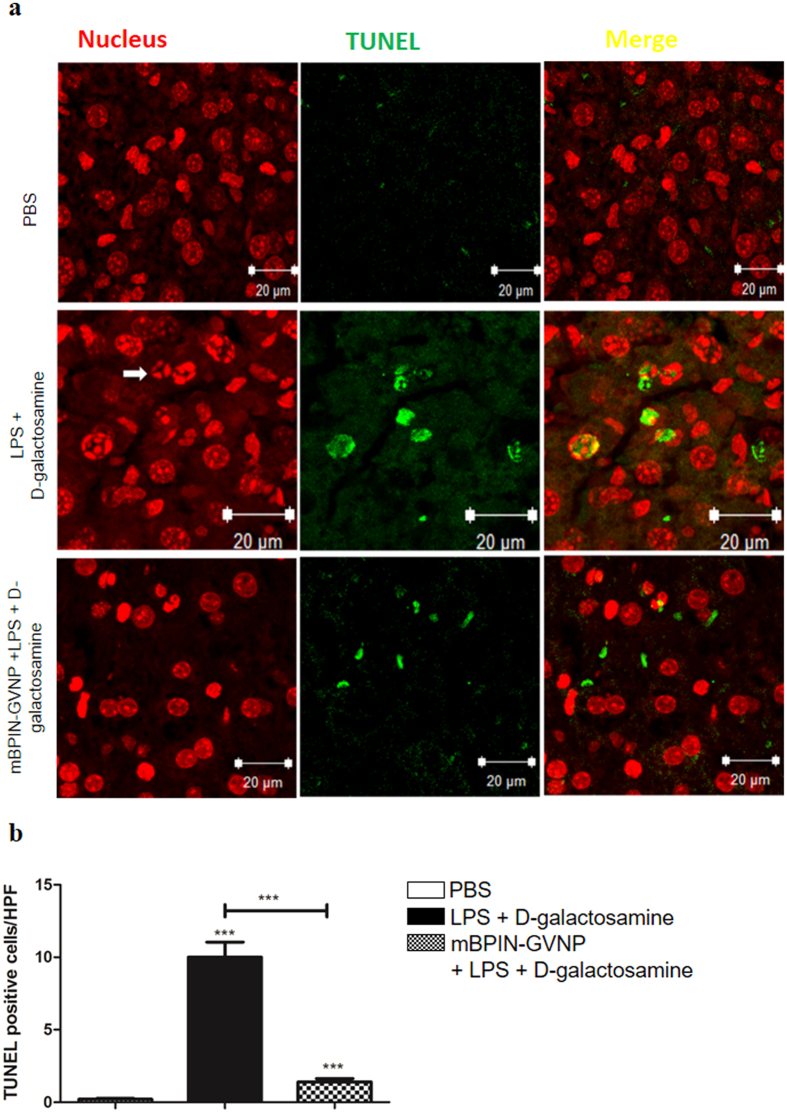
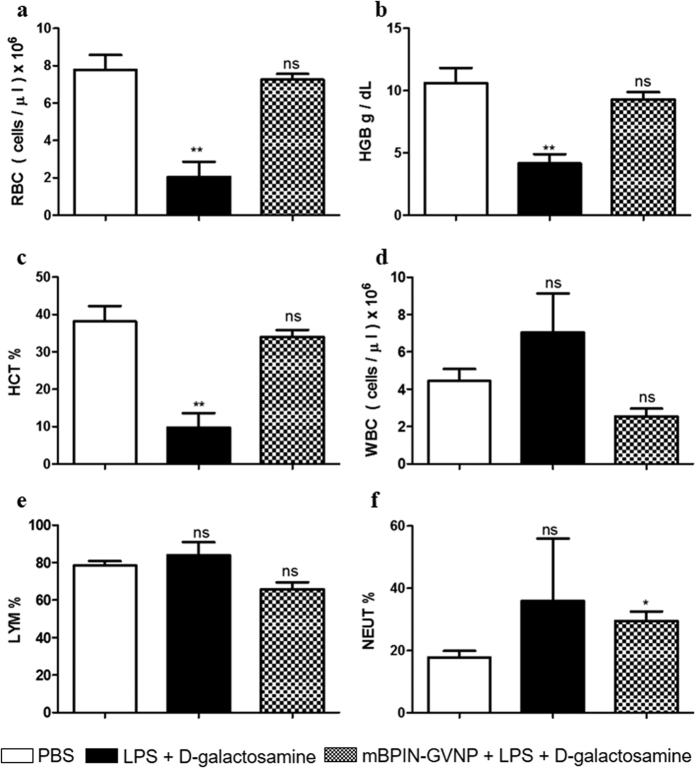
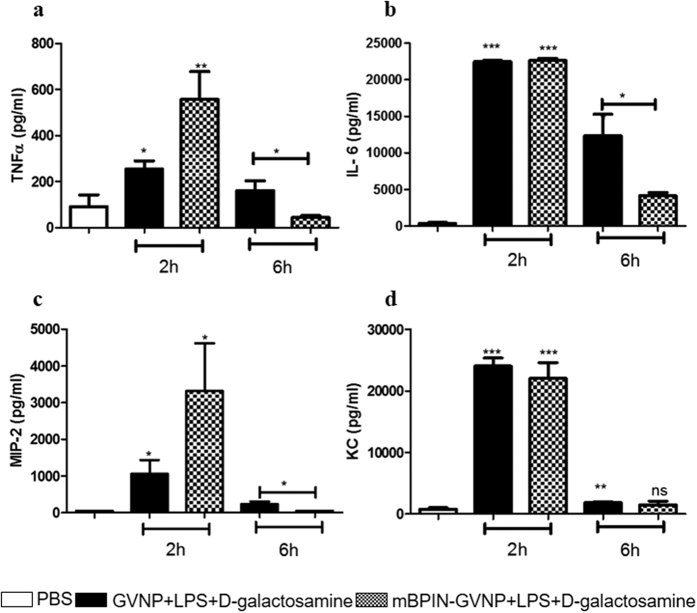
Bactericidal/permeability-increasing protein (BPI) had been shown to possess anti-inflammatory and endotoxin neutralizing activity by interacting with LPS of Gram-negative bacteria. The current study examines the feasibility of using murine BPI (mBPI) expressed on halophilic Archaeal gas vesicle nanoparticles (GVNPs) for the treatment of endotoxemia in high-risk patients, using a murine model of D-galactosamine-induced endotoxic shock. Halobacterium sp. NRC-1was used to express the N-terminal 199 amino acid residues of mBPI fused to the GVNP GvpC protein, and bound to the surface of the haloarchaeal GVNPs. Our results indicate that delivery of mBPIN-GVNPs increase the survival rate of mice challenged with lethal concentrations of lipopolysaccharide (LPS) and D-galactosamine. Additionally, the mBPIN-GVNP-treated mice displayed reduced symptoms of inflammation, including inflammatory anemia, recruitment of neutrophils, liver apoptosis as well as increased pro-inflammatory serum cytokine levels.
杀菌/通透性增加蛋白(BPI)已被证明通过与革兰氏阴性菌的 LPS 相互作用具有抗炎和内毒素中和活性。本研究通过半乳糖胺诱导的内毒素休克的小鼠模型,检查了在高危患者中使用嗜盐古菌气腔纳米囊泡(GVNP)上表达的鼠 BPI(mBPI)治疗内毒素血症的可行性。利用嗜盐菌 NRC-1 表达与 GVNP GvpC 蛋白融合的 mBPI 的 N 端 199 个氨基酸残基,并结合到古菌的 GVNP 表面。我们的结果表明,mBPIN-GVNP 的递呈增加了用致死浓度的脂多糖(LPS)和半乳糖胺攻击的小鼠的存活率。此外,mBPIN-GVNP 处理的小鼠表现出炎症症状减轻,包括炎症性贫血、中性粒细胞募集、肝凋亡以及促炎血清细胞因子水平升高。