Ripoll Juan G, Ratzlaff Robert A, Menke David M, Olave Maria C, Maleszewski Joseph J, Díaz-Gómez José L
Department of Critical Care Medicine, Mayo Clinic, 4500 San Pablo Road, Jacksonville, FL, USA.
Department of Critical Care Medicine, Mayo Clinic, 4500 San Pablo Road, Jacksonville, FL, USA; Department of Anesthesiology, Mayo Clinic, 4500 San Pablo Road, Jacksonville, FL, USA.
Case Rep Crit Care. 2016;2016:5407597. doi: 10.1155/2016/5407597. Epub 2016 Aug 25.
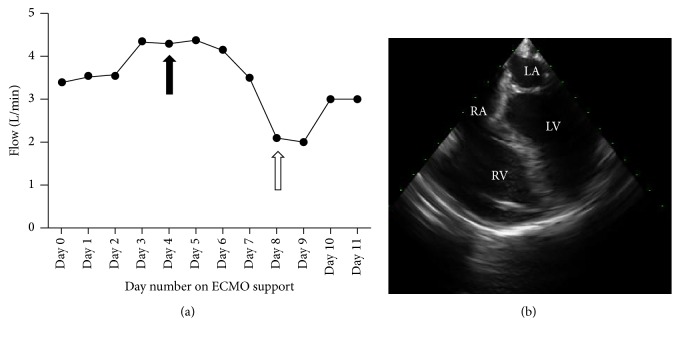
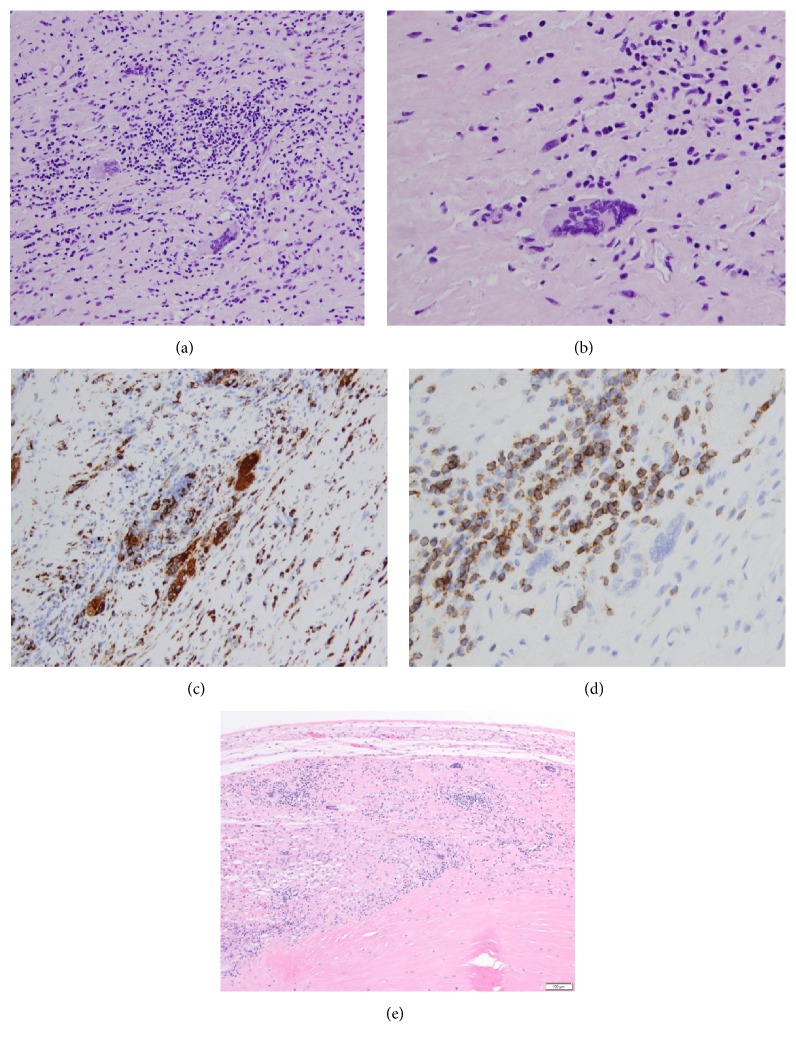
Giant cell myocarditis (GCM) is a rare and commonly fatal form of fulminant myocarditis. During the acute phase, while immunosuppressive therapy is initiated, venoarterial extracorporeal membrane oxygenation (VA-ECMO) support is commonly used as a bridge to heart transplantation or recovery. Until recently, conventional transesophageal echocardiography and transthoracic echocardiography were the tools available for hemodynamic assessment of patients on this form of mechanical circulatory support. Nevertheless, both techniques have their limitations. We present a case of a 54-year-old man diagnosed with GCM requiring VA-ECMO support that was monitored under a novel miniaturized transesophageal echocardiography (hTEE) probe recently approved for 72 hours of continuous hemodynamic monitoring. Our case highlights the value of this novel, flexible, and disposable device for hemodynamic monitoring, accurate therapy guidance, and potential VA-ECMO weaning process of patients with this form of severe myocarditis.
巨细胞性心肌炎(GCM)是一种罕见且通常致命的暴发性心肌炎形式。在急性期,启动免疫抑制治疗的同时,静脉-动脉体外膜肺氧合(VA-ECMO)支持通常被用作心脏移植或恢复的桥梁。直到最近,传统经食管超声心动图和经胸超声心动图是用于对接受这种形式机械循环支持的患者进行血流动力学评估的可用工具。然而,这两种技术都有其局限性。我们报告一例54岁男性,诊断为GCM,需要VA-ECMO支持,并在最近批准用于72小时连续血流动力学监测的新型小型化经食管超声心动图(hTEE)探头监测下进行治疗。我们的病例突出了这种新型、灵活且一次性使用的设备在血流动力学监测、准确治疗指导以及这种严重心肌炎患者潜在的VA-ECMO撤机过程中的价值。