Jung Jae Woo, Yoon So-Mi, Kim Subin, Jeon Yun-Hui, Yoon Byung-Hak, Yang Su-Geun, Kim Min Kyoung, Choe Senyon, Kuo Mario Meng-Chiang
Protein Engineering Laboratory, Joint Center for Biosciences, Songdo Smart Valley, Yeonsu-gu, Incheon 406-840, South Korea.
Current address: Interdisciplinary Program in Genetic Engineering, Seoul National University, Seoul 151-742, South Korea.
Oncotarget. 2016 Nov 8;7(45):73754-73768. doi: 10.18632/oncotarget.12062.
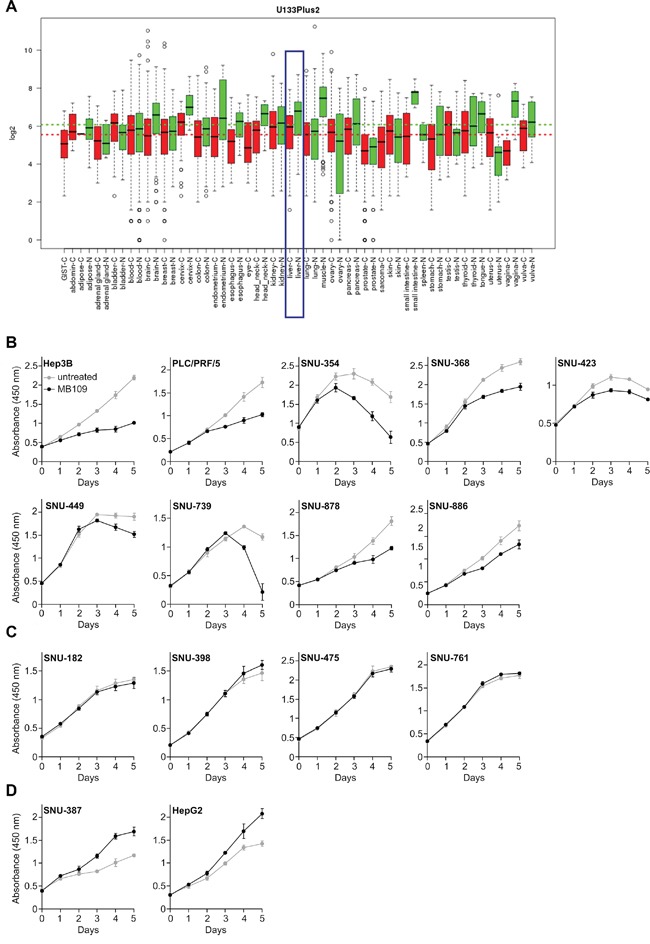
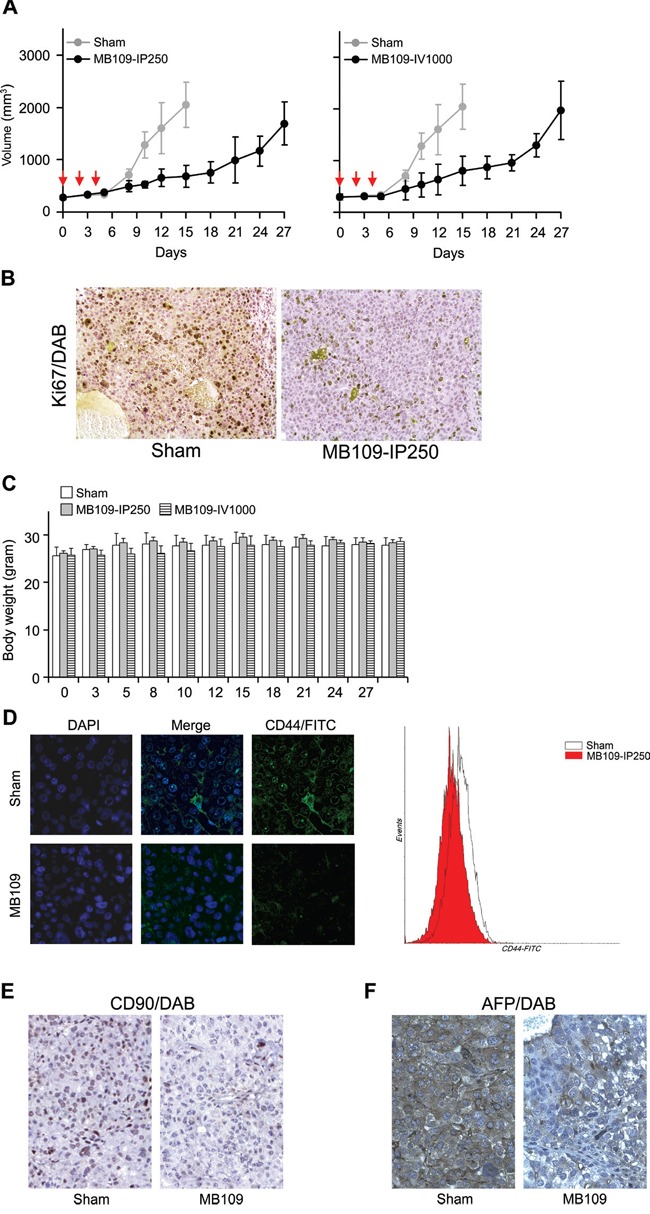
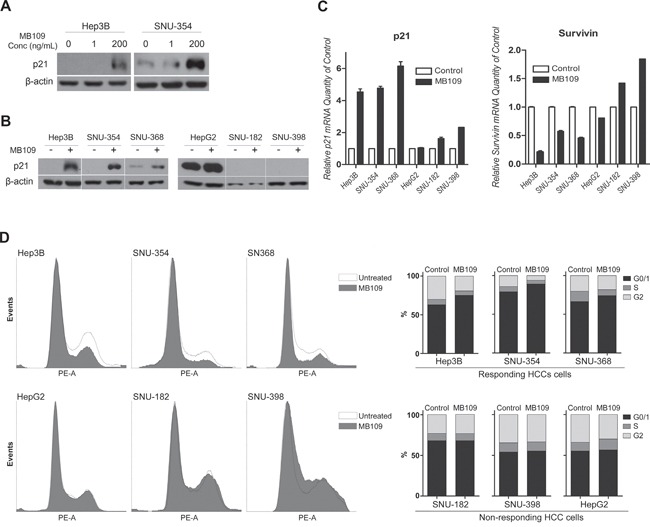
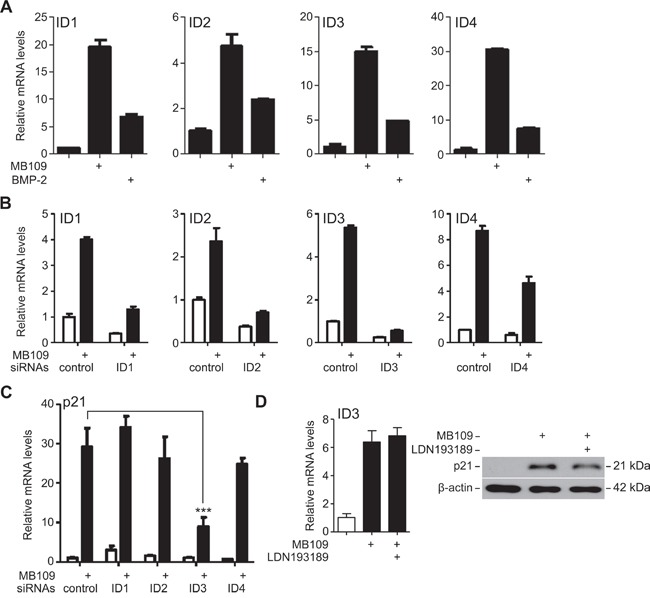
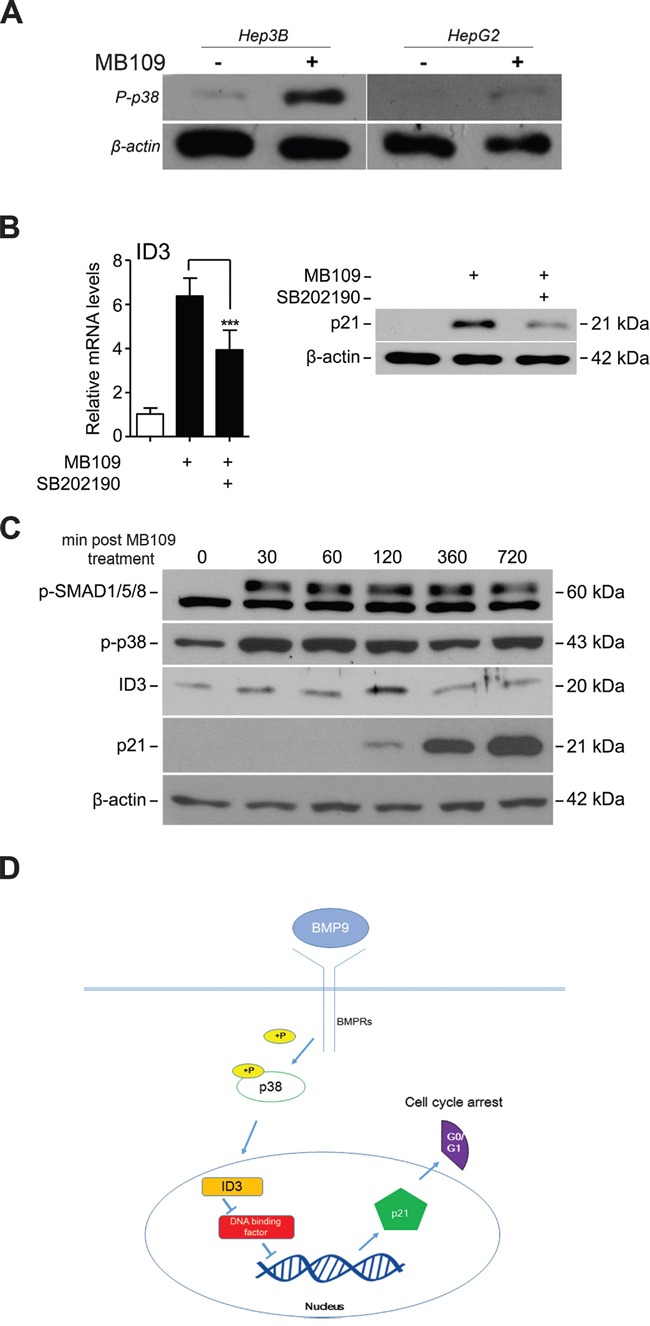
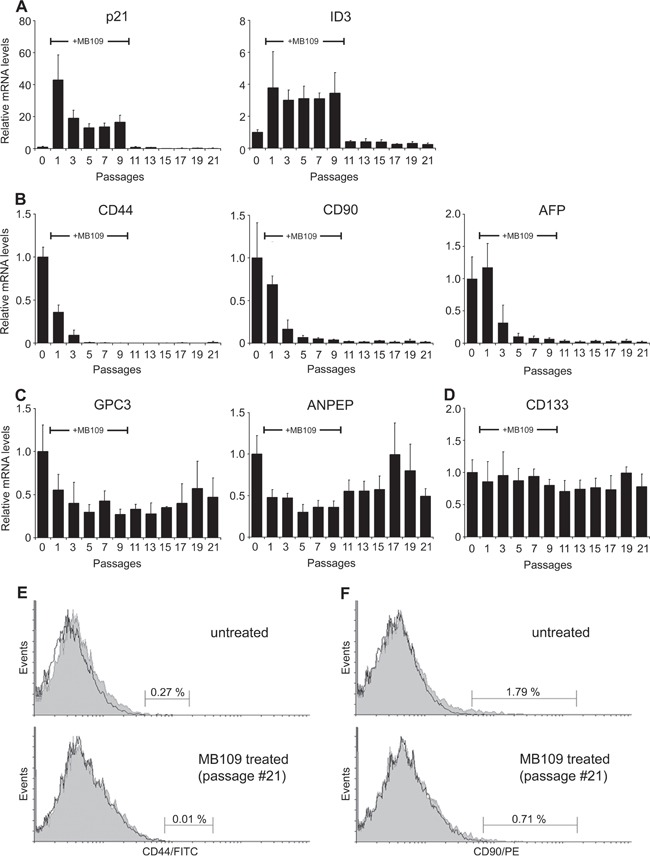
The biological role of BMP-9 signaling in liver cancer remains dubious. To explore the potential use of BMP-9 signaling for anti-cancer therapy, we used recombinant human BMP-9, which we referred to as MB109, to study the effect on growth of fifteen hepatocellular carcinoma (HCC) cell lines. MB109 effectively inhibits the proliferation of nine HCC cells in vitro. The anti-proliferative effect was found to be induced by turning on p21 signaling, which caused survivin suppression and G0/G1 cell cycle arrest. ID3 was identified to be the mediator of the MB109-induced p21 expression. Blocking the activity of p38 MAPK diminished ID3 and p21 expression, indicating that MB109 signals through a p38 MAPK/ID3/p21 pathway to arrest cell cycle progression. Moreover, prolonged MB109 treatment suppressed the expression of five prominent liver cancer stem cell (LCSC) markers, including CD44, CD90, AFP, GPC3 and ANPEP. Xenograft model confirmed the anti-tumor and LCSC-suppression capability of MB109 in vivo. Contrary to ongoing efforts of suppressing BMP-9 signaling to inhibit angiogenesis of cancer tissue, these results demonstrate an unexpected therapeutic potential of MB109 to stimulate BMP-9 signaling for anti-cancer therapies.
骨形态发生蛋白-9(BMP-9)信号在肝癌中的生物学作用仍不明确。为了探索BMP-9信号在抗癌治疗中的潜在用途,我们使用了重组人BMP-9(我们将其称为MB109)来研究其对15种肝癌(HCC)细胞系生长的影响。MB109在体外能有效抑制9种肝癌细胞的增殖。发现这种抗增殖作用是通过开启p21信号诱导产生的,p21信号导致生存素抑制和G0/G1期细胞周期停滞。ID3被确定为MB109诱导的p21表达的介导因子。阻断p38丝裂原活化蛋白激酶(MAPK)的活性会降低ID3和p21的表达,这表明MB109通过p38 MAPK/ID3/p21途径发出信号以阻止细胞周期进程。此外,延长MB109处理会抑制5种主要肝癌干细胞(LCSC)标志物的表达,包括CD44、CD90、甲胎蛋白(AFP)、磷脂酰肌醇蛋白聚糖3(GPC3)和氨肽酶N(ANPEP)。异种移植模型证实了MB109在体内具有抗肿瘤和抑制LCSC的能力。与目前抑制BMP-9信号以抑制癌组织血管生成的研究工作相反,这些结果表明MB109具有意想不到的治疗潜力,可通过刺激BMP-9信号用于抗癌治疗。