Dep. Bioquímica y Biología Molecular II, Facultad de Farmacia, Universidad Complutense de Madrid, Instituto de Investigación Sanitaria del Hospital Clínico San Carlos (IdISSC), Madrid, Spain.
PLoS One. 2013 Jul 23;8(7):e69535. doi: 10.1371/journal.pone.0069535. Print 2013.
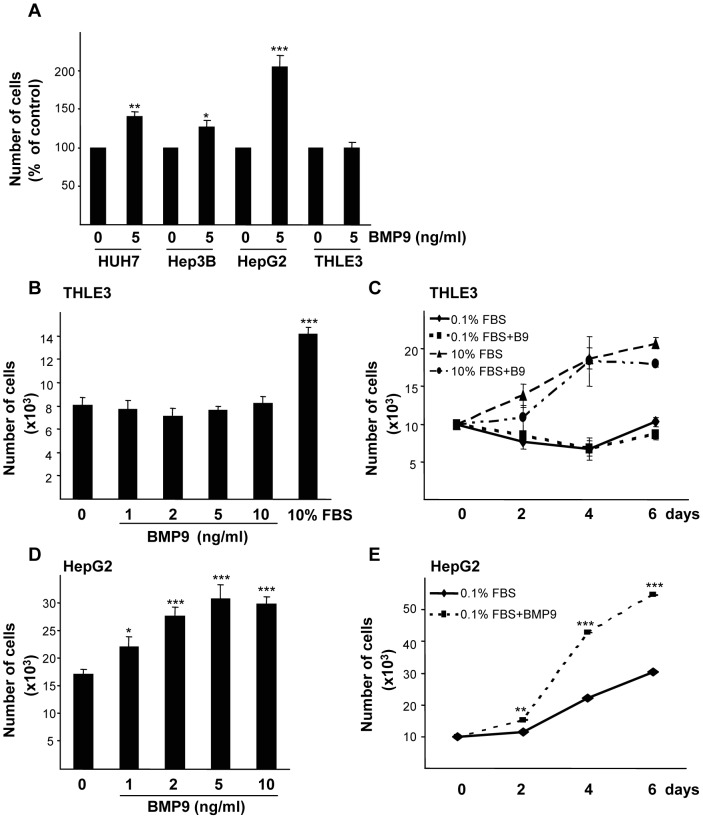
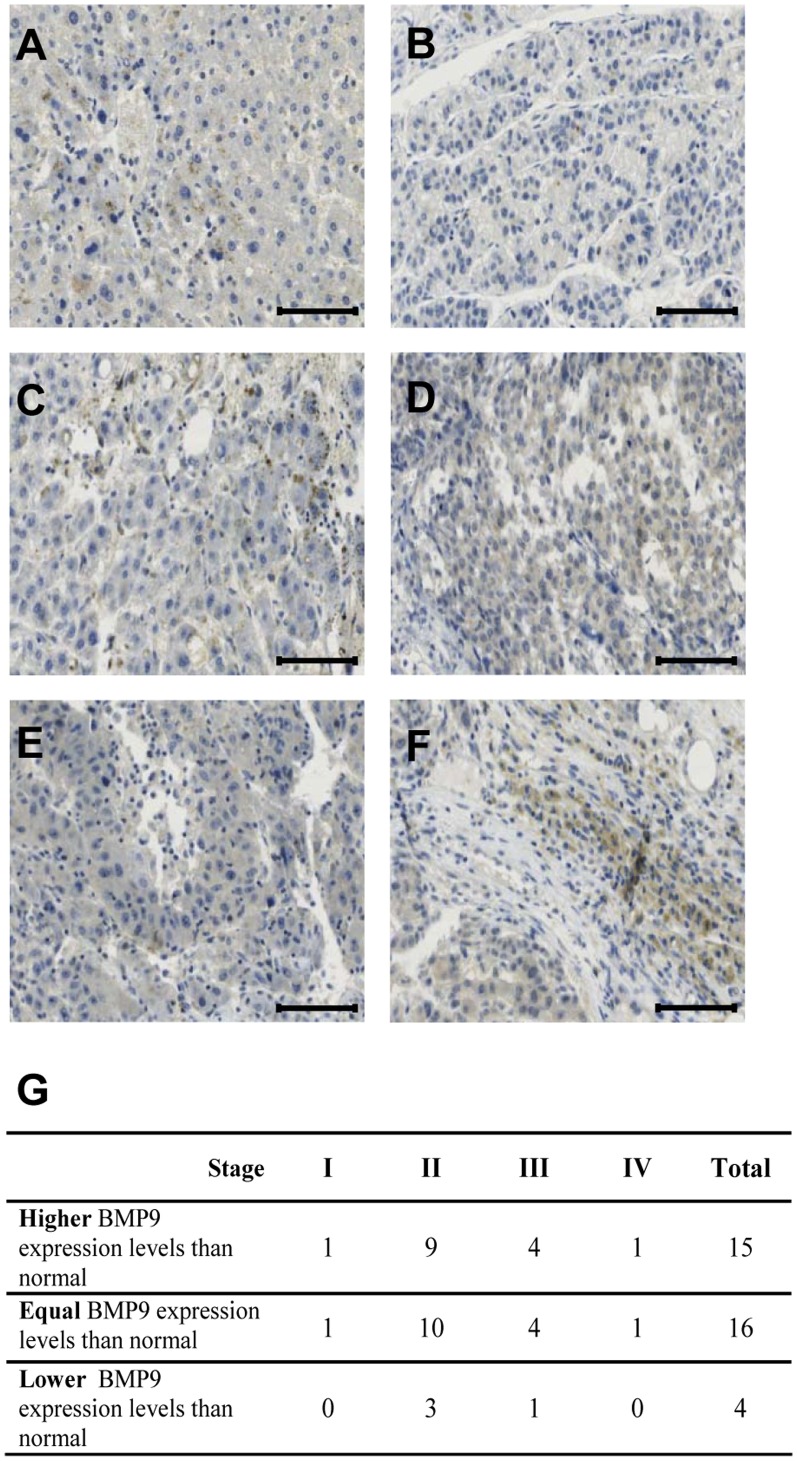
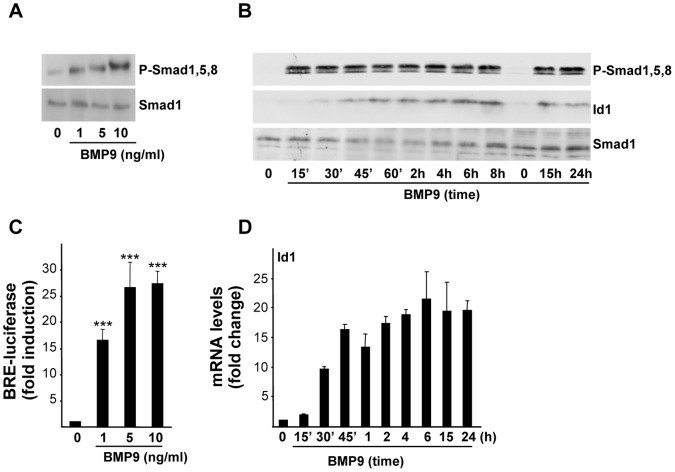
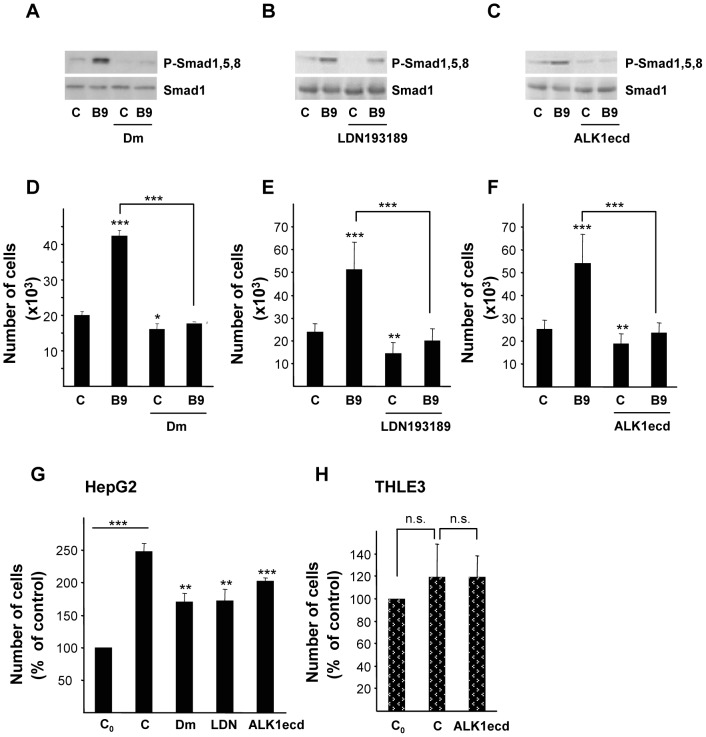
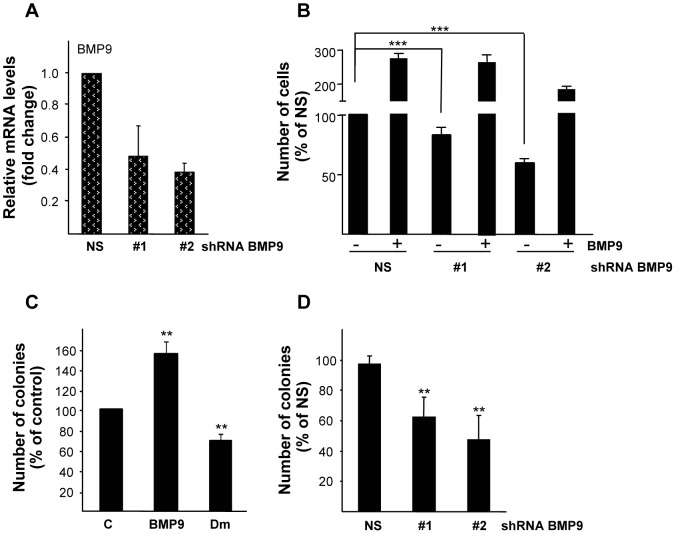
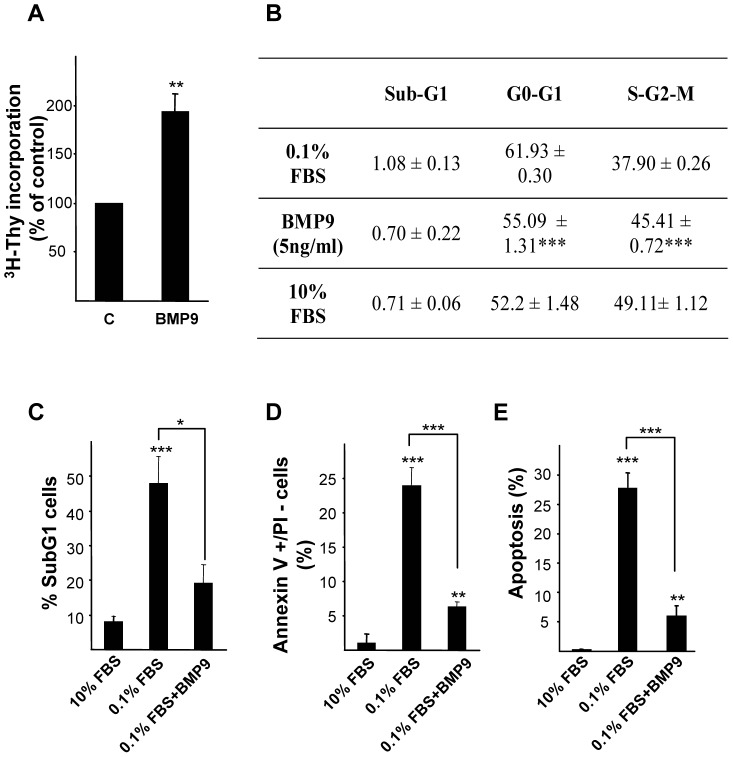
TGF-β family members play a relevant role in tumorigenic processes, including hepatocellular carcinoma (HCC), but a specific implication of the Bone Morphogenetic Protein (BMP) subfamily is still unknown. Although originally isolated from fetal liver, little is known about BMP9, a BMP family member, and its role in liver physiology and pathology. Our results show that BMP9 promotes growth in HCC cells, but not in immortalized human hepatocytes. In the liver cancer cell line HepG2, BMP9 triggers Smad1,5,8 phosphorylation and inhibitor of DNA binding 1 (Id1) expression up- regulation. Importantly, by using chemical inhibitors, ligand trap and gene silencing approaches we demonstrate that HepG2 cells autocrinely produce BMP9 that supports their proliferation and anchorage independent growth. Additionally, our data reveal that in HepG2 cells BMP9 triggers cell cycle progression, and strikingly, completely abolishes the increase in the percentage of apoptotic cells induced by long-term incubation in low serum. Collectively, our data unveil a dual role for BMP9, both promoting a proliferative response and exerting a remarkable anti-apoptotic function in HepG2 cells, which result in a robust BMP9 effect on liver cancer cell growth. Finally, we show that BMP9 expression is increased in 40% of human HCC tissues compared with normal human liver as revealed by immunohistochemistry analysis, suggesting that BMP9 signaling may be relevant during hepatocarcinogenesis in vivo. Our findings provide new clues for a better understanding of BMPs contribution, and in particular BMP9, in HCC pathogenesis that may result in the development of effective and targeted therapeutic interventions.
TGF-β 家族成员在肿瘤发生过程中发挥着重要作用,包括肝细胞癌(HCC),但骨形态发生蛋白(BMP)亚家族的具体作用尚不清楚。虽然 BMP9 最初是从胎肝中分离出来的,但人们对其知之甚少,BMP9 是 BMP 家族的一员,其在肝脏生理和病理中的作用尚不清楚。我们的研究结果表明,BMP9 促进 HCC 细胞的生长,但不促进永生化人肝细胞的生长。在肝癌细胞系 HepG2 中,BMP9 触发 Smad1、5、8 的磷酸化和抑制 DNA 结合蛋白 1(Id1)的表达上调。重要的是,通过使用化学抑制剂、配体陷阱和基因沉默方法,我们证明 HepG2 细胞自分泌产生 BMP9,支持其增殖和锚定独立生长。此外,我们的数据表明,在 HepG2 细胞中,BMP9 触发细胞周期进程,令人惊讶的是,它完全消除了长期在低血清中孵育诱导的细胞凋亡百分比的增加。综上所述,我们的数据揭示了 BMP9 的双重作用,既促进增殖反应,又在 HepG2 细胞中发挥显著的抗凋亡功能,从而对肝癌细胞的生长产生强大的 BMP9 效应。最后,我们通过免疫组织化学分析显示,与正常人类肝脏相比,40%的人类 HCC 组织中 BMP9 的表达增加,这表明 BMP9 信号可能在体内肝癌发生过程中具有相关性。我们的研究结果为更好地理解 BMPs 的作用,特别是 BMP9 在 HCC 发病机制中的作用提供了新的线索,这可能为开发有效的靶向治疗干预措施提供依据。