Chen Jiahuan, Zhou Qian, Wang Yangfan, Ning Kang
Key Laboratory of Molecular Biophysics of the Ministry of Education, Hubei Key Laboratory of Bioinformatics and Molecular-imaging, Department of Bioinformatics and Systems Biology, College of Life Science and Technology, Huazhong University of Science and Technology, Wuhan, Hubei, 430074, China.
Bioinformatics Group of the Single Cell Center, Shandong Key Laboratory of Energy Genetics and CAS Key Laboratory of Biofuels, Qingdao Institute of Bioenergy and Bioprocess Technology, Chinese Academy of Sciences, Qingdao, Shandong, 266101, China.
Sci Rep. 2016 Sep 28;6:34420. doi: 10.1038/srep34420.
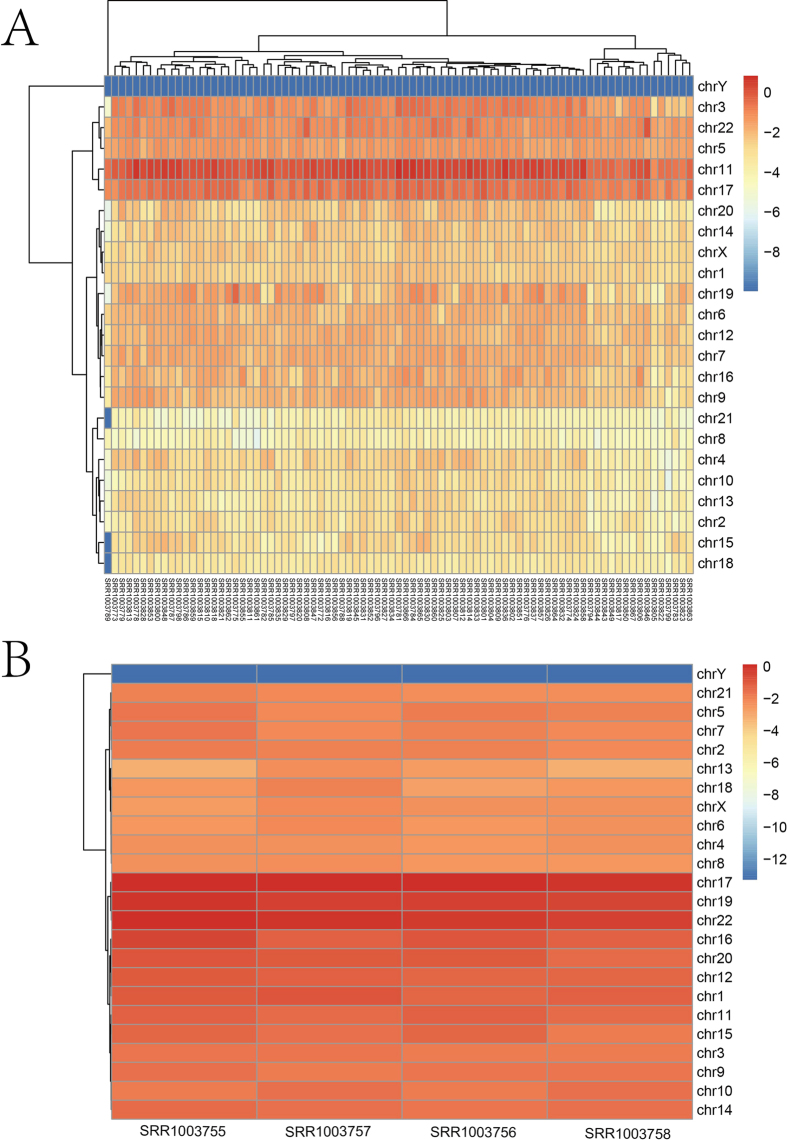
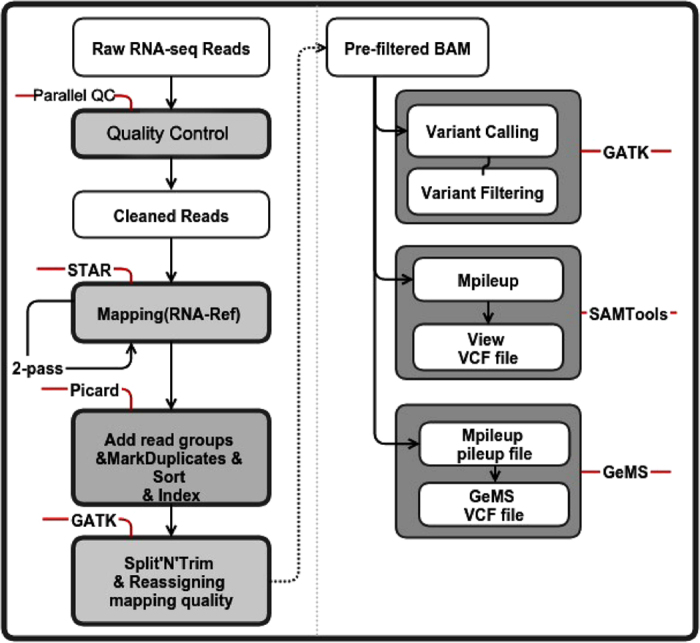
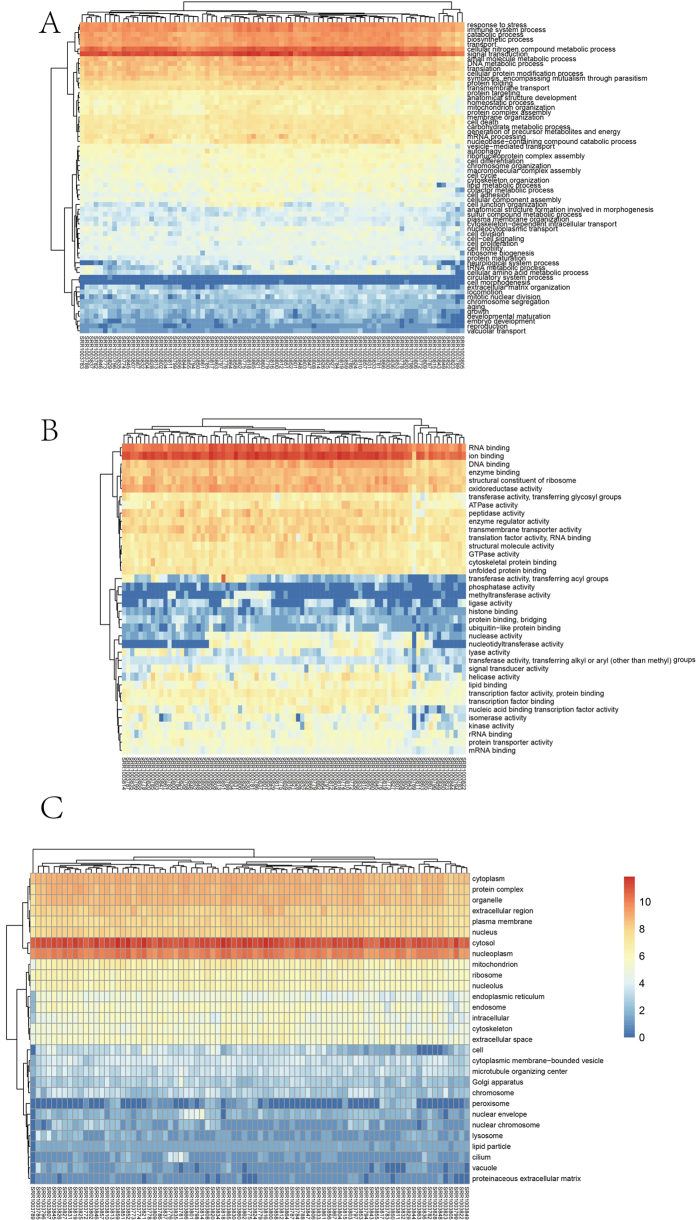
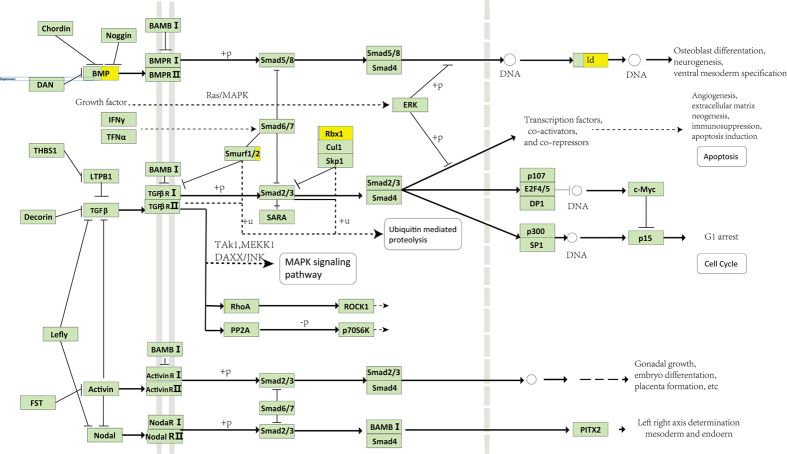
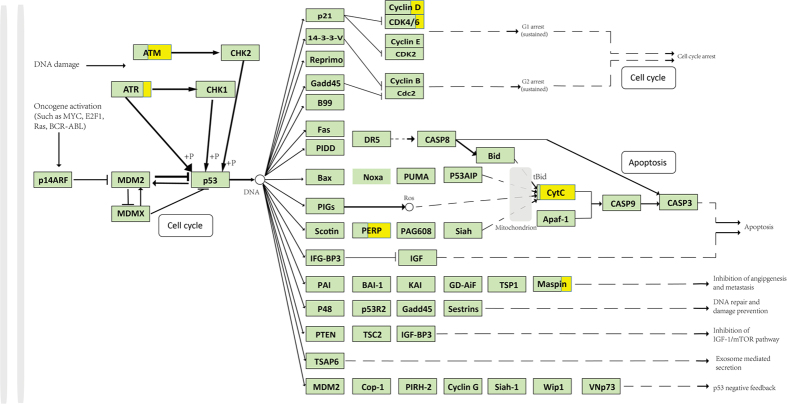
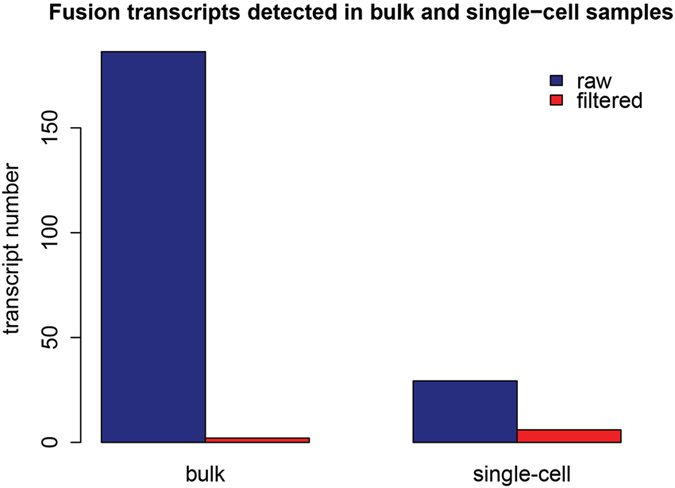
Single-cell sequencing is useful for illustrating the cellular heterogeneities inherent in many intricate biological systems, particularly in human cancer. However, owing to the difficulties in acquiring, amplifying and analyzing single-cell genetic material, obstacles remain for single-cell diversity assessments such as single nucleotide polymorphism (SNP) analyses, rendering biological interpretations of single-cell omics data elusive. We used RNA-Seq data from single-cell and bulk colon cancer samples to analyze the SNP profiles for both structural and functional comparisons. Colon cancer-related pathways with single-cell level SNP enrichment, including the TGF-β and p53 signaling pathways, were also investigated based on both their SNP enrichment patterns and gene expression. We also detected a certain number of fusion transcripts, which may promote tumorigenesis, at the single-cell level. Based on these results, single-cell analyses not only recapitulated the SNP analysis results from the bulk samples but also detected cell-to-cell and cell-to-bulk variations, thereby aiding in early diagnosis and in identifying the precise mechanisms underlying cancers at the single-cell level.
单细胞测序有助于阐明许多复杂生物系统中固有的细胞异质性,尤其是在人类癌症中。然而,由于获取、扩增和分析单细胞遗传物质存在困难,单细胞多样性评估(如单核苷酸多态性(SNP)分析)仍存在障碍,使得单细胞组学数据的生物学解释难以捉摸。我们使用来自单细胞和大量结肠癌样本的RNA测序数据来分析SNP谱,以进行结构和功能比较。还基于SNP富集模式和基因表达,研究了具有单细胞水平SNP富集的结肠癌相关途径,包括TGF-β和p53信号通路。我们还在单细胞水平检测到了一定数量的可能促进肿瘤发生的融合转录本。基于这些结果,单细胞分析不仅概括了大量样本的SNP分析结果,还检测到了细胞间和细胞与大量样本间的差异,从而有助于早期诊断,并在单细胞水平识别癌症的精确潜在机制。