Hughson Andrew G, Race Brent, Kraus Allison, Sangaré Laura R, Robins Lori, Groveman Bradley R, Saijo Eri, Phillips Katie, Contreras Luis, Dhaliwal Virkamal, Manca Matteo, Zanusso Gianluigi, Terry Daniel, Williams Jeffrey F, Caughey Byron
Laboratory of Persistent Viral Diseases, Rocky Mountain Laboratories, NIAID, NIH, Hamilton, Montana, United States of America.
Department of Epidemiology, University of Washington, Seattle, Washington, United States of America.
PLoS Pathog. 2016 Sep 29;12(9):e1005914. doi: 10.1371/journal.ppat.1005914. eCollection 2016 Sep.
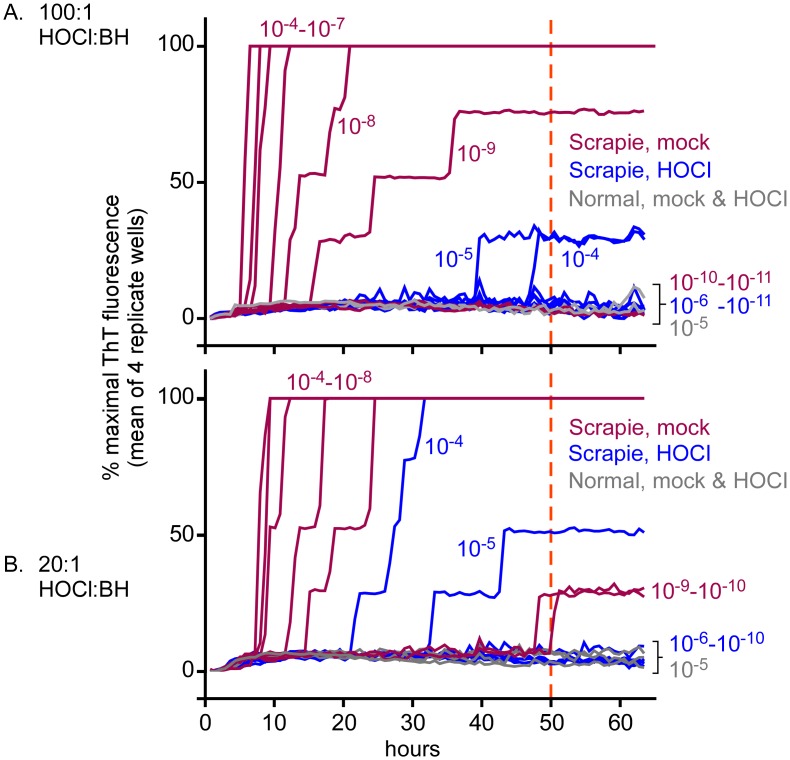
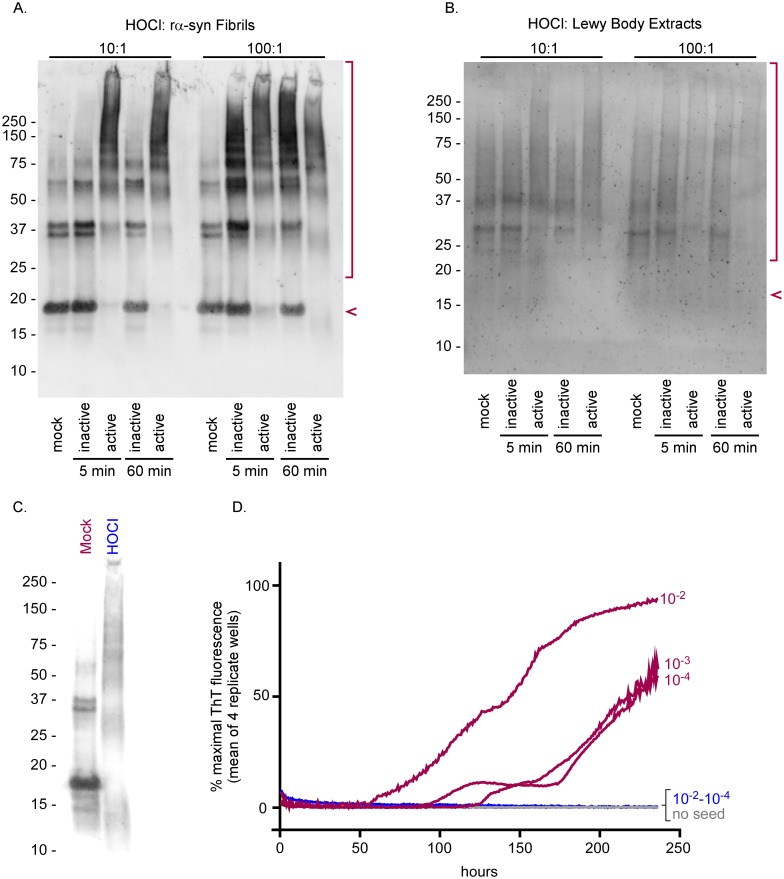
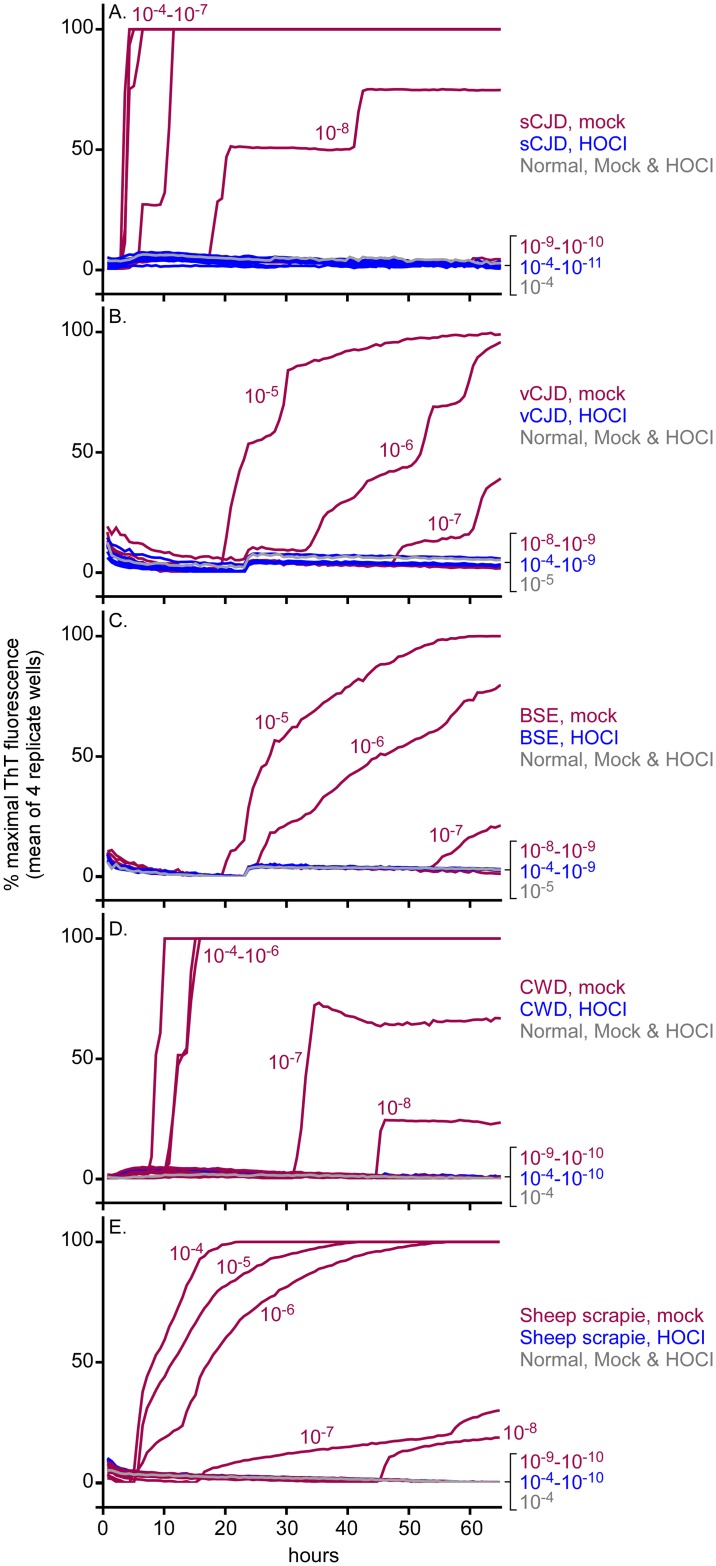
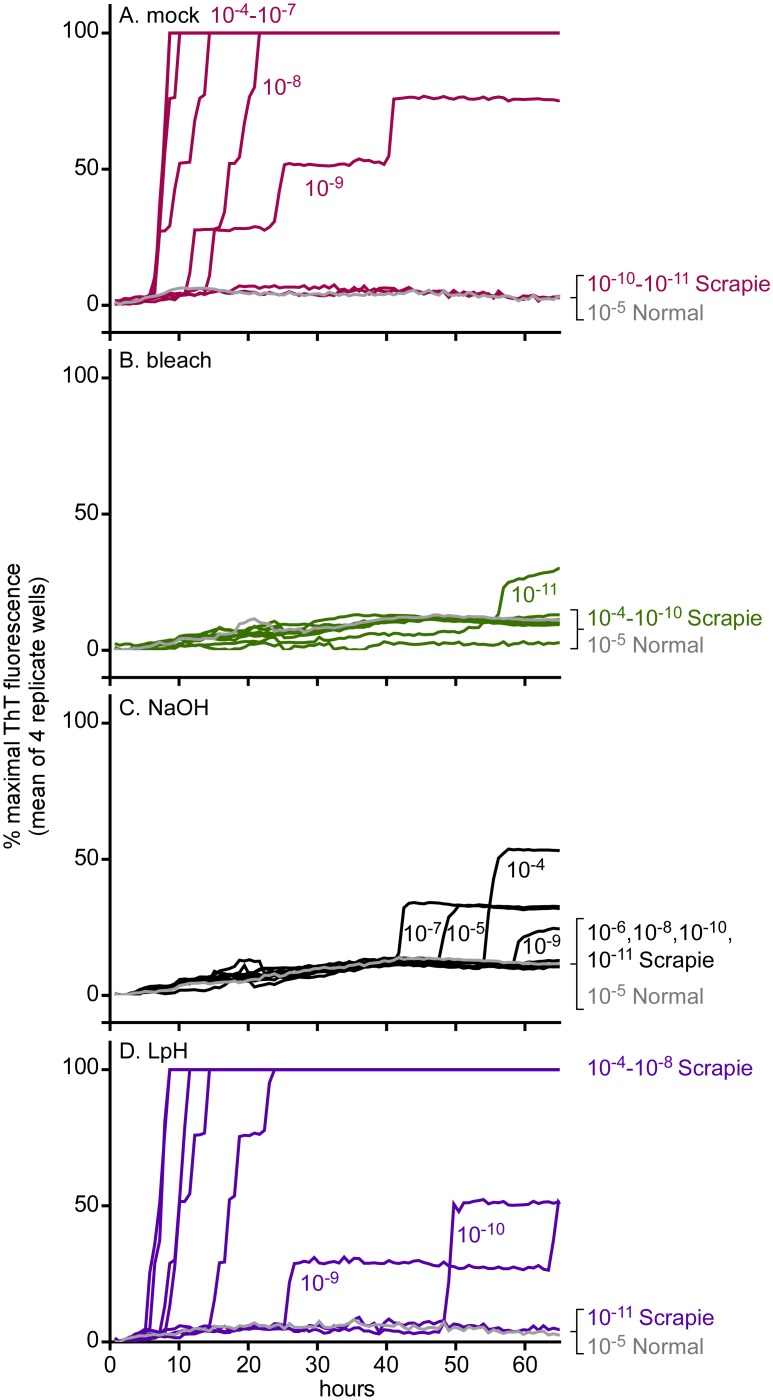
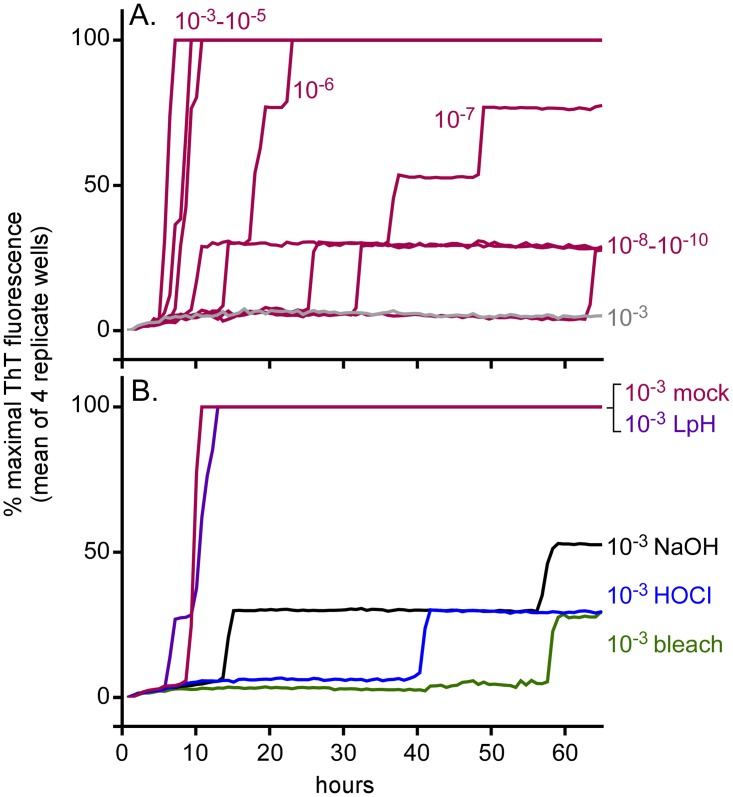
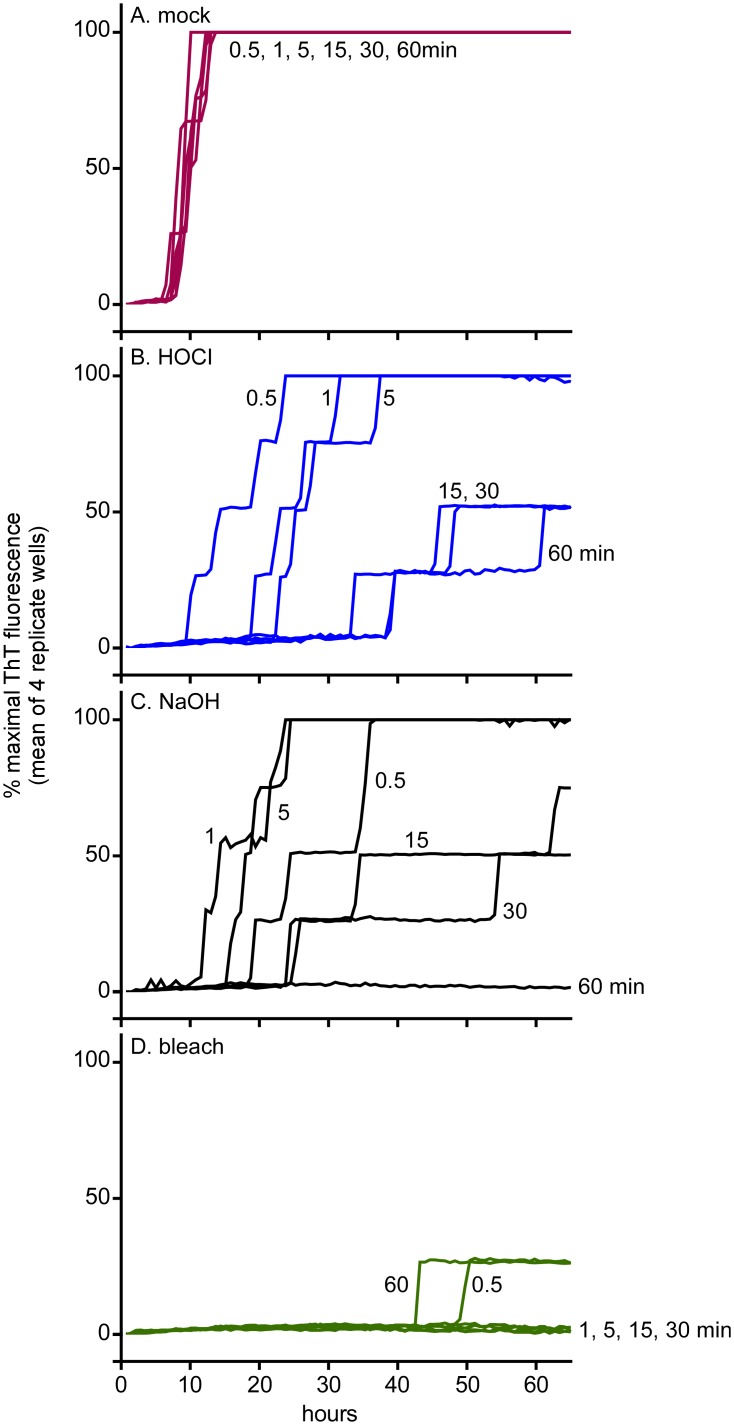
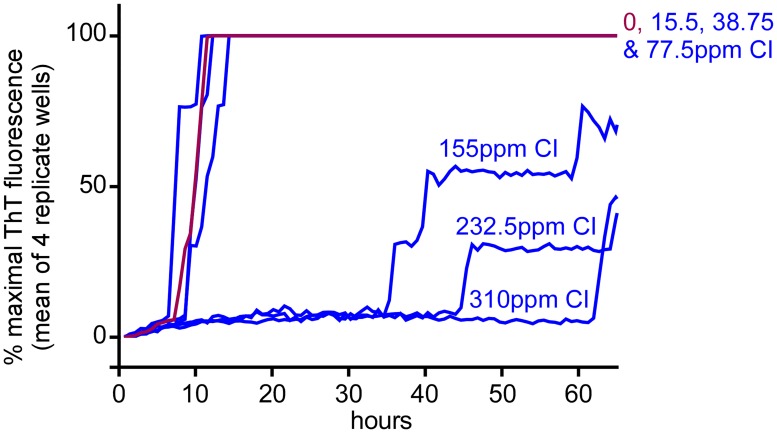
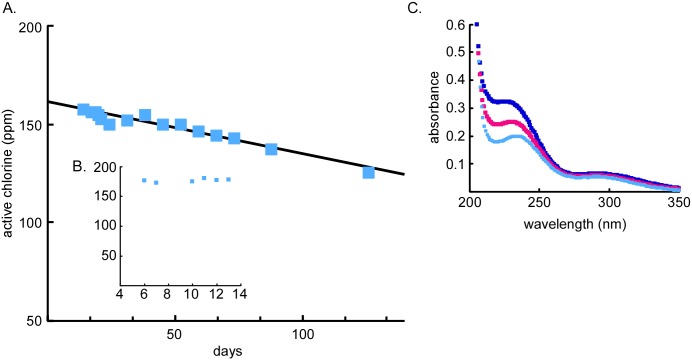
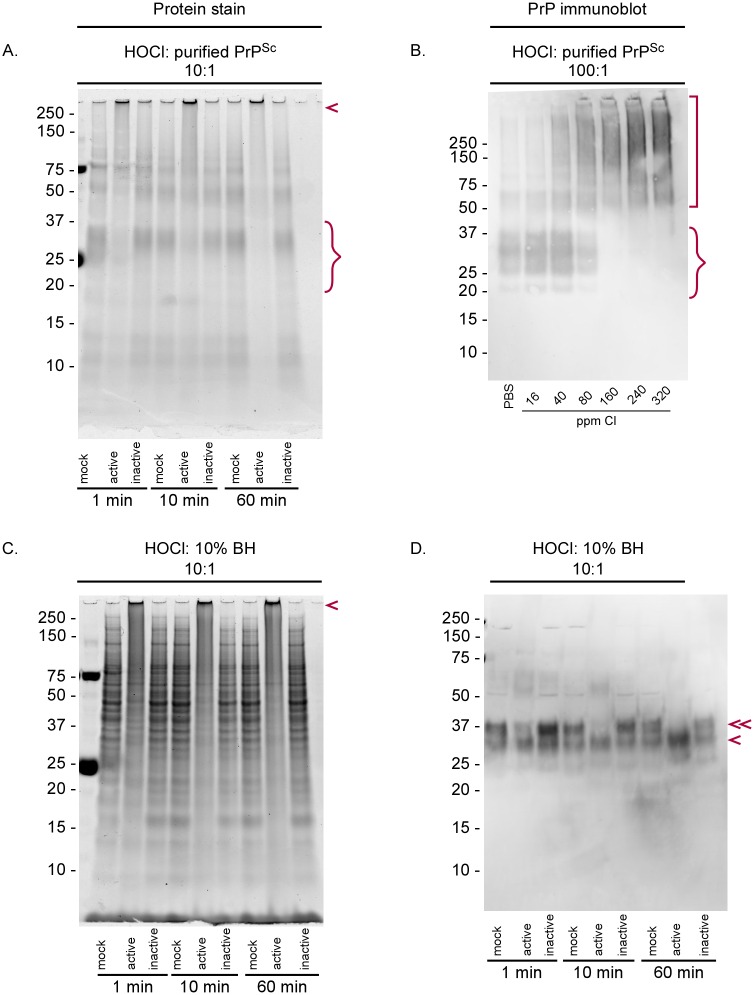
Hypochlorous acid (HOCl) is produced naturally by neutrophils and other cells to kill conventional microbes in vivo. Synthetic preparations containing HOCl can also be effective as microbial disinfectants. Here we have tested whether HOCl can also inactivate prions and other self-propagating protein amyloid seeds. Prions are deadly pathogens that are notoriously difficult to inactivate, and standard microbial disinfection protocols are often inadequate. Recommended treatments for prion decontamination include strongly basic (pH ≥12) sodium hypochlorite bleach, ≥1 N sodium hydroxide, and/or prolonged autoclaving. These treatments are damaging and/or unsuitable for many clinical, agricultural and environmental applications. We have tested the anti-prion activity of a weakly acidic aqueous formulation of HOCl (BrioHOCl) that poses no apparent hazard to either users or many surfaces. For example, BrioHOCl can be applied directly to skin and mucous membranes and has been aerosolized to treat entire rooms without apparent deleterious effects. Here, we demonstrate that immersion in BrioHOCl can inactivate not only a range of target microbes, including spores of Bacillus subtilis, but also prions in tissue suspensions and on stainless steel. Real-time quaking-induced conversion (RT-QuIC) assays showed that BrioHOCl treatments eliminated all detectable prion seeding activity of human Creutzfeldt-Jakob disease, bovine spongiform encephalopathy, cervine chronic wasting disease, sheep scrapie and hamster scrapie; these findings indicated reductions of ≥103- to 106-fold. Transgenic mouse bioassays showed that all detectable hamster-adapted scrapie infectivity in brain homogenates or on steel wires was eliminated, representing reductions of ≥105.75-fold and >104-fold, respectively. Inactivation of RT-QuIC seeding activity correlated with free chlorine concentration and higher order aggregation or destruction of proteins generally, including prion protein. BrioHOCl treatments had similar effects on amyloids composed of human α-synuclein and a fragment of human tau. These results indicate that HOCl can block the self-propagating activity of prions and other amyloids.
次氯酸(HOCl)由中性粒细胞和其他细胞自然产生,用于在体内杀死传统微生物。含有HOCl的合成制剂也可作为微生物消毒剂发挥作用。在此,我们测试了HOCl是否也能使朊病毒和其他自我传播的蛋白质淀粉样种子失活。朊病毒是致命的病原体, notoriously难以失活,标准的微生物消毒方案往往不够充分。推荐的朊病毒去污处理方法包括强碱性(pH≥12)的次氯酸钠漂白剂、≥1N的氢氧化钠和/或长时间高压灭菌。这些处理方法具有破坏性和/或不适用于许多临床、农业和环境应用。我们测试了一种弱酸性HOCl水性制剂(BrioHOCl)的抗朊病毒活性,该制剂对使用者和许多表面均无明显危害。例如,BrioHOCl可直接应用于皮肤和粘膜,并且已雾化用于治疗整个房间,没有明显的有害影响。在此,我们证明浸入BrioHOCl不仅可以使一系列目标微生物失活,包括枯草芽孢杆菌的孢子,还可以使组织悬液和不锈钢上的朊病毒失活。实时震颤诱导转化(RT-QuIC)分析表明,BrioHOCl处理消除了人类克雅氏病、牛海绵状脑病、鹿慢性消耗病、羊瘙痒病和仓鼠瘙痒病的所有可检测到的朊病毒播种活性;这些发现表明减少了≥103至106倍。转基因小鼠生物测定表明脑匀浆或钢丝上所有可检测到的仓鼠适应型瘙痒病感染性均被消除,分别代表减少了≥105.75倍和>104倍。RT-QuIC播种活性的失活与游离氯浓度以及蛋白质的高阶聚集或破坏相关,一般包括朊病毒蛋白。BrioHOCl处理对由人α-突触核蛋白和人tau片段组成的淀粉样蛋白有类似影响。这些结果表明HOCl可以阻断朊病毒和其他淀粉样蛋白的自我传播活性。