Department of Medical Microbiology and Immunology, School of Medicine, Creighton University, Omaha, Nebraska, USA.
College of Saint Mary's, Omaha, Nebraska, USA.
mSphere. 2024 Sep 25;9(9):e0050424. doi: 10.1128/msphere.00504-24. Epub 2024 Aug 27.
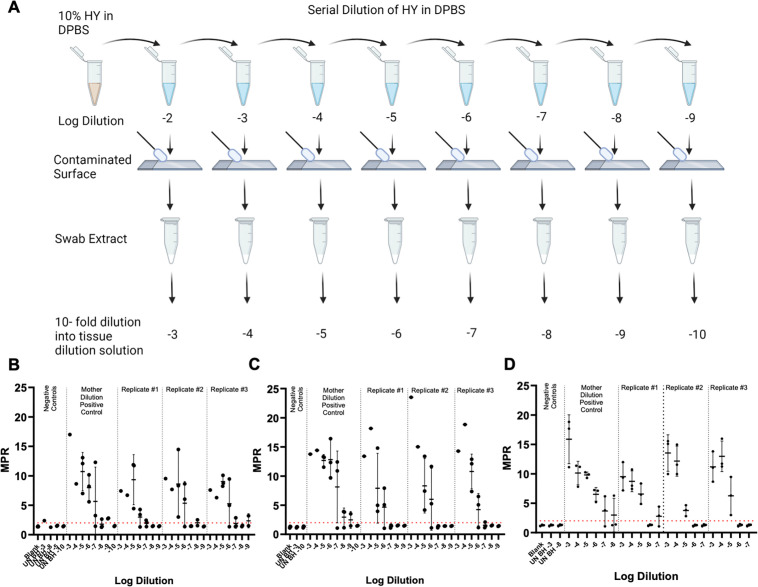
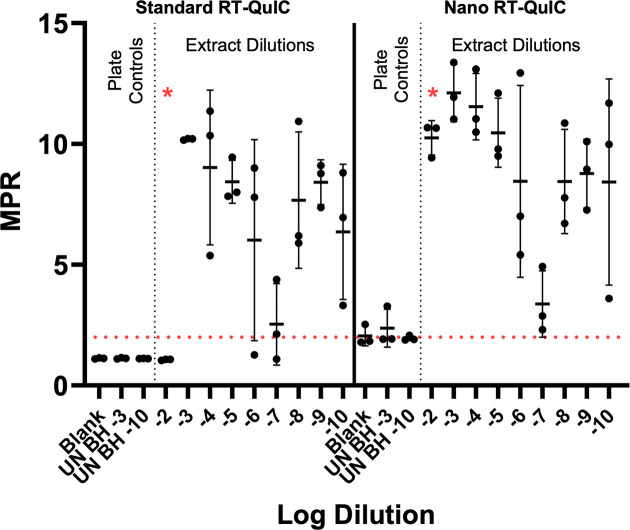
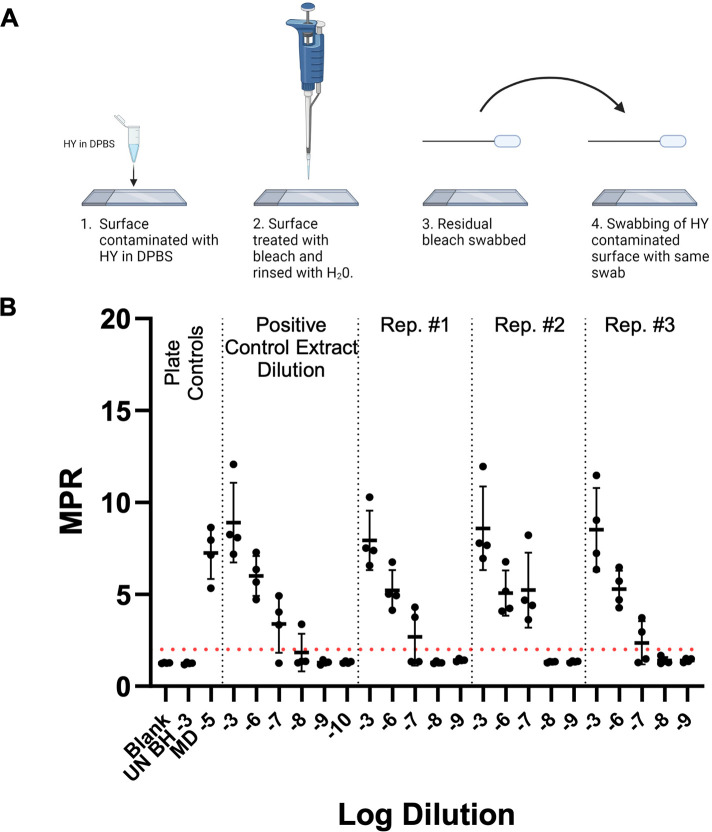
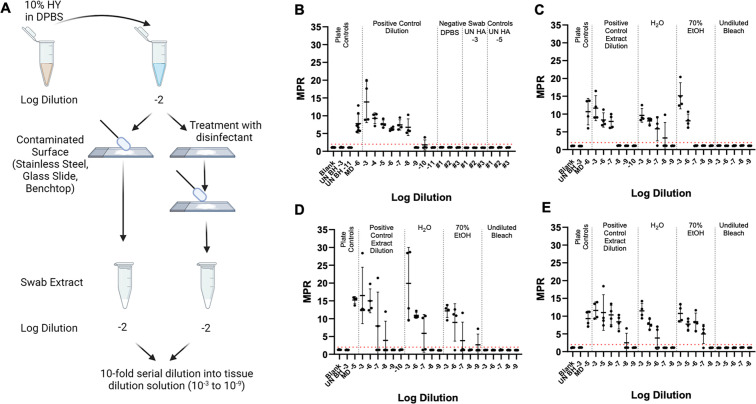
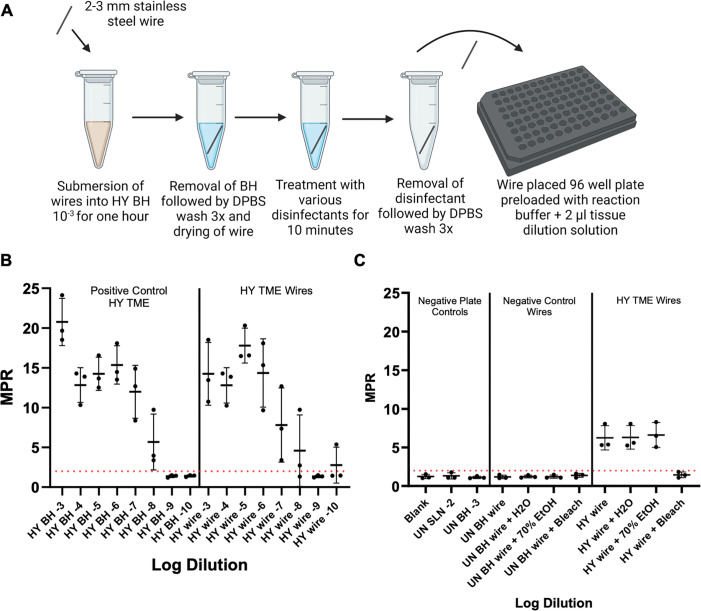
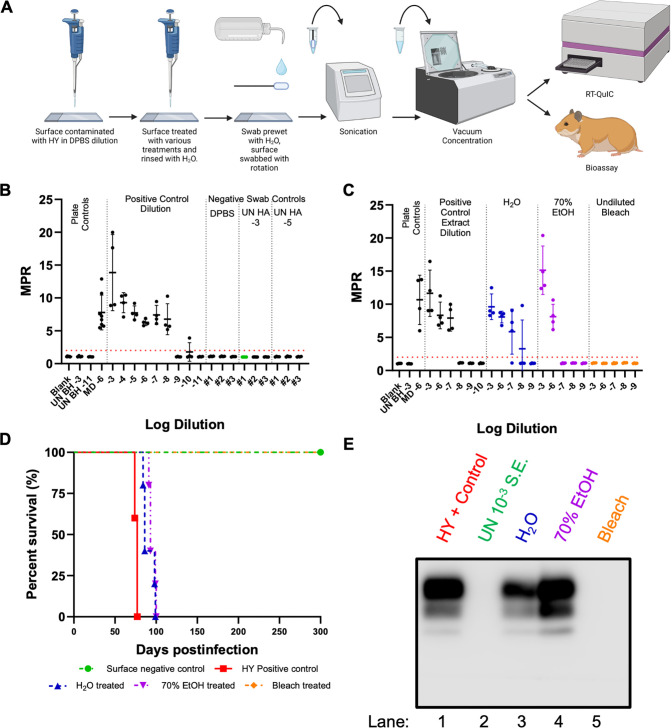
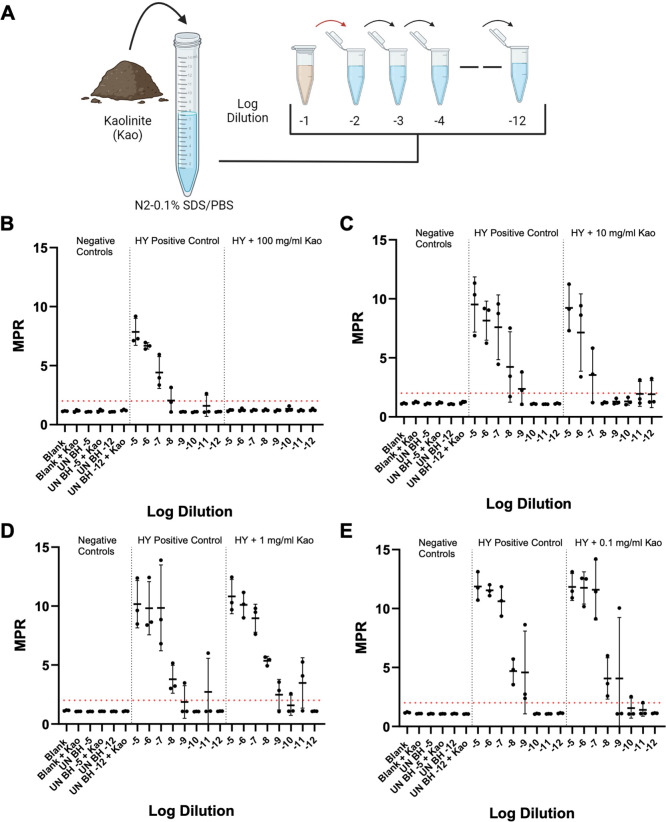
Prion diseases are untreatable fatal transmissible neurodegenerative diseases that affect a wide range of mammals, including humans, and are caused by PrP, the infectious self-templating conformation of the host-encoded protein, PrP. Prion diseases can be transmitted via surfaces (e.g., forceps, EEG electrodes) in laboratory and clinical settings. Here, we use a combination of surface swabbing and real-time quaking-induced conversion (RT-QuIC) to test for residual surface-associated prions following prion disinfection. We found that treatment of several prion-contaminated laboratory and clinically relevant surfaces with either water or 70% EtOH resulted in robust detection of surface-associated prions. In contrast, treatment of surfaces with sodium hypochlorite resulted in a failure to detect surface-associated prions. RT-QuIC analysis of prion-contaminated stainless steel wires paralleled the findings of the surface swab studies. Importantly, animal bioassay and RT-QuIC analysis of the same swab extracts are in agreement. We report on conditions that may interfere with the assay that need to be taken into consideration before using this technique. Overall, this method can be used to survey laboratory and clinical surfaces for prion infectivity following prion decontamination protocols.IMPORTANCEPrion diseases can be accidentally transmitted in clinical and occupational settings. While effective means of prion decontamination exist, methods for determining the effectiveness are only beginning to be described. Here, we analyze surface swab extracts using real-time quaking-induced conversion (RT-QuIC) to test for residual prions following prion disinfection of relevant clinical and laboratory surfaces. We found that this method can rapidly determine the efficacy of surface prion decontamination. Importantly, examination of surface extracts with RT-QuIC and animal bioassay produced similar findings, suggesting that this method can accurately assess the reduction in prion titer. We identified surface contaminants that interfere with the assay, which may be found in clinical and laboratory settings. Overall, this method can enhance clinical and laboratory prion safety measures.
朊病毒病是一种无法治愈的致命传染性神经退行性疾病,可影响包括人类在内的广泛哺乳动物,由朊病毒蛋白(PrP)引起,PrP 是宿主编码蛋白的传染性自模板构象。朊病毒病可通过实验室和临床环境中的表面(例如,镊子,EEG 电极)传播。在这里,我们使用表面擦拭和实时震动诱导转换(RT-QuIC)的组合来测试朊病毒消毒后残留的表面相关朊病毒。我们发现,用水或 70%乙醇处理几种朊病毒污染的实验室和临床相关表面会导致对表面相关朊病毒的强检测。相比之下,用次氯酸钠处理表面会导致无法检测到表面相关朊病毒。受朊病毒污染的不锈钢丝的 RT-QuIC 分析与表面擦拭研究的发现平行。重要的是,相同拭子提取物的动物生物测定和 RT-QuIC 分析结果一致。我们报告了可能干扰该检测的检测条件,在使用该技术之前需要考虑这些条件。总体而言,该方法可用于在进行朊病毒去污协议后,对实验室和临床表面进行朊病毒感染性调查。
重要性:朊病毒病可在临床和职业环境中意外传播。虽然存在有效的朊病毒去污方法,但确定其有效性的方法才刚刚开始描述。在这里,我们使用实时震动诱导转换(RT-QuIC)分析表面拭子提取物,以测试相关临床和实验室表面朊病毒消毒后残留的朊病毒。我们发现,该方法可以快速确定表面朊病毒去污的功效。重要的是,通过 RT-QuIC 和动物生物测定检查表面提取物得出了相似的发现,这表明该方法可以准确评估朊病毒滴度的降低。我们确定了可能存在于临床和实验室环境中的干扰检测的表面污染物。总体而言,该方法可以增强临床和实验室的朊病毒安全措施。