Zhi Erlei, Li Peng, Chen Huixing, Xu Peng, Zhu Xiaobin, Zhu Zijue, He Zuping, Li Zheng
Department of Andrology, Center for Men's Health, Urologic Medical Center, Shanghai General Hospital, Shanghai Jiao Tong University, 100 Haining Rd, Shanghai 200080, China.
Department of ART, Institute of Urology, Urologic Medical Center, Shanghai General Hospital, Shanghai Jiao Tong University, 100 Haining Rd, Shanghai 200080, China.
Genes (Basel). 2016 Sep 27;7(10):75. doi: 10.3390/genes7100075.
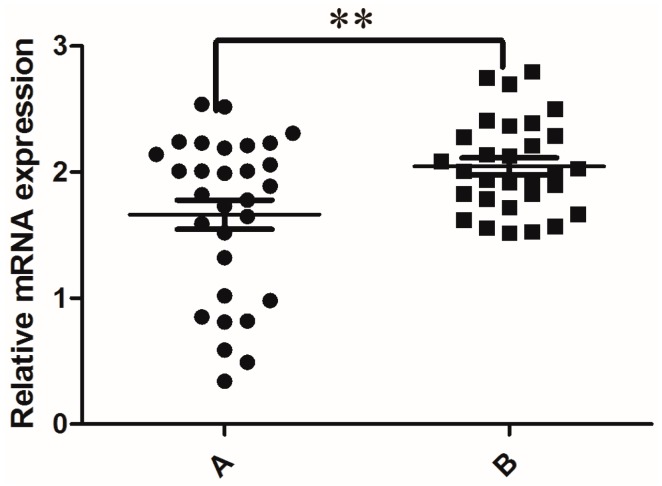
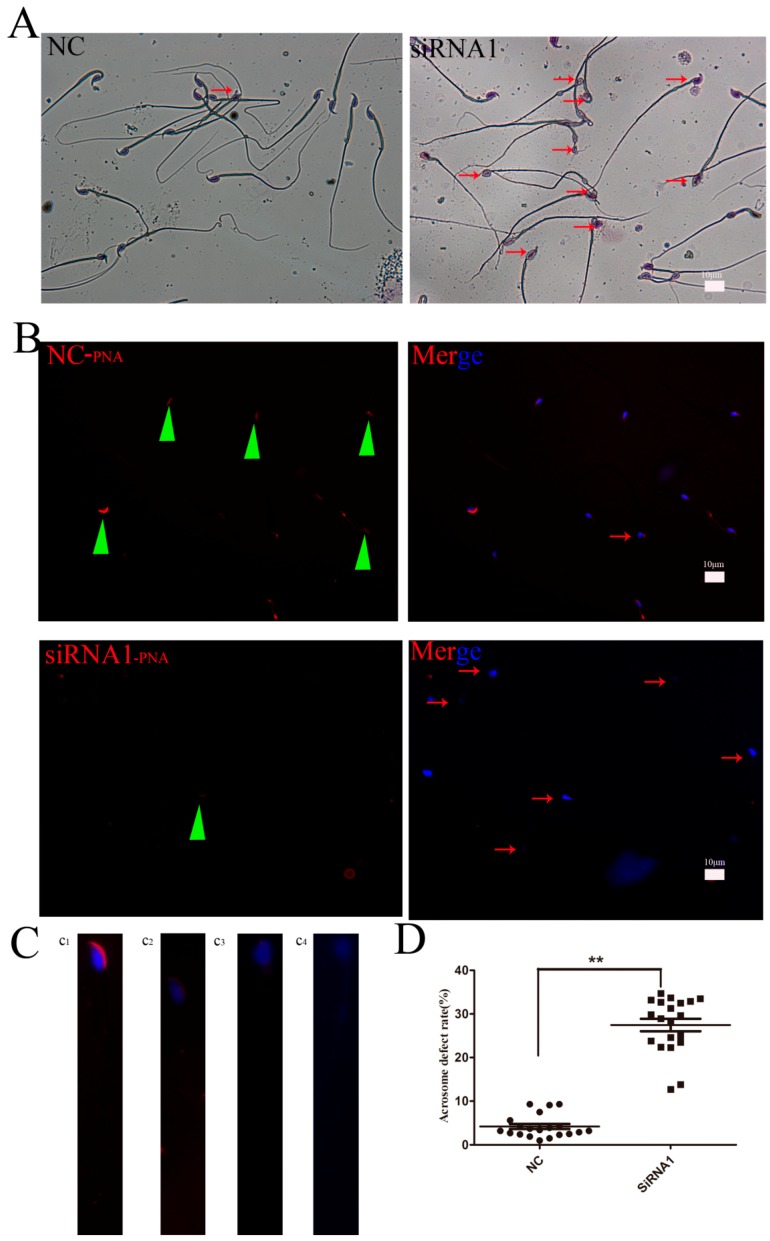
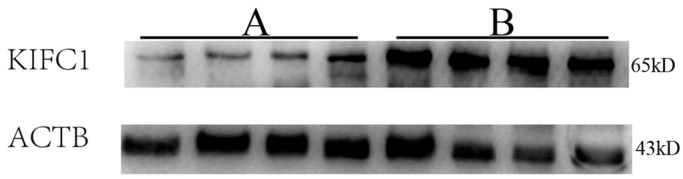
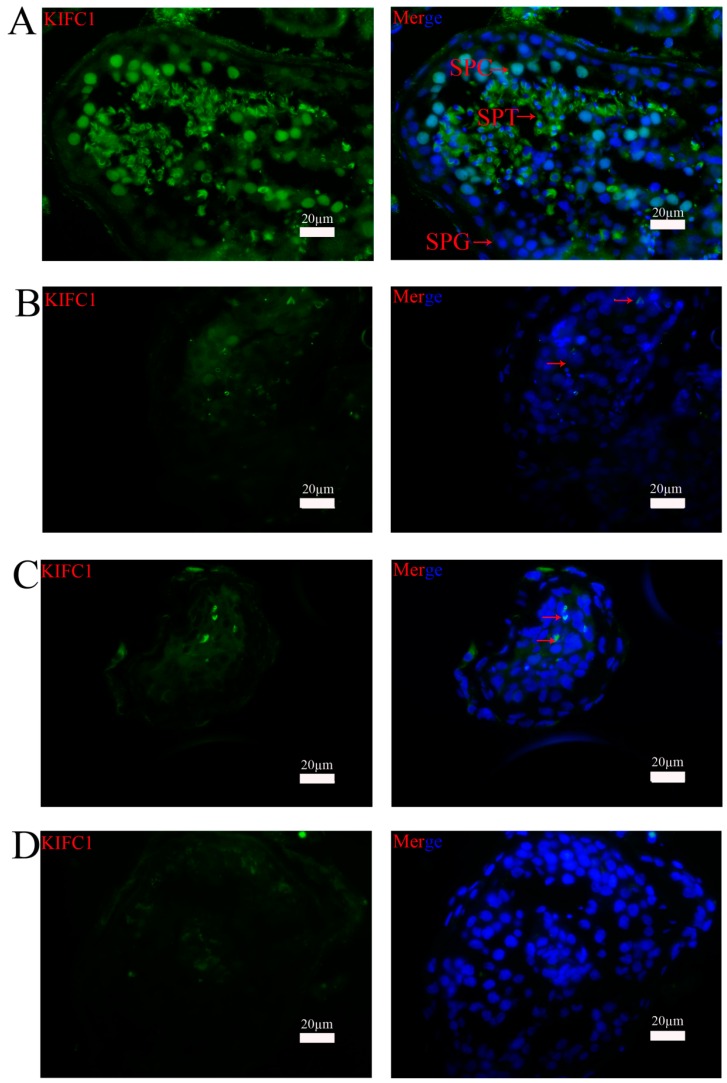
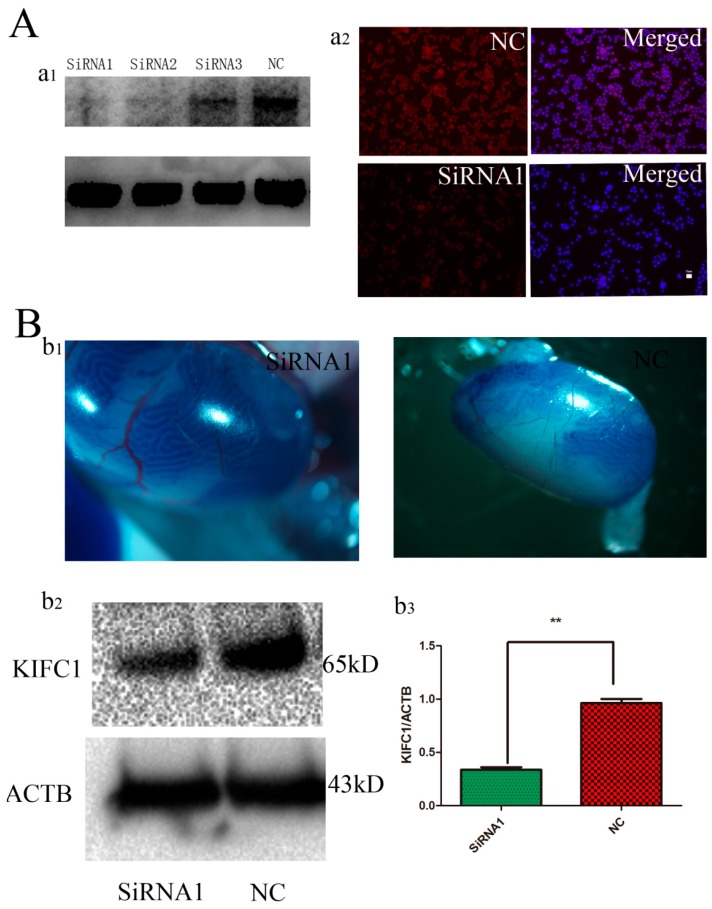
Globozoospermia is a rare (prevalence of <0.1%) but severe male infertility condition. In our previous study, we found that robust KIFC1 immunostaining was detected in the human elongating/elongated spermatids during human acrosomogenesis. However, the relationship between the decreased expression of KIFC1 and human globozoospermia remains largely unknown. Testicular biopsies of 30 globozoospermia and 30 obstructive azoospermia patients who underwent infertility evaluation and treatment were utilized in this study. Reverse transcriptase polymerase chain reaction (RT-PCR), Western blots, immunohistochemistry, an in vivo model, and intratesticular injection of small inhibitory RNA (siRNA) against the gene were employed, and sperm abnormalities were evaluated by hematoxylin and eosin (H&E) staining and immunocytochemistry. We revealed that the testicular level of mRNA in globozoospermia was significantly reduced compared with that in obstructive azoospermia, and the KIFC1 protein was barely detectable in testicular specimens in 30% (9 of 30) of patients with globozoospermia. Furthermore, knockdown of the gene in mice increased the percentage of sperm with globozoospermic defects (26.5%). Decreased KIFC1 expression was mainly observed in the testes of patients with globozoospermia at the spermatid stage, which may be useful for counseling and management of such patients.
圆头精子症是一种罕见的(患病率<0.1%)但严重的男性不育症。在我们之前的研究中,我们发现在人类顶体发生过程中,在延长/延长的精子细胞中检测到强烈的KIFC1免疫染色。然而,KIFC1表达降低与人类圆头精子症之间的关系在很大程度上仍然未知。本研究使用了30例接受不育评估和治疗的圆头精子症患者和30例梗阻性无精子症患者的睾丸活检样本。采用逆转录聚合酶链反应(RT-PCR)、蛋白质免疫印迹法、免疫组织化学、体内模型以及睾丸内注射针对该基因的小干扰RNA(siRNA),并通过苏木精和伊红(H&E)染色及免疫细胞化学评估精子异常情况。我们发现,与梗阻性无精子症相比,圆头精子症患者睾丸中该mRNA水平显著降低,并且在30%(30例中的9例)的圆头精子症患者的睾丸标本中几乎检测不到KIFC1蛋白。此外,在小鼠中敲低该基因会增加出现圆头精子症缺陷精子的百分比(26.5%)。KIFC1表达降低主要在圆头精子症患者精子细胞阶段的睾丸中观察到,这可能有助于对此类患者的咨询和管理。