Crafa Andrea, Condorelli Rosita Angela, La Vignera Sandro, Calogero Aldo Eugenio, Cannarella Rossella
Department of Clinical and Experimental Medicine, University of Catania, Catania, Italy.
World J Mens Health. 2023 Jan;41(1):49-80. doi: 10.5534/wjmh.220020. Epub 2022 Jul 6.
Globozoospermia is a genetic syndrome characterized by the presence of round-headed spermatozoa and infertility due to the inability of these spermatozoa to fertilize the oocyte. In this article, we present the clinical case of a young globozoospermic patient with a new, not yet described mutation of the gene. We also performed a systematic review of the literature on gene mutations, the outcome of assisted reproductive techniques, and the risk of transmission of abnormalities to the offspring in patients with globozoospermia and made recommendations to offer a more appropriate clinical management of these patients.
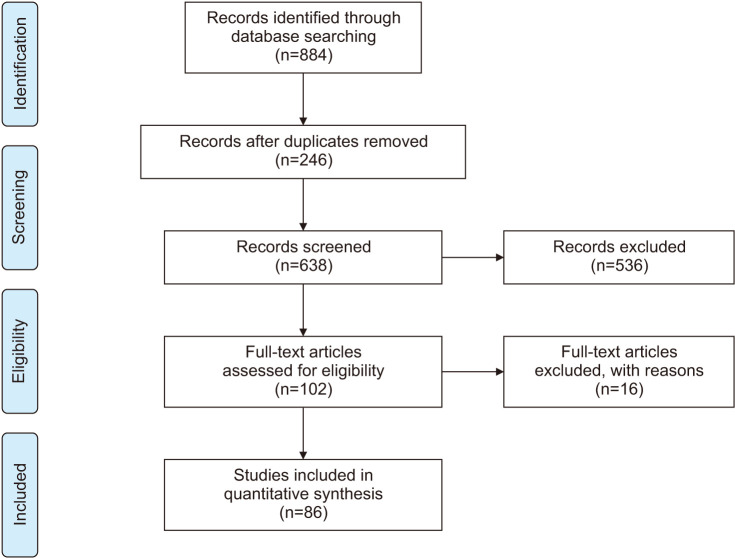
We performed a systematic search in the PubMed, Google Scholar, and Scopus databases from their inception to December 2021. The search strategy included the combination of the following Medical Subjects Headings (MeSH) terms and keywords: "globozoospermia", "round-headed spermatozoa", "round head spermatozoa", "intracytoplasmic sperm injection", "ICSI", "offspring", "child health", "assisted reproductive technique outcome". All the eligible studies were selected following the PECOS (Population, Exposure, Comparison/Comparator, Outcomes, Study design) model. The quality of included studies was assessed by applying the "Cambridge Quality Checklists".
The main genes involved in the pathogenesis of globozoospermia are , , , , , , , and genes. Other genes could also play a role. These include , , , , , , and . Globozoospermic patients should undergo ART to achieve fertility. In particular, intracytoplasmic sperm injection with assisted oocyte activation or intracytoplasmic morphologically-selected sperm injection appears to be associated with a higher success rate. Patients with globozoospermia should also be evaluated for the high rate of sperm aneuploidy which appears to influence the success rate of ART but does not appear to be associated with an increased risk of transmission of genetic abnormalities to offspring.
This systematic review summarizes the evidence on the gene panel to be evaluated, ICSI outcomes, and the health of the offspring in patients with globozoospermia. Evidence-based recommendations on the management of patients with globozoospermia are provided.
圆头精子症是一种遗传性综合征,其特征是存在圆头精子,且由于这些精子无法使卵母细胞受精而导致不育。在本文中,我们介绍了一名患有该基因新的、尚未描述的突变的年轻圆头精子症患者的临床病例。我们还对有关圆头精子症患者基因突变、辅助生殖技术结果以及异常传给后代的风险的文献进行了系统综述,并提出了建议,以便为这些患者提供更合适的临床管理。
我们在PubMed、谷歌学术和Scopus数据库中进行了从建库至2021年12月的系统检索。检索策略包括以下医学主题词(MeSH)术语和关键词的组合:“圆头精子症”、“圆头精子”、“圆头精子细胞”、“卵胞浆内单精子注射”、“ICSI”、“后代”、“儿童健康”、“辅助生殖技术结果”。所有符合条件的研究均按照PECOS(人群、暴露、对照/比较组、结局、研究设计)模型进行选择。纳入研究的质量通过应用“剑桥质量检查表”进行评估。
参与圆头精子症发病机制的主要基因有 、 、 、 、 、 、 和 基因。其他基因也可能起作用。这些基因包括 、 、 、 、 、 和 。圆头精子症患者应接受辅助生殖技术以实现生育。特别是,卵胞浆内单精子注射联合辅助卵母细胞激活或卵胞浆内形态学选择的精子注射似乎成功率更高。还应评估圆头精子症患者精子非整倍体率较高的情况,这似乎会影响辅助生殖技术的成功率,但似乎与遗传异常传给后代的风险增加无关。
本系统综述总结了关于圆头精子症患者待评估基因 panel、ICSI 结果及后代健康的证据。提供了基于证据的圆头精子症患者管理建议。