Baric Ralph S, Crosson Sean, Damania Blossom, Miller Samuel I, Rubin Eric J
Department of Microbiology and Immunology, University of North Carolina, Chapel Hill, North Carolina, USA.
Department of Biochemistry and Molecular Biology and Department of Microbiology, University of Chicago, Chicago, Illinois, USA
mBio. 2016 Oct 4;7(5):e01245-16. doi: 10.1128/mBio.01245-16.
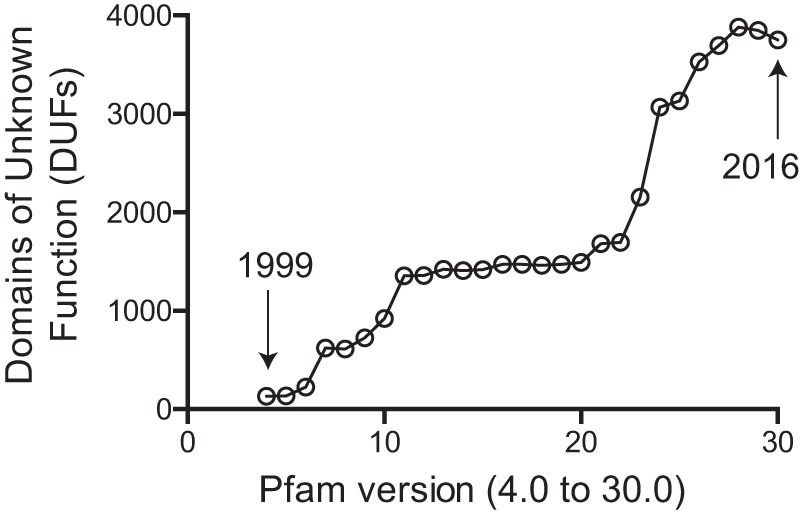
Host infection by microbial pathogens cues global changes in microbial and host cell biology that facilitate microbial replication and disease. The complete maps of thousands of bacterial and viral genomes have recently been defined; however, the rate at which physiological or biochemical functions have been assigned to genes has greatly lagged. The National Institute of Allergy and Infectious Diseases (NIAID) addressed this gap by creating functional genomics centers dedicated to developing high-throughput approaches to assign gene function. These centers require broad-based and collaborative research programs to generate and integrate diverse data to achieve a comprehensive understanding of microbial pathogenesis. High-throughput functional genomics can lead to new therapeutics and better understanding of the next generation of emerging pathogens by rapidly defining new general mechanisms by which organisms cause disease and replicate in host tissues and by facilitating the rate at which functional data reach the scientific community.
微生物病原体对宿主的感染引发了微生物和宿主细胞生物学的全局性变化,这些变化有利于微生物的复制和疾病的发生。数千种细菌和病毒基因组的完整图谱最近已被确定;然而,将生理或生化功能赋予基因的速度却大大滞后。美国国立过敏和传染病研究所(NIAID)通过创建功能基因组学中心来填补这一空白,这些中心致力于开发高通量方法来确定基因功能。这些中心需要基础广泛的协作研究项目,以生成和整合各种数据,从而全面了解微生物发病机制。高通量功能基因组学可以通过快速确定生物体致病和在宿主组织中复制的新通用机制,并加快功能数据进入科学界的速度,从而带来新的治疗方法,并更好地了解下一代新兴病原体。