Department of Microbiology and Immunology, University of North Carolina at Chapel Hill, Chapel Hill, North Carolina, United States of America.
Lineberger Comprehensive Cancer Center, University of North Carolina at Chapel Hill, Chapel Hill, North Carolina, United States of America.
PLoS Pathog. 2021 Jan 7;17(1):e1009033. doi: 10.1371/journal.ppat.1009033. eCollection 2021 Jan.
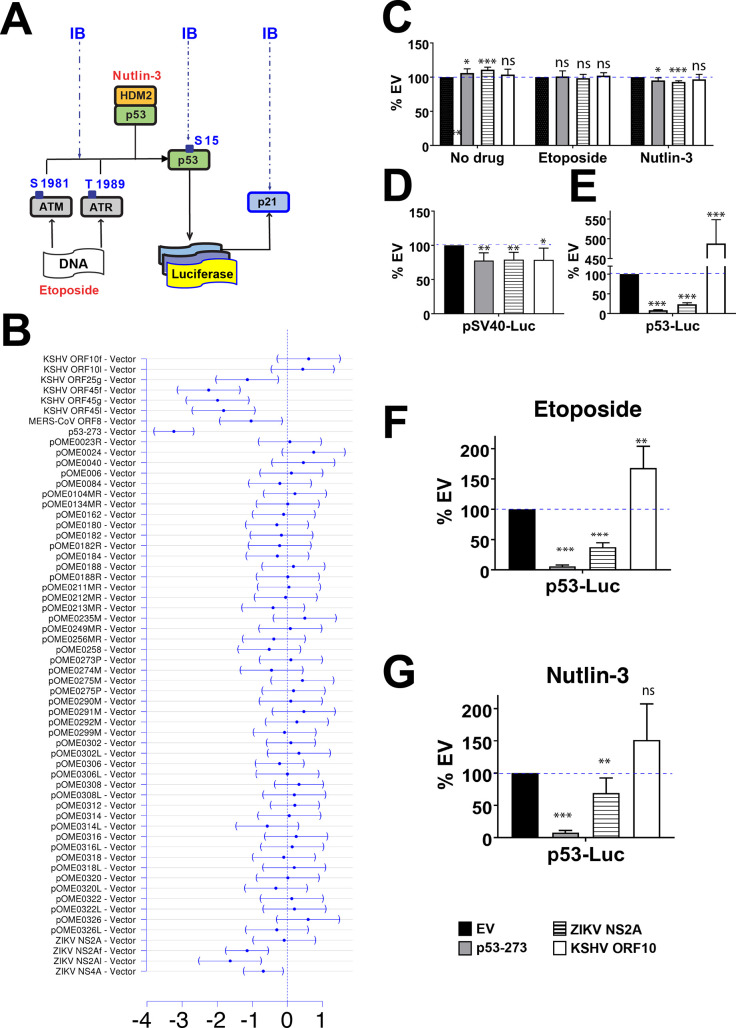
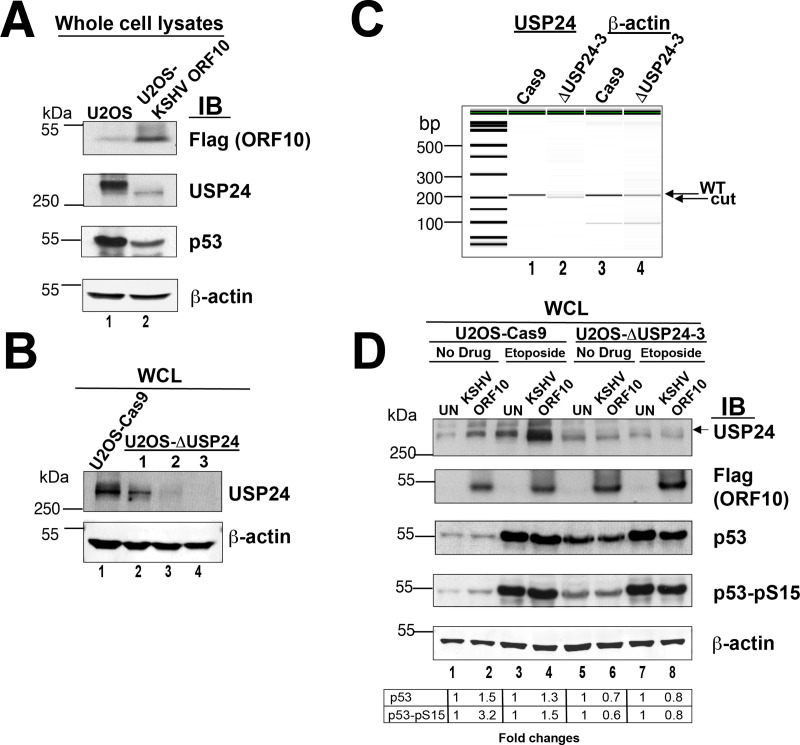
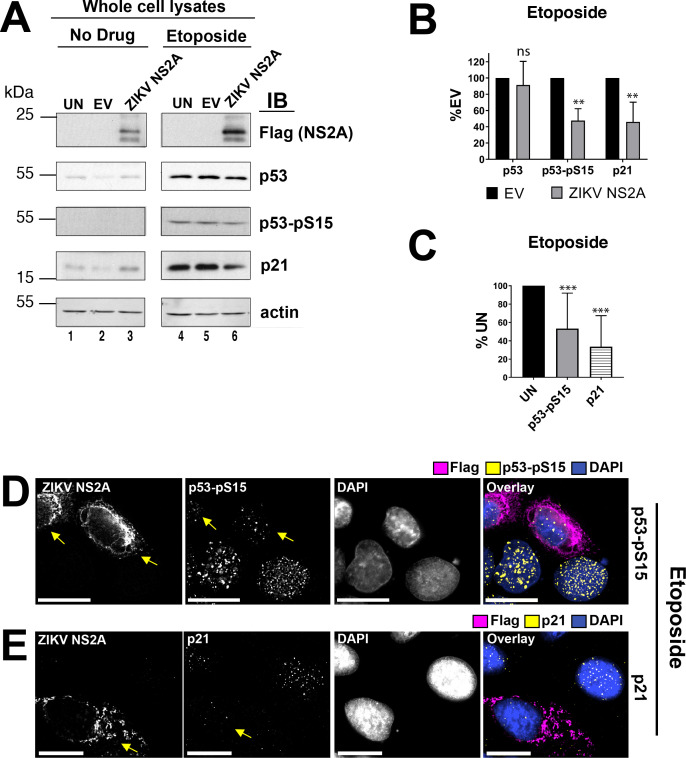
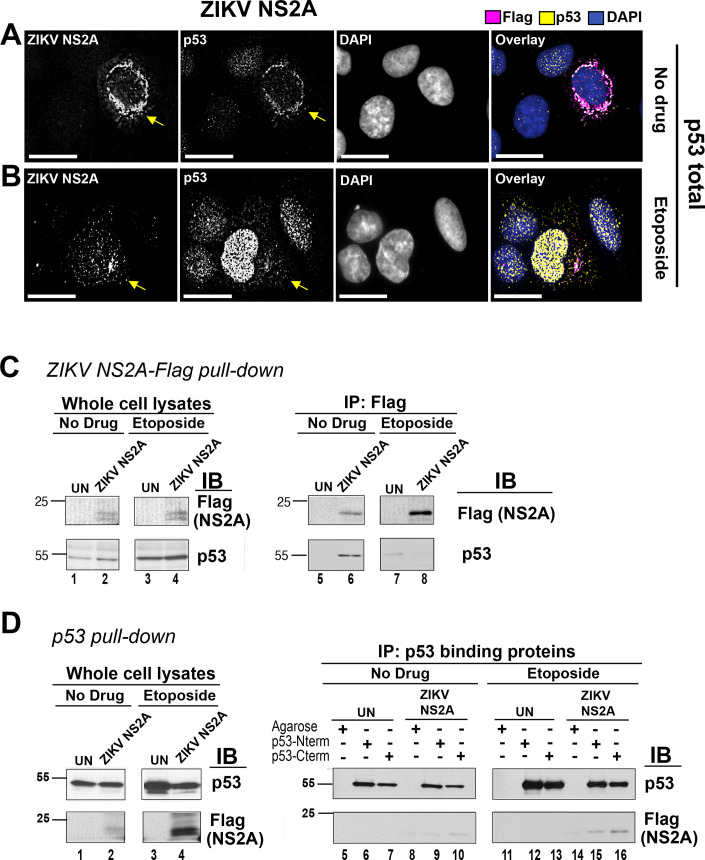
The p53 transcription factor plays a key role both in cancer and in the cell-intrinsic response to infections. The ORFEOME project hypothesized that novel p53-virus interactions reside in hitherto uncharacterized, unknown, or hypothetical open reading frames (orfs) of human viruses. Hence, 172 orfs of unknown function from the emerging viruses SARS-Coronavirus, MERS-Coronavirus, influenza, Ebola, Zika (ZIKV), Chikungunya and Kaposi Sarcoma-associated herpesvirus (KSHV) were de novo synthesized, validated and tested in a functional screen of p53 signaling. This screen revealed novel mechanisms of p53 virus interactions and two viral proteins KSHV orf10 and ZIKV NS2A binding to p53. Originally identified as the target of small DNA tumor viruses, these experiments reinforce the notion that all viruses, including RNA viruses, interfere with p53 functions. These results validate this resource for analogous systems biology approaches to identify functional properties of uncharacterized viral proteins, long non-coding RNAs and micro RNAs.
p53 转录因子在癌症和细胞固有感染反应中都起着关键作用。ORFEOME 项目假设新的 p53-病毒相互作用存在于尚未被表征、未知或假设的人类病毒的开放阅读框(ORF)中。因此,新兴病毒 SARS-冠状病毒、MERS-冠状病毒、流感、埃博拉、寨卡(ZIKV)、基孔肯雅热和卡波济肉瘤相关疱疹病毒(KSHV)的 172 个未知功能的 ORF 被重新合成、验证,并在 p53 信号的功能筛选中进行了测试。该筛选揭示了 p53 病毒相互作用的新机制,以及两种病毒蛋白 KSHV orf10 和 ZIKV NS2A 与 p53 的结合。这些实验最初被确定为小 DNA 肿瘤病毒的靶标,它们强化了这样一种观点,即所有病毒,包括 RNA 病毒,都会干扰 p53 功能。这些结果验证了该资源可用于类似的系统生物学方法,以确定未被表征的病毒蛋白、长非编码 RNA 和 microRNA 的功能特性。