Oberle Susanne G, Hanna-El-Daher Layane, Chennupati Vijaykumar, Enouz Sarah, Scherer Stefanie, Prlic Martin, Zehn Dietmar
Department of Medicine, Division of Immunology and Allergy, Lausanne University Hospital (CHUV), 1011 Lausanne, Switzerland.
Vaccine and Infectious Disease Division, Fred Hutchinson Cancer Research Center, 1100 Fairview Avenue North, PO Box 19024, Seattle, WA 98109, USA.
Cell Rep. 2016 Oct 11;17(3):627-635. doi: 10.1016/j.celrep.2016.09.072.
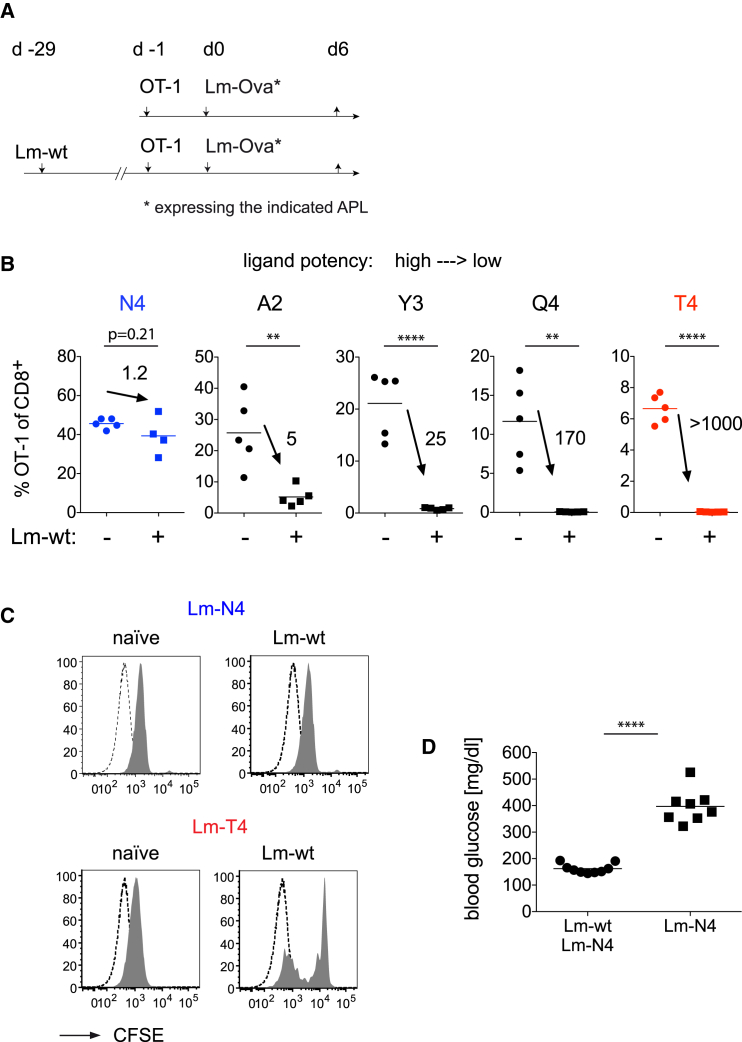
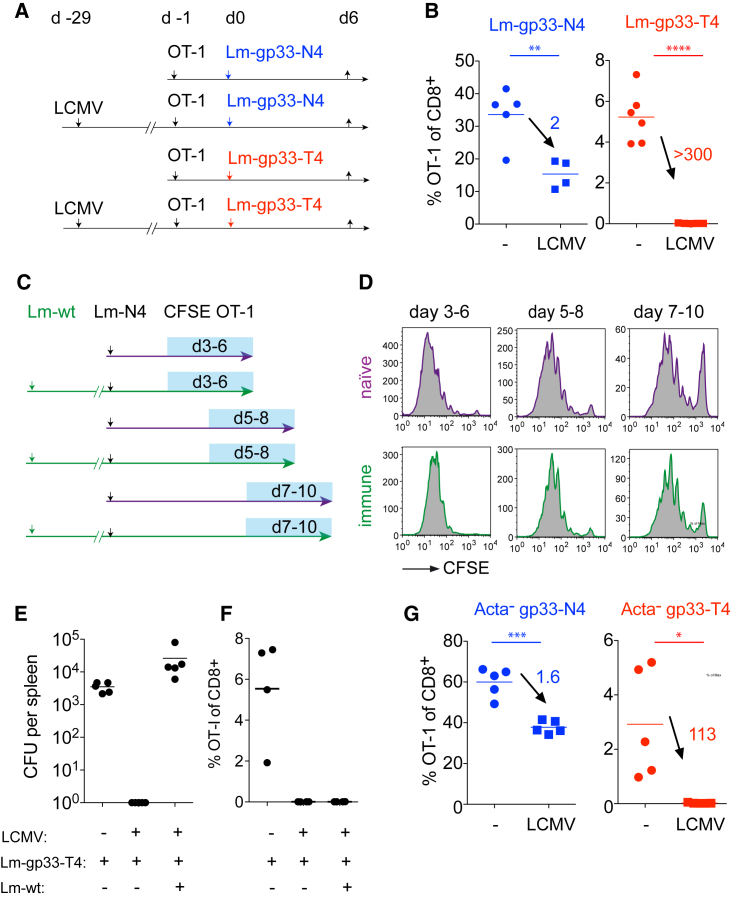
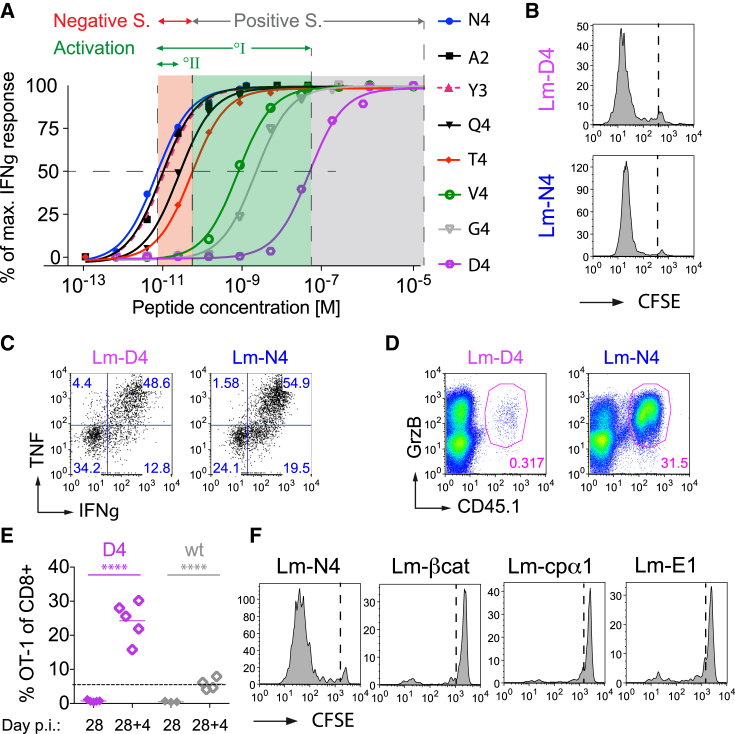
Many infections are caused by pathogens that are similar, but not identical, to previously encountered viruses, bacteria, or vaccines. In such re-infections, pathogens introduce known antigens, which are recognized by memory T cells and new antigens that activate naive T cells. How preexisting memory T cells impact the repertoire of T cells responding to new antigens is still largely unknown. We demonstrate that even a minimum epitope overlap between infections strongly increases the activation threshold and narrows the diversity of T cells recruited in response to new antigens. Thus, minimal cross-reactivity between infections can significantly impact the outcome of a subsequent immune response. Interestingly, we found that non-transferrable memory T cells are most effective in raising the activation threshold. Our findings have implications for designing vaccines and suggest that vaccines meant to target low-affinity T cells are less effective when they contain a strong CD8 T cell epitope that has previously been encountered.
许多感染是由与先前遇到的病毒、细菌或疫苗相似但不完全相同的病原体引起的。在这种再次感染中,病原体引入已知抗原,这些抗原被记忆T细胞识别,同时还有激活初始T细胞的新抗原。先前存在的记忆T细胞如何影响对新抗原作出反应的T细胞库仍 largely unknown。我们证明,即使感染之间存在最小的表位重叠,也会强烈提高激活阈值,并缩小针对新抗原招募的T细胞的多样性。因此,感染之间的最小交叉反应性可显著影响后续免疫反应的结果。有趣的是,我们发现不可转移的记忆T细胞在提高激活阈值方面最有效。我们的发现对疫苗设计具有启示意义,并表明旨在靶向低亲和力T细胞的疫苗在含有先前遇到的强CD8 T细胞表位时效果较差。