Löscher Wolfgang, Gillard Michel, Sands Zara A, Kaminski Rafal M, Klitgaard Henrik
Department of Pharmacology, Toxicology and Pharmacy, University of Veterinary Medicine Hannover, Bünteweg 17, 30559, Hannover, Germany.
Center for Systems Neuroscience, Hannover, Germany.
CNS Drugs. 2016 Nov;30(11):1055-1077. doi: 10.1007/s40263-016-0384-x.
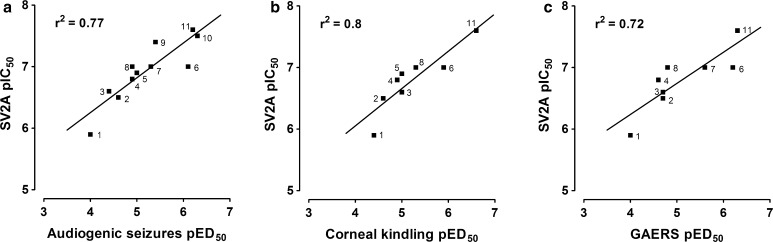
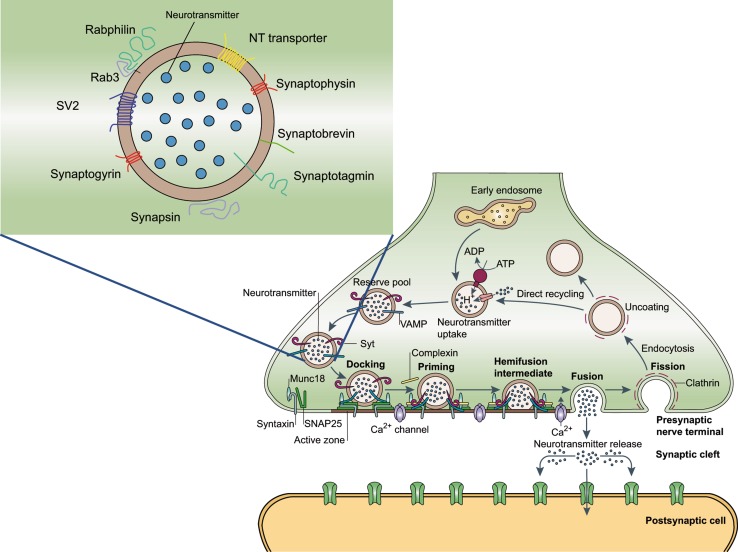
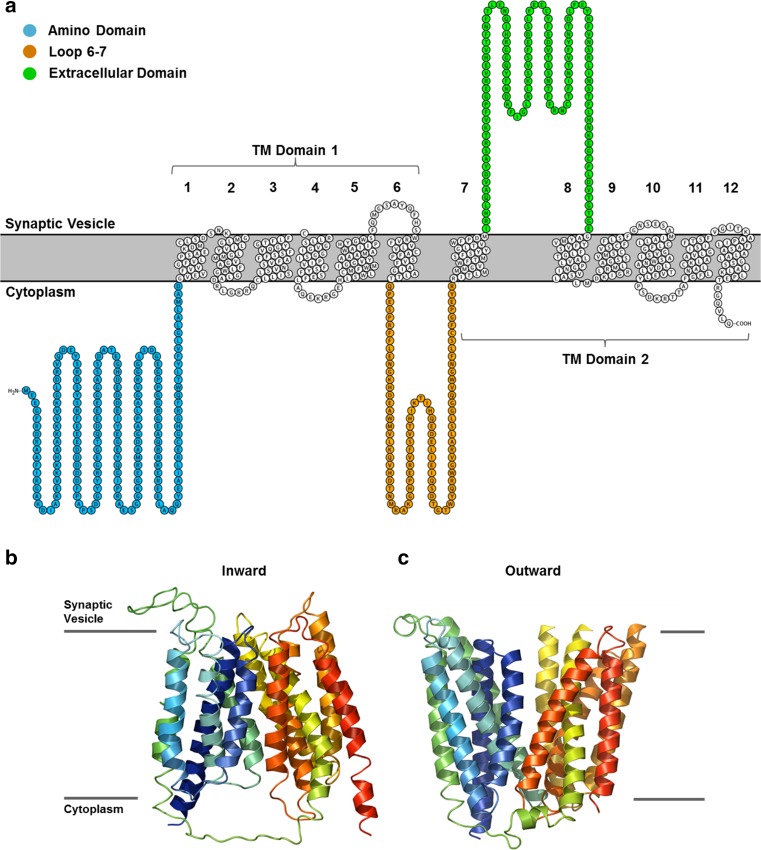
The synaptic vesicle glycoprotein SV2A belongs to the major facilitator superfamily (MFS) of transporters and is an integral constituent of synaptic vesicle membranes. SV2A has been demonstrated to be involved in vesicle trafficking and exocytosis, processes crucial for neurotransmission. The anti-seizure drug levetiracetam was the first ligand to target SV2A and displays a broad spectrum of anti-seizure activity in various preclinical models. Several lines of preclinical and clinical evidence, including genetics and protein expression changes, support an important role of SV2A in epilepsy pathophysiology. While the functional consequences of SV2A ligand binding are not fully elucidated, studies suggest that subsequent SV2A conformational changes may contribute to seizure protection. Conversely, the recently discovered negative SV2A modulators, such as UCB0255, counteract the anti-seizure effect of levetiracetam and display procognitive properties in preclinical models. More broadly, dysfunction of SV2A may also be involved in Alzheimer's disease and other types of cognitive impairment, suggesting potential novel therapies for levetiracetam and its congeners. Furthermore, emerging data indicate that there may be important roles for two other SV2 isoforms (SV2B and SV2C) in the pathogenesis of epilepsy, as well as other neurodegenerative diseases. Utilization of recently developed SV2A positron emission tomography ligands will strengthen and reinforce the pharmacological evidence that SV2A is a druggable target, and will provide a better understanding of its role in epilepsy and other neurological diseases, aiding in further defining the full therapeutic potential of SV2A modulation.
突触囊泡糖蛋白SV2A属于转运体的主要易化子超家族(MFS),是突触囊泡膜的一个重要组成部分。已证明SV2A参与囊泡运输和胞吐作用,这些过程对神经传递至关重要。抗癫痫药物左乙拉西坦是首个靶向SV2A的配体,在多种临床前模型中显示出广泛的抗癫痫活性。包括遗传学和蛋白质表达变化在内的多条临床前和临床证据支持SV2A在癫痫病理生理学中的重要作用。虽然SV2A配体结合的功能后果尚未完全阐明,但研究表明,随后的SV2A构象变化可能有助于癫痫保护。相反,最近发现的负性SV2A调节剂,如UCB0255,可抵消左乙拉西坦的抗癫痫作用,并在临床前模型中显示出促认知特性。更广泛地说,SV2A功能障碍也可能与阿尔茨海默病和其他类型的认知障碍有关,这表明左乙拉西坦及其同系物可能有新的治疗方法。此外,新出现的数据表明,另外两种SV2亚型(SV2B和SV2C)在癫痫以及其他神经退行性疾病的发病机制中可能发挥重要作用。利用最近开发的SV2A正电子发射断层扫描配体将加强并巩固SV2A是一个可药物化靶点的药理学证据,并将更好地理解其在癫痫和其他神经系统疾病中的作用,有助于进一步确定SV2A调节的全部治疗潜力。