Corrales-Carvajal Verónica María, Faisal Aldo A, Ribeiro Carlos
Champalimaud Neuroscience Programme, Champalimaud Centre for the Unknown, Lisbon, Portugal.
Department of Bioengineering, Imperial College London, London, United Kingdom.
Elife. 2016 Oct 22;5:e19920. doi: 10.7554/eLife.19920.
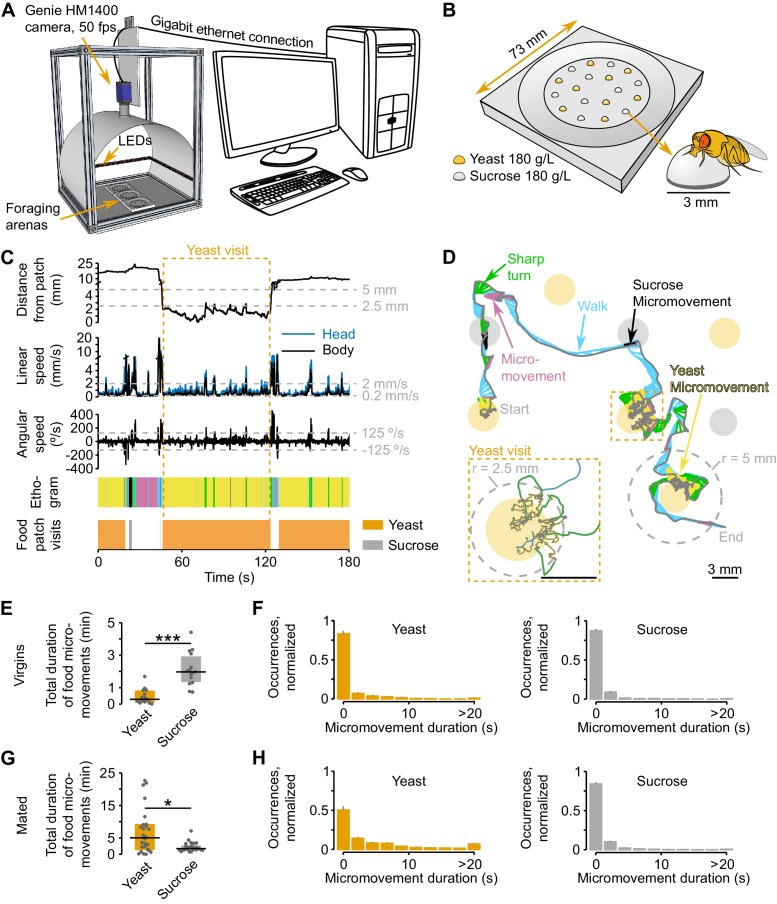
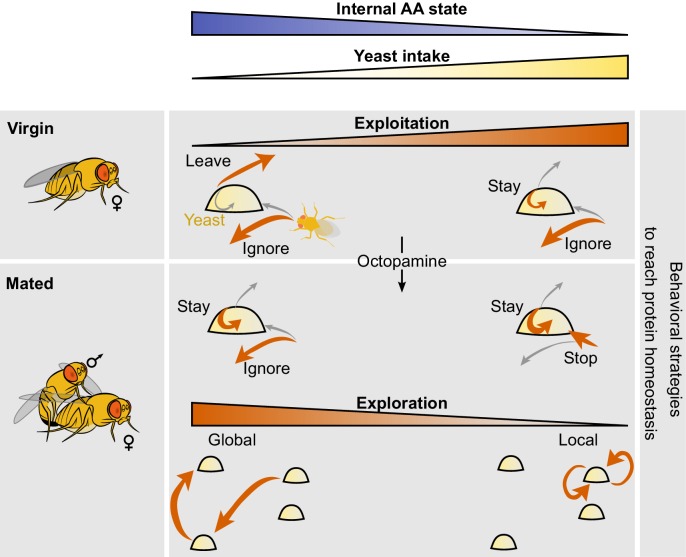
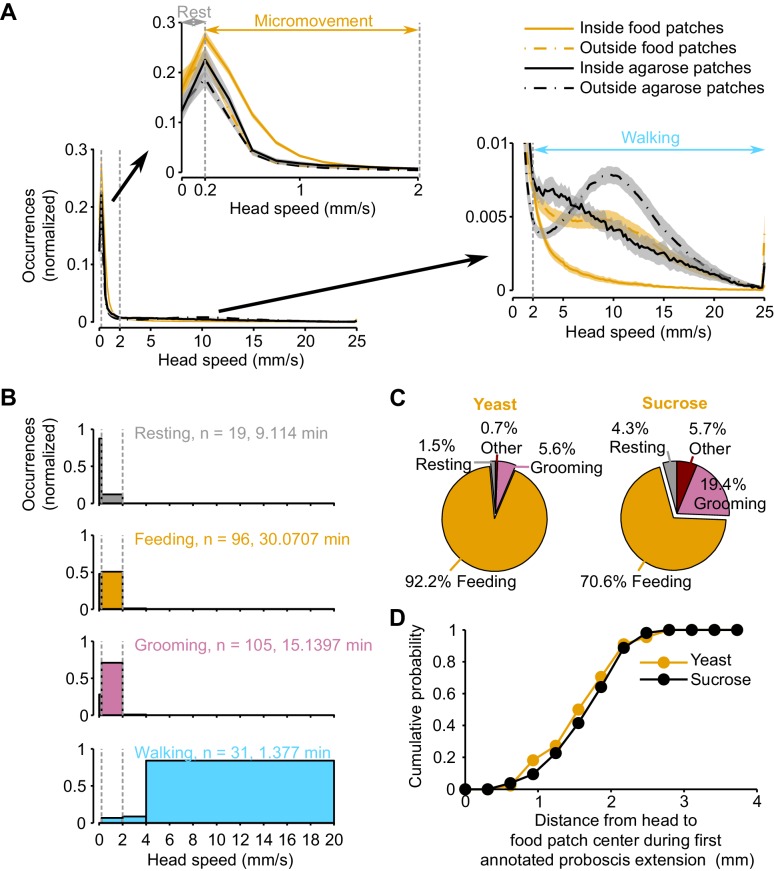
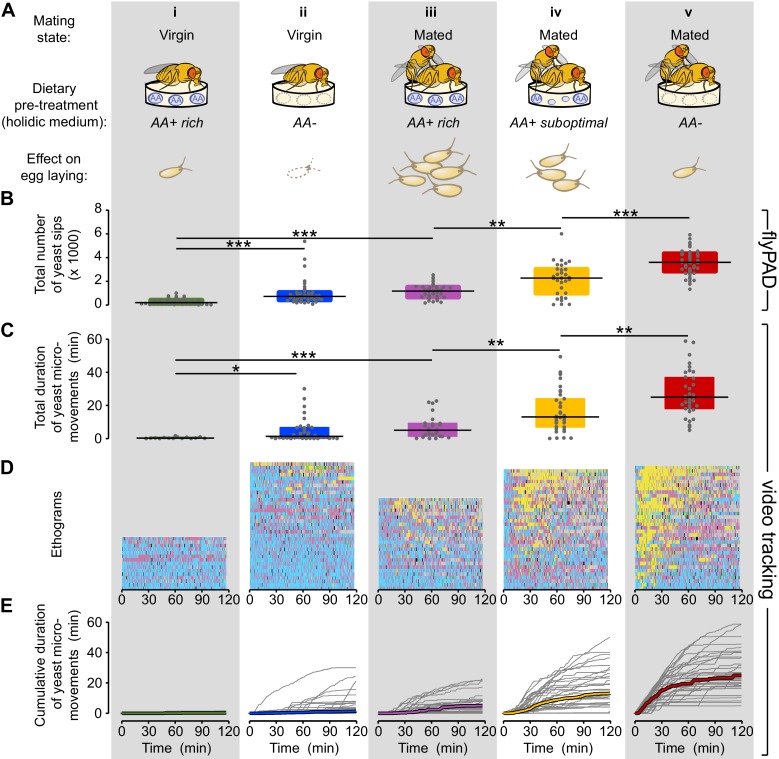
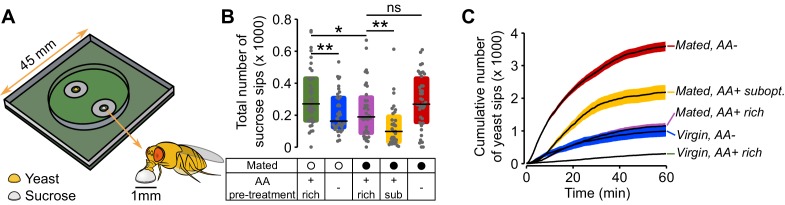
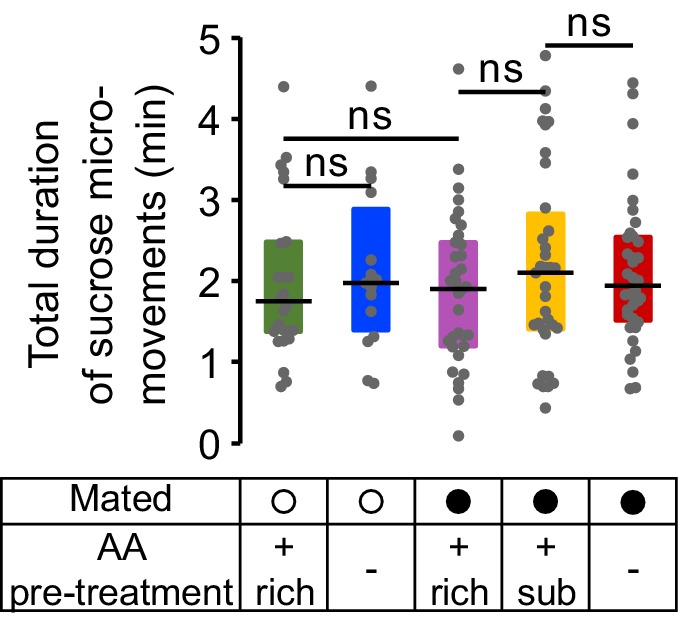
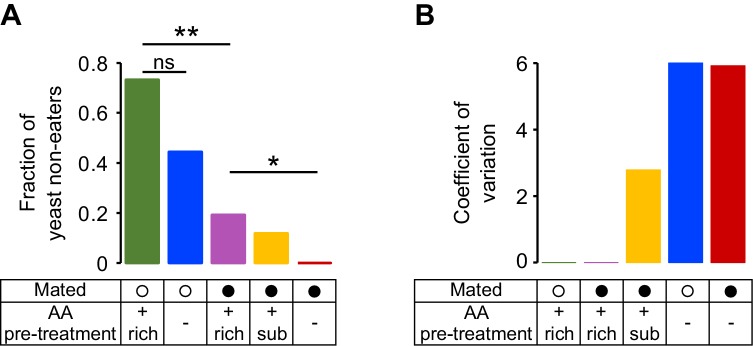
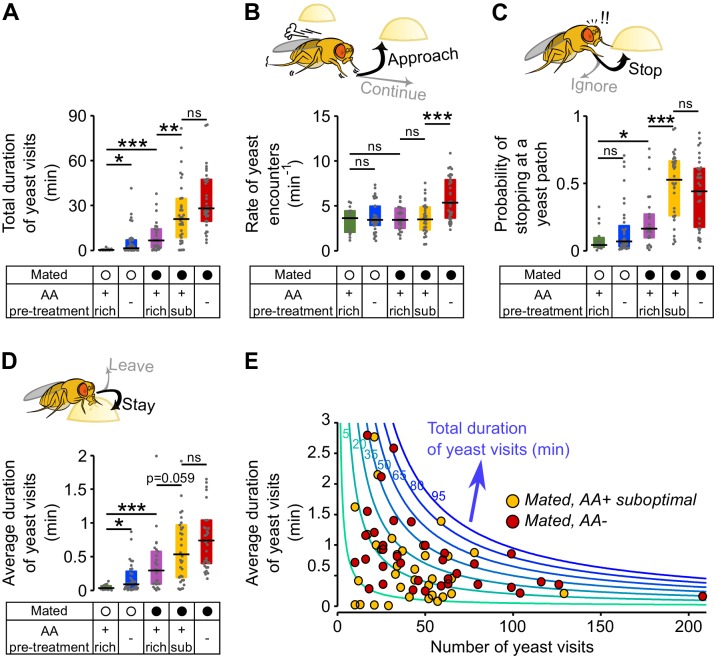
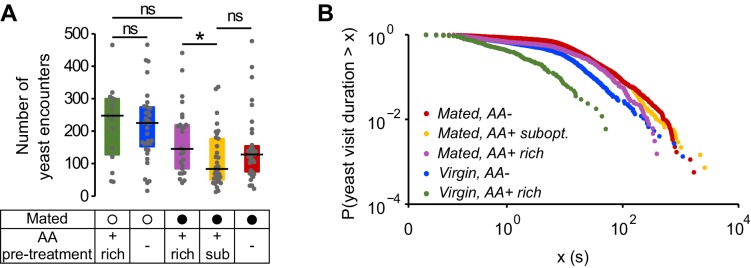
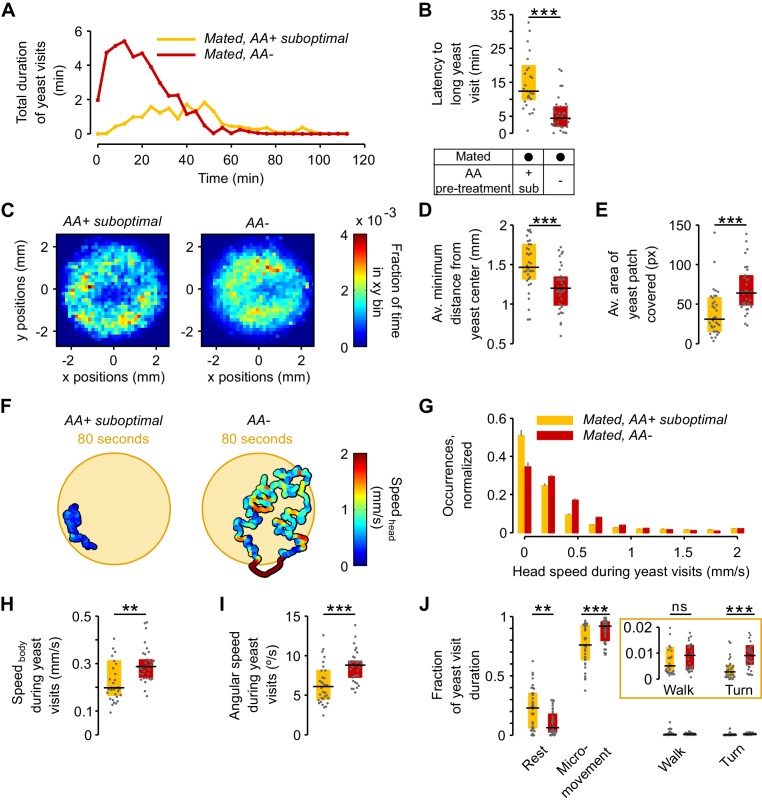
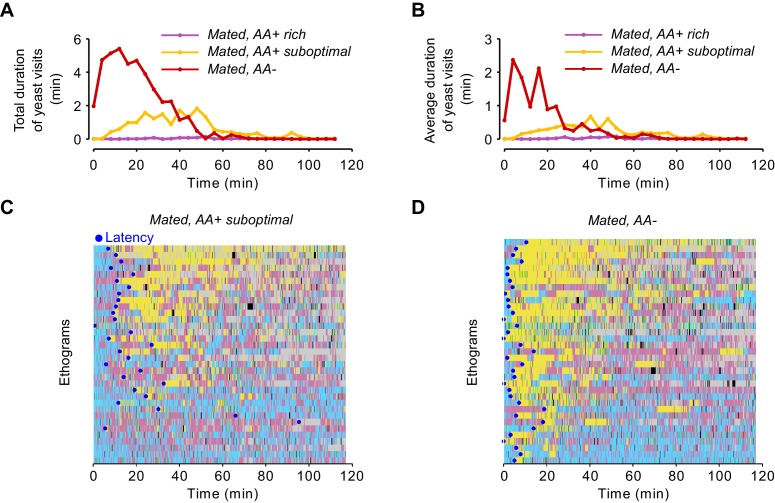
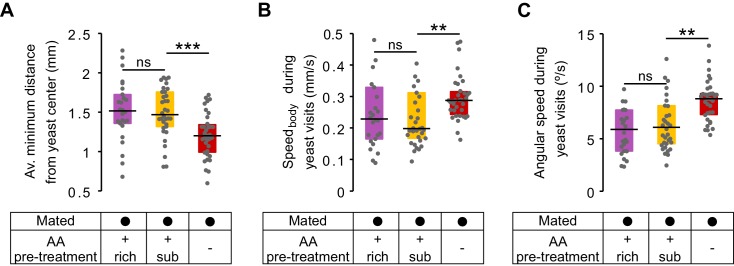
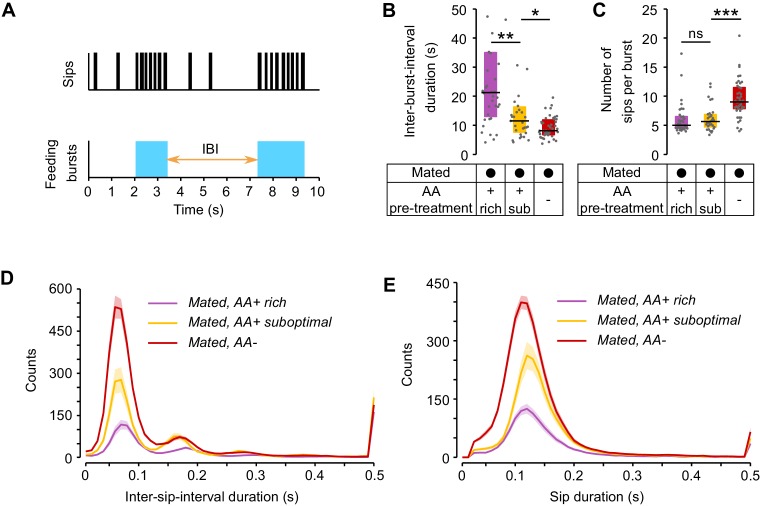
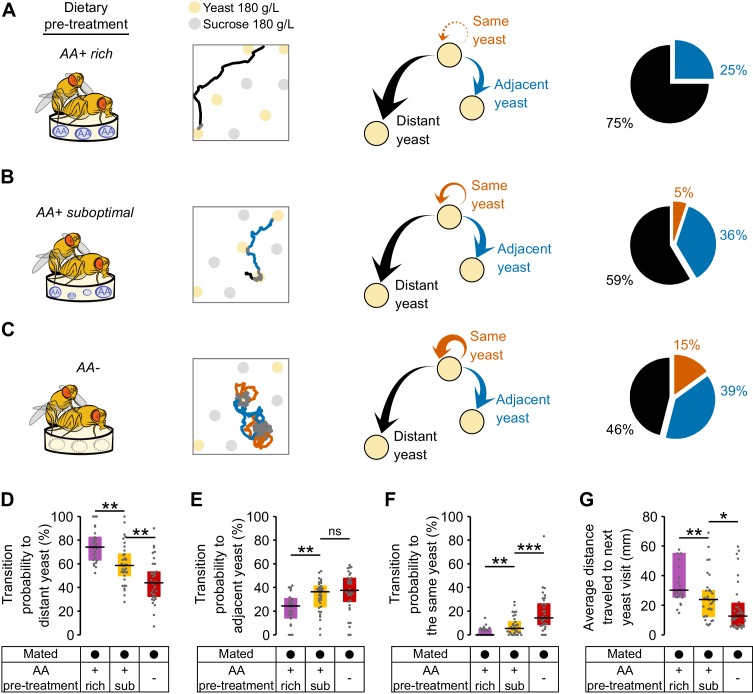
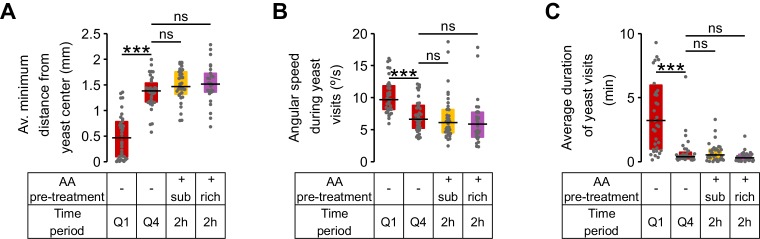
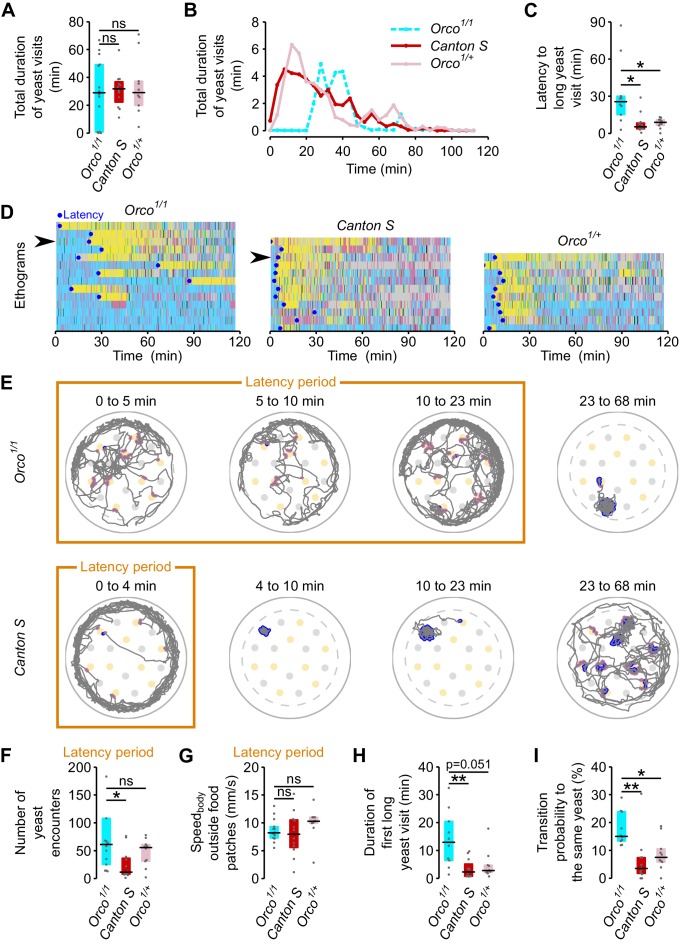
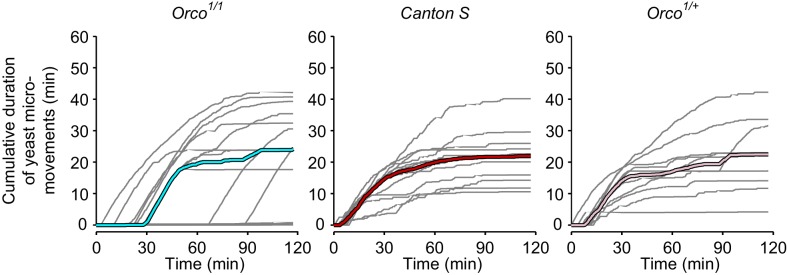
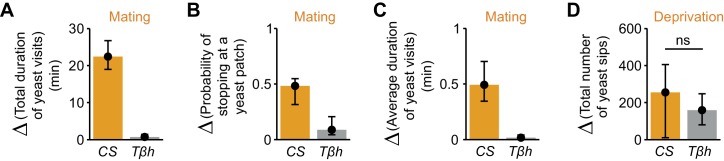
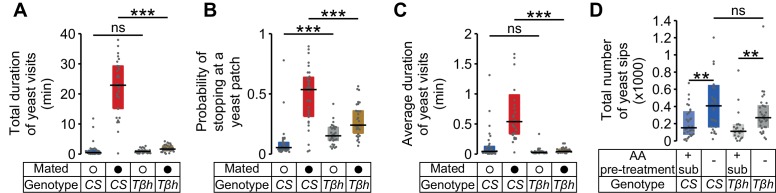
Internal states can profoundly alter the behavior of animals. A quantitative understanding of the behavioral changes upon metabolic challenges is key to a mechanistic dissection of how animals maintain nutritional homeostasis. We used an automated video tracking setup to characterize how amino acid and reproductive states interact to shape exploitation and exploration decisions taken by adult . We find that these two states have specific effects on the decisions to stop at and leave proteinaceous food patches. Furthermore, the internal nutrient state defines the exploration-exploitation trade-off: nutrient-deprived flies focus on specific patches while satiated flies explore more globally. Finally, we show that olfaction mediates the efficient recognition of yeast as an appropriate protein source in mated females and that octopamine is specifically required to mediate homeostatic postmating responses without affecting internal nutrient sensing. Internal states therefore modulate specific aspects of exploitation and exploration to change nutrient selection.
内部状态能够深刻改变动物的行为。对代谢挑战时行为变化的定量理解,是从机制上剖析动物如何维持营养稳态的关键。我们使用了自动视频跟踪装置,来表征氨基酸状态和生殖状态如何相互作用,从而塑造成年动物做出的采食和探索决策。我们发现,这两种状态对在蛋白质食物斑块处停留和离开的决策有特定影响。此外,内部营养状态决定了探索与采食之间的权衡:营养缺乏的果蝇专注于特定斑块,而饱腹的果蝇则更广泛地进行探索。最后,我们表明嗅觉介导了交配雌蝇对酵母作为合适蛋白质来源的有效识别,并且去甲肾上腺素对于介导交配后的稳态反应是特别必需的,而不影响内部营养感知。因此,内部状态调节采食和探索的特定方面,以改变营养选择。