Wigneswaran Vinoth, Nielsen Kristian Fog, Sternberg Claus, Jensen Peter Ruhdal, Folkesson Anders, Jelsbak Lars
Department of Systems Biology, Technical University of Denmark, 2800, Kgs. Lyngby, Denmark.
National Food Institute, Technical University of Denmark, 2800, Kgs. Lyngby, Denmark.
Microb Cell Fact. 2016 Oct 24;15(1):181. doi: 10.1186/s12934-016-0581-9.
Although a transition toward sustainable production of chemicals is needed, the physiochemical properties of certain biochemicals such as biosurfactants make them challenging to produce in conventional bioreactor systems. Alternative production platforms such as surface-attached biofilm populations could potentially overcome these challenges. Rhamnolipids are a group of biosurfactants highly relevant for industrial applications. However, they are mainly produced by the opportunistic pathogen Pseudomonas aeruginosa using hydrophobic substrates such as plant oils. As the biosynthesis is tightly regulated in P. aeruginosa a heterologous production of rhamnolipids in a safe organism can relive the production from many of these limitations and alternative substrates could be used.
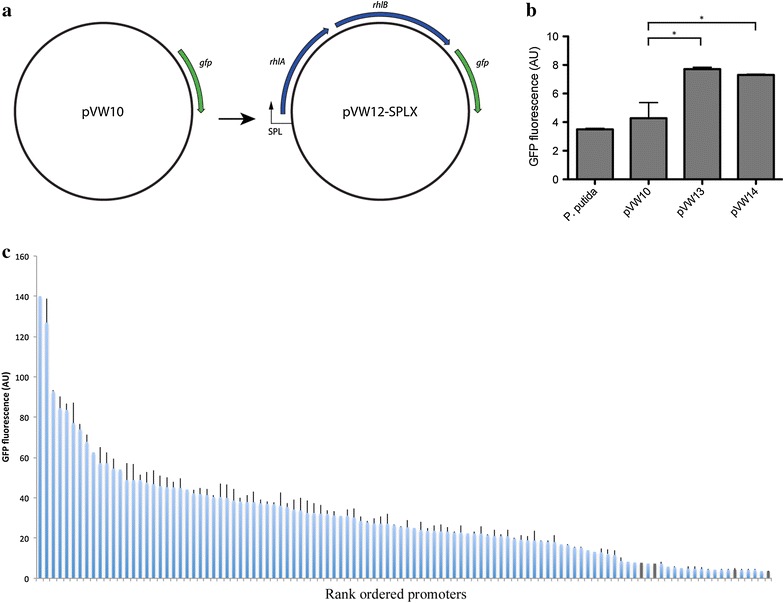
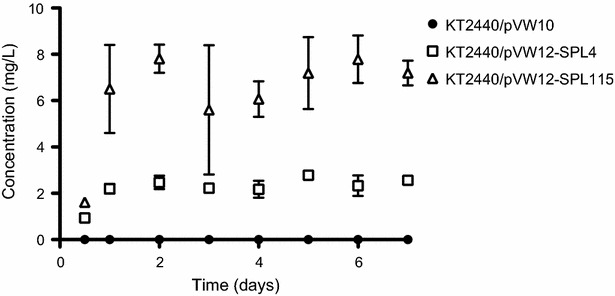
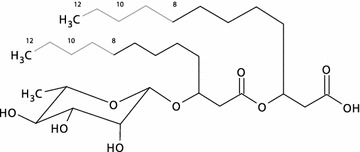
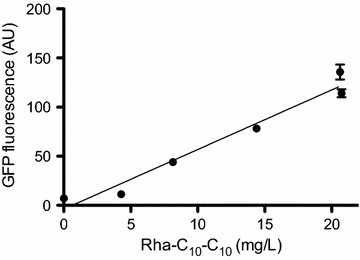
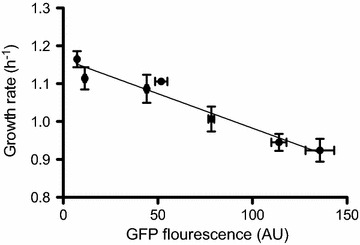
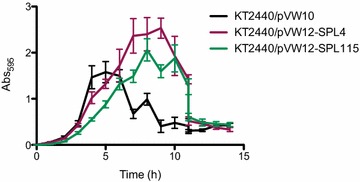
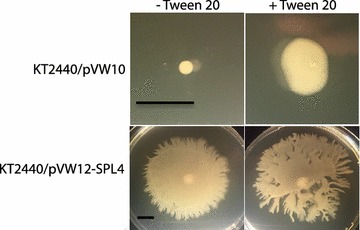
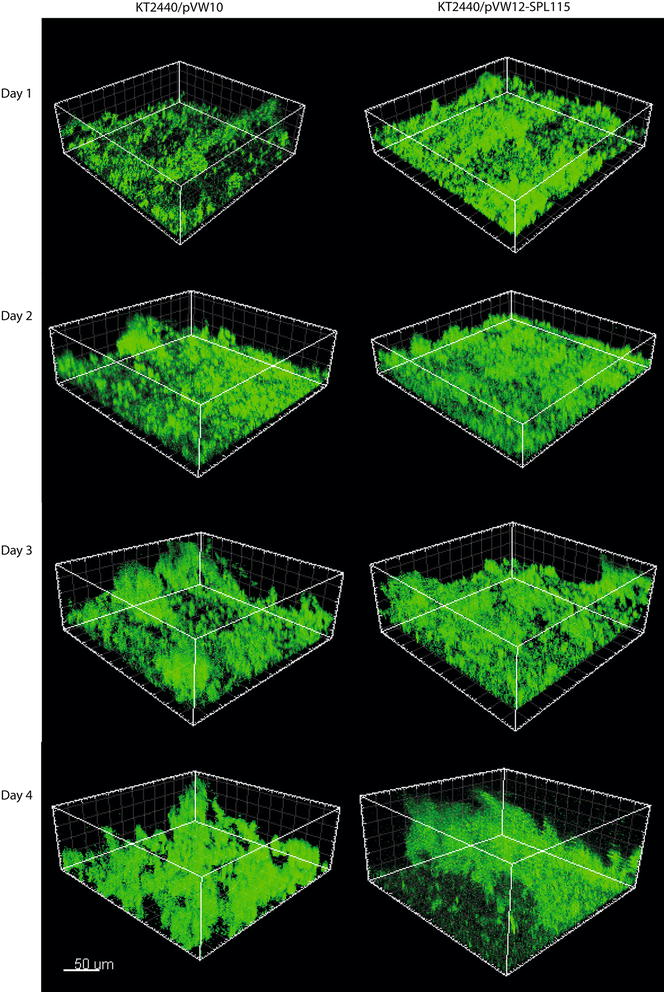
In the present study, heterologous production of biosurfactants was investigated using rhamnolipids as the model compound in biofilm encased Pseudomonas putida KT2440. The rhlAB operon from P. aeruginosa was introduced into P. putida to produce mono-rhamnolipids. A synthetic promoter library was used in order to bypass the normal regulation of rhamnolipid synthesis and to provide varying expression levels of the rhlAB operon resulting in different levels of rhamnolipid production. Biosynthesis of rhamnolipids in P. putida decreased bacterial growth rate but stimulated biofilm formation by enhancing cell motility. Continuous rhamnolipid production in a biofilm was achieved using flow cell technology. Quantitative and structural investigations of the produced rhamnolipids were made by ultra performance liquid chromatography combined with high resolution mass spectrometry (HRMS) and tandem HRMS. The predominant rhamnolipid congener produced by the heterologous P. putida biofilm was mono-rhamnolipid with two C fatty acids.
This study shows a successful application of synthetic promoter library in P. putida KT2440 and a heterologous biosynthesis of rhamnolipids in biofilm encased cells without hampering biofilm capabilities. These findings expands the possibilities of cultivation setups and paves the way for employing biofilm flow systems as production platforms for biochemicals, which as a consequence of physiochemical properties are troublesome to produce in conventional fermenter setups, or for production of compounds which are inhibitory or toxic to the production organisms.
尽管需要向化学品的可持续生产转型,但某些生物化学品(如生物表面活性剂)的物理化学性质使其在传统生物反应器系统中生产具有挑战性。诸如附着于表面的生物膜群体等替代生产平台可能会克服这些挑战。鼠李糖脂是一类与工业应用高度相关的生物表面活性剂。然而,它们主要由机会致病菌铜绿假单胞菌利用植物油等疏水底物产生。由于铜绿假单胞菌中的生物合成受到严格调控,在安全生物体中异源生产鼠李糖脂可以消除许多这些限制,并且可以使用替代底物。
在本研究中,以鼠李糖脂作为模型化合物,研究了在包裹生物膜的恶臭假单胞菌KT2440中生物表面活性剂的异源生产。将来自铜绿假单胞菌的rhlAB操纵子引入恶臭假单胞菌中以产生单鼠李糖脂。使用合成启动子文库以绕过鼠李糖脂合成的正常调控,并提供rhlAB操纵子的不同表达水平,从而导致不同水平的鼠李糖脂产生。恶臭假单胞菌中鼠李糖脂的生物合成降低了细菌生长速率,但通过增强细胞运动性刺激了生物膜形成。使用流动池技术实现了生物膜中鼠李糖脂的连续生产。通过超高效液相色谱结合高分辨率质谱(HRMS)和串联HRMS对所产生的鼠李糖脂进行了定量和结构研究。异源恶臭假单胞菌生物膜产生的主要鼠李糖脂同系物是具有两个C脂肪酸的单鼠李糖脂。
本研究表明合成启动子文库在恶臭假单胞菌KT2440中的成功应用以及在包裹生物膜的细胞中鼠李糖脂的异源生物合成,而不会妨碍生物膜功能。这些发现扩展了培养设置的可能性,并为将生物膜流动系统用作生物化学品的生产平台铺平了道路,由于物理化学性质,这些生物化学品在传统发酵罐设置中生产麻烦,或者用于生产对生产生物体具有抑制作用或毒性的化合物。