Sandal Indra, Karydis Anastasios, Luo Jiwen, Prislovsky Amanda, Whittington Karen B, Rosloniec Edward F, Dong Chen, Novack Deborah V, Mydel Piotr, Zheng Song Guo, Radic Marko Z, Brand David D
Research Service, Memphis VA Medical Center, 1030 Jefferson Avenue, Memphis, TN, 38104, USA.
Department of Periodontology, University of Tennessee Health Science Center, Memphis, TN, 38163, USA.
Arthritis Res Ther. 2016 Oct 26;18(1):249. doi: 10.1186/s13075-016-1143-6.
The linkage between periodontal disease and rheumatoid arthritis is well established. Commonalities among the two are that both are chronic inflammatory diseases characterized by bone loss, an association with the shared epitope susceptibility allele, and anti-citrullinated protein antibodies.
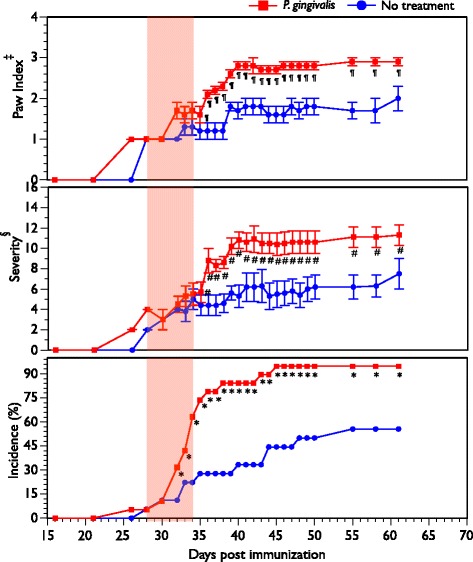
To explore immune mechanisms that may connect the two seemingly disparate disorders, we measured host immune responses including T-cell phenotype and anti-citrullinated protein antibody production in human leukocyte antigen (HLA)-DR1 humanized C57BL/6 mice following exposure to the Gram-negative anaerobic periodontal disease pathogen Porphyromonas gingivalis. We measured autoimmune arthritis disease expression in mice exposed to P. gingivalis, and also in arthritis-resistant mice by flow cytometry and multiplex cytokine-linked and enzyme-linked immunosorbent assays. We also measured femoral bone density by microcomputed tomography and systemic cytokine production.
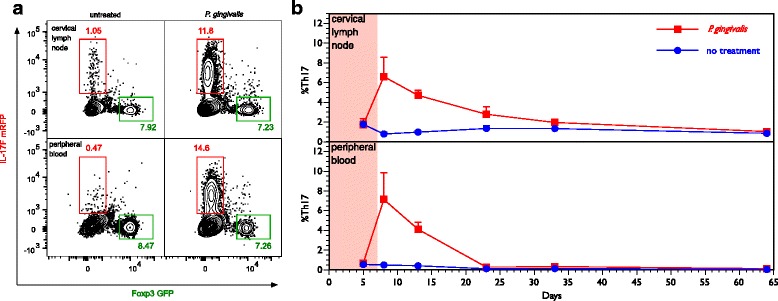
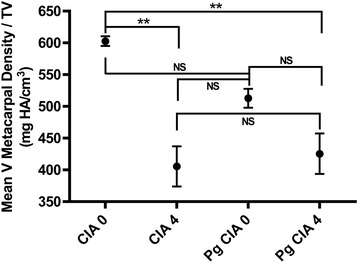
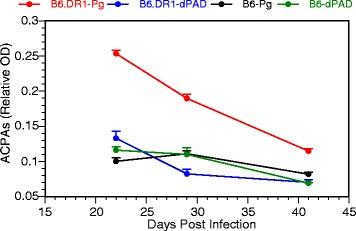
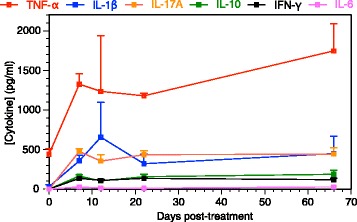
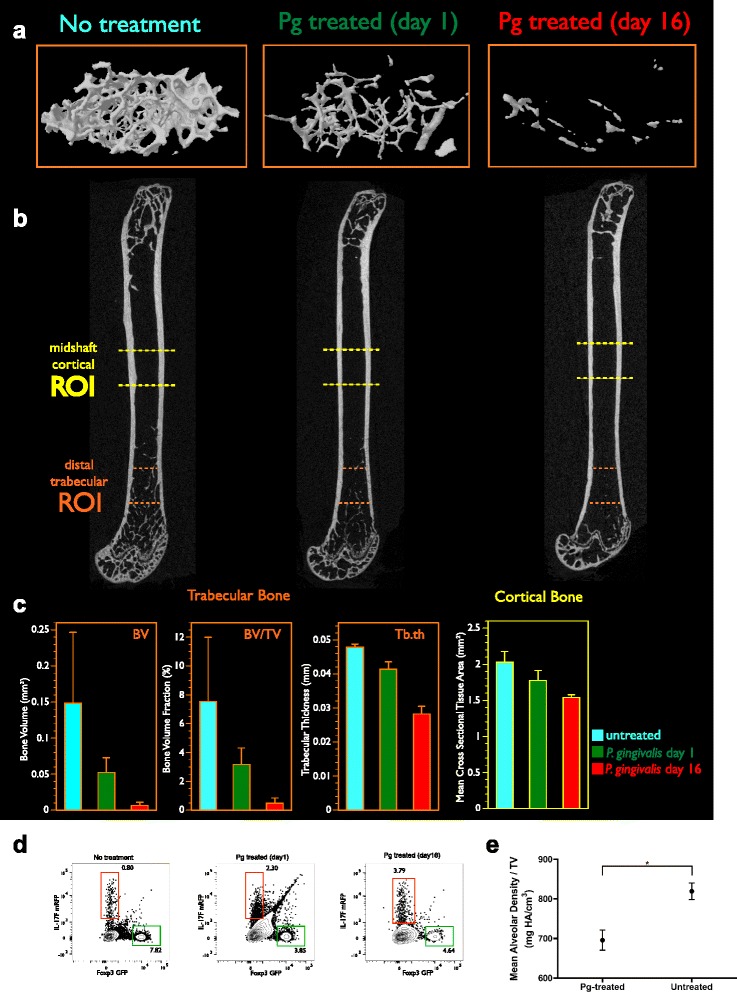
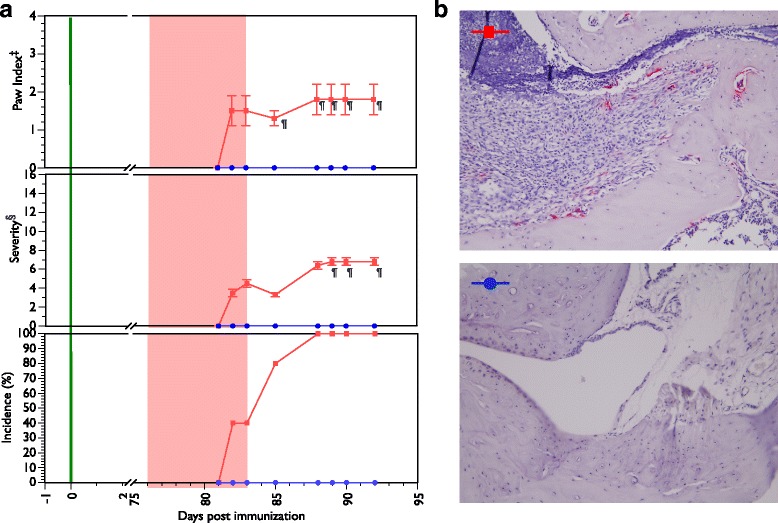
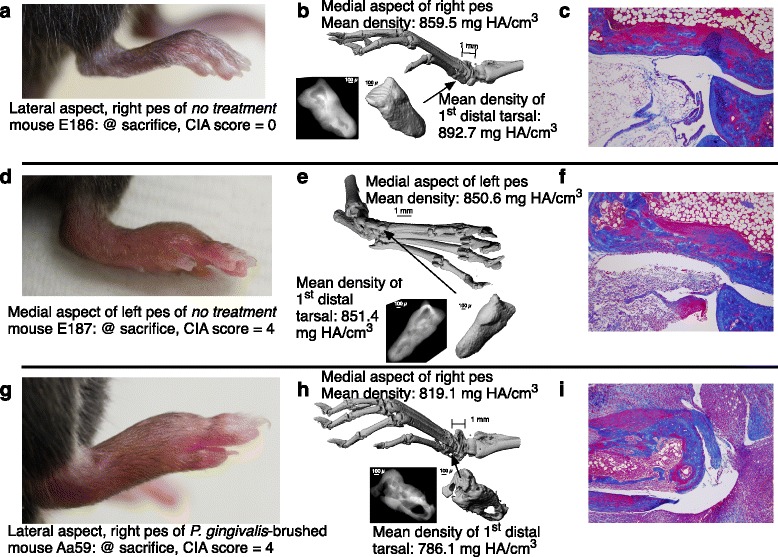
Exposure of the gingiva of DR1 mice to P. gingivalis results in a transient increase in the percentage of Th17 cells, both in peripheral blood and cervical lymph nodes, a burst of systemic cytokine activity, a loss in femoral bone density, and the generation of anti-citrullinated protein antibodies. Importantly, these antibodies are not produced in response to P. gingivalis treatment of wild-type C57BL/6 mice, and P. gingivalis exposure triggered expression of arthritis in arthritis-resistant mice.
Exposure of gingival tissues to P. gingivalis has systemic effects that can result in disease pathology in tissues that are spatially removed from the initial site of infection, providing evidence for systemic effects of this periodontal pathogen. The elicitation of anti-citrullinated protein antibodies in an HLA-DR1-restricted fashion by mice exposed to P. gingivalis provides support for the role of the shared epitope in both periodontal disease and rheumatoid arthritis. The ability of P. gingivalis to induce disease expression in arthritis-resistant mice provides support for the idea that periodontal infection may be able to trigger autoimmunity if other disease-eliciting factors are already present.
牙周病与类风湿性关节炎之间的联系已得到充分证实。两者的共同之处在于,它们都是以骨质流失为特征的慢性炎症性疾病,与共享表位易感性等位基因相关,并且都存在抗瓜氨酸化蛋白抗体。
为了探索可能连接这两种看似不同疾病的免疫机制,我们在人白细胞抗原(HLA)-DR1人源化C57BL/6小鼠暴露于革兰氏阴性厌氧牙周病病原体牙龈卟啉单胞菌后,测量了宿主免疫反应,包括T细胞表型和抗瓜氨酸化蛋白抗体的产生。我们通过流式细胞术、多重细胞因子连接和酶联免疫吸附测定法,测量了暴露于牙龈卟啉单胞菌的小鼠以及抗关节炎小鼠中的自身免疫性关节炎疾病表达情况。我们还通过微型计算机断层扫描测量了股骨骨密度,并检测了全身细胞因子的产生。
DR1小鼠的牙龈暴露于牙龈卟啉单胞菌后,外周血和颈部淋巴结中的Th17细胞百分比会短暂增加,出现全身细胞因子活性爆发、股骨骨密度降低以及抗瓜氨酸化蛋白抗体的产生。重要的是,野生型C57BL/6小鼠经牙龈卟啉单胞菌处理后不会产生这些抗体,并且牙龈卟啉单胞菌暴露会在抗关节炎小鼠中引发关节炎表达。
牙龈组织暴露于牙龈卟啉单胞菌具有全身效应,可导致在空间上远离初始感染部位的组织中出现疾病病理变化,为这种牙周病原体的全身效应提供了证据。暴露于牙龈卟啉单胞菌的小鼠以HLA-DR1受限方式引发抗瓜氨酸化蛋白抗体,这为共享表位在牙周病和类风湿性关节炎中的作用提供了支持。牙龈卟啉单胞菌在抗关节炎小鼠中诱导疾病表达的能力,为以下观点提供了支持:如果已经存在其他引发疾病的因素,牙周感染可能能够触发自身免疫。