• 文献检索
  • 文档翻译
  • 深度研究
  • 学术资讯
  • Suppr Zotero 插件Zotero 插件
  • 邀请有礼
  • 套餐&价格
  • 历史记录
应用&插件
Suppr Zotero 插件Zotero 插件浏览器插件Mac 客户端Windows 客户端微信小程序
定价
高级版会员购买积分包购买API积分包
服务
文献检索文档翻译深度研究API 文档MCP 服务
关于我们
关于 Suppr公司介绍联系我们用户协议隐私条款
关注我们

Suppr 超能文献

核心技术专利:CN118964589B侵权必究
粤ICP备2023148730 号-1Suppr @ 2026

文献检索

告别复杂PubMed语法,用中文像聊天一样搜索,搜遍4000万医学文献。AI智能推荐,让科研检索更轻松。

立即免费搜索

文件翻译

保留排版,准确专业,支持PDF/Word/PPT等文件格式,支持 12+语言互译。

免费翻译文档

深度研究

AI帮你快速写综述,25分钟生成高质量综述,智能提取关键信息,辅助科研写作。

立即免费体验

东非之角中石器时代的赭石加工与行为复杂性:来自埃塞俄比亚迪雷达瓦porc-Epic洞穴的证据

Middle Stone Age Ochre Processing and Behavioural Complexity in the Horn of Africa: Evidence from Porc-Epic Cave, Dire Dawa, Ethiopia.

作者信息

Rosso Daniela Eugenia, Pitarch Martí Africa, d'Errico Francesco

机构信息

UMR-CNRS 5199 de la Préhistoire à l'Actuel: Culture, Environnement et Anthropologie (PACEA), Université de Bordeaux, Pessac, France.

Seminari d'Estudis i Recerques Prehistòriques (SERP), Departament de Prehistòria, Història Antiga i Arqueologia, Universitat de Barcelona, Barcelona, Spain.

出版信息

PLoS One. 2016 Nov 2;11(11):e0164793. doi: 10.1371/journal.pone.0164793. eCollection 2016.

DOI:10.1371/journal.pone.0164793
PMID:27806067
原文链接:https://pmc.ncbi.nlm.nih.gov/articles/PMC5091854/
Abstract

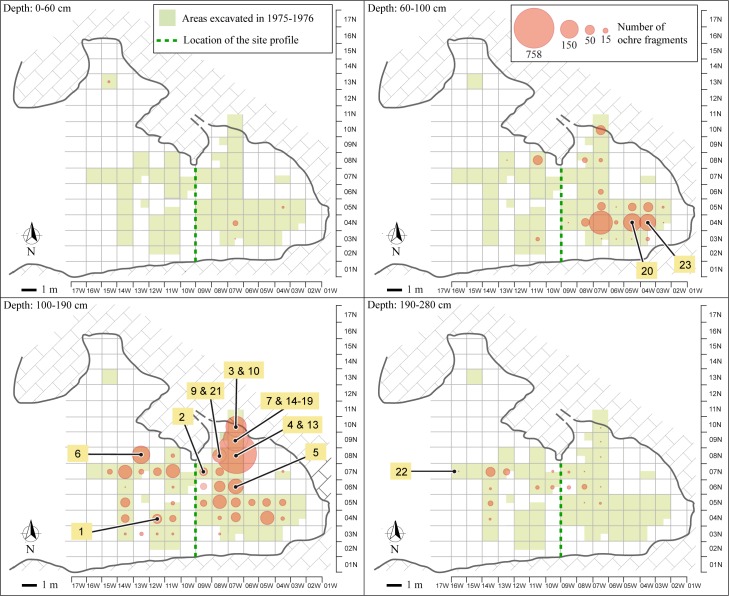
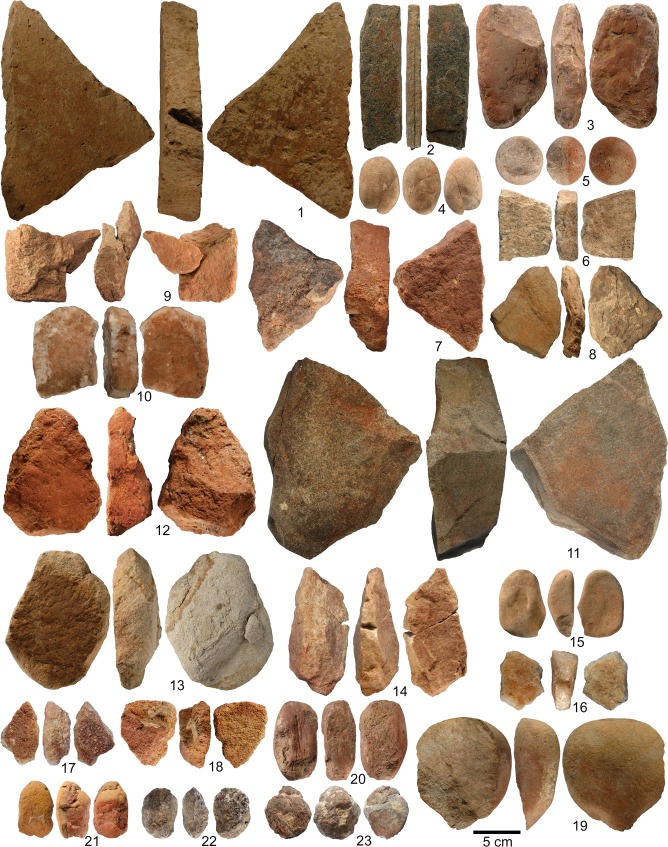
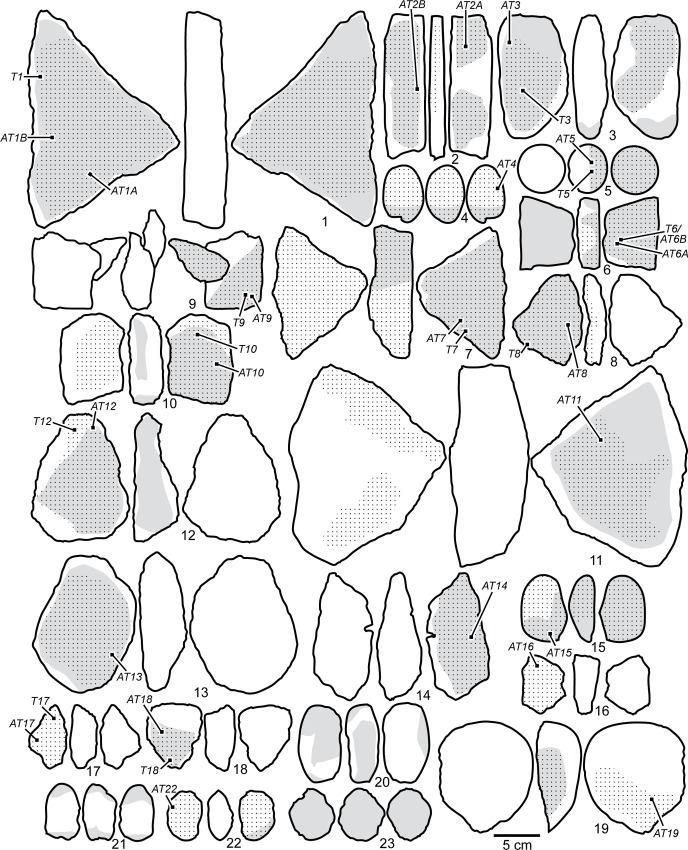
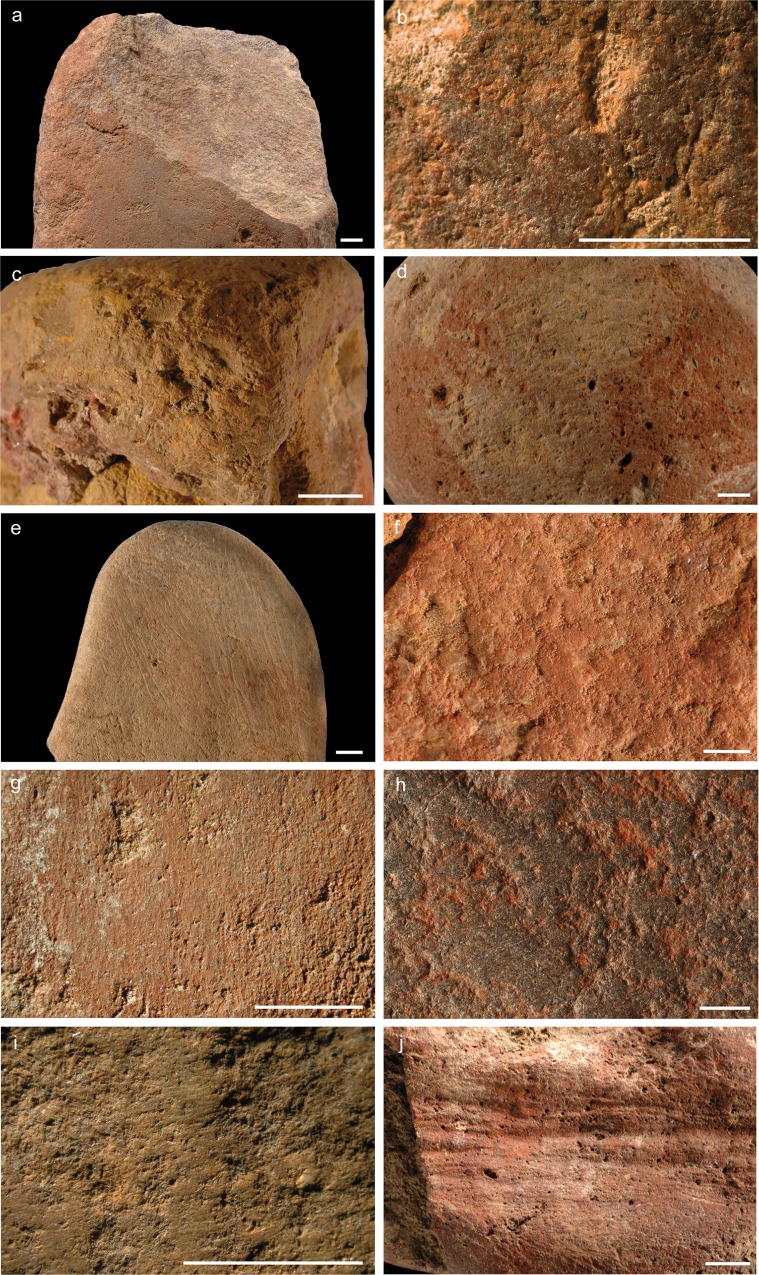
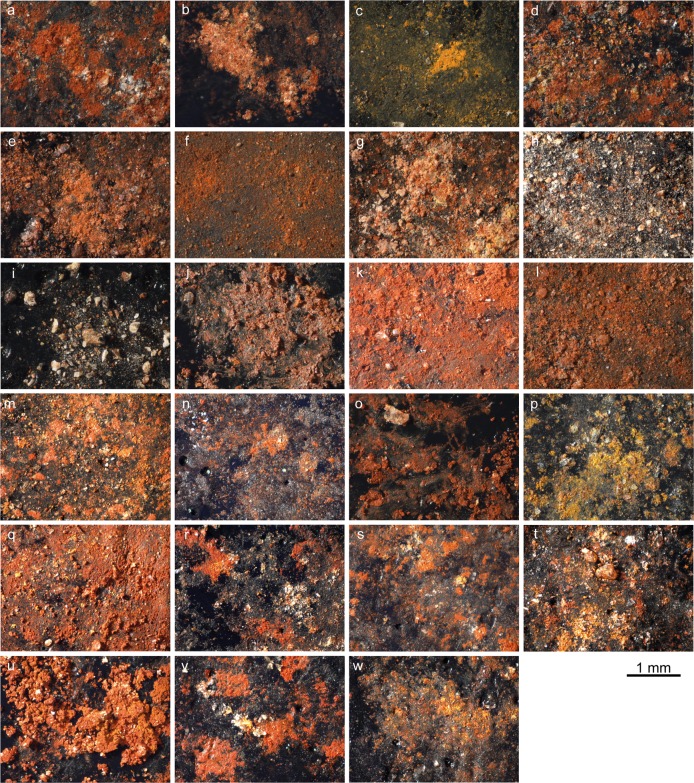
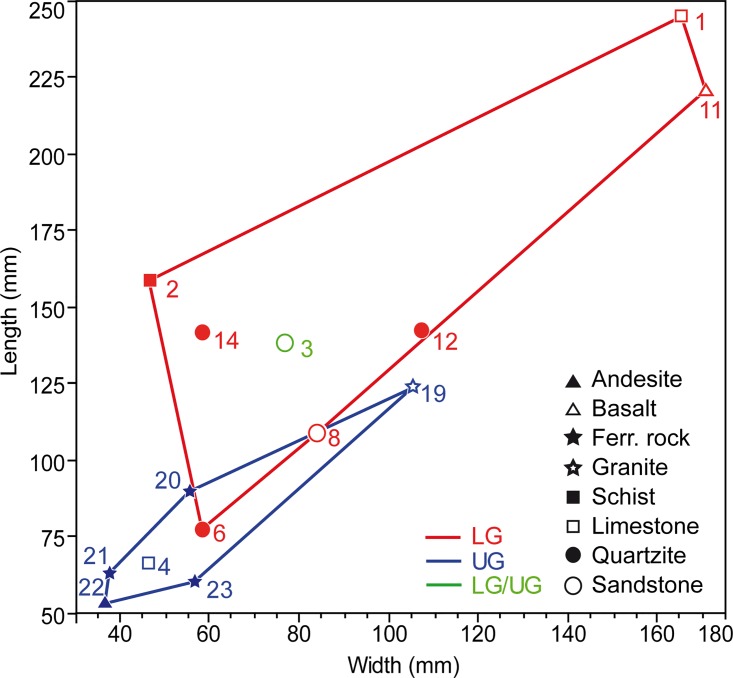
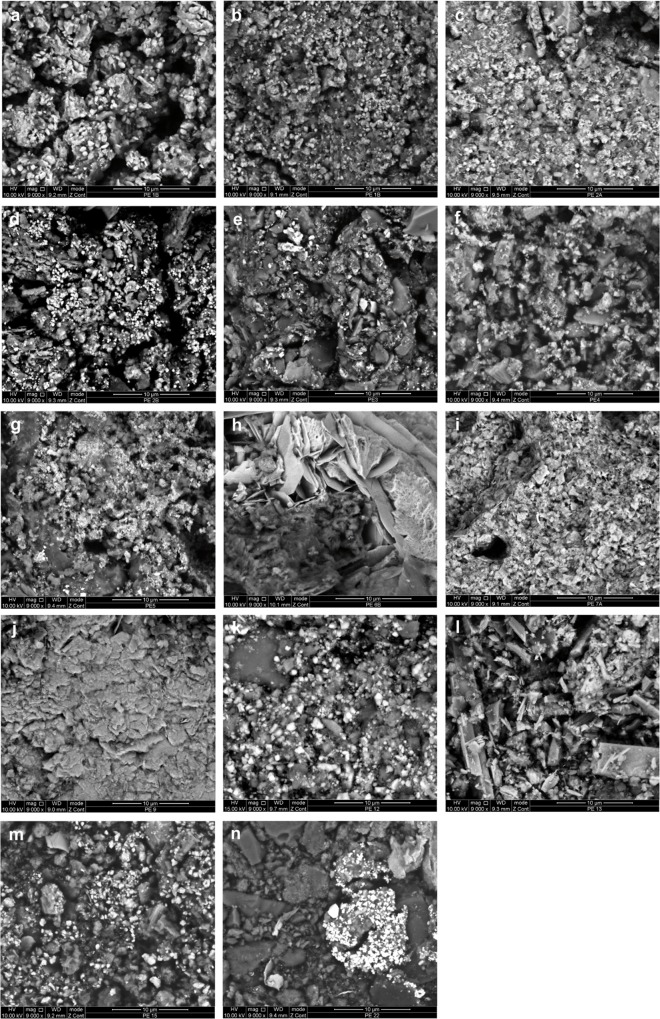
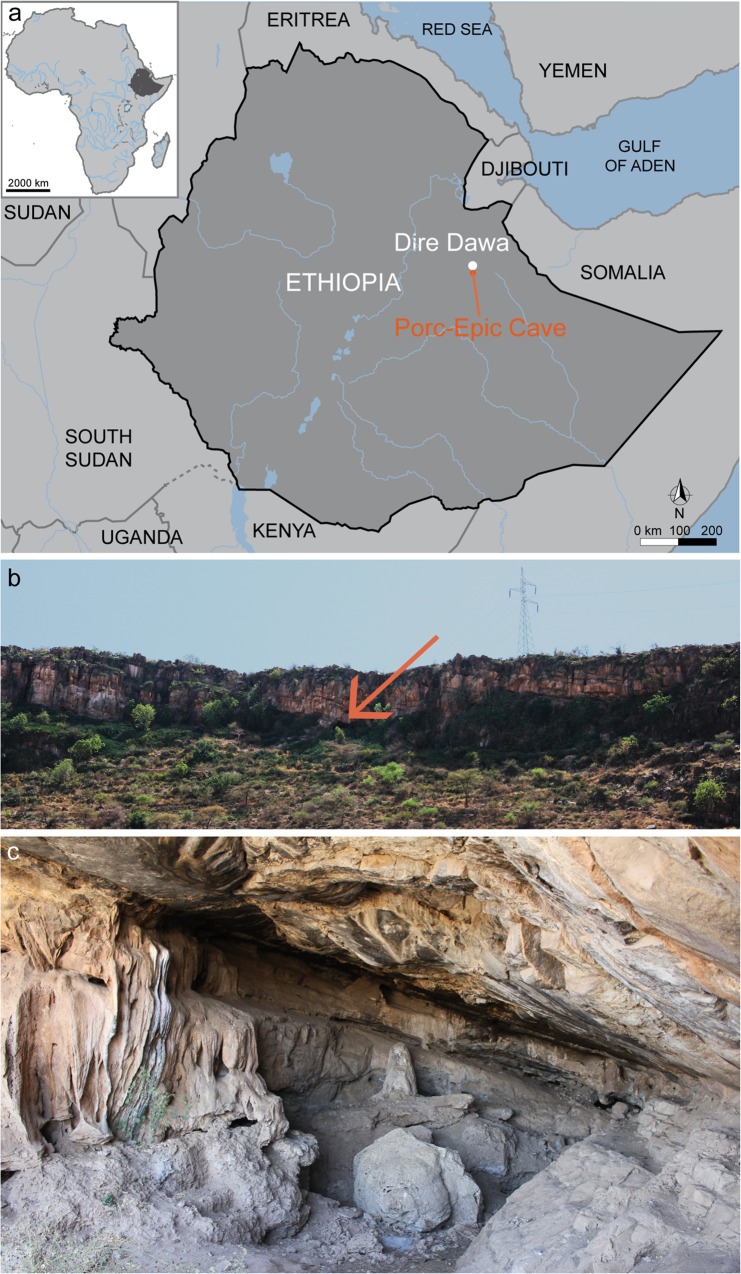
Ochre is a common feature at Middle Stone Age (MSA) sites and has often been interpreted as a proxy for the origin of modern behaviour. However, few ochre processing tools, ochre containers, and ochre-stained artefacts from MSA contexts have been studied in detail within a theoretical framework aimed at inferring the technical steps involved in the acquisition, production and use of these artefacts. Here we analyse 21 ochre processing tools, i.e. upper and lower grindstones, and two ochre-stained artefacts from the MSA layers of Porc-Epic Cave, Dire Dawa, Ethiopia, dated to ca. 40 cal kyr BP. These tools, and a large proportion of the 4213 ochre fragments found at the site, were concentrated in an area devoted to ochre processing. Lower grindstones are made of a variety of raw materials, some of which are not locally available. Traces of use indicate that different techniques were employed to process ochre. Optical microscopy, XRD, μ-Raman spectroscopy, and SEM-EDS analyses of residues preserved on worn areas of artefacts show that different types of ferruginous rocks were processed in order to produce ochre powder of different coarseness and shades. A round stone bearing no traces of having been used to process ochre is half covered with residues as if it had been dipped in a liquid ochered medium to paint the object or to use it as a stamp to apply pigment to a soft material. We argue that the ochre reduction sequences identified at Porc-Epic Cave reflect a high degree of behavioural complexity, and represent ochre use, which was probably devoted to a variety of functions.

摘要

赭石是中石器时代(MSA)遗址的常见特征,常被解释为现代行为起源的一种代表。然而,在旨在推断这些人工制品获取、制作和使用所涉及技术步骤的理论框架内,对来自MSA背景的赭石加工工具、赭石容器和赭石染色人工制品进行详细研究的却很少。在此,我们分析了21件赭石加工工具,即上磨石和下磨石,以及两件来自埃塞俄比亚迪雷达瓦波尔克 - 埃皮克洞穴MSA层的赭石染色人工制品,其年代约为公元前40 cal kyr。这些工具以及在该遗址发现的4213块赭石碎片中的很大一部分,都集中在一个专门用于赭石加工的区域。下磨石由多种原材料制成,其中一些并非当地可得。使用痕迹表明采用了不同技术来加工赭石。对人工制品磨损区域保存的残留物进行光学显微镜、X射线衍射、微拉曼光谱和扫描电子显微镜 - 能谱分析表明,为了生产不同粗细和色调的赭石粉末,对不同类型的含铁岩石进行了加工。一块没有用于加工赭石痕迹的圆形石头有一半被残留物覆盖,就好像它被浸入了一种液体赭石介质中以涂抹物体,或者用作印章将颜料施加到柔软材料上。我们认为,在波尔克 - 埃皮克洞穴确定的赭石还原序列反映了高度的行为复杂性,代表了赭石的使用,其用途可能多种多样。
https://cdn.ncbi.nlm.nih.gov/pmc/blobs/b0c7/5091854/ef75924c6665/pone.0164793.g011.jpg
https://cdn.ncbi.nlm.nih.gov/pmc/blobs/b0c7/5091854/21261270bfa7/pone.0164793.g001.jpg
https://cdn.ncbi.nlm.nih.gov/pmc/blobs/b0c7/5091854/2f10743c95cb/pone.0164793.g002.jpg
https://cdn.ncbi.nlm.nih.gov/pmc/blobs/b0c7/5091854/9d6b89aa9b77/pone.0164793.g003.jpg
https://cdn.ncbi.nlm.nih.gov/pmc/blobs/b0c7/5091854/6fac355b944f/pone.0164793.g004.jpg
https://cdn.ncbi.nlm.nih.gov/pmc/blobs/b0c7/5091854/aec0ed802339/pone.0164793.g005.jpg
https://cdn.ncbi.nlm.nih.gov/pmc/blobs/b0c7/5091854/08b4a1c300ca/pone.0164793.g006.jpg
https://cdn.ncbi.nlm.nih.gov/pmc/blobs/b0c7/5091854/0036591a6b5b/pone.0164793.g007.jpg
https://cdn.ncbi.nlm.nih.gov/pmc/blobs/b0c7/5091854/ab4fd4b98d80/pone.0164793.g008.jpg
https://cdn.ncbi.nlm.nih.gov/pmc/blobs/b0c7/5091854/6419f395514c/pone.0164793.g009.jpg
https://cdn.ncbi.nlm.nih.gov/pmc/blobs/b0c7/5091854/3e87340556b5/pone.0164793.g010.jpg
https://cdn.ncbi.nlm.nih.gov/pmc/blobs/b0c7/5091854/ef75924c6665/pone.0164793.g011.jpg
https://cdn.ncbi.nlm.nih.gov/pmc/blobs/b0c7/5091854/21261270bfa7/pone.0164793.g001.jpg
https://cdn.ncbi.nlm.nih.gov/pmc/blobs/b0c7/5091854/2f10743c95cb/pone.0164793.g002.jpg
https://cdn.ncbi.nlm.nih.gov/pmc/blobs/b0c7/5091854/9d6b89aa9b77/pone.0164793.g003.jpg
https://cdn.ncbi.nlm.nih.gov/pmc/blobs/b0c7/5091854/6fac355b944f/pone.0164793.g004.jpg
https://cdn.ncbi.nlm.nih.gov/pmc/blobs/b0c7/5091854/aec0ed802339/pone.0164793.g005.jpg
https://cdn.ncbi.nlm.nih.gov/pmc/blobs/b0c7/5091854/08b4a1c300ca/pone.0164793.g006.jpg
https://cdn.ncbi.nlm.nih.gov/pmc/blobs/b0c7/5091854/0036591a6b5b/pone.0164793.g007.jpg
https://cdn.ncbi.nlm.nih.gov/pmc/blobs/b0c7/5091854/ab4fd4b98d80/pone.0164793.g008.jpg
https://cdn.ncbi.nlm.nih.gov/pmc/blobs/b0c7/5091854/6419f395514c/pone.0164793.g009.jpg
https://cdn.ncbi.nlm.nih.gov/pmc/blobs/b0c7/5091854/3e87340556b5/pone.0164793.g010.jpg
https://cdn.ncbi.nlm.nih.gov/pmc/blobs/b0c7/5091854/ef75924c6665/pone.0164793.g011.jpg

相似文献

1
Middle Stone Age Ochre Processing and Behavioural Complexity in the Horn of Africa: Evidence from Porc-Epic Cave, Dire Dawa, Ethiopia.东非之角中石器时代的赭石加工与行为复杂性:来自埃塞俄比亚迪雷达瓦porc-Epic洞穴的证据
PLoS One. 2016 Nov 2;11(11):e0164793. doi: 10.1371/journal.pone.0164793. eCollection 2016.
2
Patterns of change and continuity in ochre use during the late Middle Stone Age of the Horn of Africa: The Porc-Epic Cave record.非洲之角中石器时代晚期赭石使用的变化与延续模式:porc-史诗洞穴记录。
PLoS One. 2017 May 24;12(5):e0177298. doi: 10.1371/journal.pone.0177298. eCollection 2017.
3
First identification of an evolving Middle Stone Age ochre culture at Porc-Epic Cave, Ethiopia.首次在埃塞俄比亚 Porc-Epic 洞穴中发现正在演变的中石器时代赭石文化。
Sci Rep. 2023 Sep 8;13(1):13261. doi: 10.1038/s41598-023-39957-y.
4
How people used ochre at Rose Cottage Cave, South Africa: Sixty thousand years of evidence from the Middle Stone Age.人们在南非玫瑰谷洞穴如何使用赭石:来自中石器时代的六万年证据。
PLoS One. 2017 Apr 26;12(4):e0176317. doi: 10.1371/journal.pone.0176317. eCollection 2017.
5
Faunal remains from Porc-Epic: paleoecological and zooarchaeological investigations from a Middle Stone Age site in southeastern Ethiopia.猪野猪遗址的动物遗骸:来自埃塞俄比亚东南部中石器时代遗址的古生态与动物考古学研究
J Hum Evol. 2006 Jul;51(1):50-75. doi: 10.1016/j.jhevol.2006.01.004. Epub 2006 Mar 20.
6
Ochre and pigment use at Hohle Fels cave: Results of the first systematic review of ochre and ochre-related artefacts from the Upper Palaeolithic in Germany.霍勒费尔斯洞穴中的赭石和颜料使用:对德国旧石器时代晚期的赭石和与赭石相关制品进行首次系统综述的结果。
PLoS One. 2018 Dec 27;13(12):e0209874. doi: 10.1371/journal.pone.0209874. eCollection 2018.
7
An early bone tool industry from the Middle Stone Age at Blombos Cave, South Africa: implications for the origins of modern human behaviour, symbolism and language.南非布隆伯斯洞穴中石器时代的早期骨器工业:对现代人类行为、象征意义和语言起源的启示。
J Hum Evol. 2001 Dec;41(6):631-78. doi: 10.1006/jhev.2001.0515.
8
Nassarius kraussianus shell beads from Blombos Cave: evidence for symbolic behaviour in the Middle Stone Age.来自布隆伯斯洞穴的克劳氏织纹螺贝壳珠子:中石器时代象征行为的证据。
J Hum Evol. 2005 Jan;48(1):3-24. doi: 10.1016/j.jhevol.2004.09.002. Epub 2004 Dec 21.
9
Additional evidence for bone technology in the southern African Middle Stone Age.南非中石器时代骨器技术的更多证据。
J Hum Evol. 2007 Feb;52(2):142-63. doi: 10.1016/j.jhevol.2006.08.003. Epub 2006 Aug 18.
10
Core-Shell Processing of Natural Pigment: Upper Palaeolithic Red Ochre from Lovas, Hungary.天然颜料的核壳处理:来自匈牙利洛瓦斯的旧石器时代晚期赤铁矿
PLoS One. 2015 Jul 6;10(7):e0131762. doi: 10.1371/journal.pone.0131762. eCollection 2015.

引用本文的文献

1
First identification of an evolving Middle Stone Age ochre culture at Porc-Epic Cave, Ethiopia.首次在埃塞俄比亚 Porc-Epic 洞穴中发现正在演变的中石器时代赭石文化。
Sci Rep. 2023 Sep 8;13(1):13261. doi: 10.1038/s41598-023-39957-y.
2
Symbolic innovation at the onset of the Upper Paleolithic in Eurasia shown by the personal ornaments from Tolbor-21 (Mongolia).欧亚地区旧石器时代晚期初期的象征性创新体现在托卜鲁尔-21(蒙古)的个人饰品上。
Sci Rep. 2023 Jun 12;13(1):9545. doi: 10.1038/s41598-023-36140-1.
3
Red Balloon rock shelter Middle Stone Age ochre assemblage and population's adaption to local resources in the Waterberg (Limpopo, South Africa).

本文引用的文献

1
Earliest evidence of personal ornaments associated with burial: the Conus shells from Border Cave.与墓葬相关的个人装饰品的最早证据:来自边境洞穴的芋螺壳。
J Hum Evol. 2016 Apr;93:91-108. doi: 10.1016/j.jhevol.2016.01.002. Epub 2016 Mar 15.
2
Lap Shear and Impact Testing of Ochre and Beeswax in Experimental Middle Stone Age Compound Adhesives.赭石与蜂蜡在实验性中石器时代复合粘合剂中的搭接剪切和冲击测试
PLoS One. 2016 Mar 16;11(3):e0150436. doi: 10.1371/journal.pone.0150436. eCollection 2016.
3
Selection and Use of Manganese Dioxide by Neanderthals.
红气球岩棚中石器时代赭石组合与沃特贝格(南非林波波省)当地资源的人口适应情况
Archaeol Anthropol Sci. 2023;15(6):79. doi: 10.1007/s12520-023-01778-5. Epub 2023 May 12.
4
New insights on commemoration of the dead through mortuary and architectural use of pigments at Neolithic Çatalhöyük, Turkey.关于土耳其新石器时代恰塔尔霍裕克通过墓葬及建筑中颜料的使用来纪念逝者的新见解。
Sci Rep. 2022 Mar 8;12(1):4055. doi: 10.1038/s41598-022-07284-3.
5
Innovative ochre processing and tool use in China 40,000 years ago.四万年前中国的创新赭石加工与工具使用。
Nature. 2022 Mar;603(7900):284-289. doi: 10.1038/s41586-022-04445-2. Epub 2022 Mar 2.
6
New insights into the Upper Palaeolithic of the Caucasus through the study of personal ornaments. Teeth and bones pendants from Satsurblia and Dzudzuana caves (Imereti, Georgia).通过对个人饰品的研究揭示南高加索旧石器时代晚期的新面貌——来自格鲁吉亚伊梅列季州的萨特布里亚和祖杜占纳洞穴的牙齿和骨头吊坠。
PLoS One. 2021 Nov 8;16(11):e0258974. doi: 10.1371/journal.pone.0258974. eCollection 2021.
7
Patterns of change and continuity in ochre use during the late Middle Stone Age of the Horn of Africa: The Porc-Epic Cave record.非洲之角中石器时代晚期赭石使用的变化与延续模式:porc-史诗洞穴记录。
PLoS One. 2017 May 24;12(5):e0177298. doi: 10.1371/journal.pone.0177298. eCollection 2017.
8
How people used ochre at Rose Cottage Cave, South Africa: Sixty thousand years of evidence from the Middle Stone Age.人们在南非玫瑰谷洞穴如何使用赭石:来自中石器时代的六万年证据。
PLoS One. 2017 Apr 26;12(4):e0176317. doi: 10.1371/journal.pone.0176317. eCollection 2017.
尼安德特人对二氧化锰的选择与使用。
Sci Rep. 2016 Feb 29;6:22159. doi: 10.1038/srep22159.
4
A new type of anvil in the Acheulian of Gesher Benot Ya'aqov, Israel.以色列盖舍尔贝诺特亚科夫阿舍利文化中的一种新型砧石。
Philos Trans R Soc Lond B Biol Sci. 2015 Nov 19;370(1682). doi: 10.1098/rstb.2014.0353.
5
Evaluating the Photoprotective Effects of Ochre on Human Skin by In Vivo SPF Assessment: Implications for Human Evolution, Adaptation and Dispersal.通过体内防晒系数评估赭石对人体皮肤的光保护作用:对人类进化、适应和扩散的启示。
PLoS One. 2015 Sep 9;10(9):e0136090. doi: 10.1371/journal.pone.0136090. eCollection 2015.
6
A Milk and Ochre Paint Mixture Used 49,000 Years Ago at Sibudu, South Africa.49000年前在南非西布杜使用的牛奶与赭石颜料混合物
PLoS One. 2015 Jun 30;10(6):e0131273. doi: 10.1371/journal.pone.0131273. eCollection 2015.
7
The archaeology, chronology and stratigraphy of Madjedbebe (Malakunanja II): A site in northern Australia with early occupation.马杰德贝贝(马拉库南贾二号)的考古学、年代学与地层学:澳大利亚北部一处有早期人类居住的遗址
J Hum Evol. 2015 Jun;83:46-64. doi: 10.1016/j.jhevol.2015.03.014. Epub 2015 May 7.
8
An ochered fossil marine shell from the mousterian of fumane cave, Italy.意大利富马尼洞穴莫斯特期的另一个海洋贝壳化石。
PLoS One. 2013 Jul 10;8(7):e68572. doi: 10.1371/journal.pone.0068572. Print 2013.
9
Use of red ochre by early Neandertals.早期尼安德特人使用赤铁矿。
Proc Natl Acad Sci U S A. 2012 Feb 7;109(6):1889-94. doi: 10.1073/pnas.1112261109. Epub 2012 Jan 23.
10
A 100,000-year-old ochre-processing workshop at Blombos Cave, South Africa.南非布隆伯斯洞 10 万年前的赭石加工作坊。
Science. 2011 Oct 14;334(6053):219-22. doi: 10.1126/science.1211535.