Key Lab of Agriculture Animal Genetics, Breeding, and Reproduction of Ministry of Education, College of Animal Science and Technology, Huazhong Agricultural University, Wuhan, 430070, PR China.
Institute of Animal Genetics and Breeding, College of Animal Science and Technology, Sichuan Agricultural University, Chengdu, 611130, PR China.
Sci Rep. 2016 Nov 3;6:36354. doi: 10.1038/srep36354.
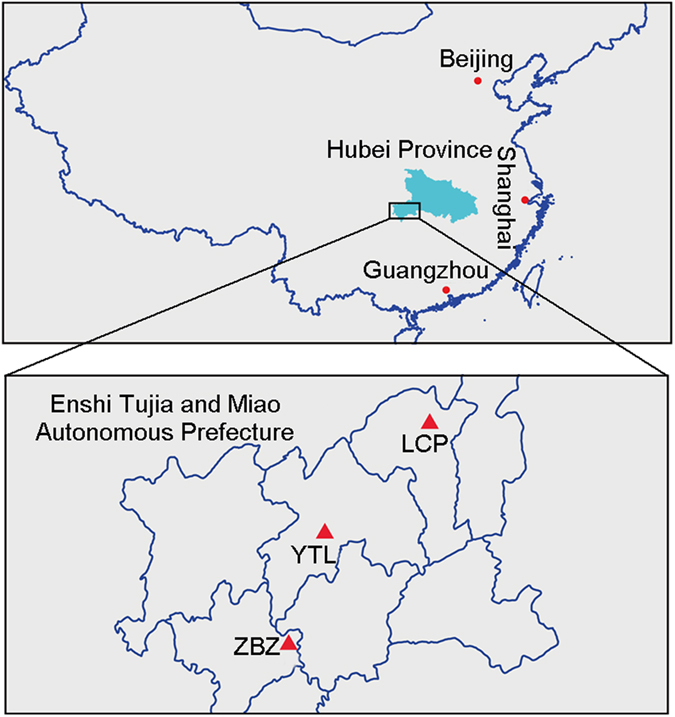
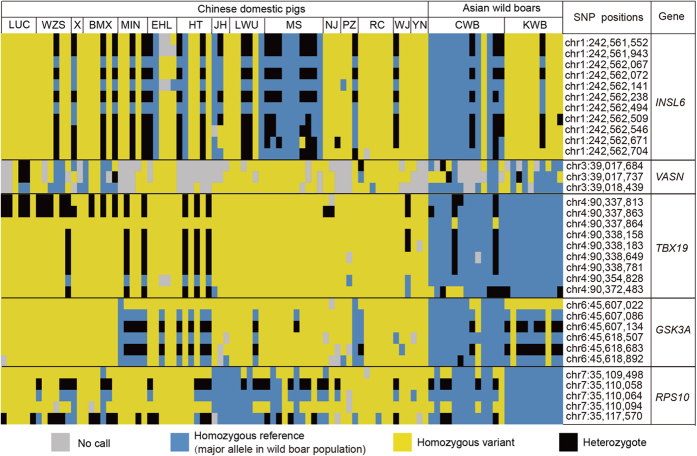
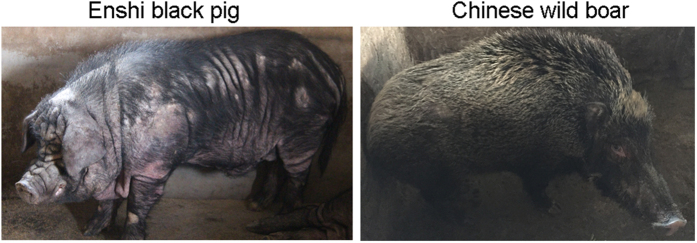
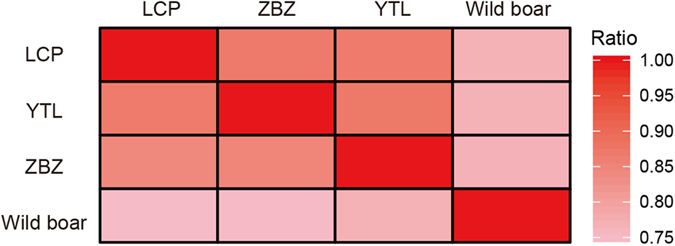
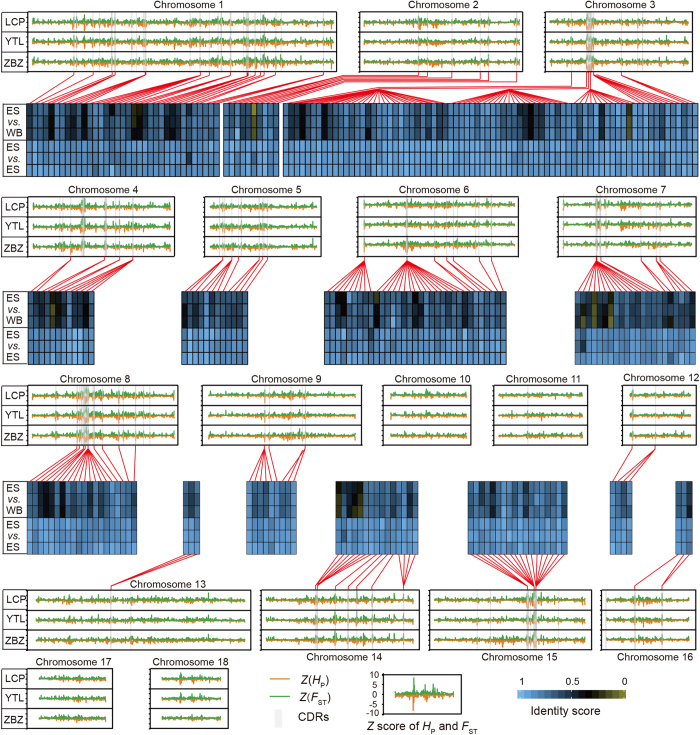
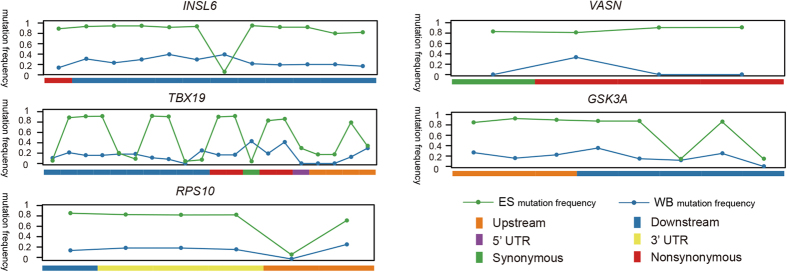
Identification of genomic signatures that help reveal mechanisms underlying desirable traits in domesticated pigs is of significant biological, agricultural and medical importance. To identify the genomic footprints left by selection during domestication of the Enshi black pig, a typical native and meat-lard breed in China, we generated about 72-fold coverage of the pig genome using pools of genomic DNA representing three different populations of Enshi black pigs from three different locations. Combining this data with the available whole genomes of 13 Chinese wild boars, we identified 417 protein-coding genes embedded in the selected regions of Enshi black pigs. These genes are mainly involved in developmental and metabolic processes, response to stimulus, and other biological processes. Signatures of selection were detected in genes involved in body size and immunity (RPS10 and VASN), lipid metabolism (GSK3), male fertility (INSL6) and developmental processes (TBX19). These findings provide a window into the potential genetic mechanism underlying development of desirable phenotypes in Enshi black pigs during domestication and subsequent artificial selection. Thus, our results illustrate how domestication has shaped patterns of genetic variation in Enshi black pigs and provide valuable genetic resources that enable effective use of pigs in agricultural production.
鉴定有助于揭示家养猪优良性状背后机制的基因组特征,具有重要的生物学、农业和医学意义。为了鉴定在恩施行猪(中国典型的本地肉脂兼用品种)驯化过程中选择留下的基因组足迹,我们利用来自三个不同地点的三个不同恩施行猪群体的基因组 DNA 池,生成了大约 72 倍的基因组覆盖度。将这些数据与 13 头中国野猪的可用全基因组数据相结合,我们在恩施行猪的选择区域中鉴定出了 417 个编码蛋白的基因。这些基因主要参与发育和代谢过程、对刺激的反应以及其他生物过程。在与体型和免疫(RPS10 和 VASN)、脂质代谢(GSK3)、雄性生育力(INSL6)和发育过程(TBX19)相关的基因中检测到了选择的特征。这些发现为恩施行猪在驯化和随后的人工选择过程中优良表型发育的潜在遗传机制提供了一个窗口。因此,我们的研究结果说明了驯化过程如何塑造了恩施行猪的遗传变异模式,并提供了有价值的遗传资源,使猪在农业生产中得到有效利用。