Wang Yanping, Zhou Zijian, Gao Jingyang, Wu Yabin, Xia Zongliang, Zhang Huiyong, Wu Jianyu
College of Agronomy, Synergetic Innovation Center of Henan Grain Crops and National Key Laboratory of Wheat and Maize Crop Science, Henan Agricultural University Zhengzhou, China.
Front Plant Sci. 2016 Nov 4;7:1654. doi: 10.3389/fpls.2016.01654. eCollection 2016.
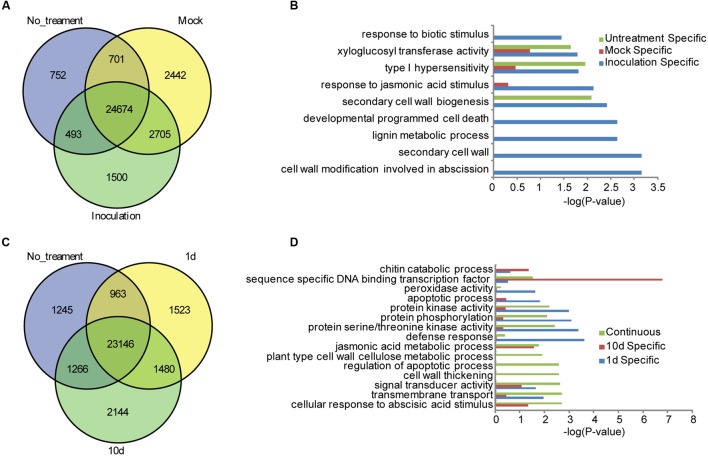
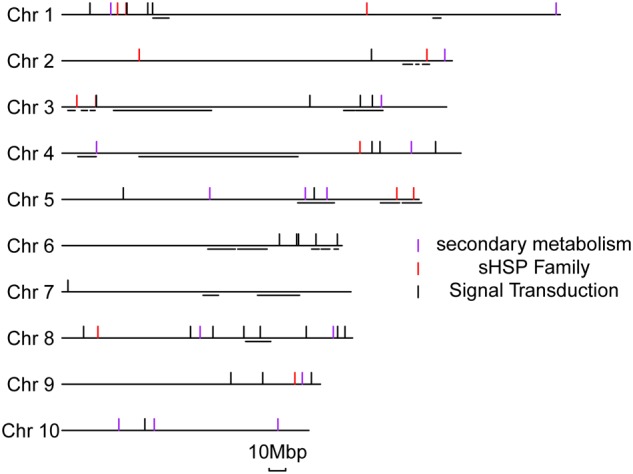
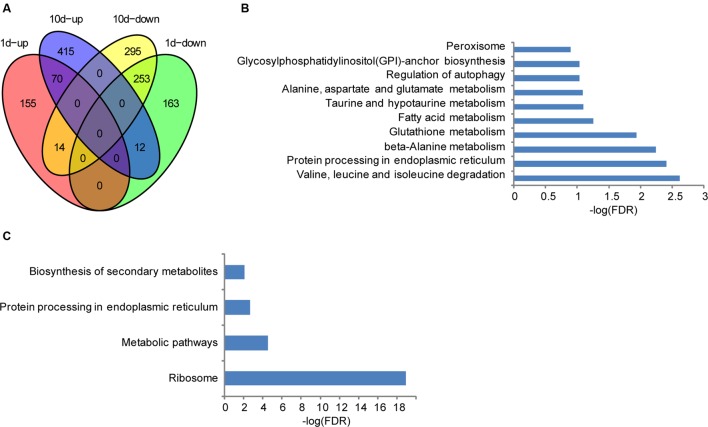
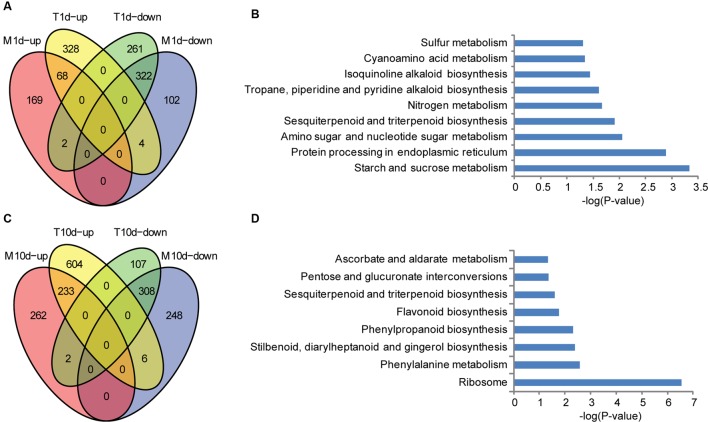
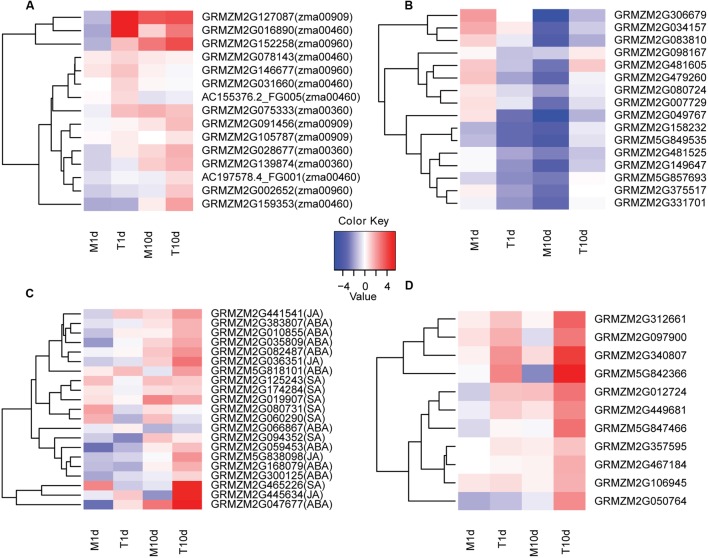
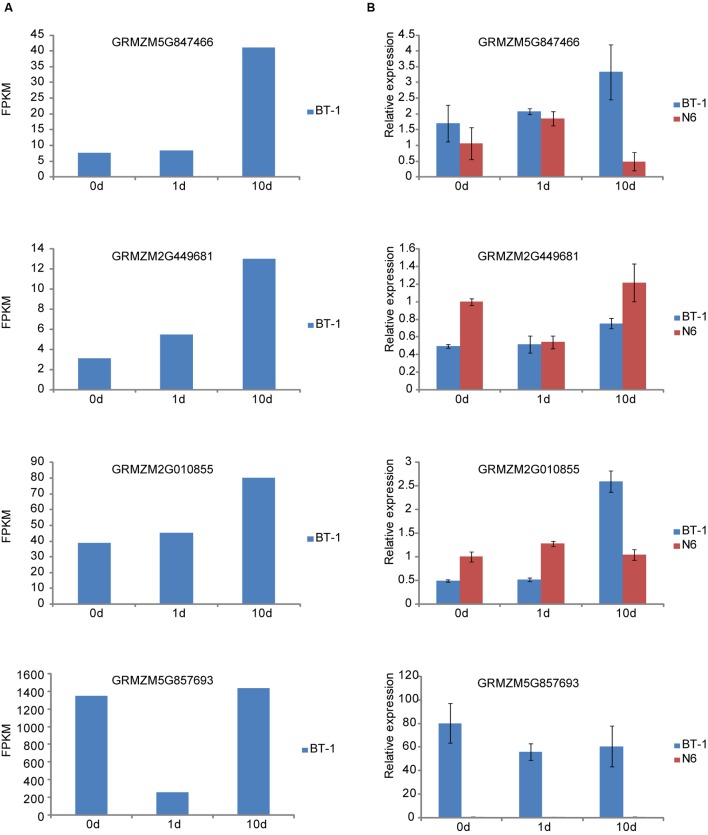
is the most commonly reported fungal species responsible for ear rot of maize which substantially reduces grain yield. It also results in a substantial accumulation of mycotoxins that give rise to toxic response when ingested by animals and humans. For inefficient control by chemical and agronomic measures, it thus becomes more desirable to select more resistant varieties. However, the molecular mechanisms underlying the infection process remain poorly understood, which hampers the application of quantitative resistance in breeding programs. Here, we reveal the disease-resistance mechanism of the maize inbred line of BT-1 which displays high resistance to ear rot using RNA high throughput sequencing. By analyzing RNA-seq data from the BT-1 kernels before and after inoculation, we found that transcript levels of genes associated with key pathways are dramatically changed compared with the control treatment. Differential gene expression in ear rot resistant and susceptible maize was confirmed by RNA microarray and qRT-PCR analyses. Further investigation suggests that the small heat shock protein family, some secondary metabolites, and the signaling pathways of abscisic acid, jasmonic acid, or salicylic acids (SA) may be involved in the pathogen-associated molecular pattern-triggered immunity against . These data will not only provide new insights into the molecular resistant mechanisms against fungi invading, but may also result in the identification of key molecular factors associated with ear rot resistance in maize.
是导致玉米穗腐病最常被报道的真菌物种,这会大幅降低谷物产量。它还会导致大量霉菌毒素积累,动物和人类摄入后会产生毒性反应。由于化学和农艺措施控制效果不佳,因此更希望选择抗性更强的品种。然而,感染过程背后的分子机制仍知之甚少,这阻碍了数量抗性在育种计划中的应用。在此,我们利用RNA高通量测序揭示了对穗腐病具有高抗性的玉米自交系BT-1的抗病机制。通过分析接种前后BT-1籽粒的RNA-seq数据,我们发现与关键途径相关的基因转录水平与对照处理相比发生了显著变化。通过RNA微阵列和qRT-PCR分析证实了抗穗腐病和感病玉米中的差异基因表达。进一步研究表明,小热激蛋白家族、一些次生代谢产物以及脱落酸、茉莉酸或水杨酸(SA)的信号通路可能参与了病原体相关分子模式触发的免疫反应。这些数据不仅将为抗真菌入侵的分子抗性机制提供新的见解,还可能导致鉴定与玉米穗腐病抗性相关的关键分子因子。