Scherer Sabrina, Wollrab Eva, Codutti Luca, Carlomagno Teresa, da Costa Stefan Gomes, Volkmer Andreas, Bronja Amela, Schmitz Oliver J, Ott Albrecht
Biologische Experimentalphysik, Universität des Saarlandes, Campus, Geb. B2 1, 66123, Saarbrücken, Germany.
Laboratory of Microbial Morphogenesis and Growth, Institut Pasteur, 75724, Paris, Cedex 15, France.
Orig Life Evol Biosph. 2017 Dec;47(4):381-403. doi: 10.1007/s11084-016-9528-8. Epub 2016 Nov 28.
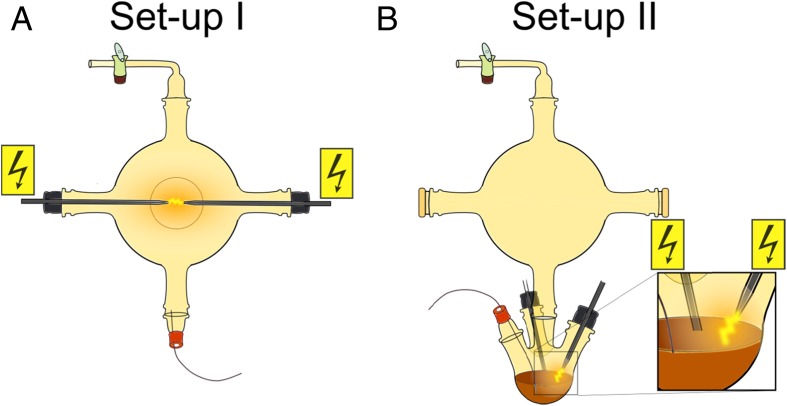
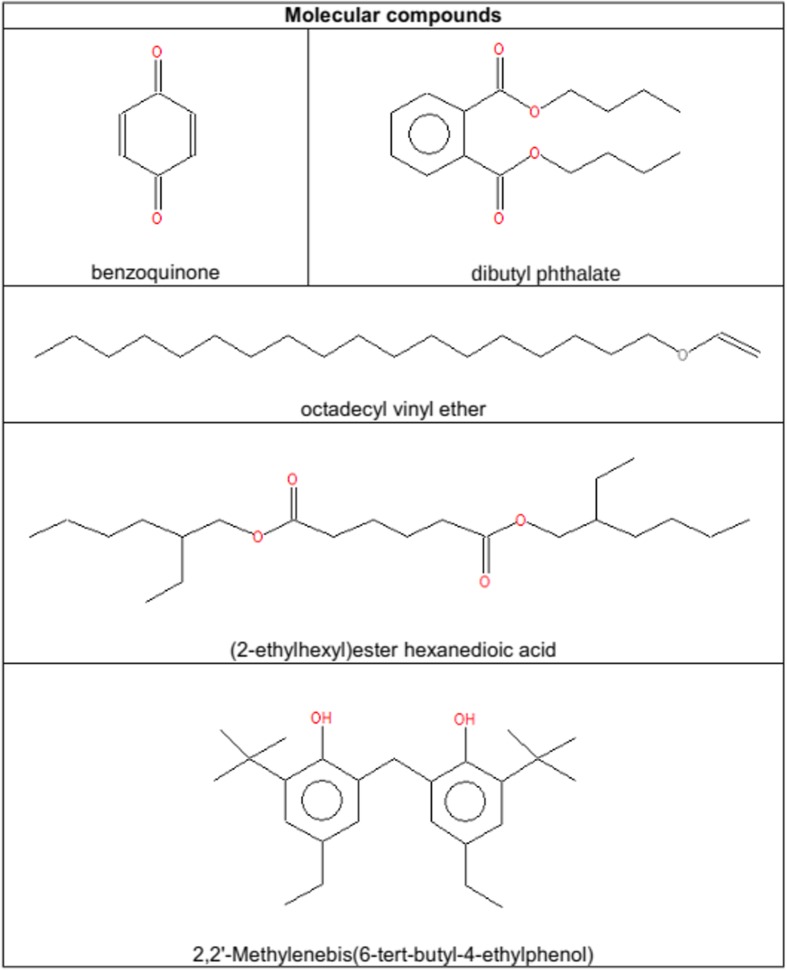
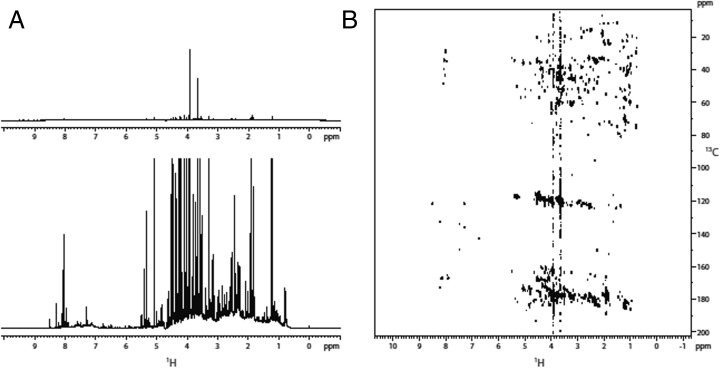
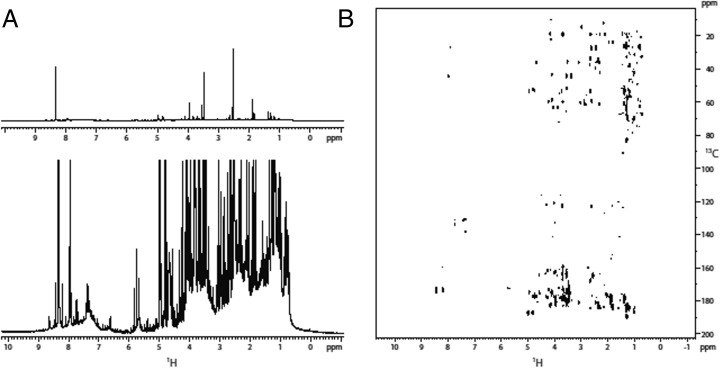
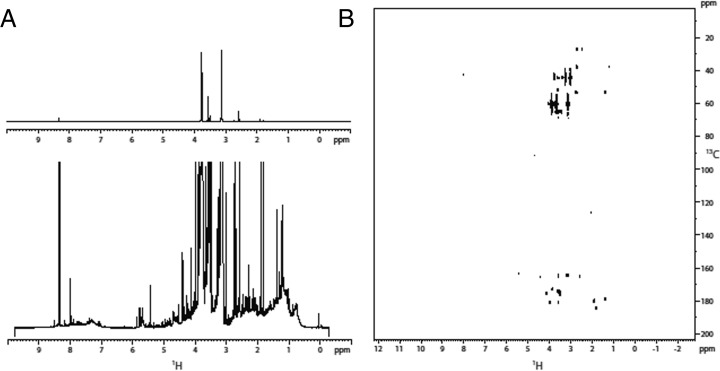
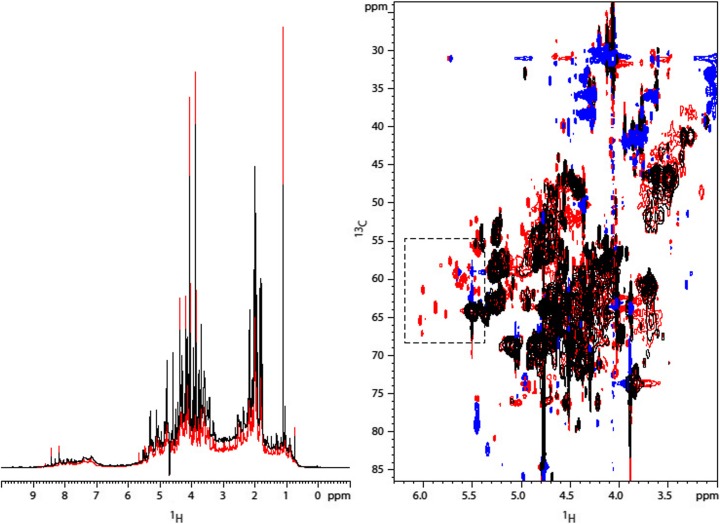
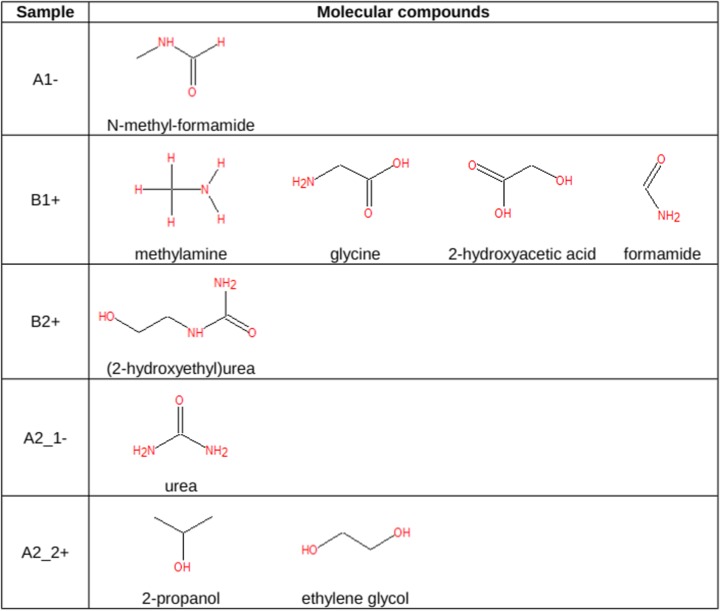
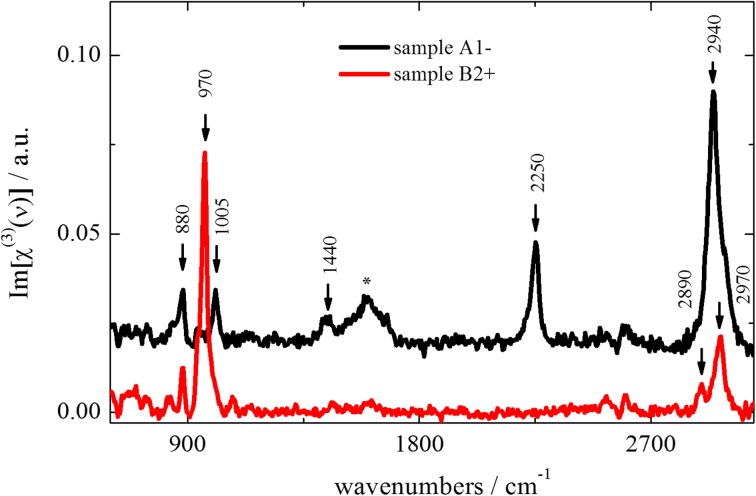
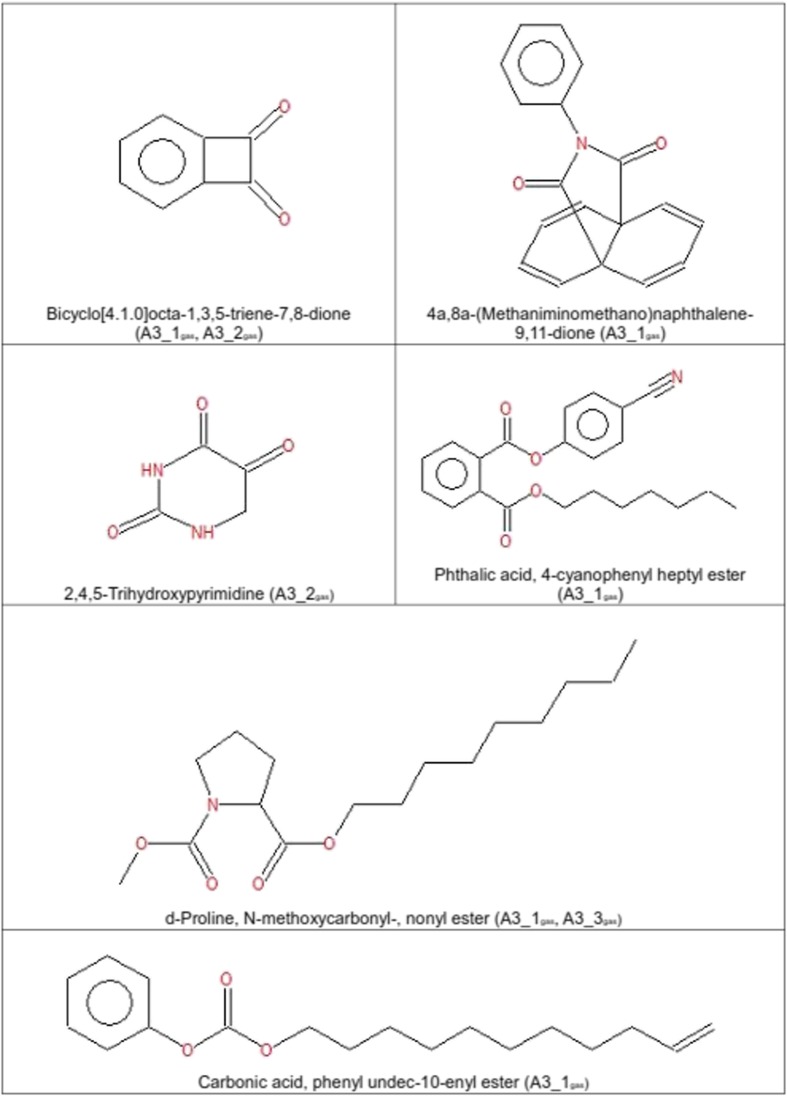
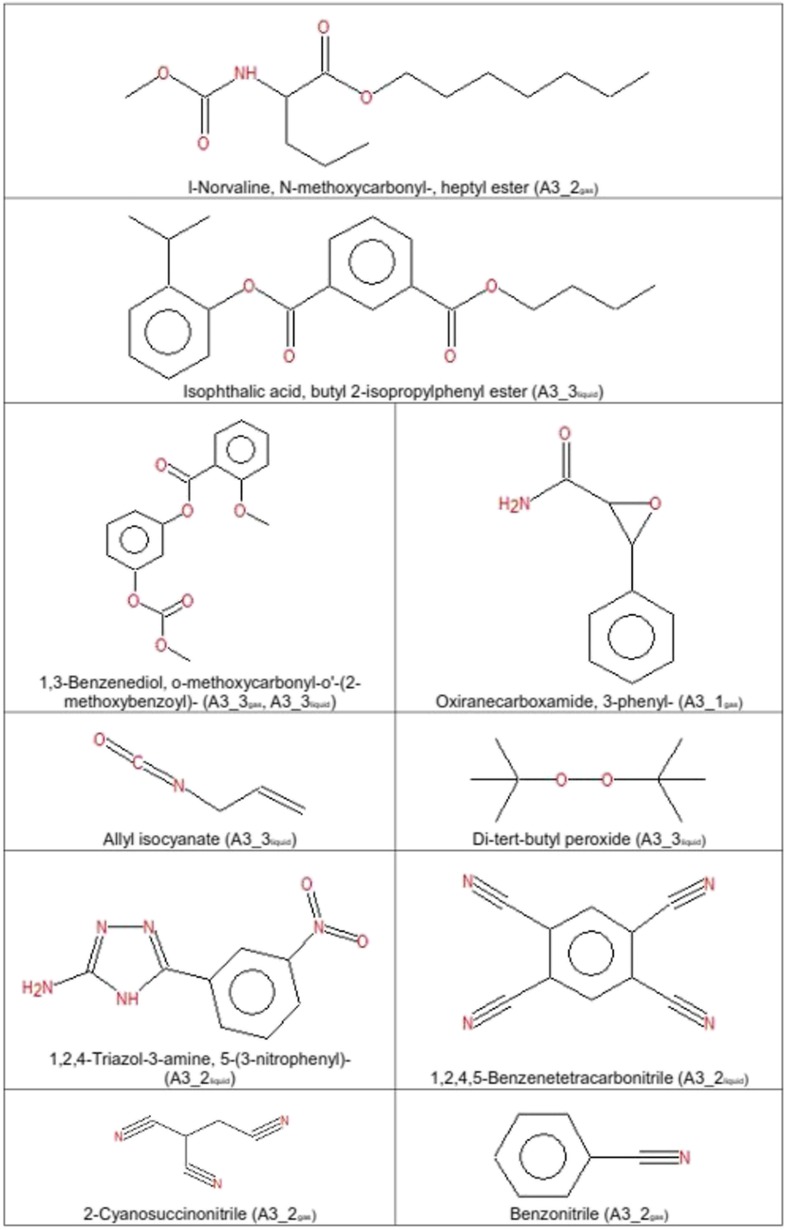
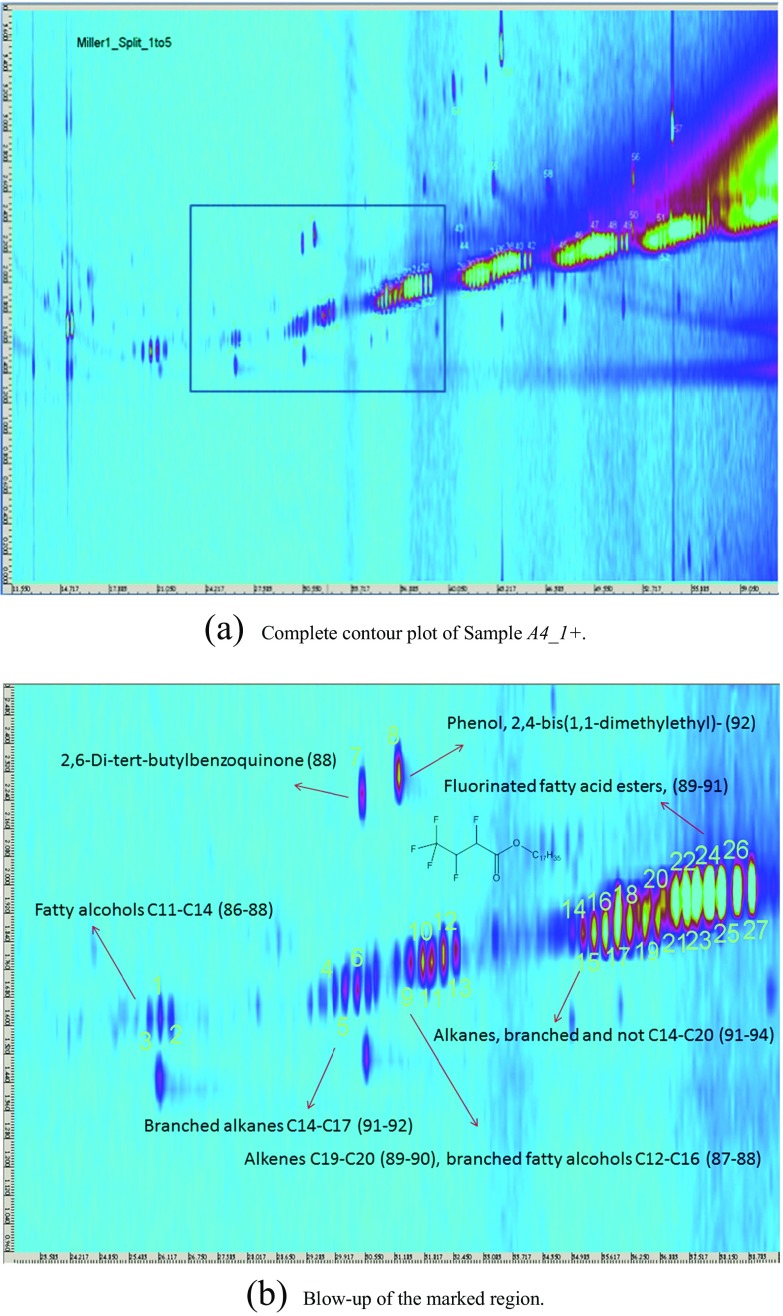
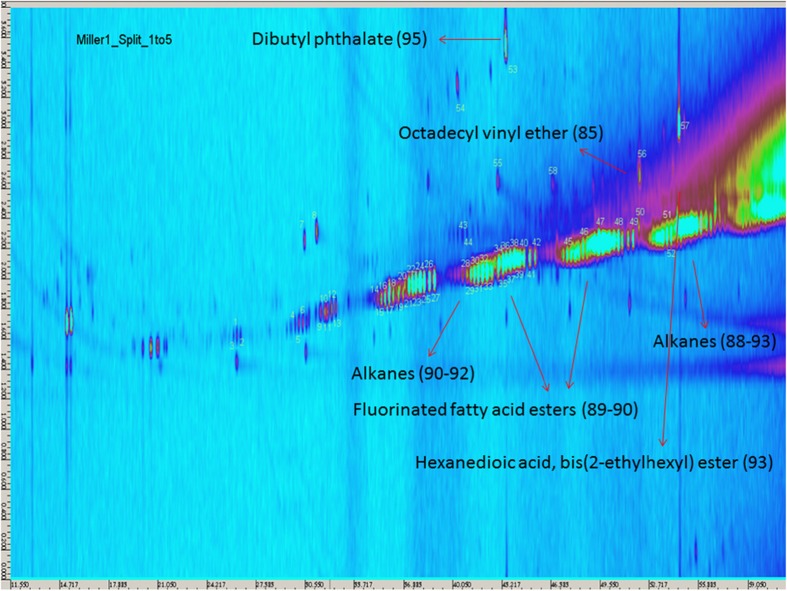
We have analyzed the chemical variety obtained by Miller-Urey-type experiments using nuclear magnetic resonance (NMR) spectroscopy and coherent anti-Stokes Raman scattering (CARS) spectroscopy, gas chromatography followed by mass spectrometry (GC/MS) and two-dimensional gas chromatography followed by mass spectrometry (GCxGC/MS). In the course of a running Miller-Urey-type experiment, a hydrophobic organic layer emerged besides the hydrophilic aqueous phase and the gaseous phase that were initially present. The gas phase mainly consisted of aromatic compounds and molecules containing C≡C or C≡N triple bonds. The hydrophilic phase contained at least a few thousands of different molecules, primarily distributed in a range of 50 and 500 Da. The hydrophobic phase is characterized by carbon-rich, oil-like compounds and their amphiphilic derivatives containing oxygen with tensioactive properties. The presence of a wide range of oxidized molecules hints to the availability of oxygen radicals. We suggest that they intervene in the formation of alkylated polyethylene glycol (PEG) in the oil/water interface. CARS spectroscopy revealed distinct vibrational molecular signatures. In particular, characteristic spectral bands for cyanide compounds were observed if the broth was prepared with electric discharges in the gaseous phase. The characteristic spectral bands were absent if discharges were released onto the water surface. NMR spectroscopy on the same set of samples independently confirmed the observation. In addition, NMR spectroscopy revealed overall high chemical variability that suggests strong non-linearities due to interdependent, sequential reaction steps.
我们使用核磁共振(NMR)光谱、相干反斯托克斯拉曼散射(CARS)光谱、气相色谱-质谱联用(GC/MS)以及二维气相色谱-质谱联用(GCxGC/MS),对米勒-尤里型实验所得到的化学产物进行了分析。在进行米勒-尤里型实验的过程中,除了最初存在的亲水性水相和气态相之外,还出现了一个疏水性有机层。气相主要由芳香族化合物以及含有C≡C或C≡N三键的分子组成。亲水性相中含有至少数千种不同的分子,主要分布在50至500道尔顿的范围内。疏水性相的特征是富含碳的油状化合物及其具有表面活性的含氧两亲衍生物。大量氧化分子的存在表明有氧自由基的存在。我们认为它们参与了油/水界面中烷基化聚乙二醇(PEG)的形成。CARS光谱揭示了不同的振动分子特征。特别是,如果在气相中通过放电制备肉汤,则会观察到氰化物化合物的特征光谱带。如果在水面上放电,则不会出现特征光谱带。对同一组样品进行的NMR光谱独立证实了这一观察结果。此外,NMR光谱显示出总体上较高的化学变异性,这表明由于相互依赖的连续反应步骤而存在强烈的非线性。